Mom's Best Recipes
Recipe

Classic Vodka Martini

Ice-cold, clean, and silky with the right dilution, plus lemon twist or olives depending on your mood.

Author By Matt Campbell
4.8 (214)
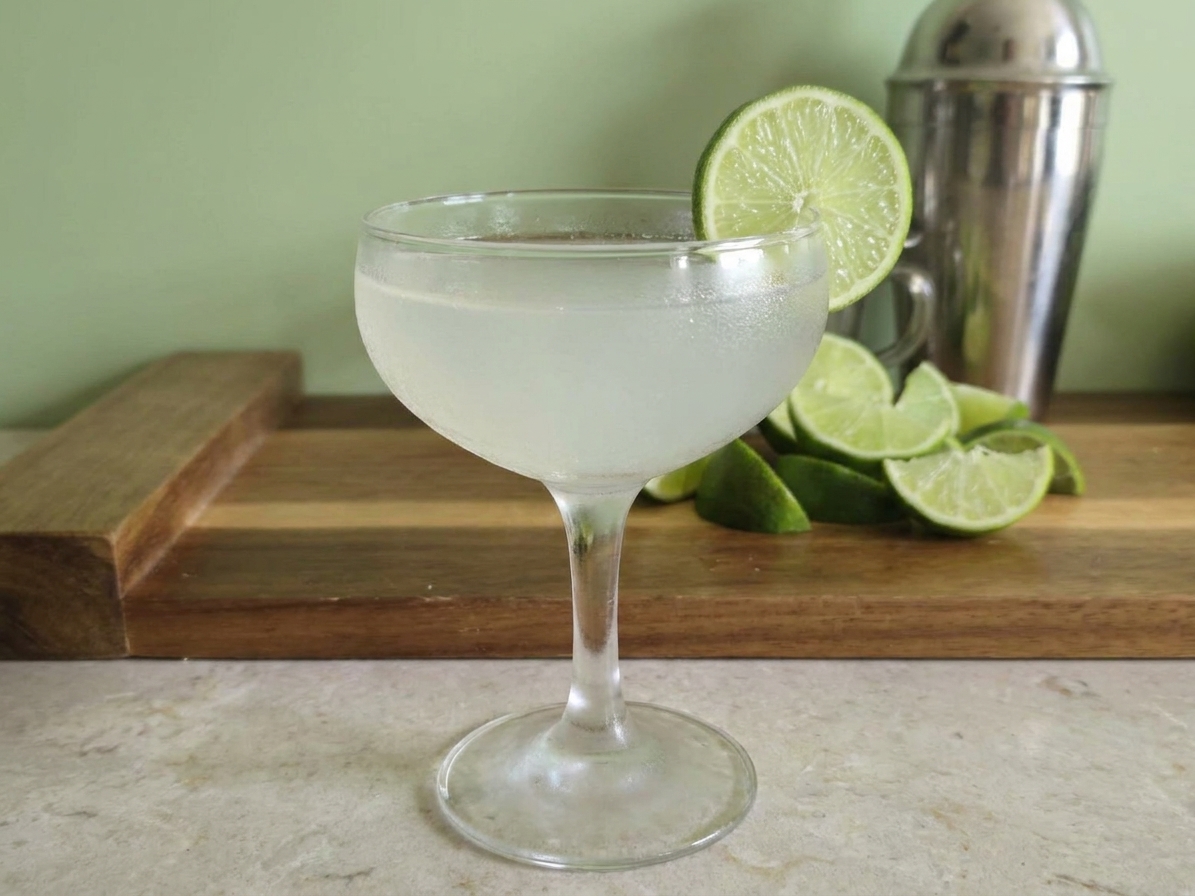
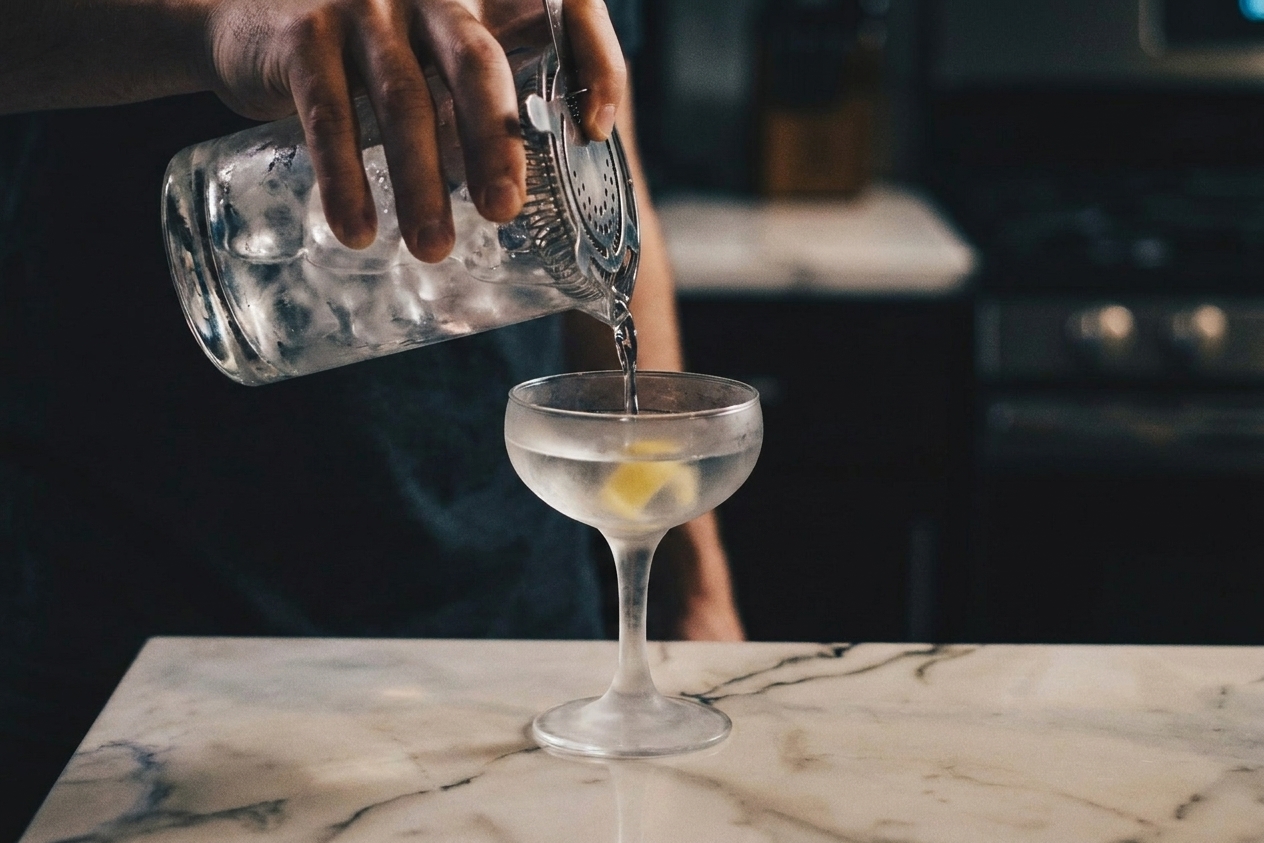
A chilled vodka martini in a coupe glass with a glossy lemon twist on the rim, sitting on a stone kitchen counter with soft natural window light

I love a drink that feels fancy without making you do the most, and the vodka martini is exactly that. It is clean, crisp, and a little dramatic in the best way, especially when the glass is frosty and the first sip is so cold it resets your brain.

This is the classic, spirit-forward version: vodka plus dry vermouth, stirred with lots of ice until it hits that sweet spot of cold + diluted + smooth. Not watery, not harsh, not perfume-y. Just a sleek little cocktail you can absolutely nail at home with a few small moves that make a big difference.

Vodka, a bottle of dry vermouth, a jar of green olives, a lemon, and a metal jigger arranged on a tidy kitchen counter

Why It Works

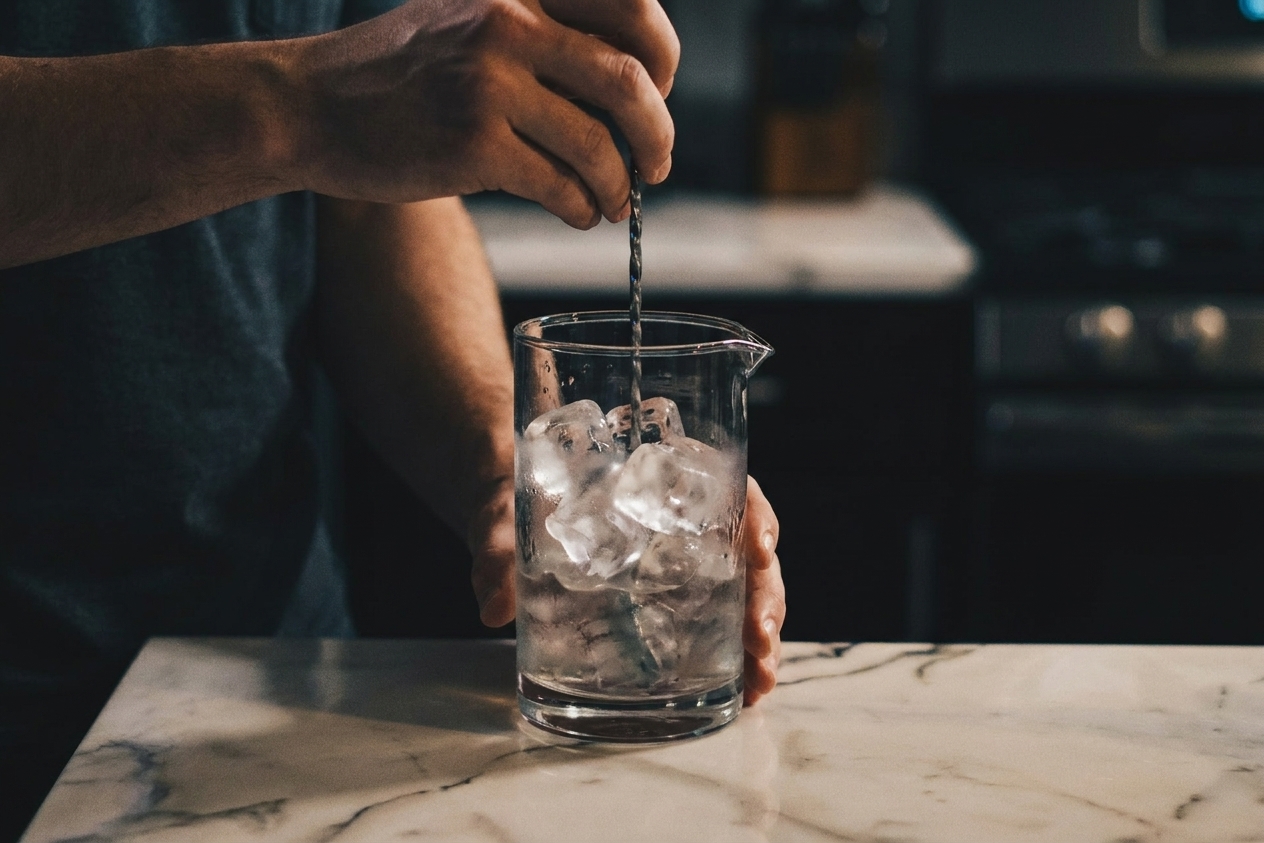
  • Perfect temperature: stirring with plenty of ice gets the drink freezing cold and smooth, without the cloudy ice shards and extra aeration you get from shaking.
  • Balanced flavor: a measured splash of dry vermouth softens vodka’s edges and adds subtle herbal snap.
  • Proper dilution: the quiet secret of a good martini is water from melting ice. It is what makes it taste smooth, not aggressive.
  • Flexible finish: lemon twist for bright and crisp, olives for salty and savory, or both if you are feeling chaotic in a controlled way.

Pairs Well With

Storage Tips

Martinis are at their best freshly stirred and served, but you can still be smart about leftovers and batching.

Short-term hold (best option)

  • Batch the base: Mix vodka and vermouth in a bottle or jar and store it in the freezer. It is best within 2 to 3 days for peak vermouth flavor, and up to 1 week is workable if it is tightly sealed and very cold.
  • Refrigerate vermouth after opening: Vermouth is fortified wine, and it stays fresher longer in the fridge. Buy smaller bottles if you do not make martinis often.
  • Do not add ice ahead of time: Ice is for the moment you stir. Otherwise you risk over-dilution.

If you already stirred one and did not finish

  • Strain into a small jar, cap it, and refrigerate up to 24 hours.
  • To serve, pour into a chilled glass. It will be colder and smoother if you give it a quick 5 to 10 second stir with fresh ice first, then re-strain.

Common Questions

Stir or shake?

Stir for a clear, silky martini with controlled dilution. Shake if you like it extra-cold, a bit more diluted, and slightly cloudy with tiny ice shards and a little aeration. Neither is illegal. One is just smoother.

How much vermouth should I use?

For a classic vodka martini, 1/2 ounce dry vermouth per 2 1/2 ounces vodka is a great starting point. If you are vermouth-shy, drop to 1/4 ounce. If you want it more aromatic, go up to 3/4 ounce.

What does “dry” mean?

It usually means less vermouth (even though the vermouth itself is “dry vermouth”). If you order “extra dry,” you are asking for very little vermouth or sometimes just a rinse of the glass.

How do I do a vermouth rinse?

Add a small splash of dry vermouth to your chilled glass, swirl to coat, then dump the excess. Proceed with the vodka. It is the “I want the idea of vermouth” approach.

Do I need to chill the glass?

You do not need to, but you will taste the difference. A cold glass keeps the martini crisp longer. Put it in the freezer for 10 minutes or fill it with ice water while you stir.

Olives or lemon twist?

Olives make it savory and briny. A lemon twist makes it bright and clean. If you use olives, choose good ones and keep the brine out unless you want a dirty martini.

How do I make it dirty?

Add 1/4 ounce olive brine, taste, then add more if you want. Most people land around 1/2 ounce. You can go up to 1 ounce if you like it boldly salty. Dirty is personal. Start small, then commit.

Is vodka or gin more “correct”?

Both are classic. Gin is more botanical, vodka is cleaner. If you want the garnish and vermouth to lead, vodka is your move.

Do I need to refrigerate vermouth?

Yes. Dry vermouth is fortified wine, and it tastes fresher longer when stored in the fridge after opening. For best flavor, try to use it within 1 to 2 months.

Does ice really matter?

Yes, in the quiet way. Fresh, solid ice (bigger pieces if you have them) tends to melt more predictably, which helps you nail that cold, smooth dilution without turning the drink watery.


The first time I made a vodka martini at home, I treated it like a shot that happened to be cold. It was not great. What fixed it was learning to respect the boring part: stirring long enough to get the dilution right. Once I started timing my stir and using a real measure of vermouth, the whole drink clicked. Now it is my favorite “I want something simple but sharp” cocktail, and it makes even a random Tuesday dinner feel like it put on a nicer shirt.