Mom's Best Recipes
Recipe

Classic Yellow Chard: Light and Fluffy

A cozy, old-school skillet side made with tender yellow chard, sweet sautéed onion, and fluffy scrambled eggs. Simple ingredients, big comfort, and done fast.

Author By Matt Campbell
4.8

Yellow chard is one of those vegetables that looks fancy in the produce aisle, then quietly proves itself as the weeknight hero you did not know you needed. It cooks fast like spinach, but holds its texture a little better, and the stems bring a gentle sweetness that plays really nicely with eggs.

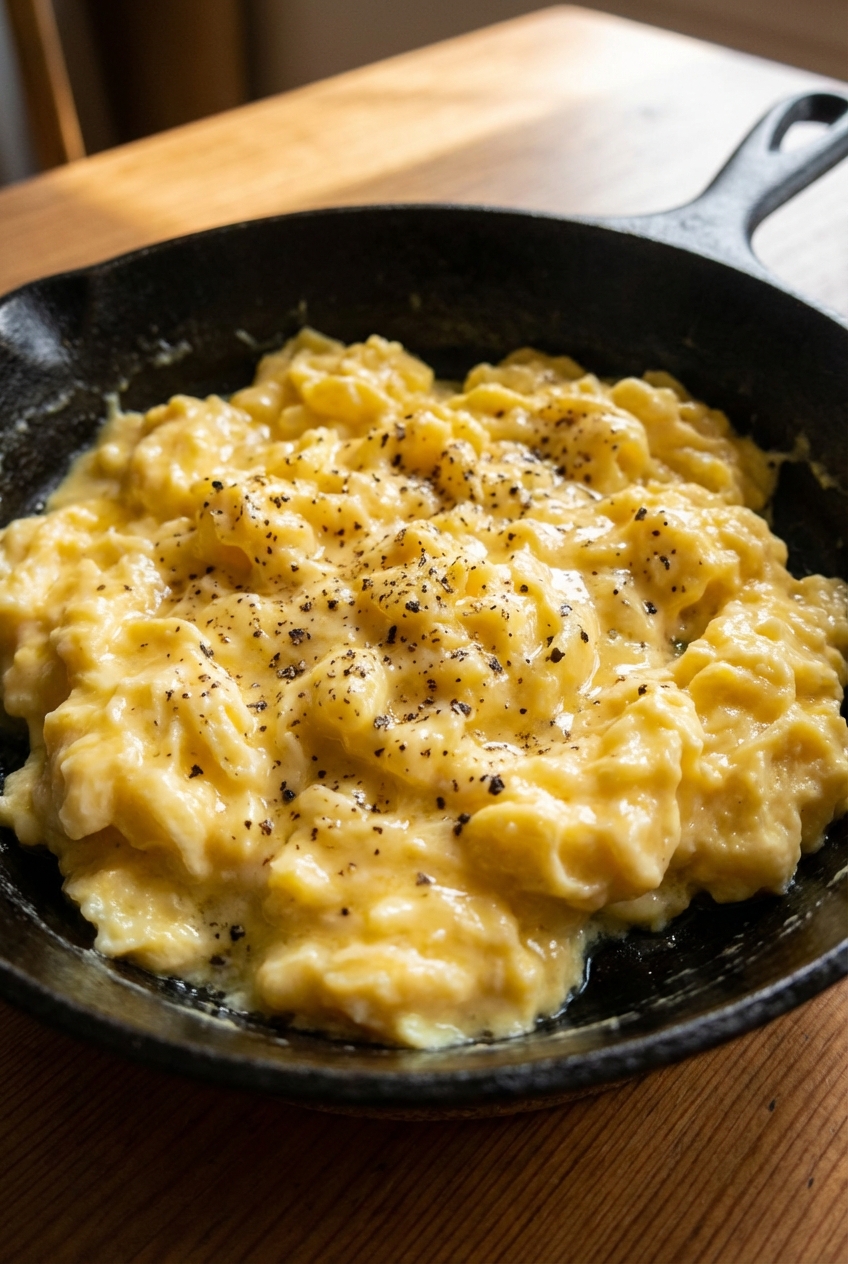
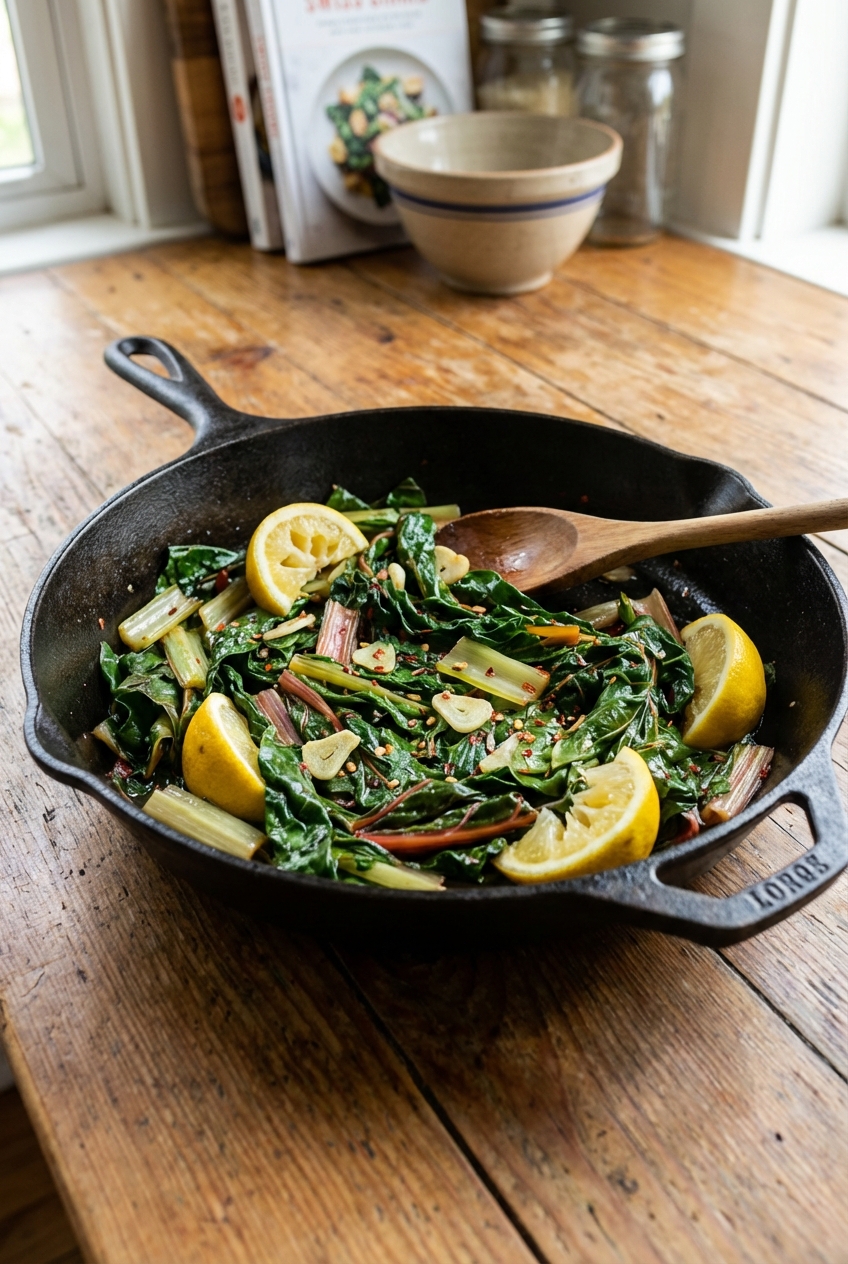
This classic yellow chard recipe is my favorite “feed me something warm” move. You sauté onion and chard until everything is soft and glossy, then fold in eggs so they stay light and fluffy, not dry and sad. It is comforting, a little nostalgic, and surprisingly bright when you finish with lemon.
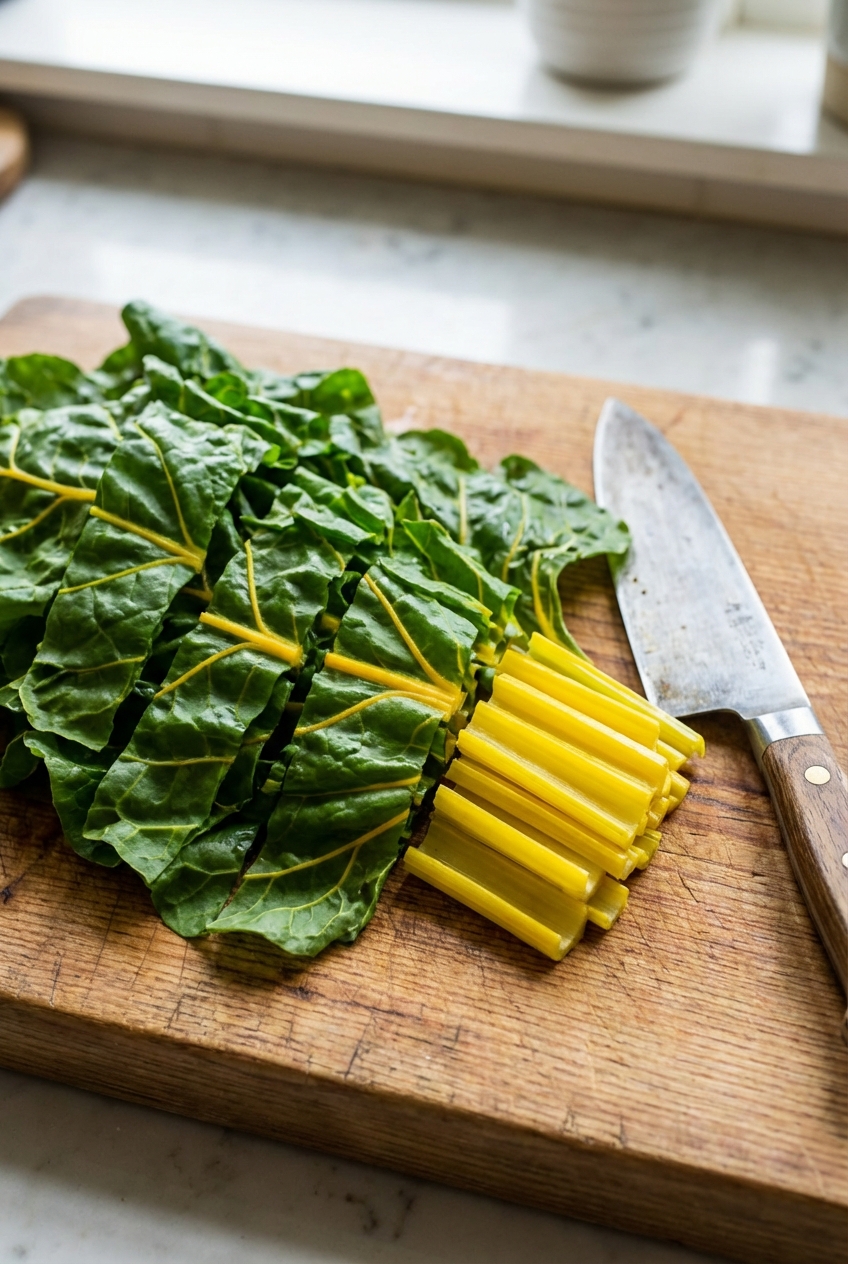
A cutting board with chopped yellow chard leaves and sliced yellow chard stems next to a chef's knife

Why It Works

  • Two-part chard prep: stems go in first because they take longer, leaves go in last so they stay tender, not mushy.
  • Fluffy eggs, not rubber: keep the heat at medium-low when the eggs hit the pan and pull them early. Residual heat finishes the job.
  • Big flavor from basics: onion, garlic, and a pinch of smoked paprika give a savory backbone without needing a long ingredient list.
  • Optional lemon finish: a small squeeze makes the whole skillet taste fresher and more “one more bite.”

Pairs Well With

  • Buttery Mashed Potatoes

  • Toasted Sourdough

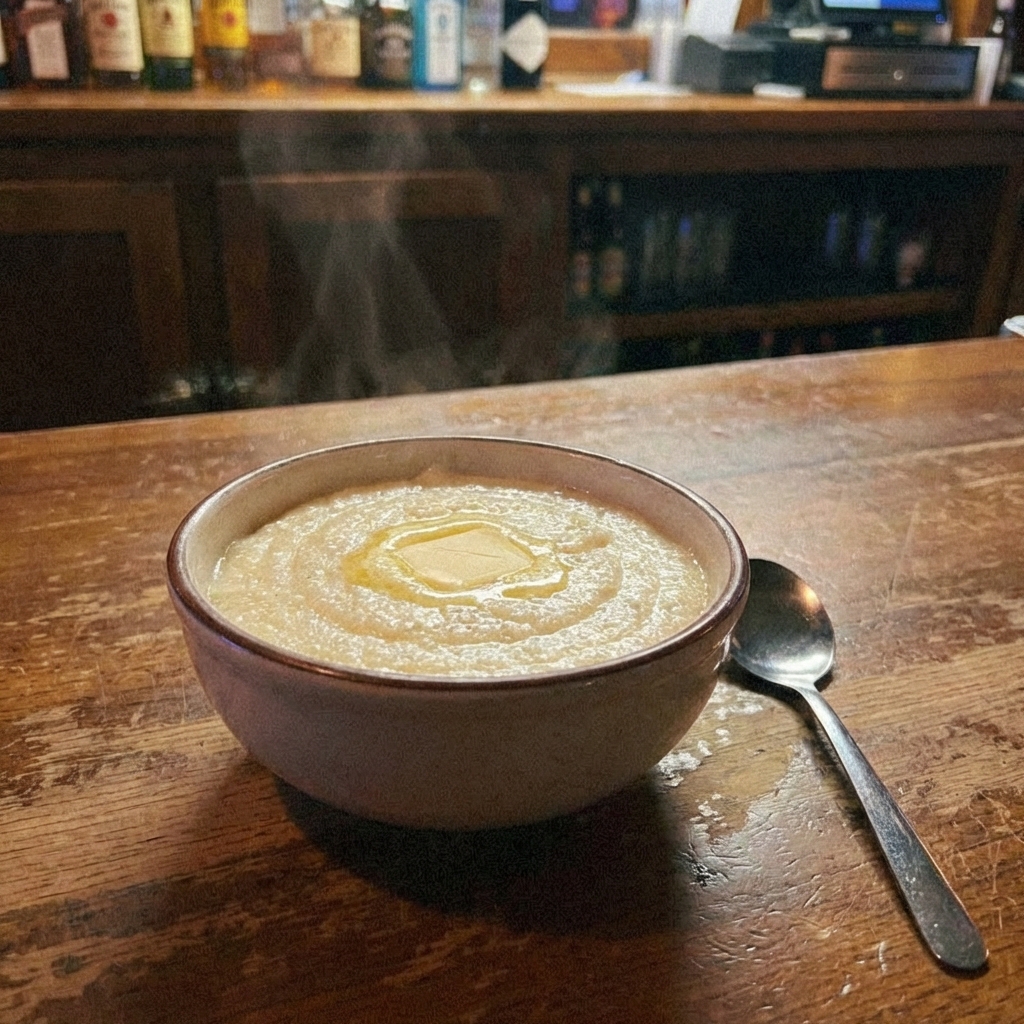
  • A pot of creamy grits with a pat of butter melting on top

    Creamy Southern Grits

  • A plate of roasted sweet potato wedges with paprika and herbs

    Roasted Sweet Potato Wedges

Storage Tips

This dish is best right off the stove because eggs are at their fluffiest in the first 10 minutes. That said, leftovers still make a solid breakfast taco situation.

Refrigerator

  • Cool completely, then store in an airtight container for up to 3 to 4 days.

Reheating

  • Skillet (best): warm on low with a tiny splash of water or milk, stirring gently until just heated through.
  • Microwave: 30 second bursts at 50 to 70 percent power, stirring in between. Stop early so the eggs do not toughen.

Freezing

  • I do not recommend freezing. Eggs + greens tend to weep and go a little spongy when thawed.

Common Questions

What is yellow chard?

Yellow chard is typically a type of Swiss chard with bright yellow (sometimes labeled “golden”) stems. The leaves cook like spinach, but they are slightly heartier and a bit earthier, in a good way.

Can I use rainbow chard or regular Swiss chard?

Absolutely. Any chard works here. Just treat the stems like a separate vegetable and cook them first.

How do I wash chard so it is not gritty?

Chard can hide sand in the ribs. I like to swish the leaves and stems in a big bowl of cold water, lift them out (do not pour the water out over them), drain, then repeat once if the bowl looks sandy.

Can I make it dairy-free?

Yes. Use olive oil instead of butter and swap the milk for unsweetened non-dairy milk or just skip it. The eggs will still be tender if you keep the heat gentle.

How do I keep the eggs fluffy?

Whisk well, cook on medium-low, and pull the pan when the eggs are still slightly glossy. The remaining heat finishes them without drying them out.

Is this a main dish or a side?

Both. It serves 2 as a main (hello, toast) or 4 as a side. It is great next to roasted chicken, salmon, or beans.

Any easy add-ins?

Totally. Finish with feta, goat cheese, or parmesan, or add chopped herbs like dill or parsley. If you do not have smoked paprika, swap in sweet paprika or a pinch of chili powder.

The first time I cooked chard at home, I treated it like spinach and threw everything in at once. The leaves were fine, but the stems were still doing their own crunchy thing. Lesson learned. Now the stems go in first, the onion gets sweet, and the leaves only cook long enough to wilt. When the eggs go in, it turns into this soft, savory skillet that feels like something a good line cook would eat standing over the stove, except you get to sit down and actually enjoy it.