
Mom's Best Recipes
Recipe

Clove Tea

A warm, aromatic clove tea with gentle spice and optional citrus, sweetened to taste.

Author By Matt Campbell
4.8
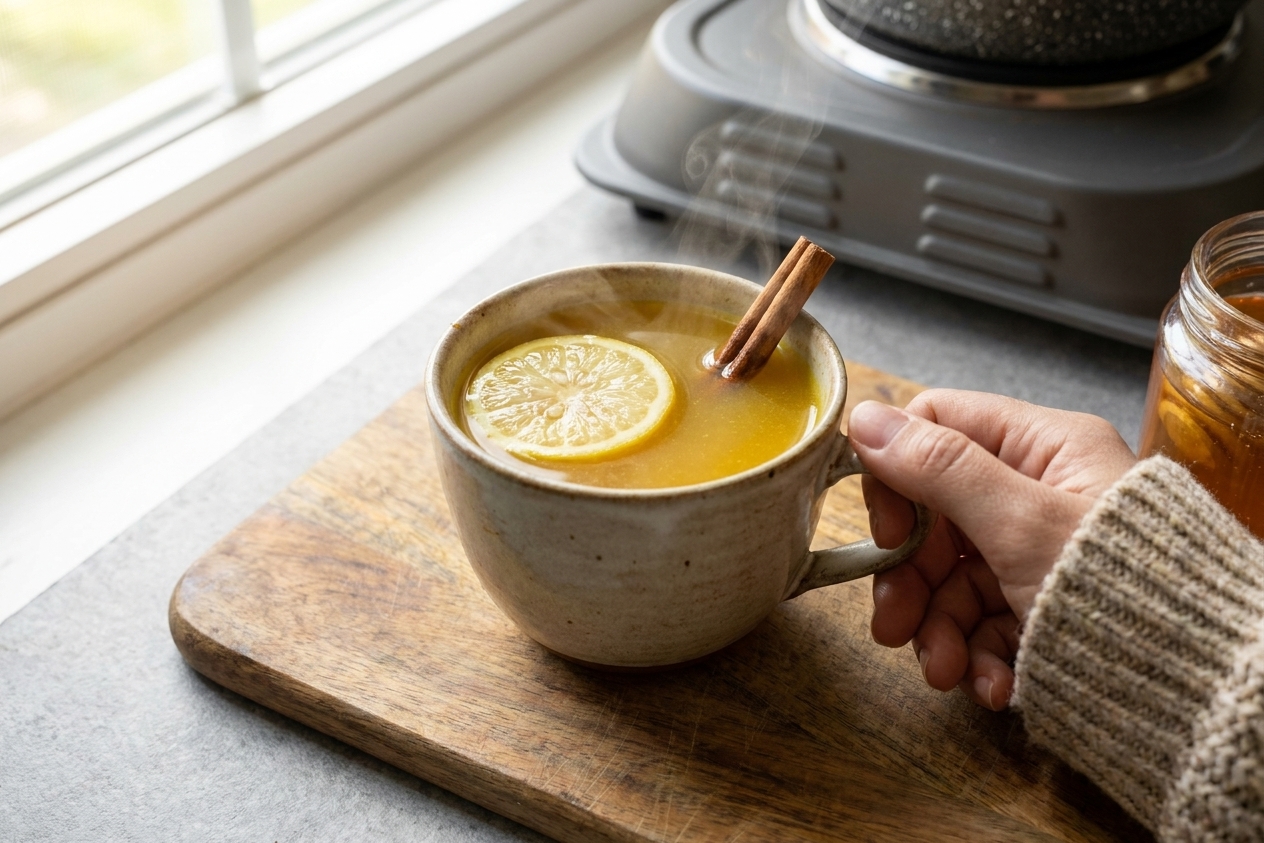
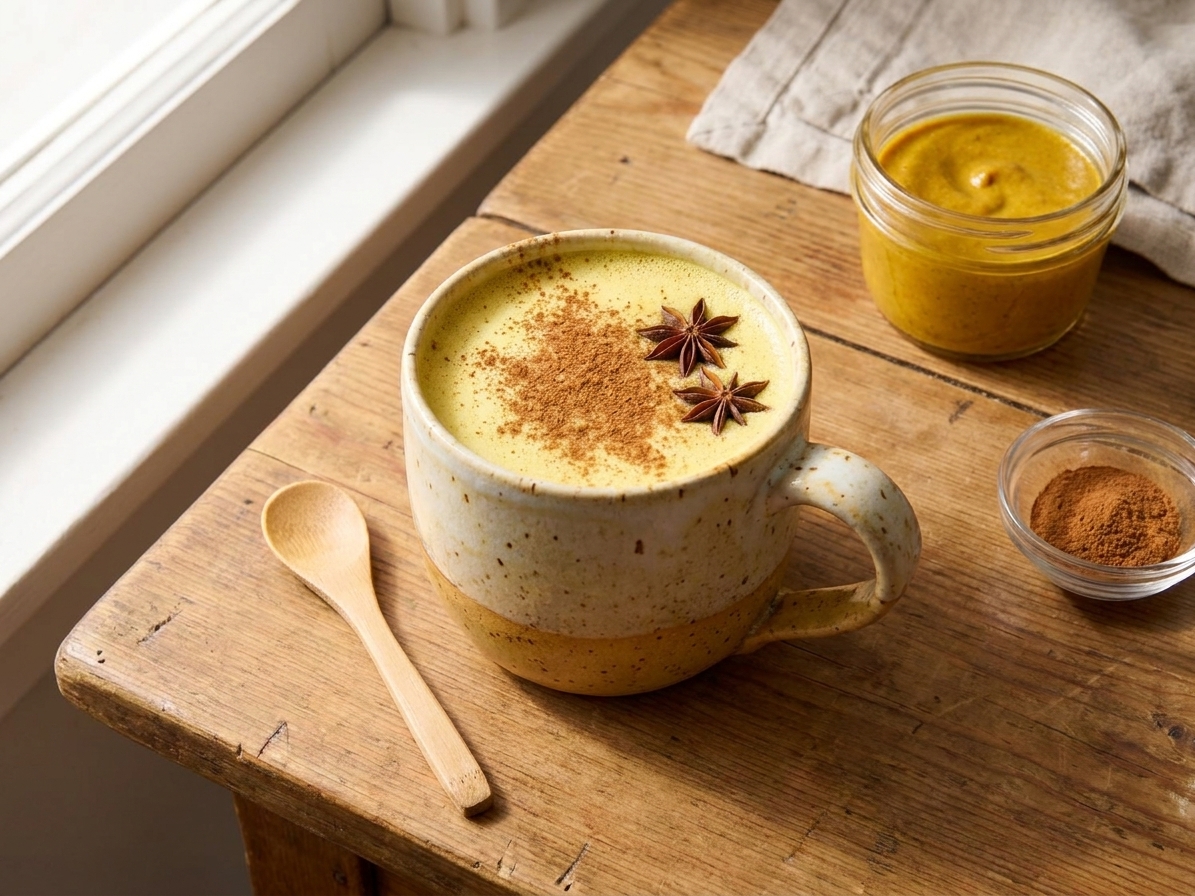
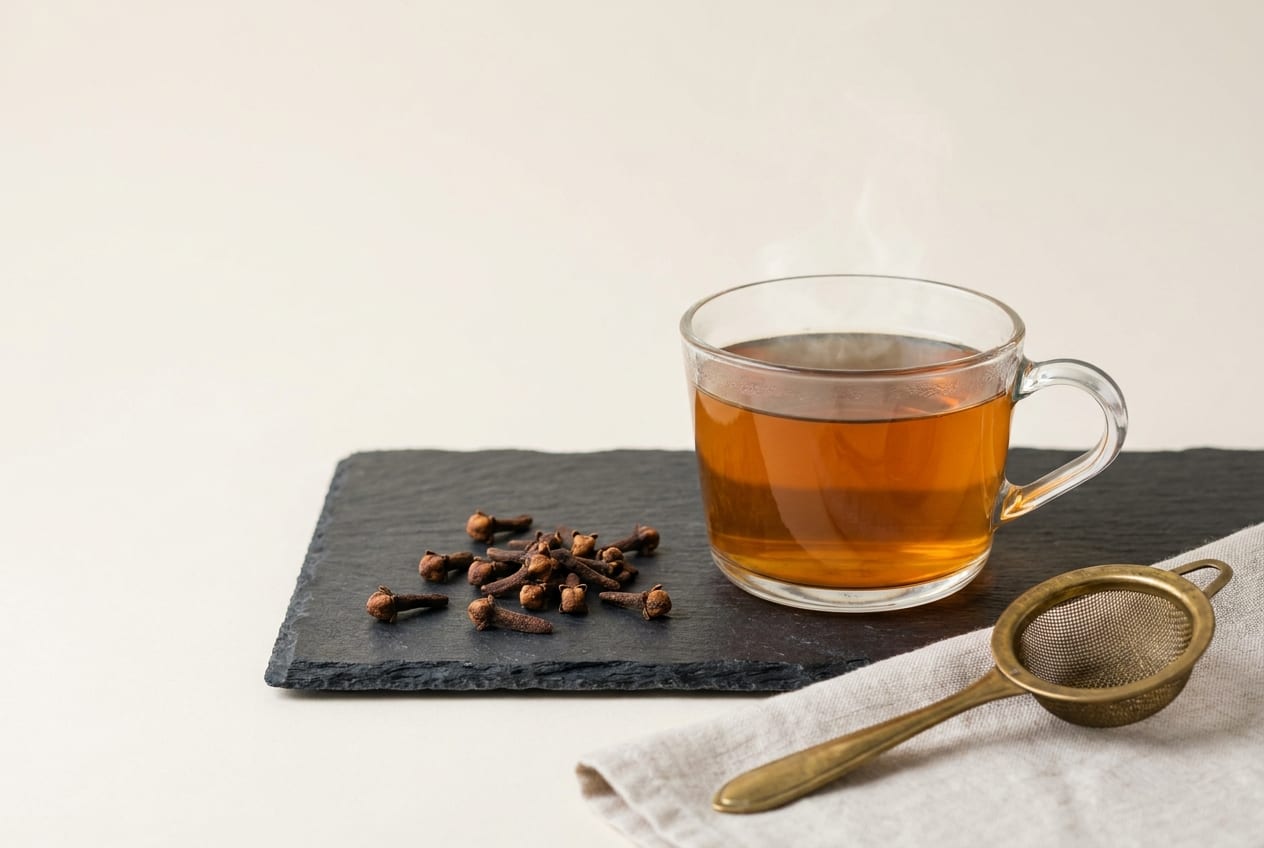
A steaming mug of clove tea on a wooden kitchen table with visible whole cloves and a small cinnamon stick nearby, warm natural window light

Clove tea is the kind of drink that makes your kitchen smell like you have your life together, even if the sink is full and you are wearing the same hoodie as yesterday. It is warm, gently spicy, and surprisingly bright if you hit it with a little citrus.

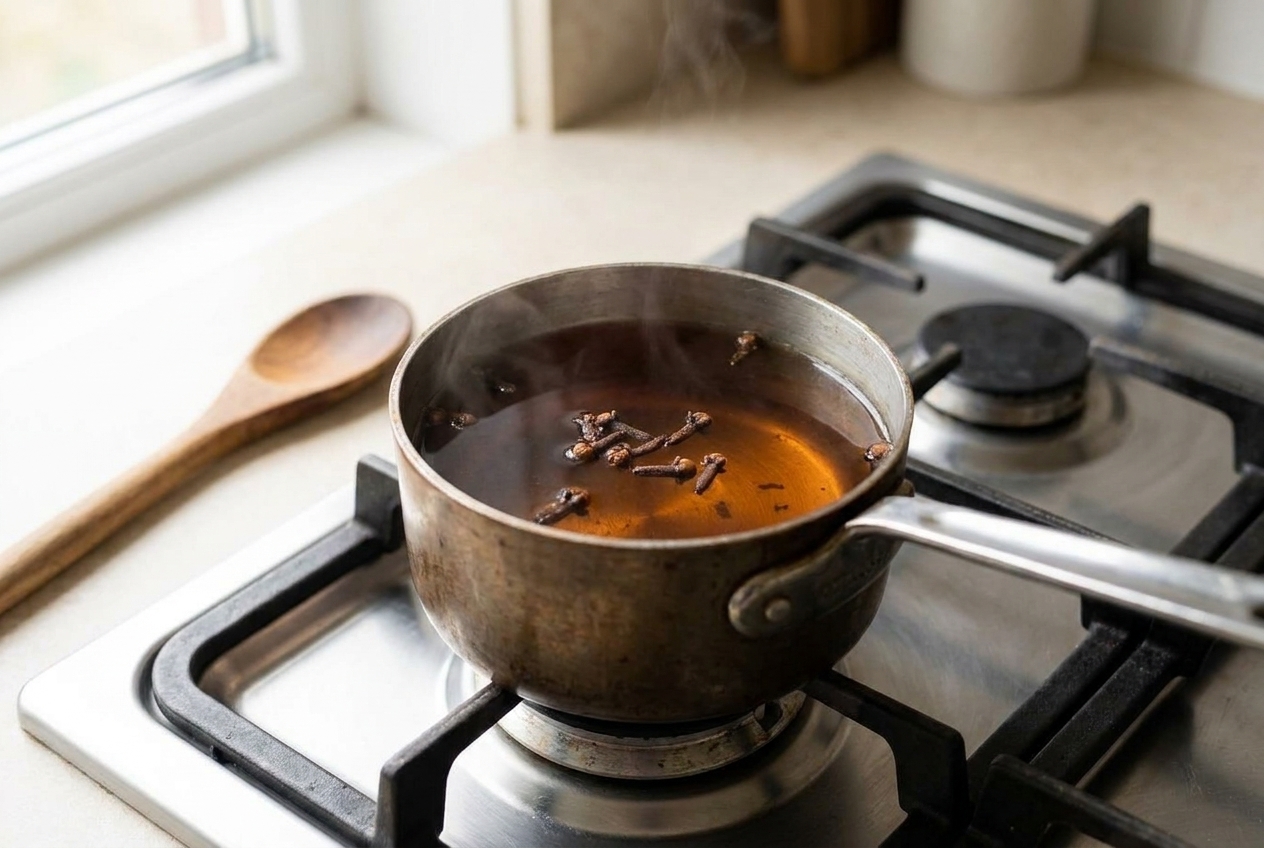
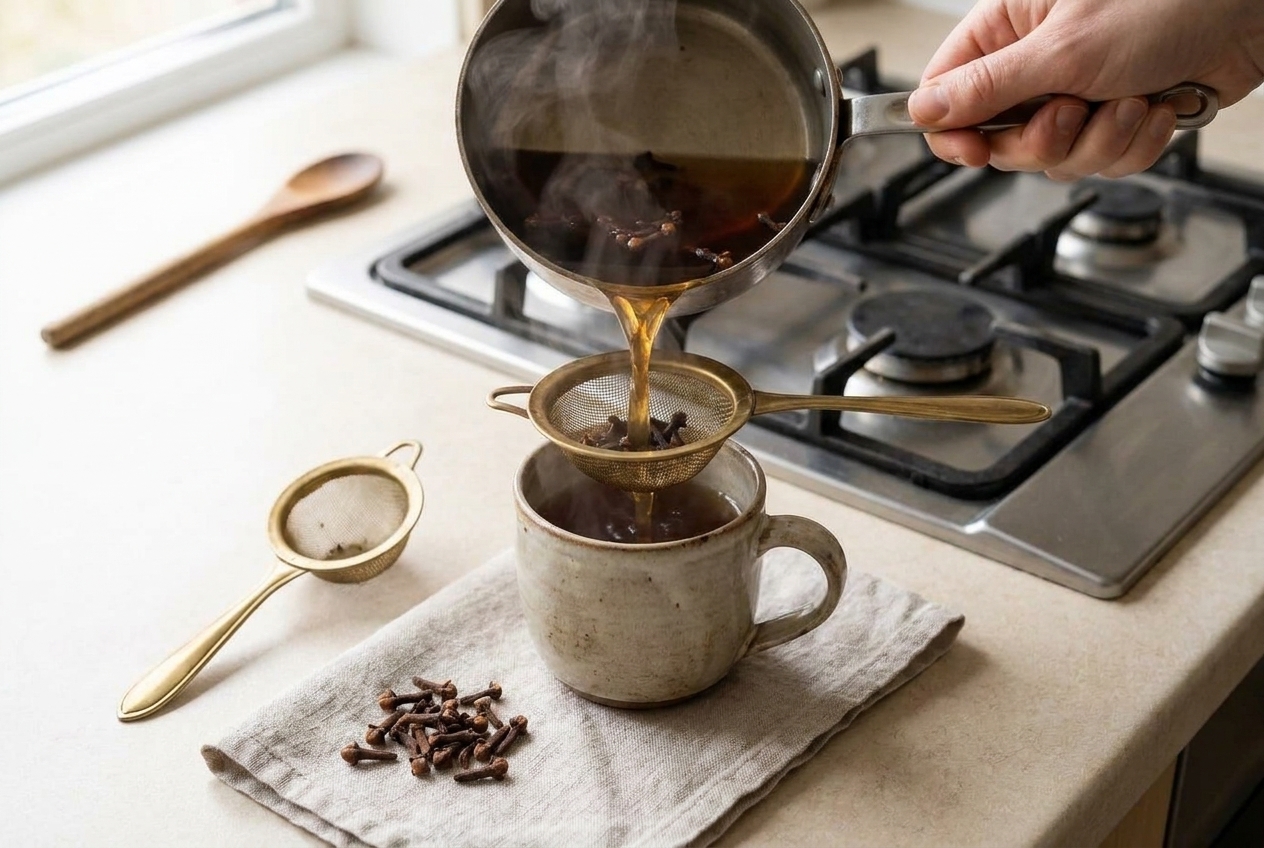
This recipe is intentionally simple: whole cloves simmered just long enough to bloom their aroma, then strained into a mug and sweetened how you like. Think cozy, not complicated. Also, yes, you should taste as you go. Cloves can go from “mmm” to “whoa” faster than you think.

Bonus: as written (no black tea bag), it is naturally caffeine-free.
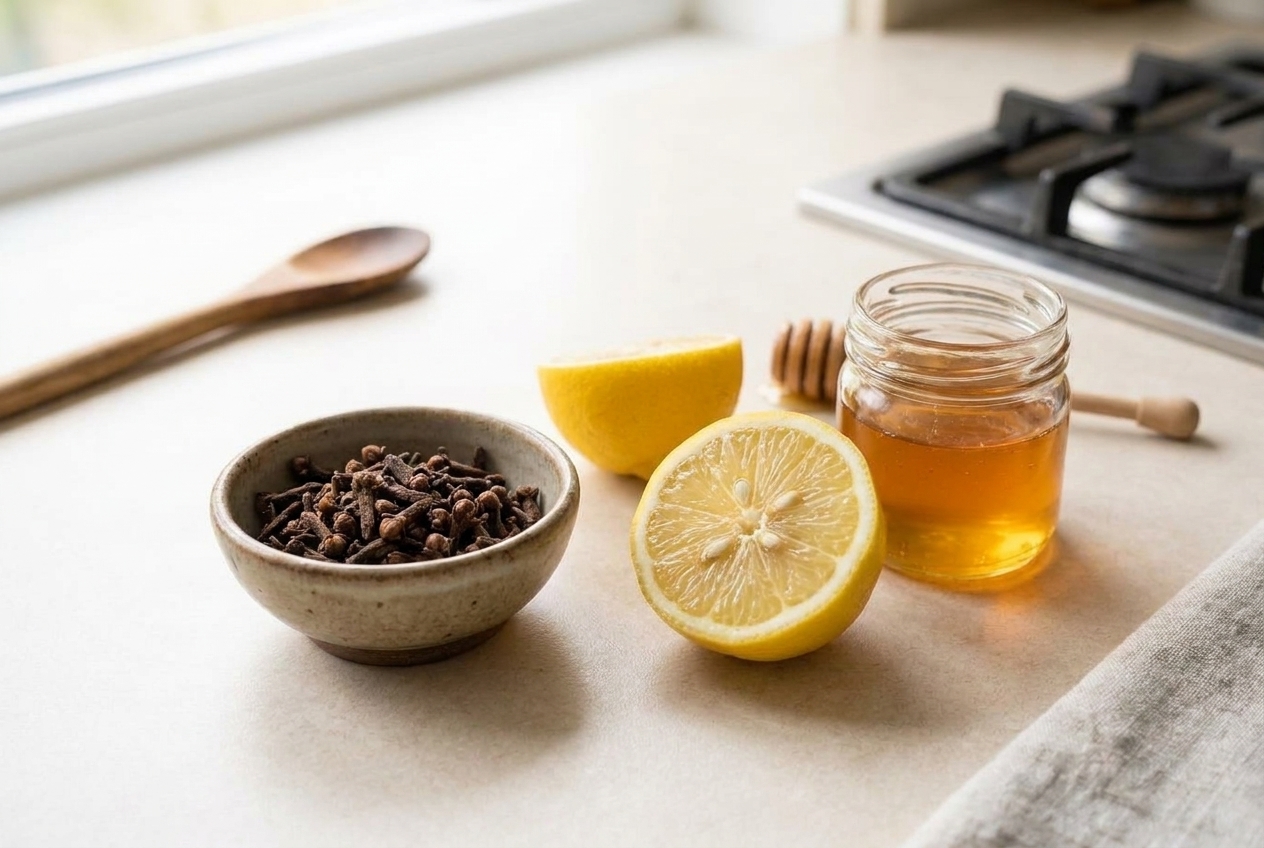
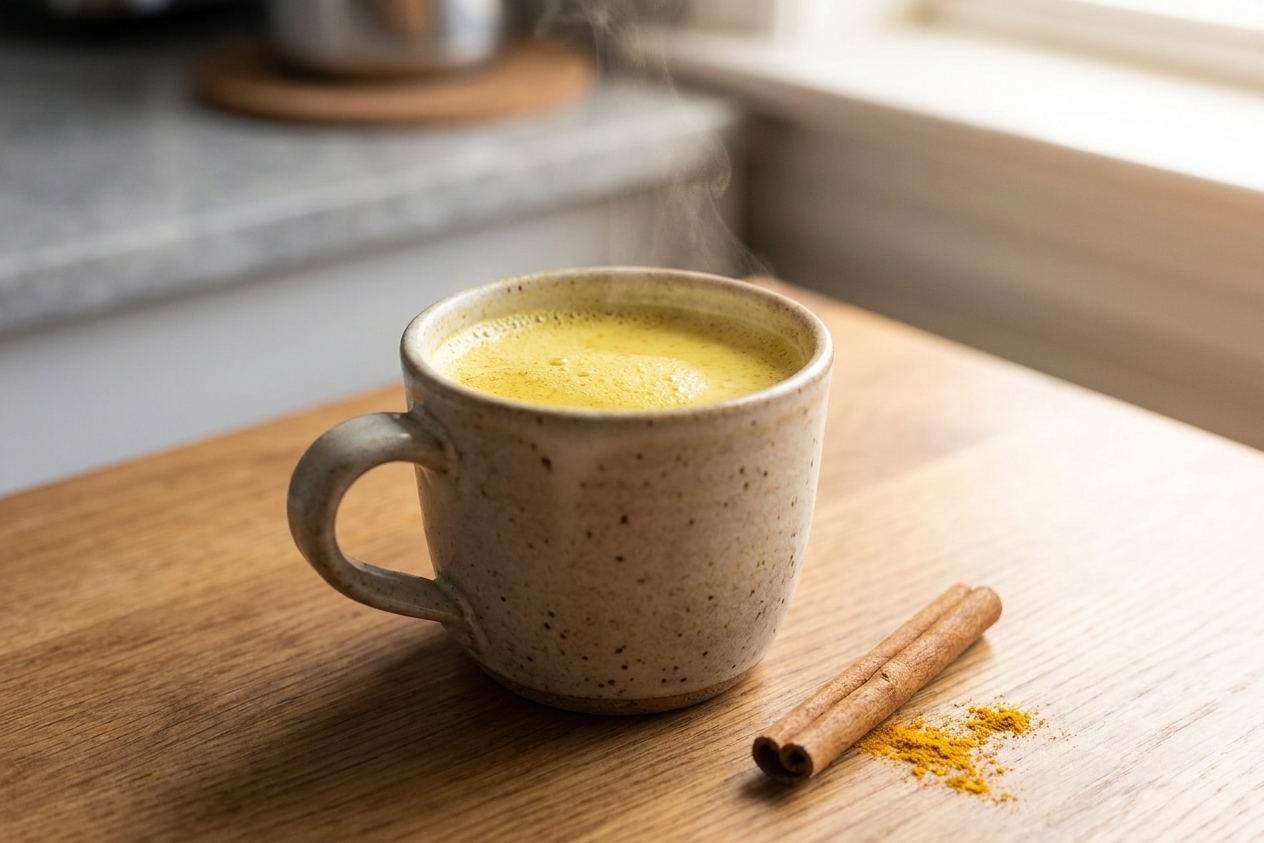
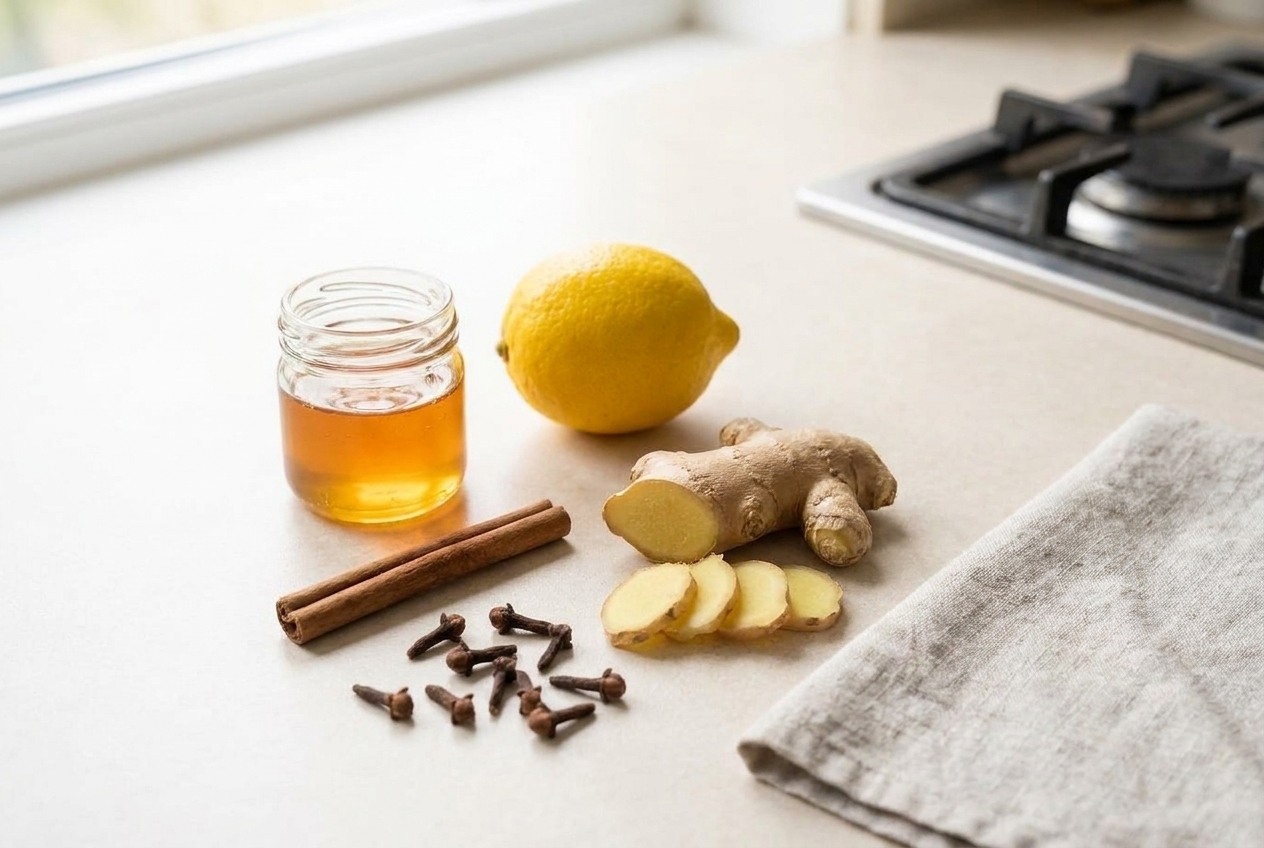
Whole cloves in a small bowl beside a halved lemon and a jar of honey on a light kitchen counter

Why It Works

  • Big aroma, low effort: A quick simmer pulls out clove’s warm spice without needing tea bags.
  • Easy to customize: Keep it straight clove, or add cinnamon, ginger, orange peel, or black tea for more backbone.
  • Balanced flavor: A short simmer plus a short steep keeps the tea fragrant instead of bitter or numbing.
  • Friendly pantry ingredients: If you have whole cloves and water, you are already most of the way there.

Pairs Well With

Storage Tips

Fridge: Cool the tea, refrigerate promptly, then store in a sealed jar for up to 3 days. The clove flavor gets stronger as it sits, so you may want to dilute with a splash of hot water when reheating.

Reheat: Warm gently on the stove over low heat or microwave in 30-second bursts. Avoid a hard boil or the flavor can turn harsh.

Make it iced: Chill, pour over ice, add lemon, and sweeten again if needed. Clove tea over ice is unexpectedly refreshing.

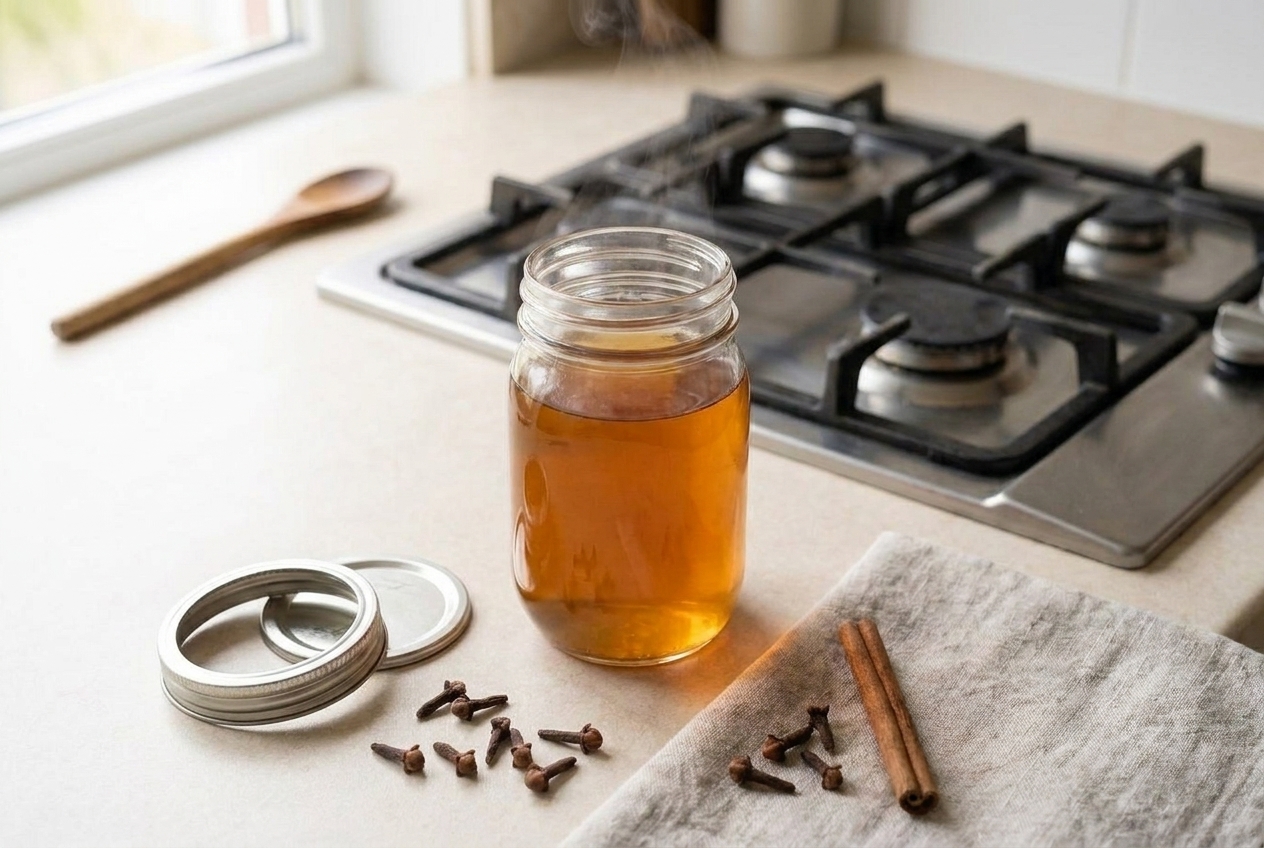
A glass mason jar filled with amber clove tea resting on a kitchen counter, with a metal lid placed beside it

Common Questions

How many cloves should I use per cup?

A good starting point is 6 to 8 whole cloves per 1 cup (8 ounces) of water. If you love a stronger, more chai-like spice, go up to 10. If you are clove-shy or it is your first time, start with 4 to 5 because clove strength can vary a lot from jar to jar.

Can I use ground cloves?

You can, but it is harder to strain and easier to overdo. If ground cloves are all you have, use 1/16 to 1/8 teaspoon per cup, simmer briefly, then strain through a coffee filter or fine cloth for a smoother sip.

Why does my clove tea taste bitter or too intense?

Usually it simmered too long or used too many cloves. Next time, keep the simmer to about 10 minutes and steep off heat for just a few minutes. You can also fix a strong batch by adding more hot water and a squeeze of lemon.

Can I add black tea or milk?

Yes. For a stronger, tea-forward drink, steep 1 black tea bag in the finished clove tea for 3 to 5 minutes. For a latte vibe, add a splash of warm milk or oat milk and sweeten with honey.

Is clove tea safe for everyone?

In normal food amounts, cloves are generally fine for most people. Cloves contain eugenol, which may have mild blood-thinning (antiplatelet) effects. If you are pregnant, nursing, have a bleeding disorder, take anticoagulants or antiplatelet meds, or have liver disease, check with a clinician first, especially if you plan to drink it often or make it very strong. Also, do not use clove essential oil in drinks.

I started making clove tea during one of those weeks where I wanted something comforting but did not want a project. I had whole cloves sitting in the back of the spice drawer, and five minutes later my kitchen smelled like warm holidays and good intentions. Now it is my go-to when I want a cozy drink that feels a little special without needing a cabinet full of fancy tea blends.