What is pibil, exactly?
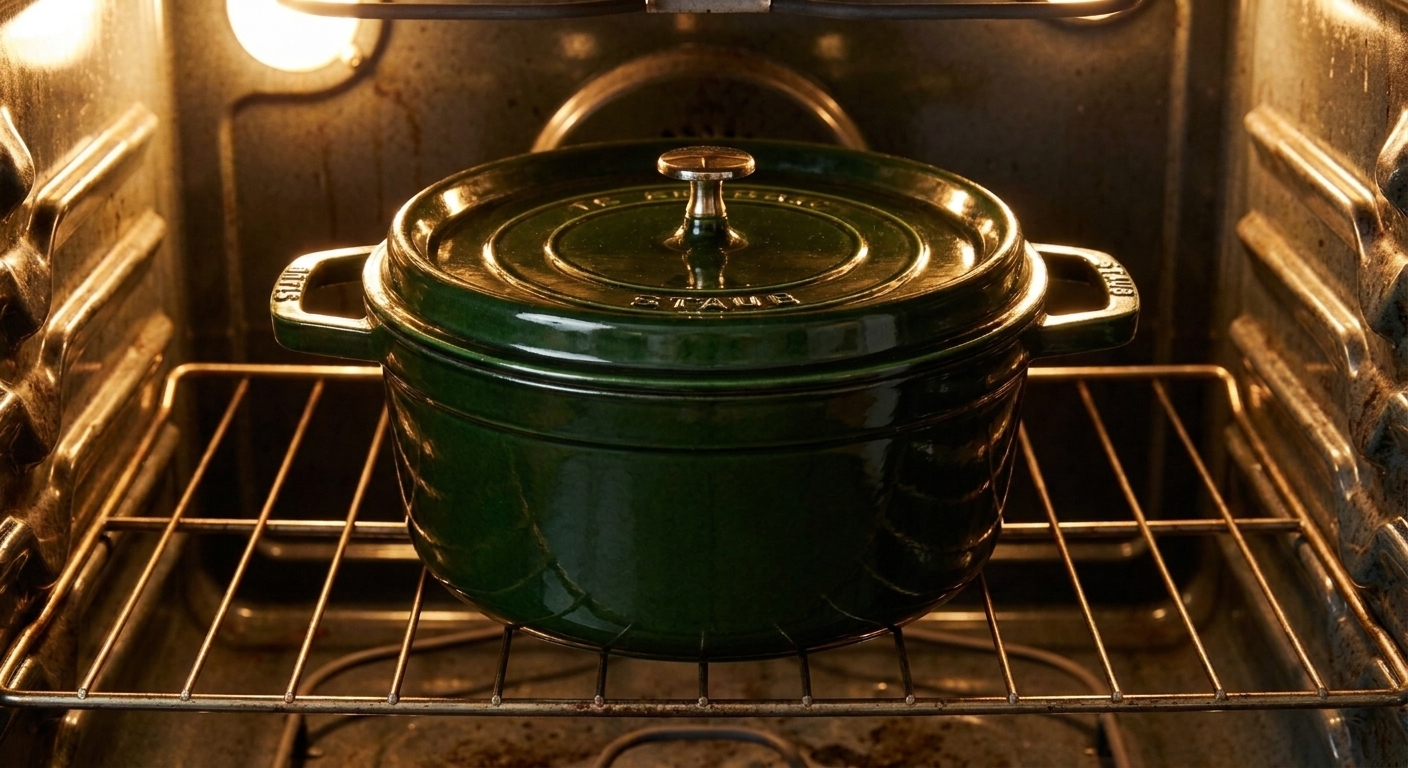
Píib (often written pib) is the traditional Yucatán pit oven. Pibil generally refers to food cooked in, or in the style of, that pit: wrapped and slow-cooked until deeply seasoned and tender. The home version keeps the same flavor profile and low-and-slow method, just using your oven (or slow cooker).
Do I need banana leaves?
No. Banana leaves add a subtle herbal aroma and help hold in moisture, but you can make excellent cochinita pibil without them. If you do find them (often frozen at Latin markets), rinse or wipe them clean and briefly warm them so they are pliable (pass over a burner flame for a few seconds per side, or steam for a minute).
What can I use if I cannot find sour orange juice?
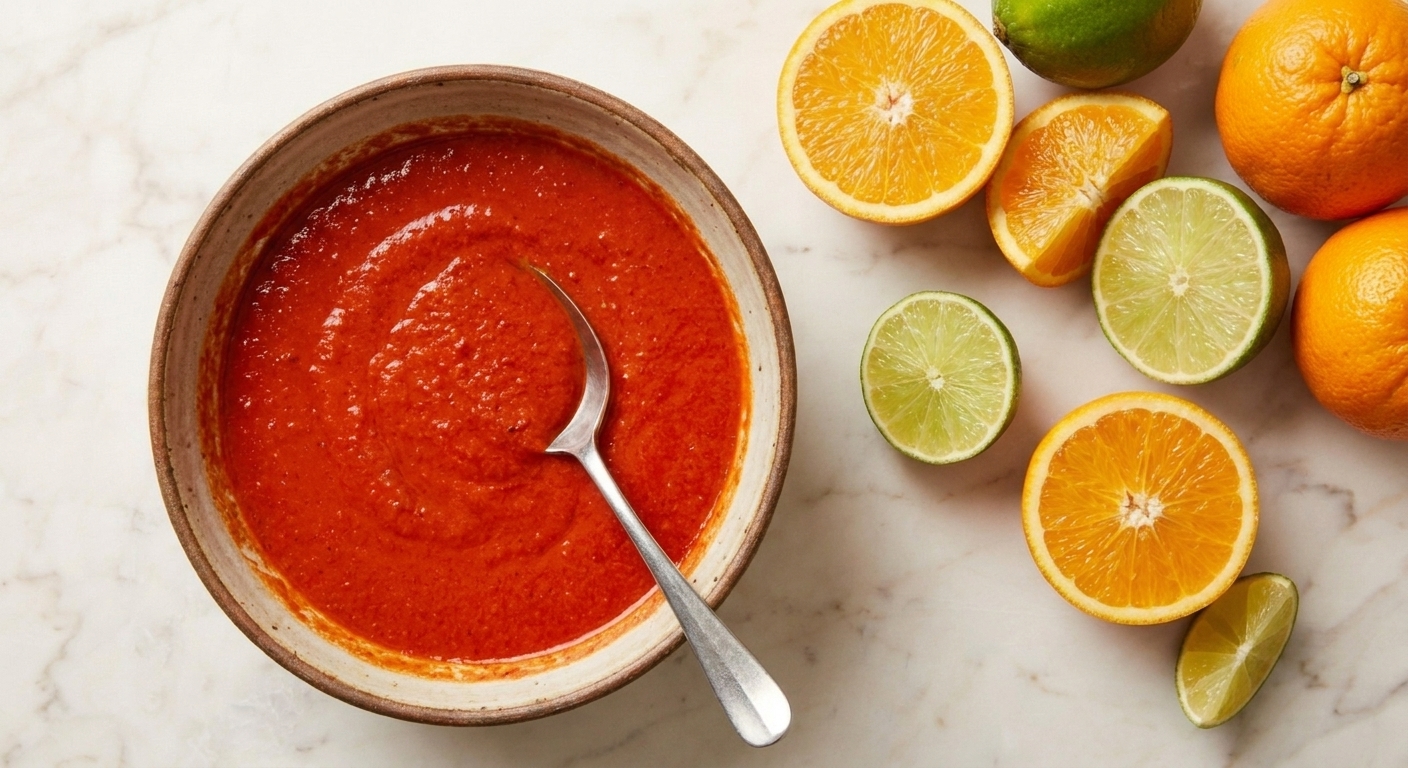
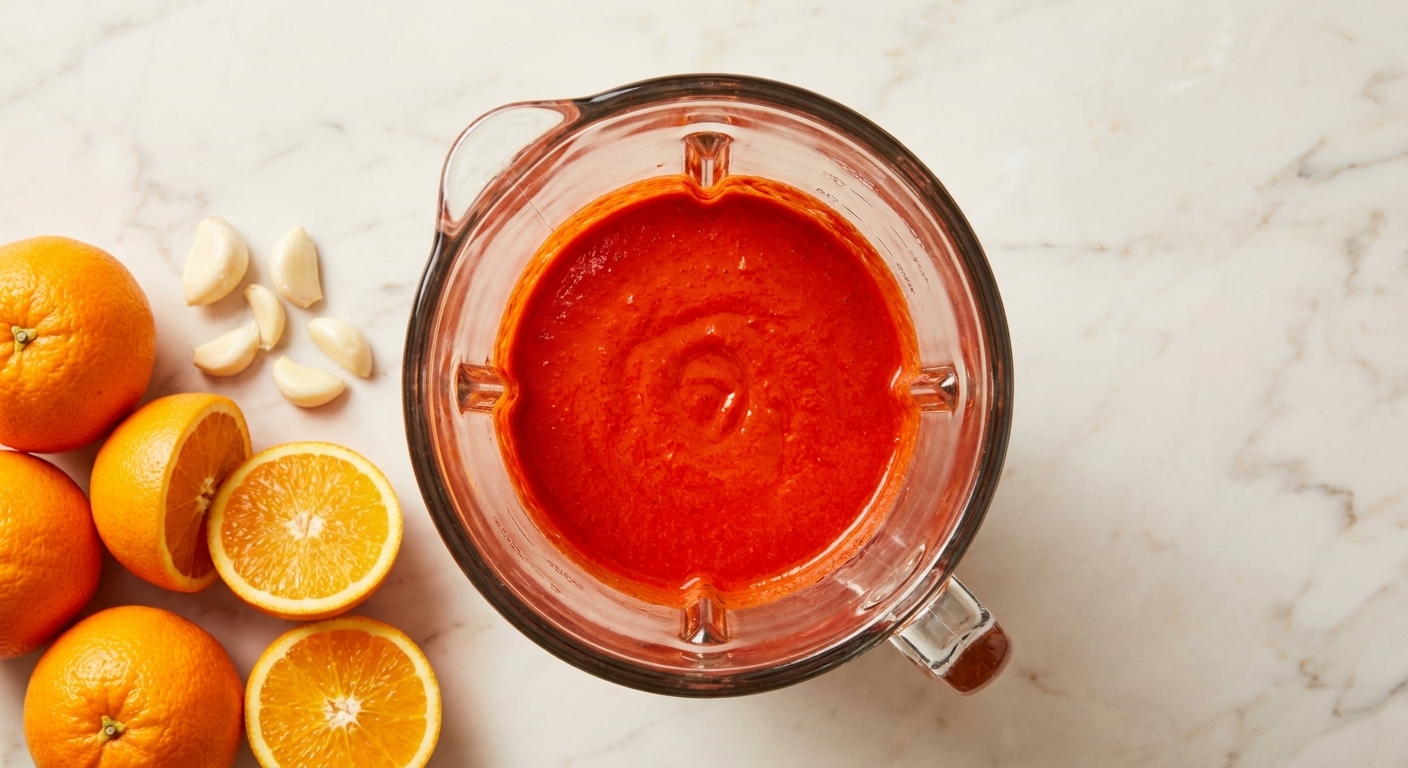
Classic cochinita pibil uses sour orange. At home, one common substitute is 2 parts orange juice + 1 part lime juice. Some cooks also add a splash of grapefruit for extra bite, but orange plus lime gets you in the right tangy lane.
Is achiote paste the same as achiote powder?
Not quite. Achiote paste (often sold as a brick) is annatto plus spices, salt, and sometimes vinegar. Achiote powder is more like ground annatto. For this dish, achiote paste gives the best flavor and texture for the marinade.
Can I make this in a slow cooker or Instant Pot?
Slow cooker: Yes. Cook on low 8 to 9 hours or high 4 to 5 hours, until it shreds easily.
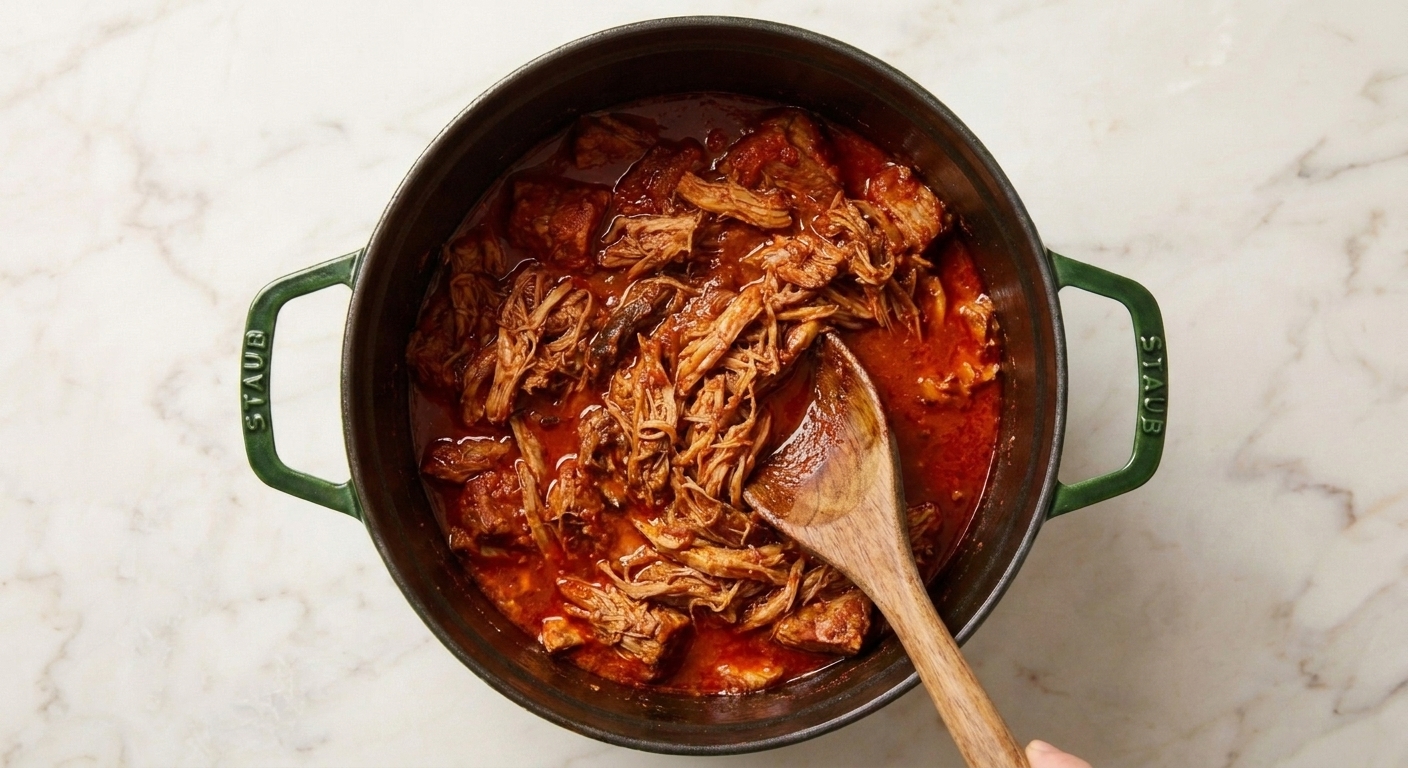
Instant Pot: Yes. Pressure cook about 55 to 65 minutes on high (depending on chunk size and how full the pot is), then natural release 15 minutes. You are looking for pork that shreds easily with a fork. Reduce juices on sauté if you want it thicker.
How do I know when it is done?
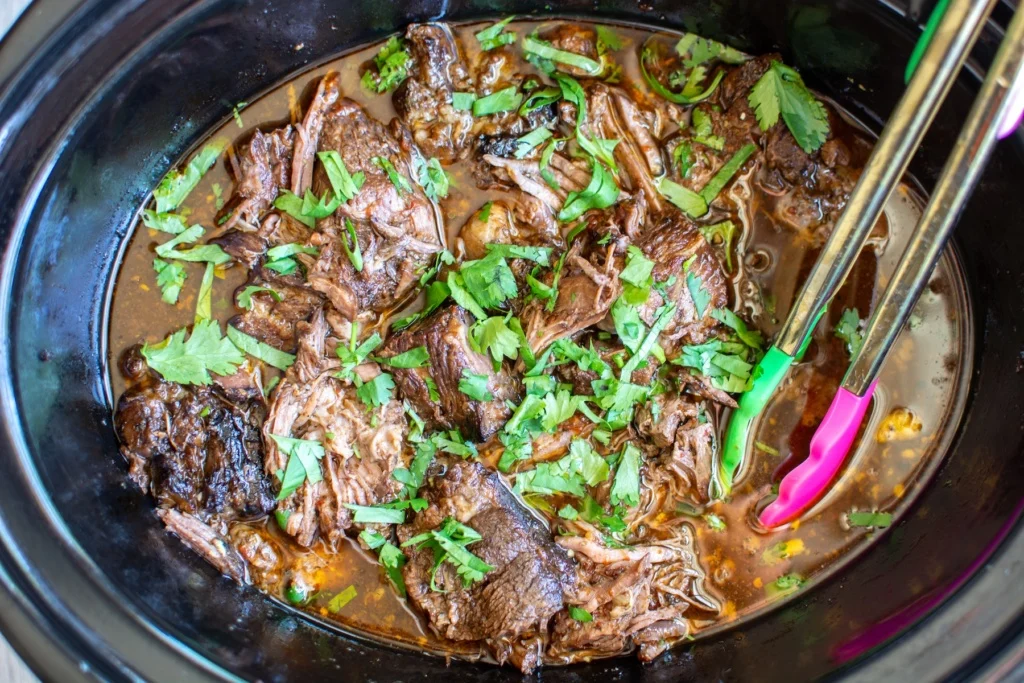
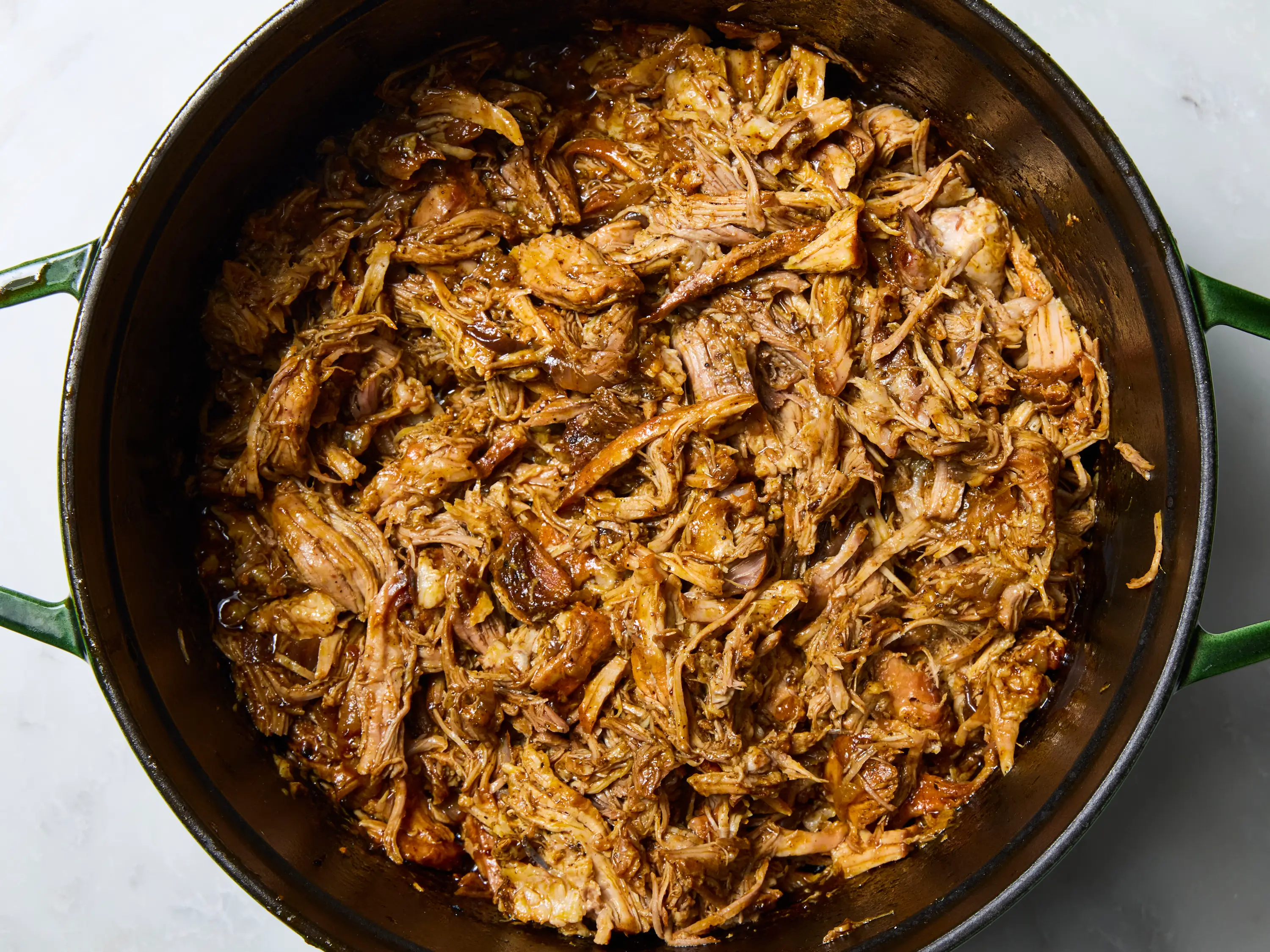
Pork is food-safe at 145°F, but it will not shred well there. For that fall-apart texture, aim for pork shoulder that hits roughly 195 to 205°F and shreds easily.
What should I serve with cochinita pibil?
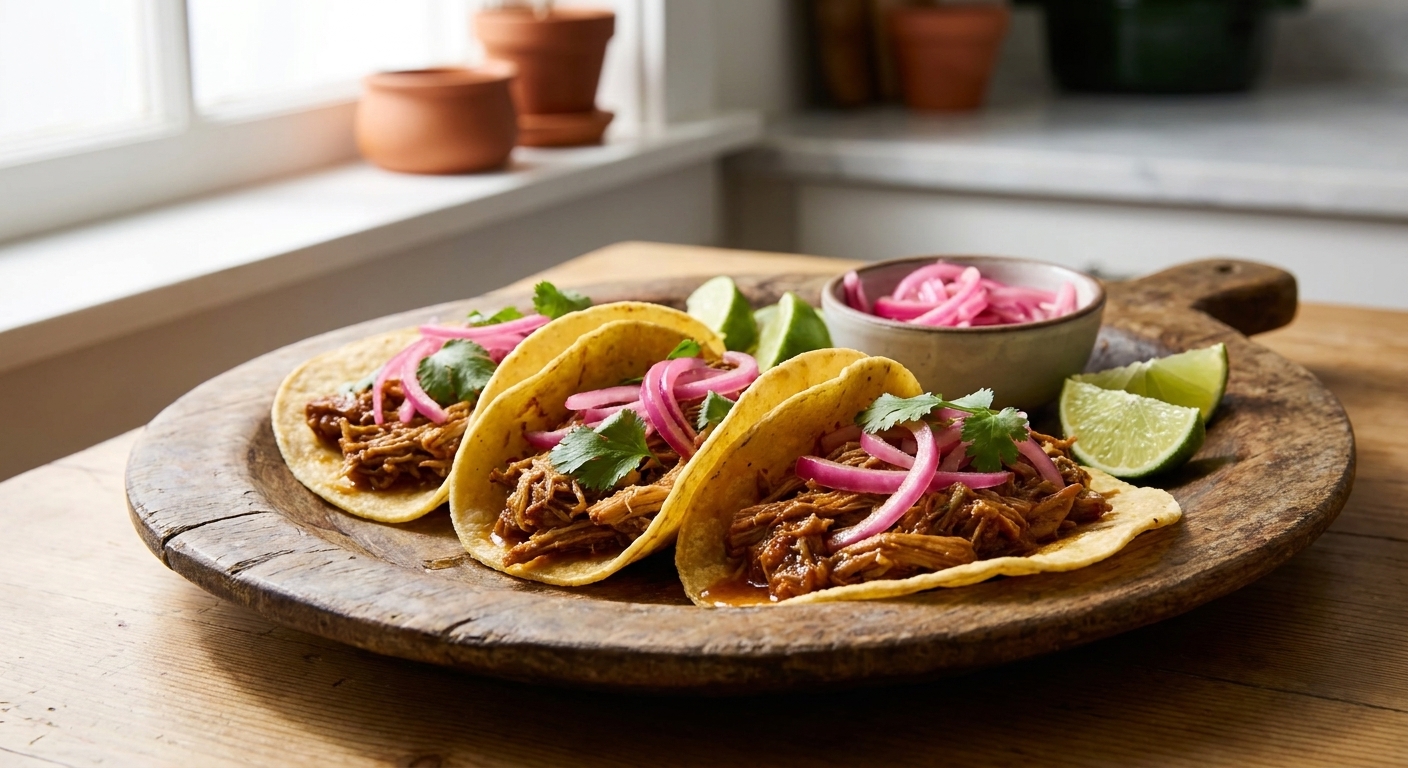
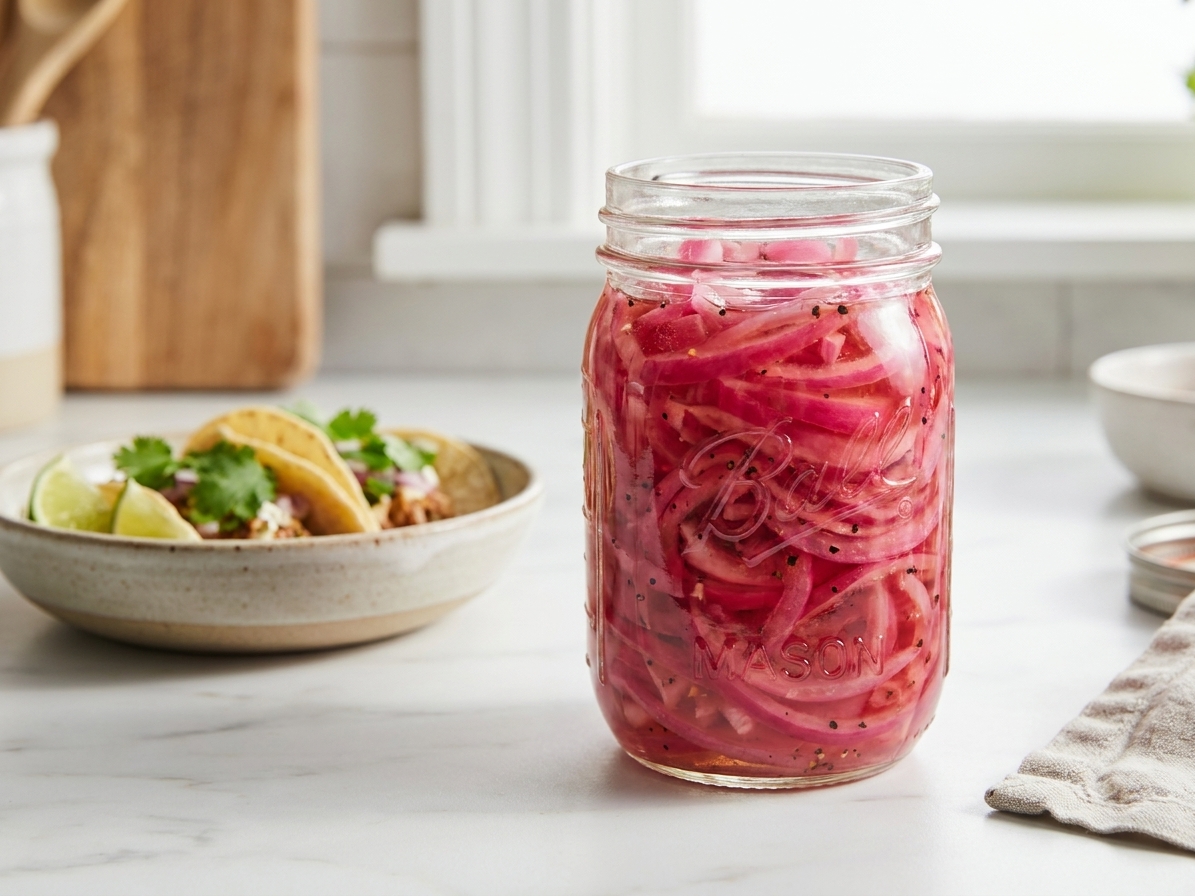
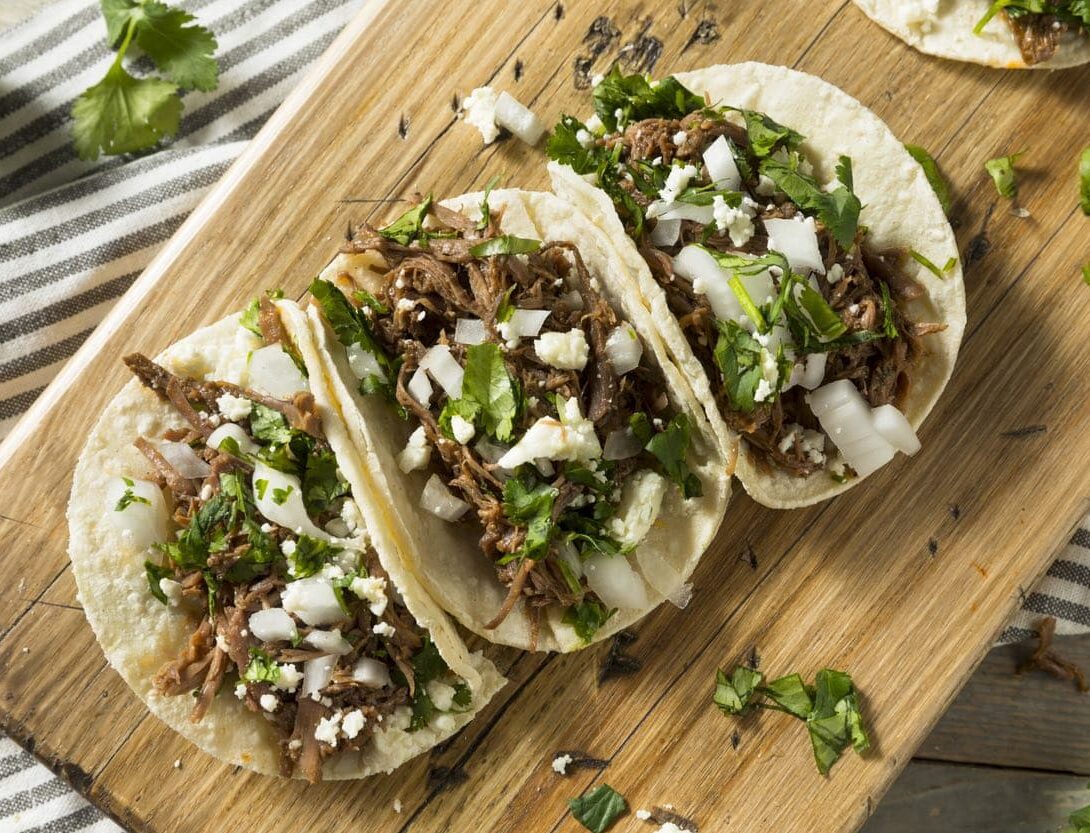
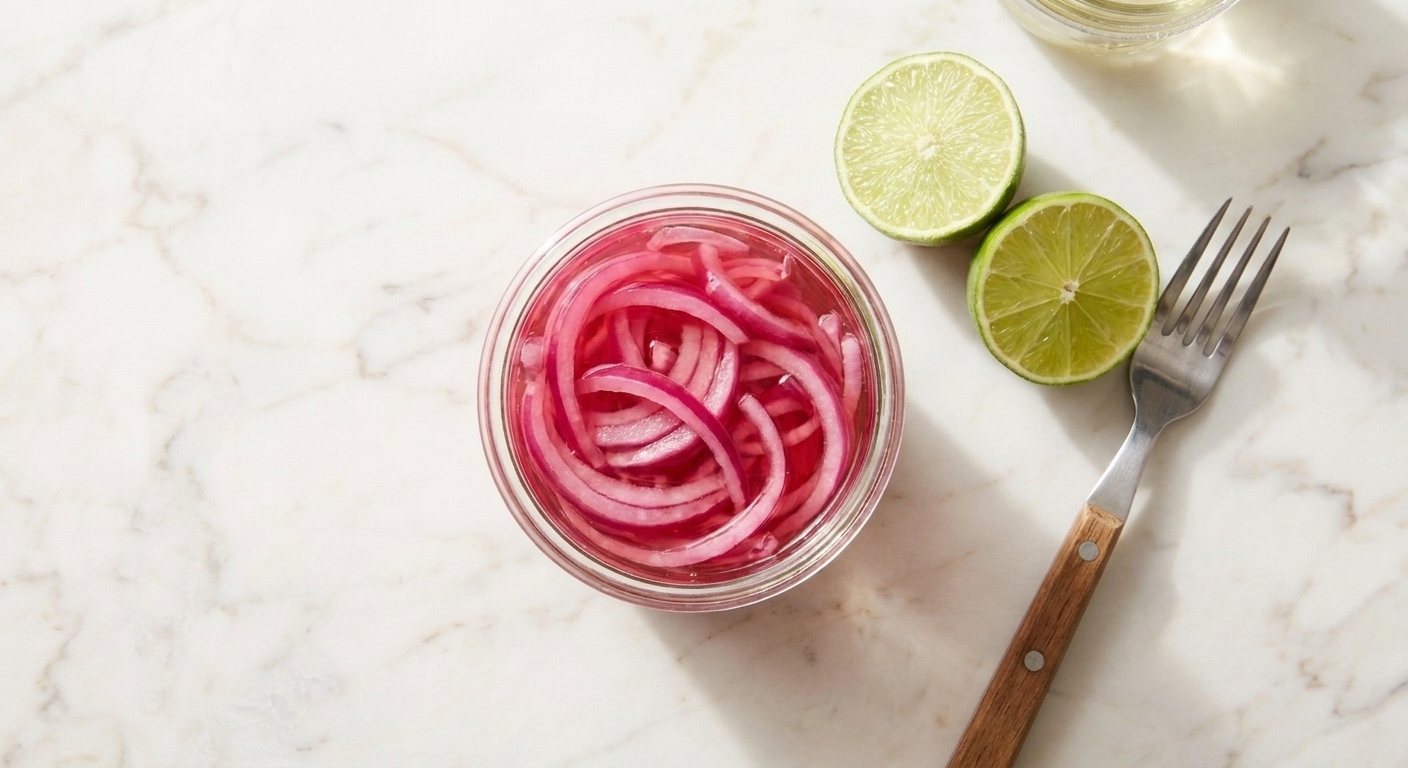
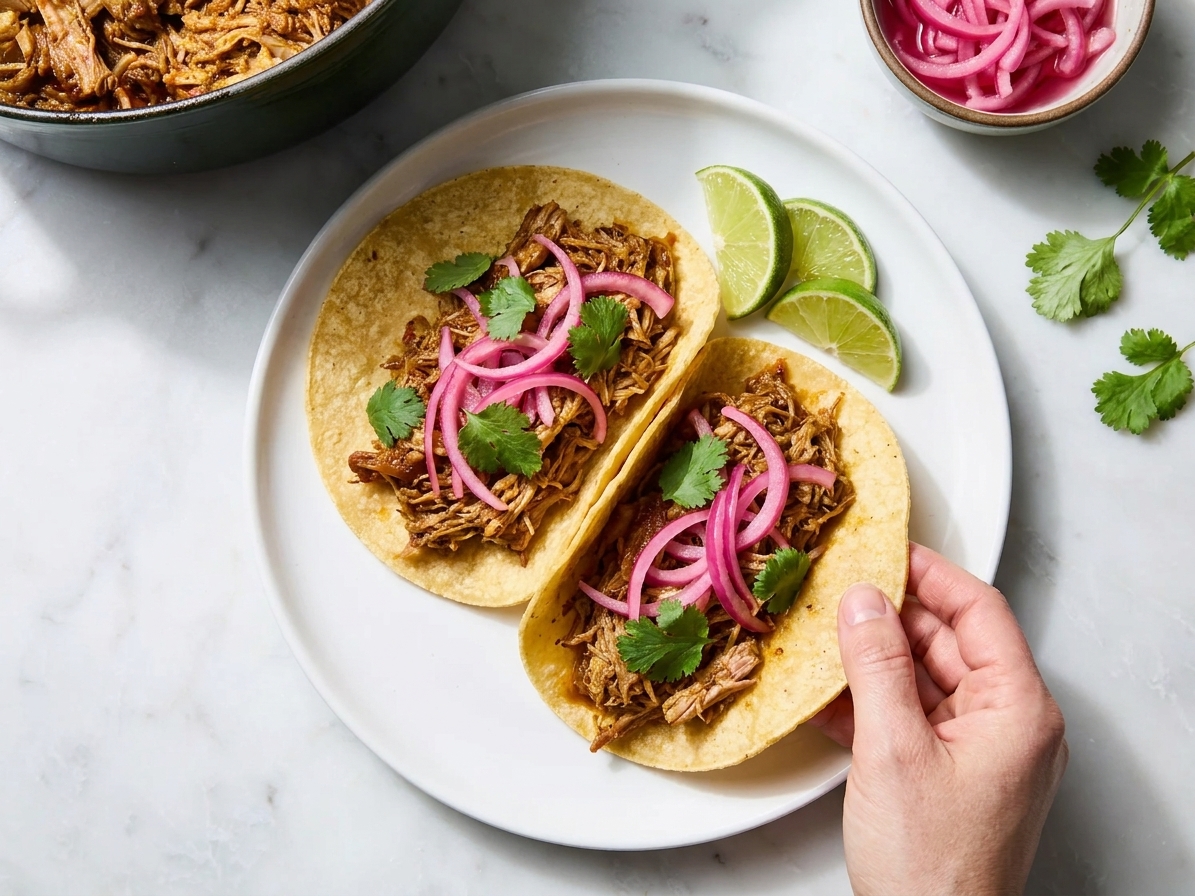
Warm tortillas, pickled red onions, cilantro, and a squeeze of lime are my musts. It is also great with rice, black beans, avocado, or a crunchy cabbage slaw.