Is coco pudding the same as chocolate pudding?
Pretty much. “Coco” usually points to cocoa powder as the main chocolate flavor. Using a good unsweetened cocoa (natural or Dutch-process) makes all the difference.
Can I use Dutch-process cocoa?
Yes. Dutch-process will taste smoother and less sharp. Natural cocoa tastes a little brighter. Both work here because the thickening comes from cornstarch, not baking soda chemistry.
Why did my pudding turn lumpy?
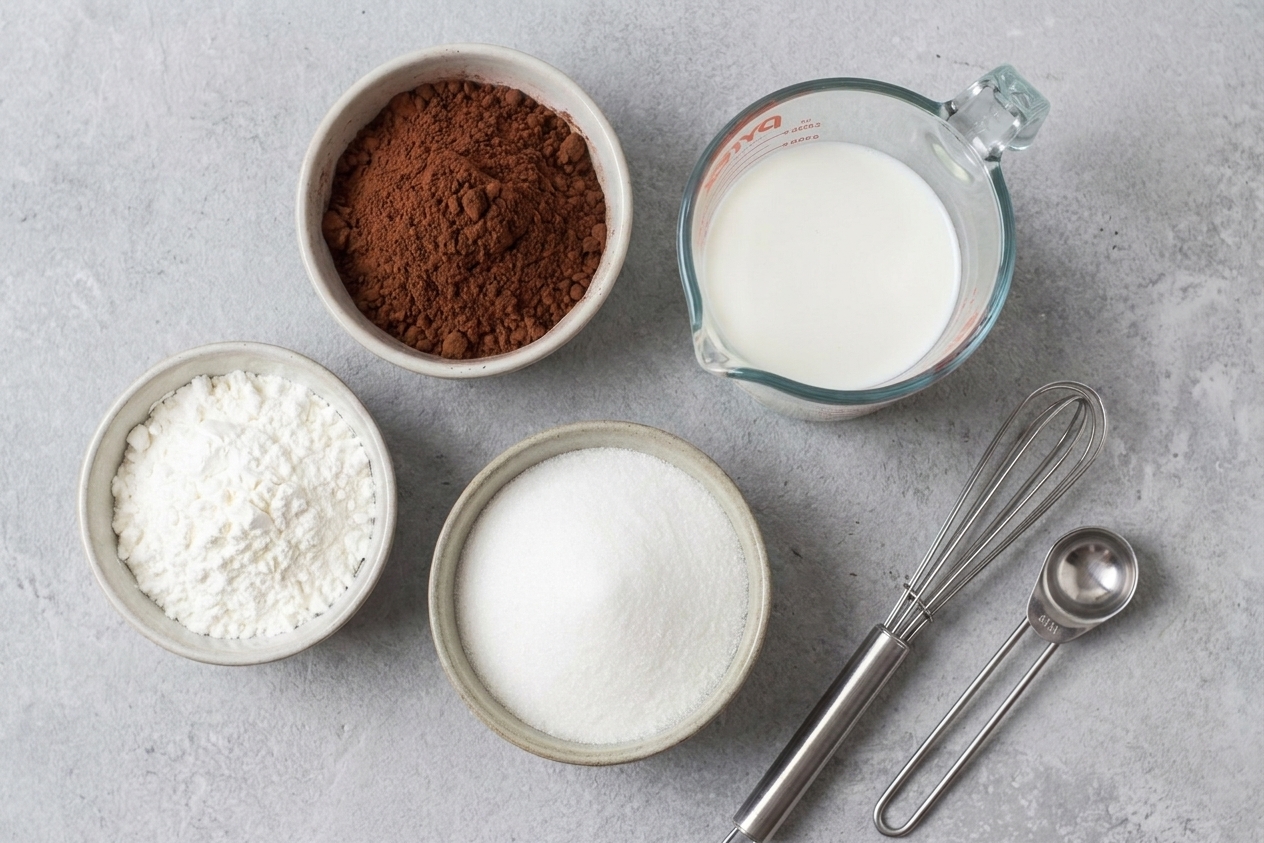
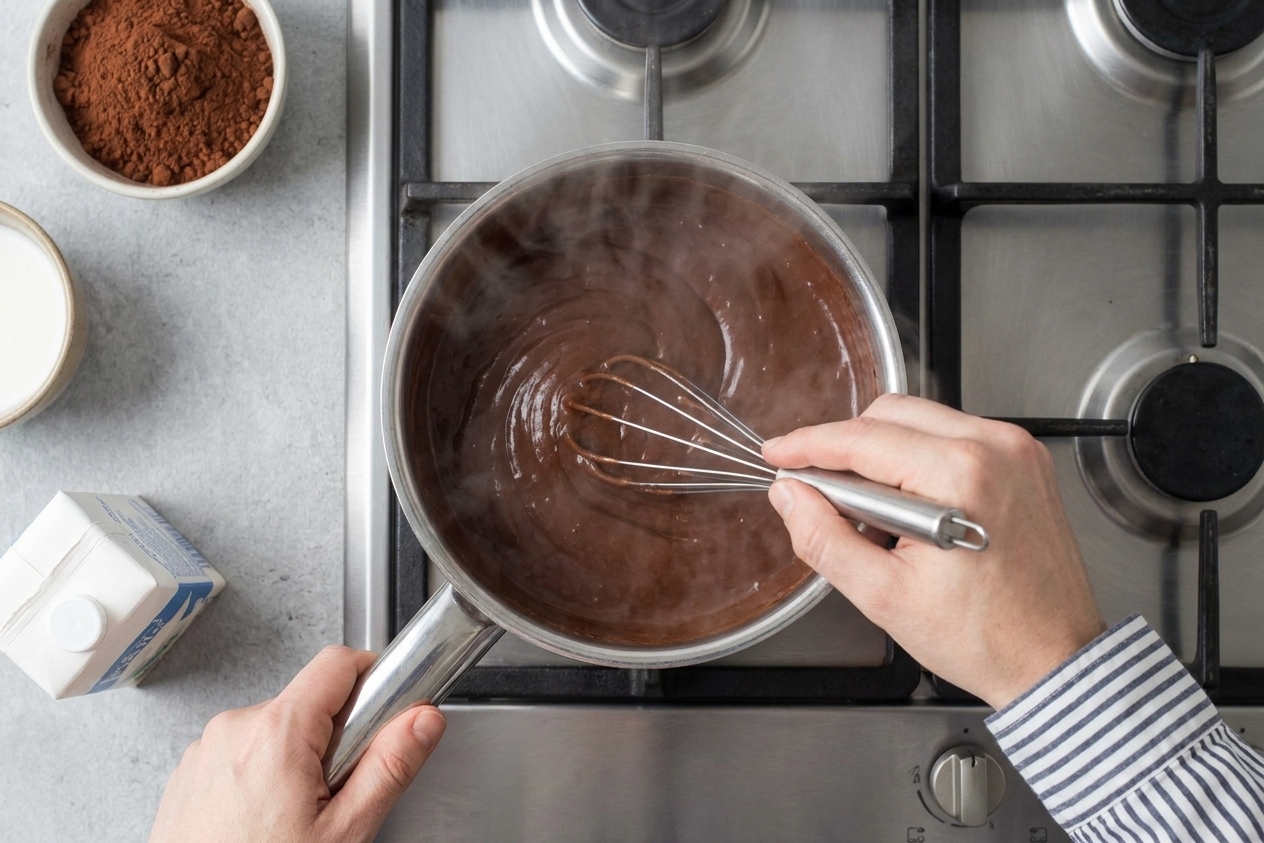
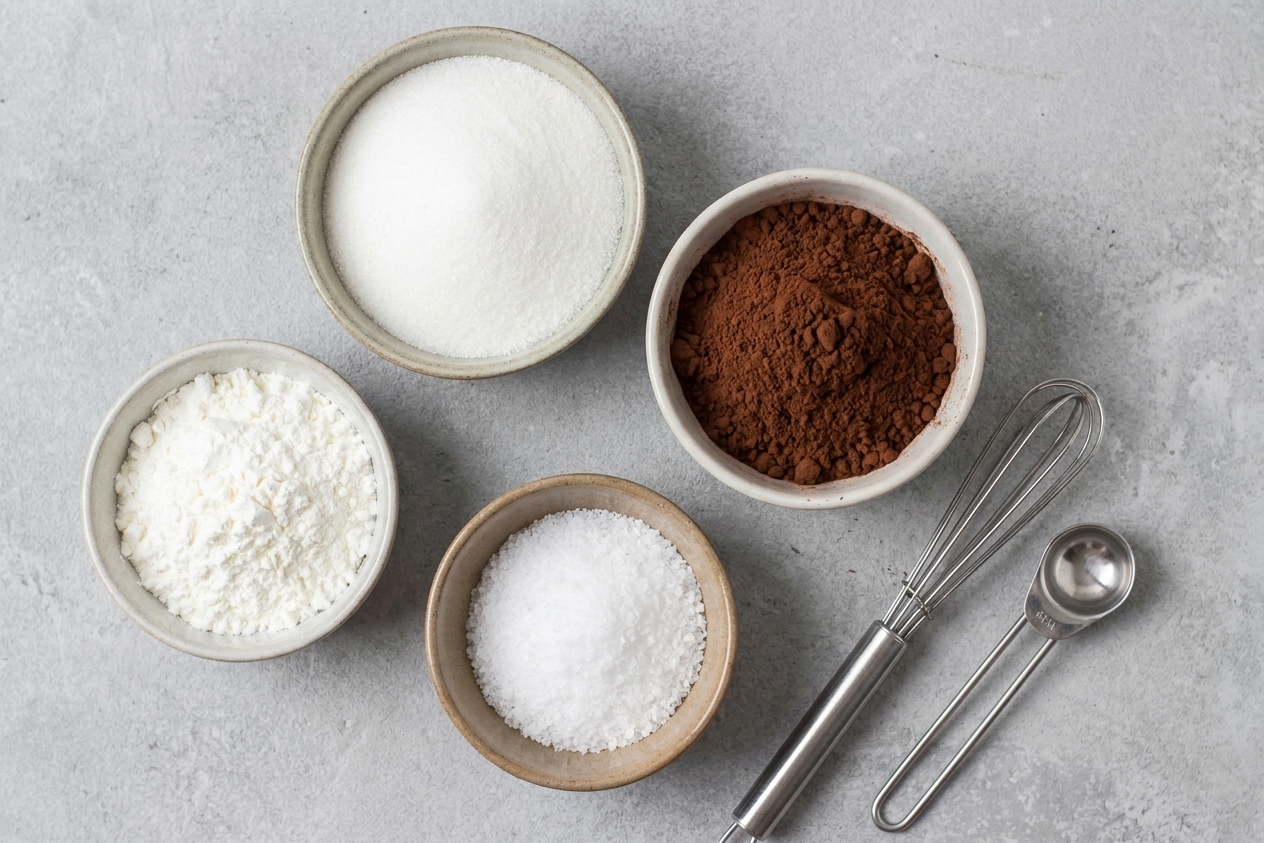
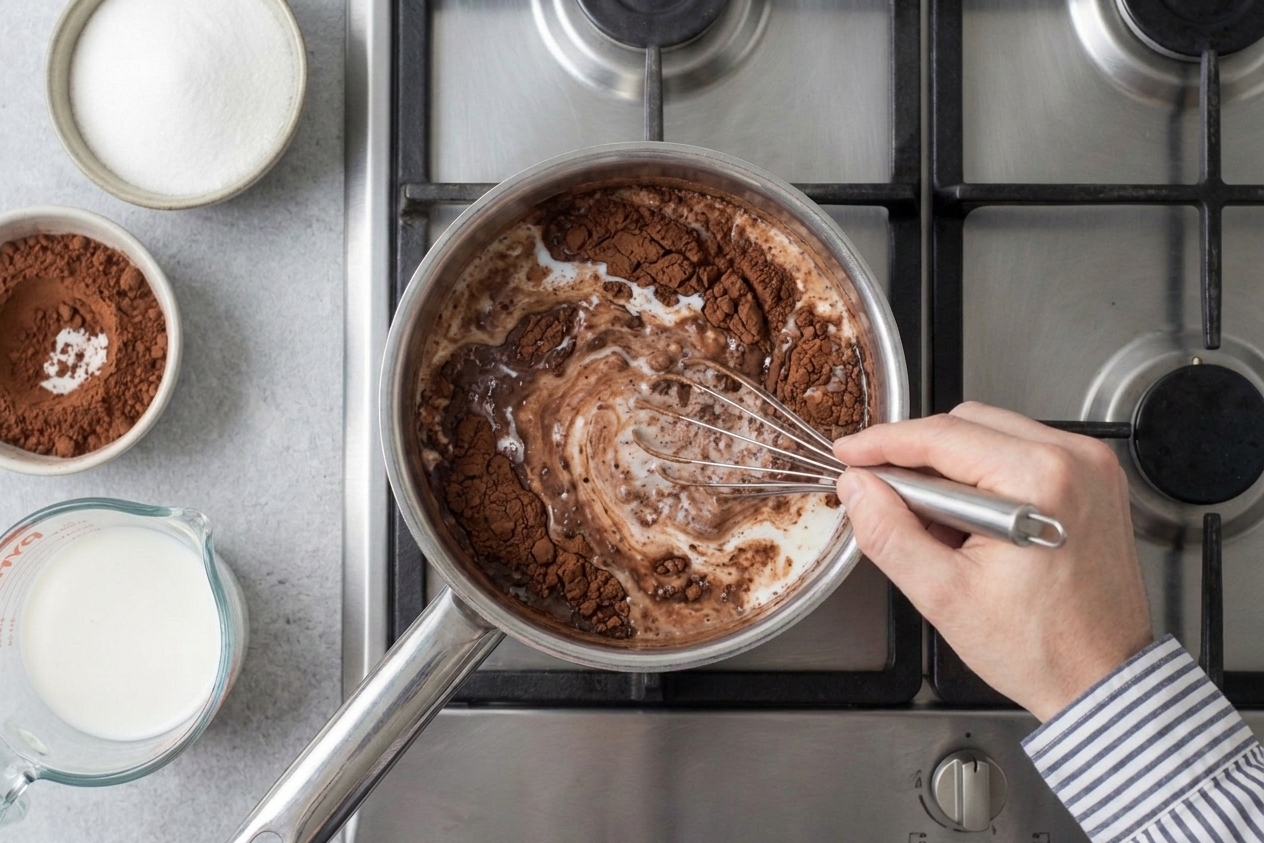
Most lumps come from adding starch straight into hot liquid too fast. Whisk the sugar, cocoa, cornstarch, and salt together first, then whisk in cold milk gradually before you heat it. If you still get lumps, strain it through a fine-mesh sieve at the end.
My pudding is too thin. Can I fix it?
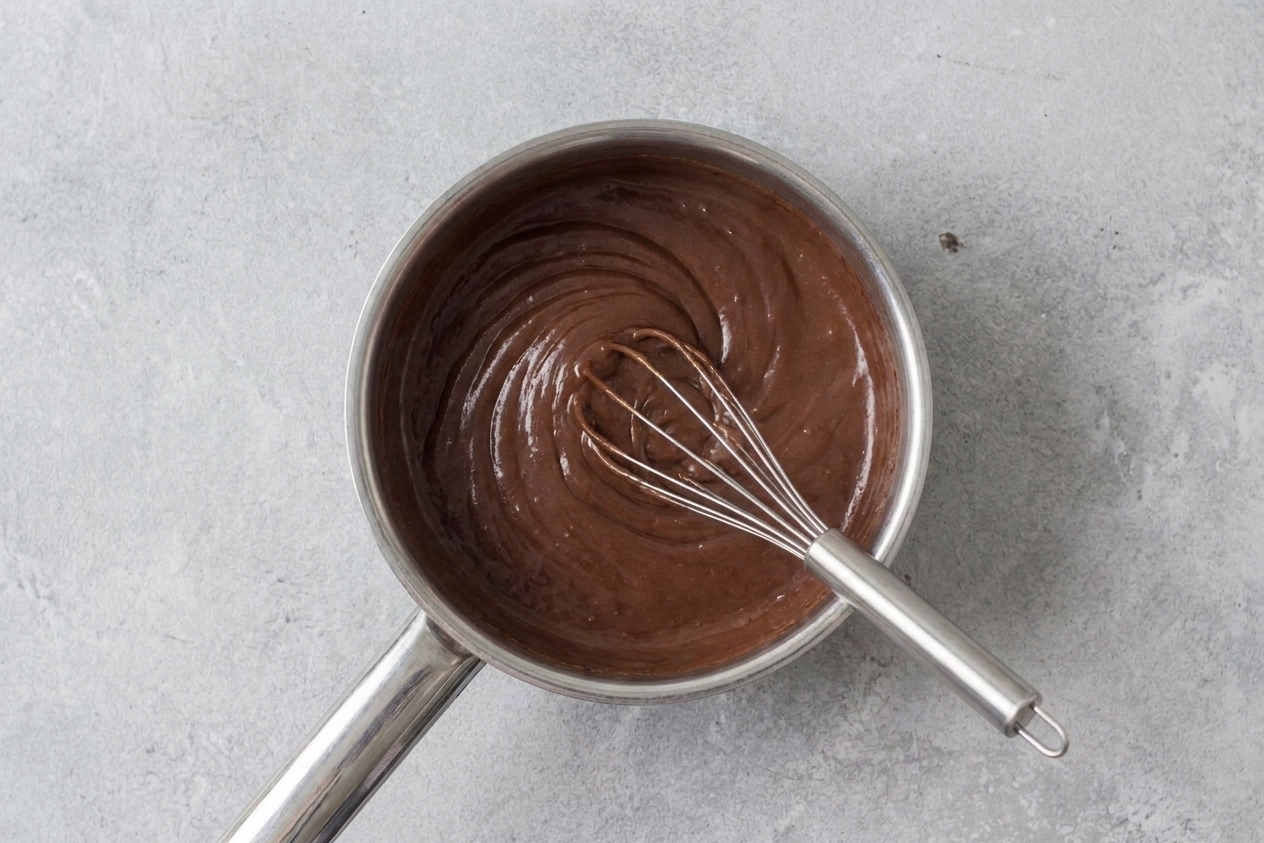
Yes. Put it back over medium heat and bring it to a gentle boil while whisking. It needs about 1 minute at a low boil to fully activate the cornstarch. If it is still thin, whisk 1 teaspoon cornstarch with 1 tablespoon cold milk, then whisk that slurry into the pot and boil again for 1 minute.
My pudding is too thick.
Whisk in a splash of milk while it is warm until it relaxes. Do it gradually. Pudding thickens more as it cools, so stop when it looks just a touch looser than your final goal.
Do I have to cook the pudding, or can I just chill it?
You have to cook it. Cornstarch needs heat to thicken properly and to lose its raw, starchy taste.
Can I eat it warm?
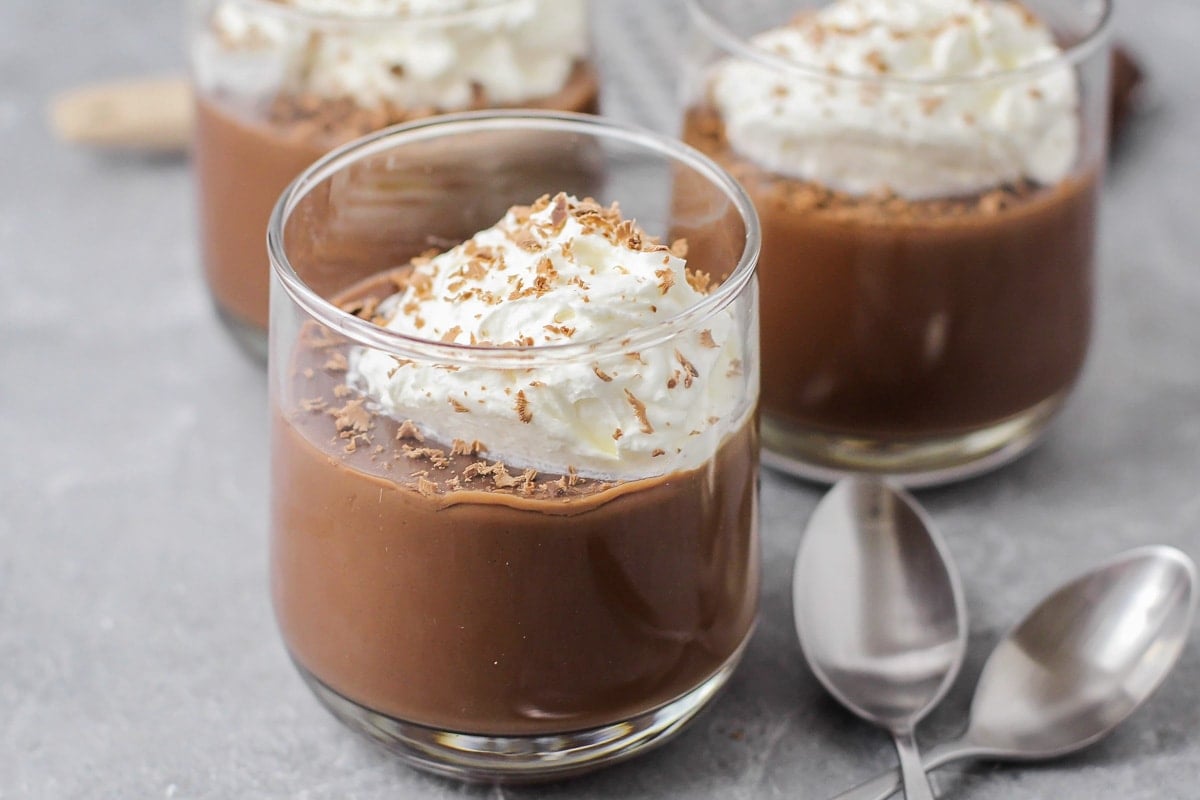
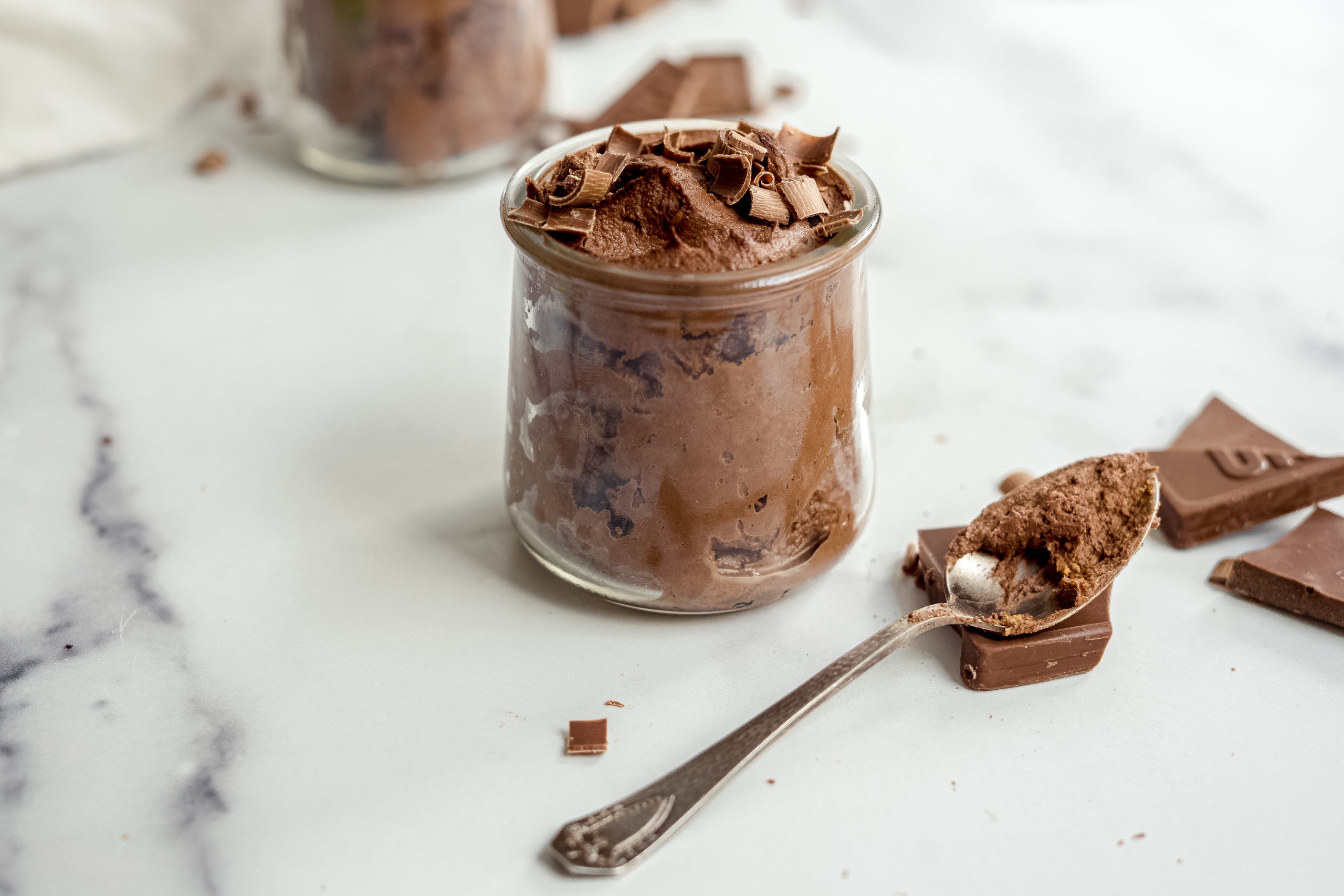
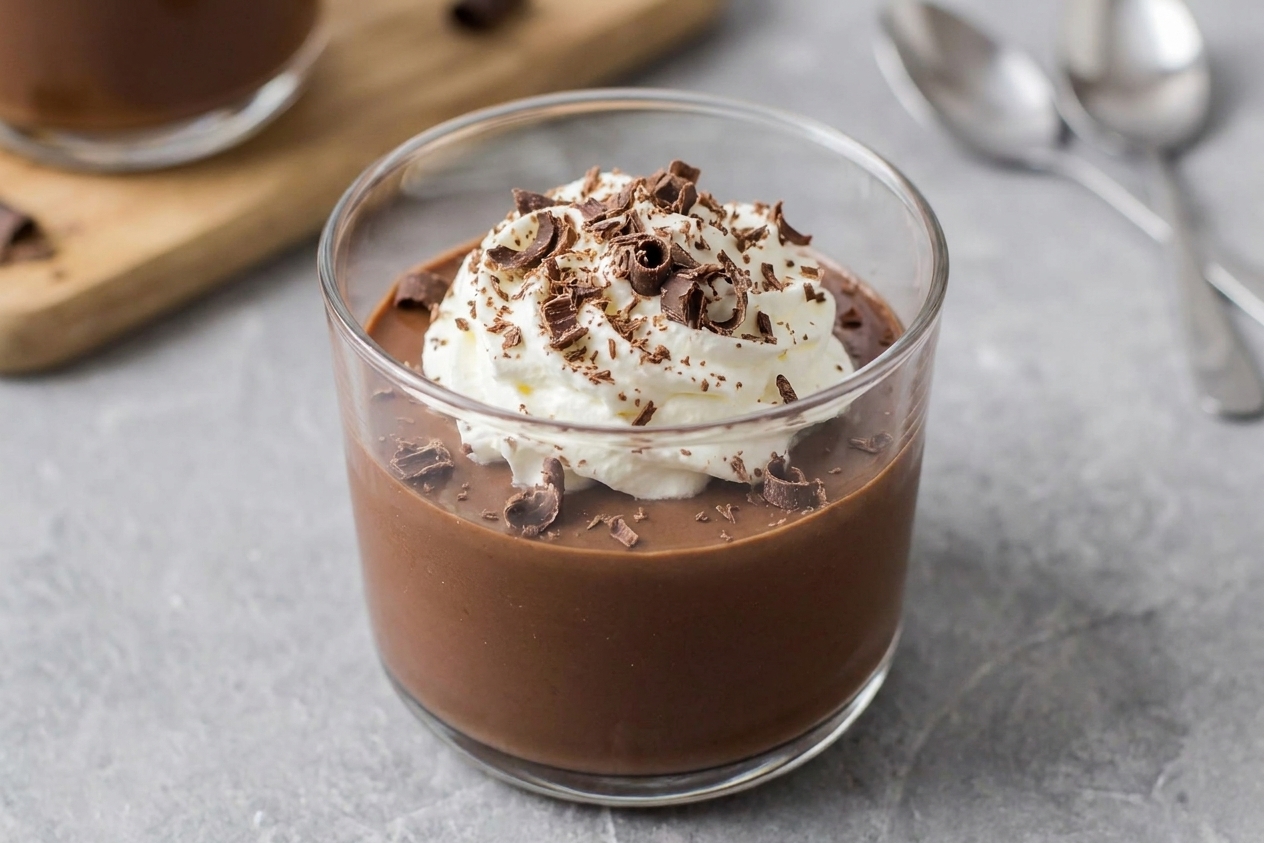
Absolutely. It is lovely warm, especially spooned over berries or cookies. For the classic thick, scoopable pudding-cup texture, chill it for a couple hours.
How do I prevent pudding skin?
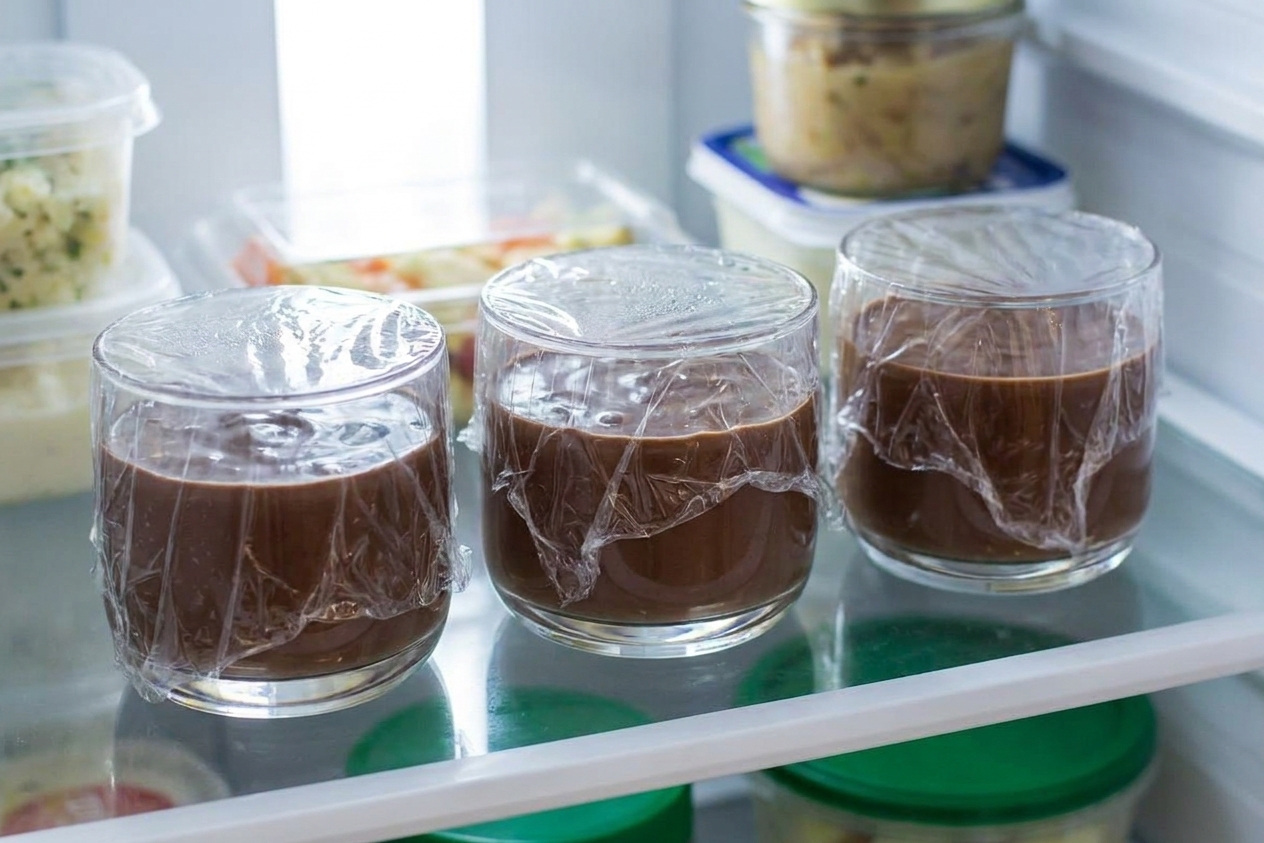
Press plastic wrap directly onto the surface while it chills. If you like the skin, you are welcome here too.
Can I use non-dairy milk?
You can, but the texture varies by brand and type. Oat and soy tend to thicken well, while some almond milks set softer. If it seems loose, cook at a gentle boil for the full minute and chill thoroughly before judging.