Common Questions
Is coco pudding the same as chocolate pudding?
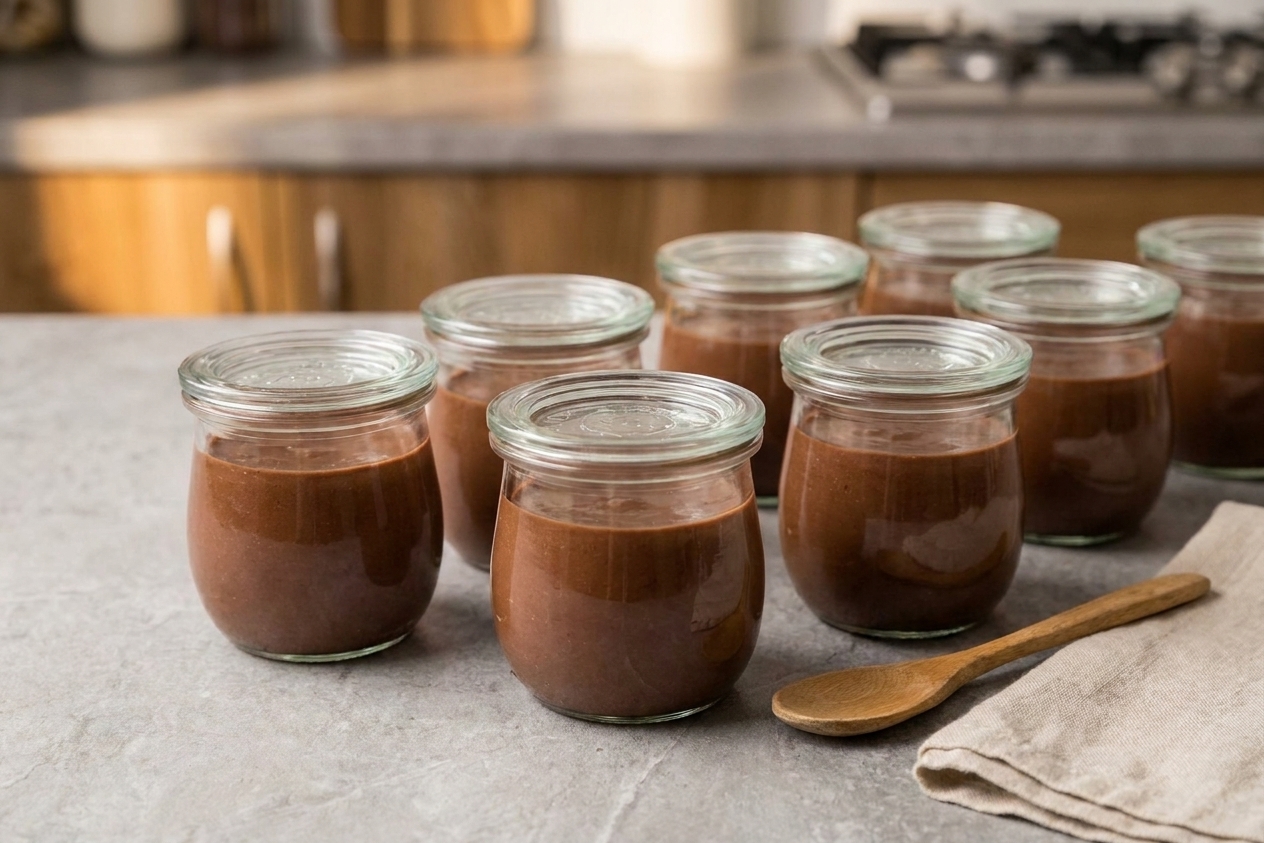
Pretty much. In this recipe, “coco” just means it is cocoa-based. The chocolate flavor comes from unsweetened cocoa powder instead of melted chocolate, so it is easy to make and easy to tweak the sweetness.
How do I keep it from getting lumps?
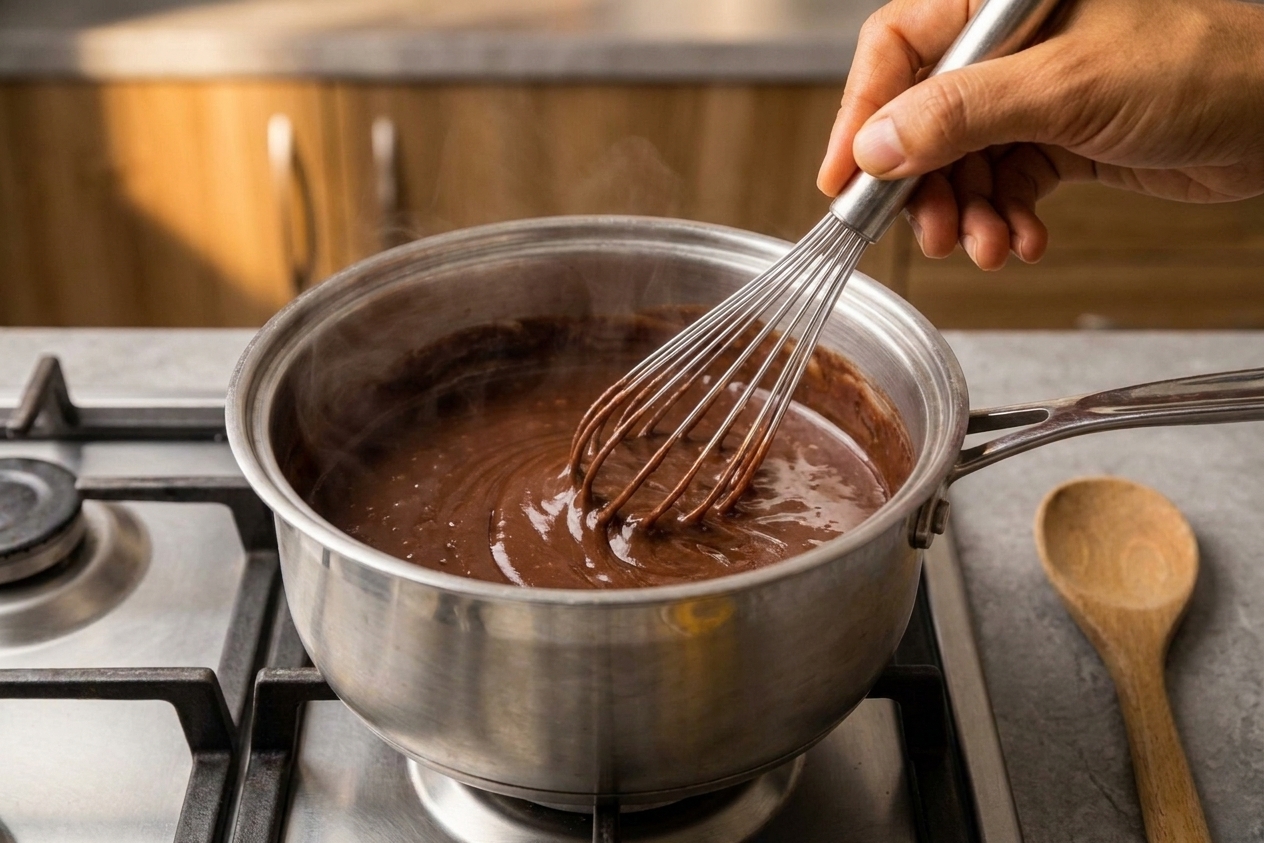
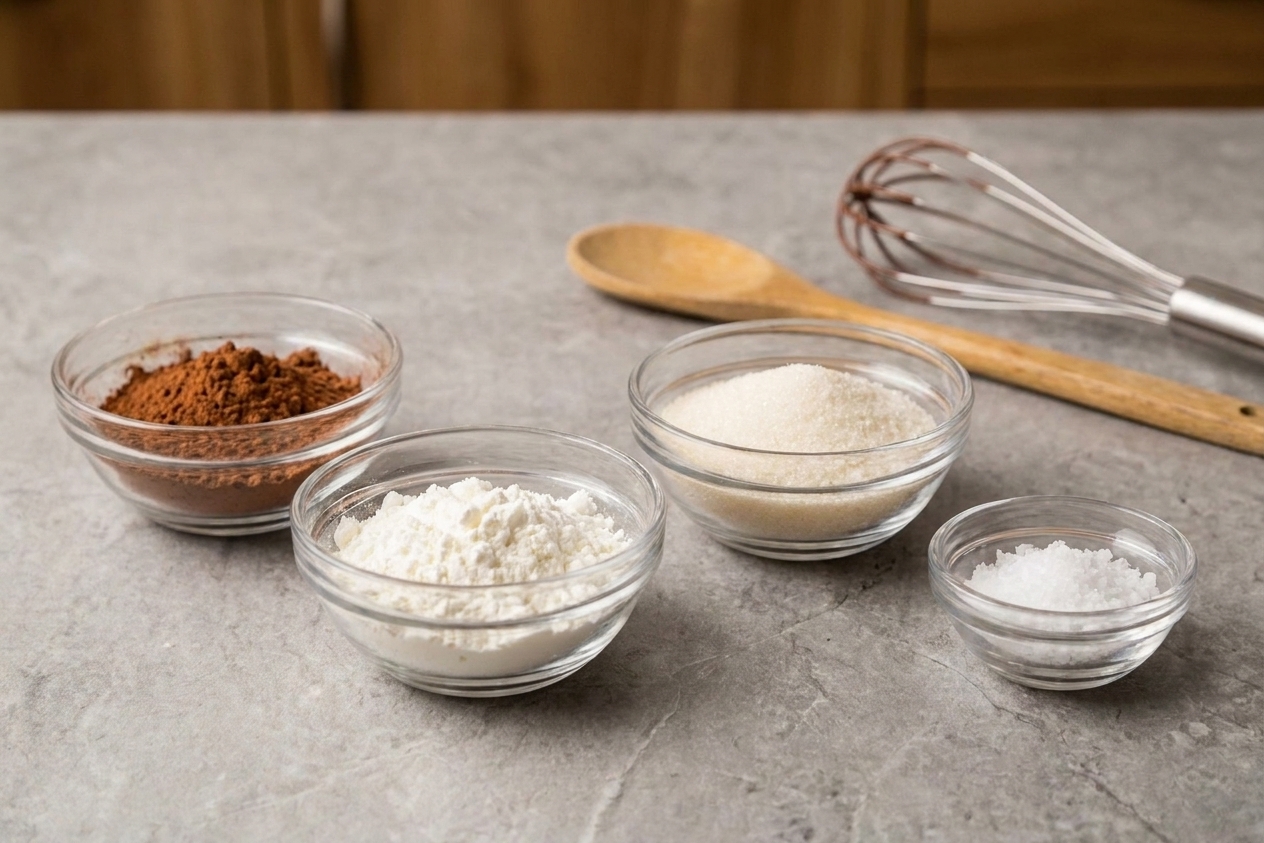
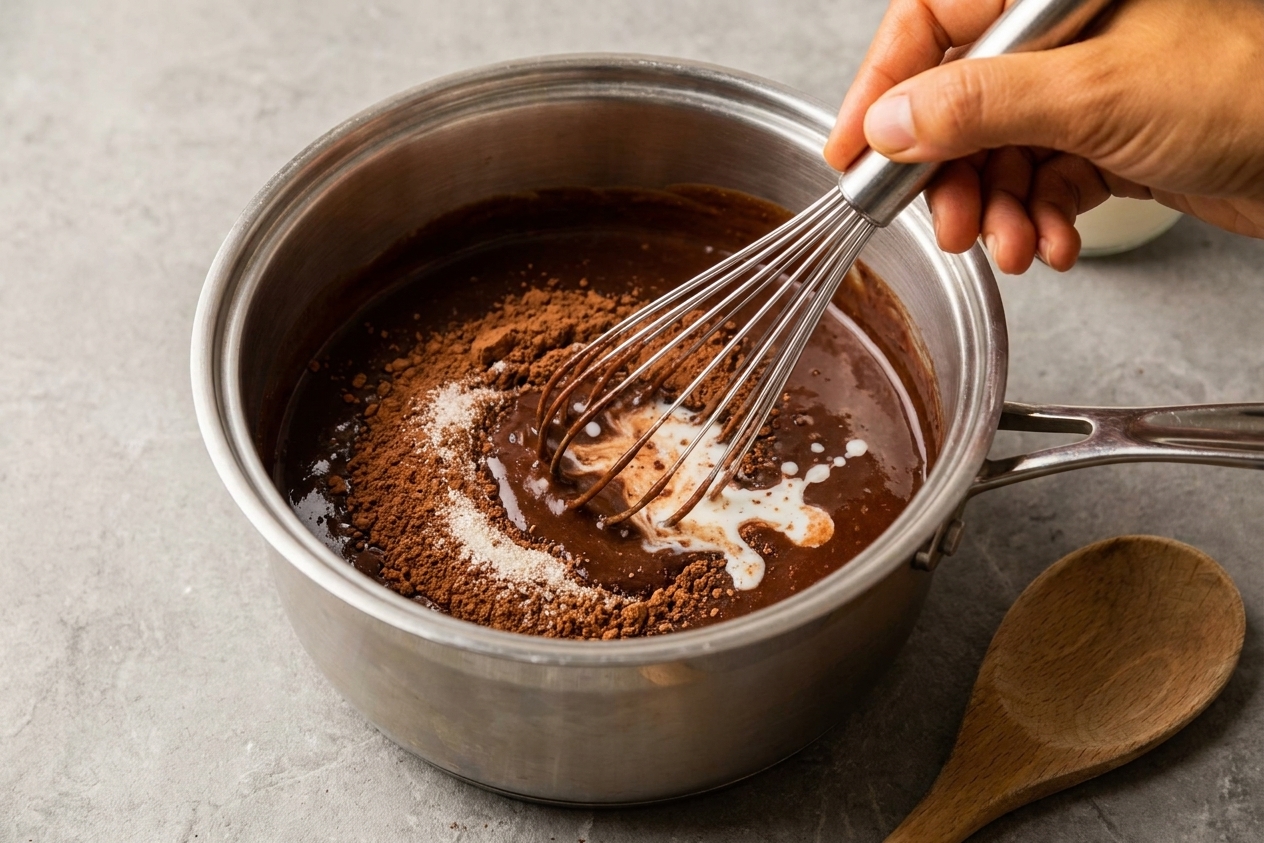
Mix the dry ingredients well first, then whisk in a little cold milk to make a smooth slurry before adding the rest. Also, once it starts thickening, whisk constantly and scrape the corners of the pot.
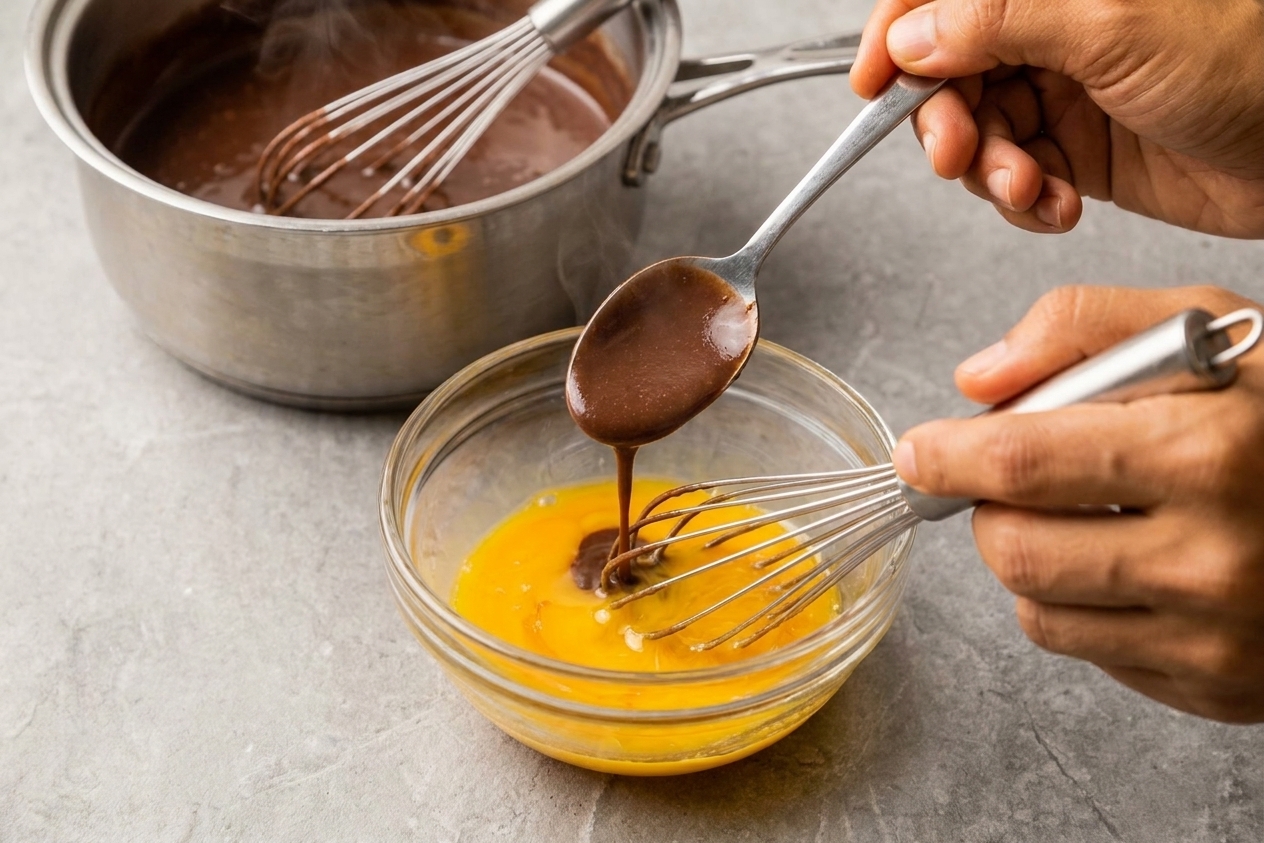
Do I have to use the egg yolk?
Nope. The cornstarch will thicken it on its own. The yolk just adds extra richness and that classic pudding texture. If you leave it out and want a slightly thicker set, you can add 1 teaspoon more cornstarch, but it is optional.
Why did my pudding turn out thin?
Usually one of three things: not enough heat, not enough time at a simmer, or you measured cornstarch a little light. Look for thick, slow bubbles and cook for a full 60 to 90 seconds once it thickens, whisking the whole time.
How do I stop pudding skin?
Press plastic wrap directly on the surface while it cools and chills. No air touching the top means no skin. Make sure the wrap actually touches the pudding.
My pudding is too thick. Can I fix it?
Yes. Whisk in a splash of milk while it is still warm until it loosens up. If it has already chilled, let it sit at room temp for 10 minutes, then whisk in a little milk.
Why is my pudding grainy or a little scorched?
Grainy pudding usually happens from overheating, boiling too hard, or freezing and thawing. Scorching happens when the heat is too high or the pot corners do not get scraped. Keep the heat at a gentle simmer and use both a whisk and a spatula to get into the edges.