Mom's Best Recipes
Recipe

Comforting Horseradish Sauce Recipe

Creamy, gently warm, and punchy in the best way. This cozy horseradish sauce comes together fast and makes roast beef, salmon, and potatoes taste like you tried harder than you did.

Author By Matt Campbell
4.8

If you have ever taken a bite of roast beef and thought, this needs a little something, this is that something. Horseradish sauce is like a cozy sweater with a secret: it looks calm and creamy, then it hits you with that bright, sinus-clearing zing that makes everything taste more alive.

My version keeps it weeknight-friendly and flexible. It starts with a simple creamy base, gets warmth from horseradish, and finishes with a little acid and a whisper of sweetness to round out the edges. The goal is not to hurt anybody. The goal is to make your food taste like it just got upgraded.

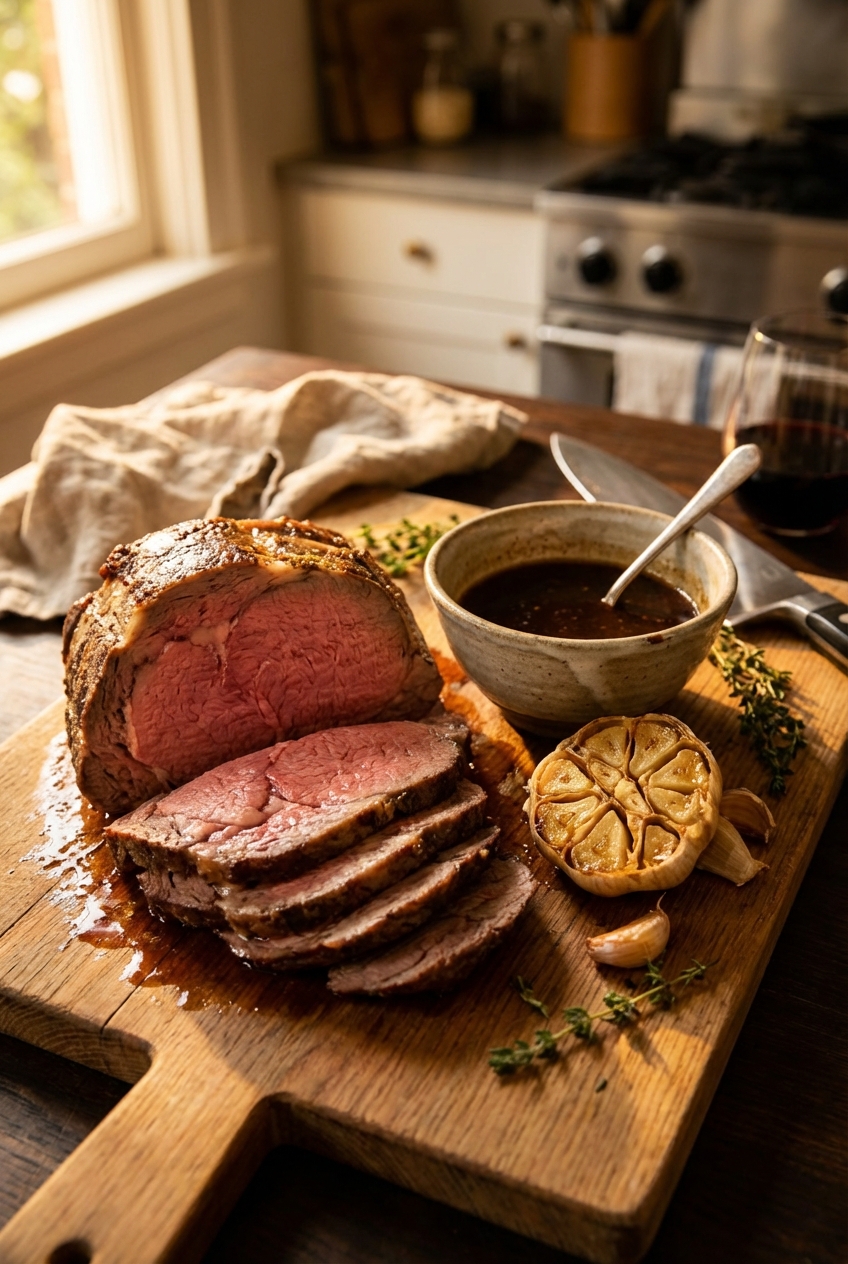
Use it with prime rib, leftover pot roast sandwiches, roasted veggies, or as a dip for crispy potatoes. And yes, you should taste as you go. That is the whole point.

Why It Works

  • Cozy, not harsh: Sour cream plus a little mayo keeps the heat smooth and rounded.
  • Balanced flavor fast: Lemon and Dijon wake it up, while a touch of honey (or sugar) keeps it from tasting sharp.
  • Gets better as it sits: Ten minutes of rest lets the horseradish bloom and the flavors settle in.
  • Totally adjustable: Make it mild for the family, or crank it up for the horseradish lovers at the table.

Pairs Well With

Storage Tips

Refrigerate: Store in an airtight container for up to 5 days. The flavor will intensify slightly over the first day.

Stir before serving: A little separation is normal. Give it a quick stir and you are back in business.

Freezing: I do not recommend it. Dairy-based sauces can get grainy after thawing, and the texture is the whole vibe here.

Food safety note: Do not leave it out longer than 2 hours, or 1 hour if it is a hot day.

Common Questions

Is horseradish sauce supposed to be spicy?

Yes, but it is a fresh, nasal heat, not a tongue-burning heat like chilies. If yours feels too intense, add more sour cream or a touch more honey to soften the edge.

Can I use fresh horseradish instead of prepared?

You can. Finely grate it, then use a little at a time. Fresh is more aggressive and fades faster, so start with 1 to 2 teaspoons and adjust. If you want it to keep its punch, stir in the lemon juice right away.

What is the difference between prepared horseradish and creamy horseradish?

Prepared horseradish is grated horseradish preserved in vinegar and salt. Creamy horseradish is already mixed with a creamy base. This recipe is written for prepared horseradish so you can control the heat.

Why did my sauce taste bitter or flat?

It usually needs more salt or more acid. Add a pinch of salt, then a few extra drops of lemon juice. Taste again. Repeat until it pops.

Can I make it dairy-free?

Yes. Use an unsweetened dairy-free sour cream or thick yogurt alternative, and dairy-free mayo. The flavor will still be great, just slightly less rich.

I started making this sauce for the most relatable reason: I had leftover roast beef, a bag of potatoes, and the kind of winter mood that demands something creamy and bold. I mixed sour cream with horseradish, tasted it, and immediately realized I had made something that could rescue an entire dinner with one spoonful.

Now it is my go-to for “comfort food but make it exciting.” It is the sauce I put on the table when I want everyone to stop talking for a second and just chew like they mean it.