Mom's Best Recipes
Recipe

Comforting Rump Roast

A cozy, flavor-packed rump roast with a bright, herby gravy and tender vegetables. Simple ingredients, clear steps, and that tender, pull-apart-if-you-want-it texture, without feeling heavy.

Author By Matt Campbell
4.8
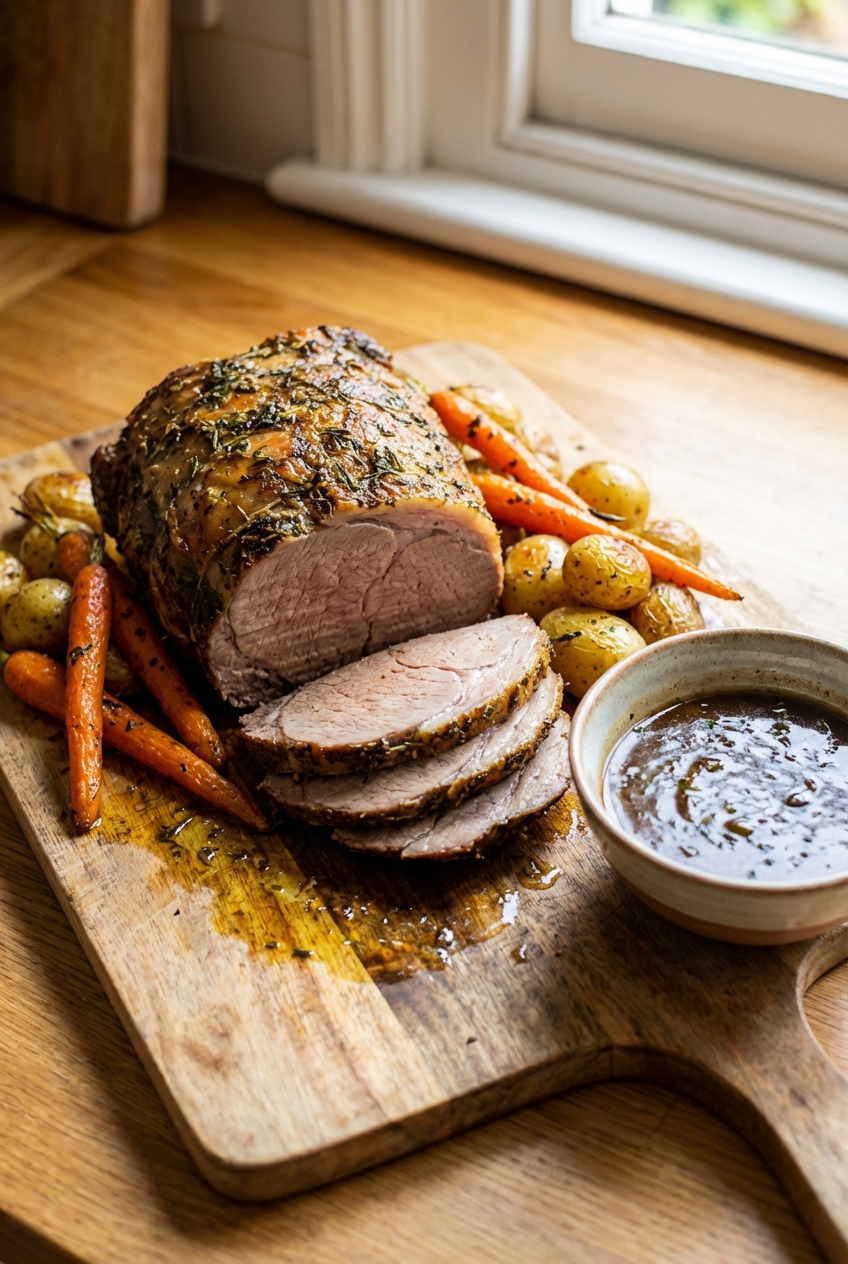
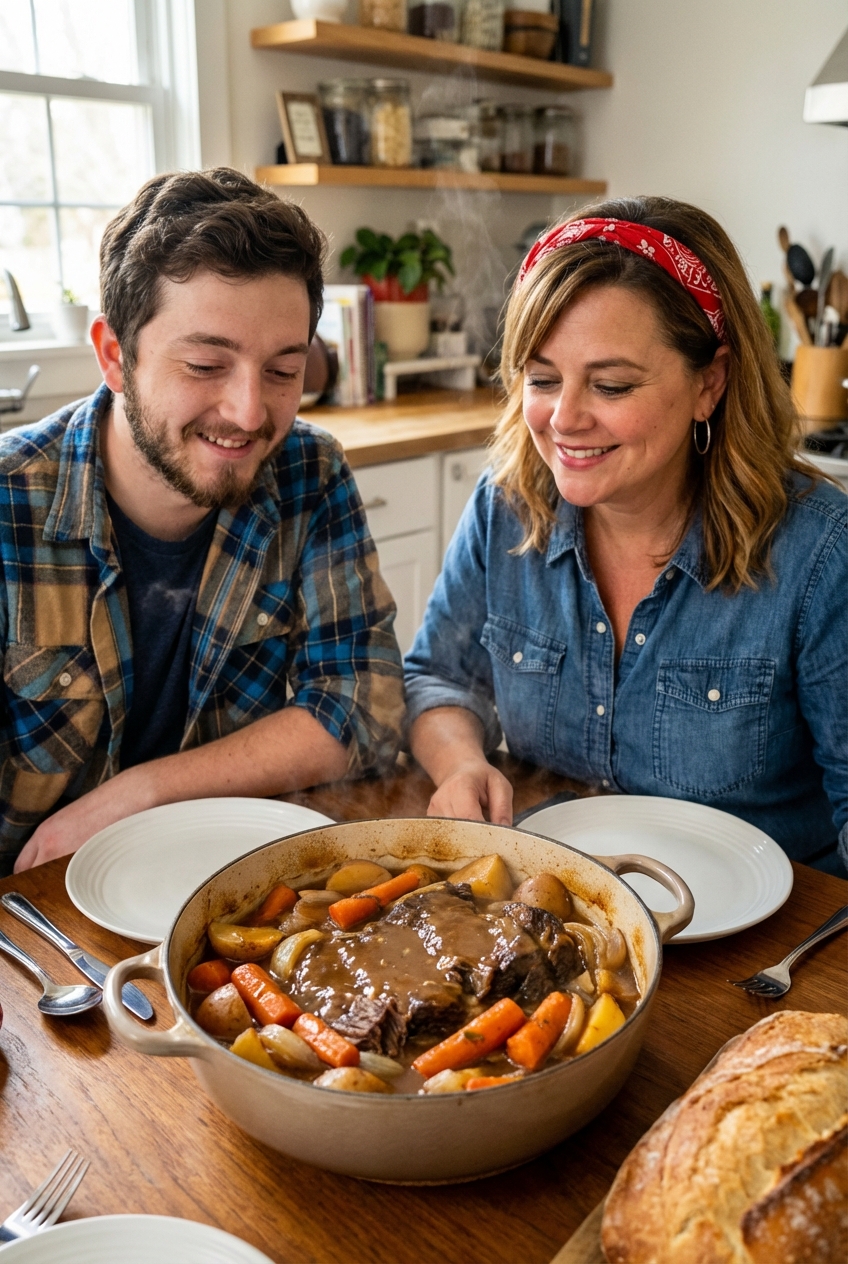
A golden-brown rump roast sliced on a wooden cutting board with carrots and potatoes, with a small bowl of glossy herbed gravy beside it

Rump roast is one of those underrated cuts that can absolutely deliver a Sunday-dinner vibe on a Tuesday, as long as you treat it right. It is often leaner than chuck, so the goal is not to cook it into submission. The goal is steady low heat, plenty of aromatic help, and a finishing gravy that tastes like you tried way harder than you did.

This version keeps things wholesome: lots of vegetables, a broth-forward braise, and a gravy that gets its body from a brief simmer and a small cornstarch slurry instead of a heavy roux. The result is tender slices (or shreds, if you keep going), bright herb flavor, and a pot of cozy that makes your house smell like you have your life together.
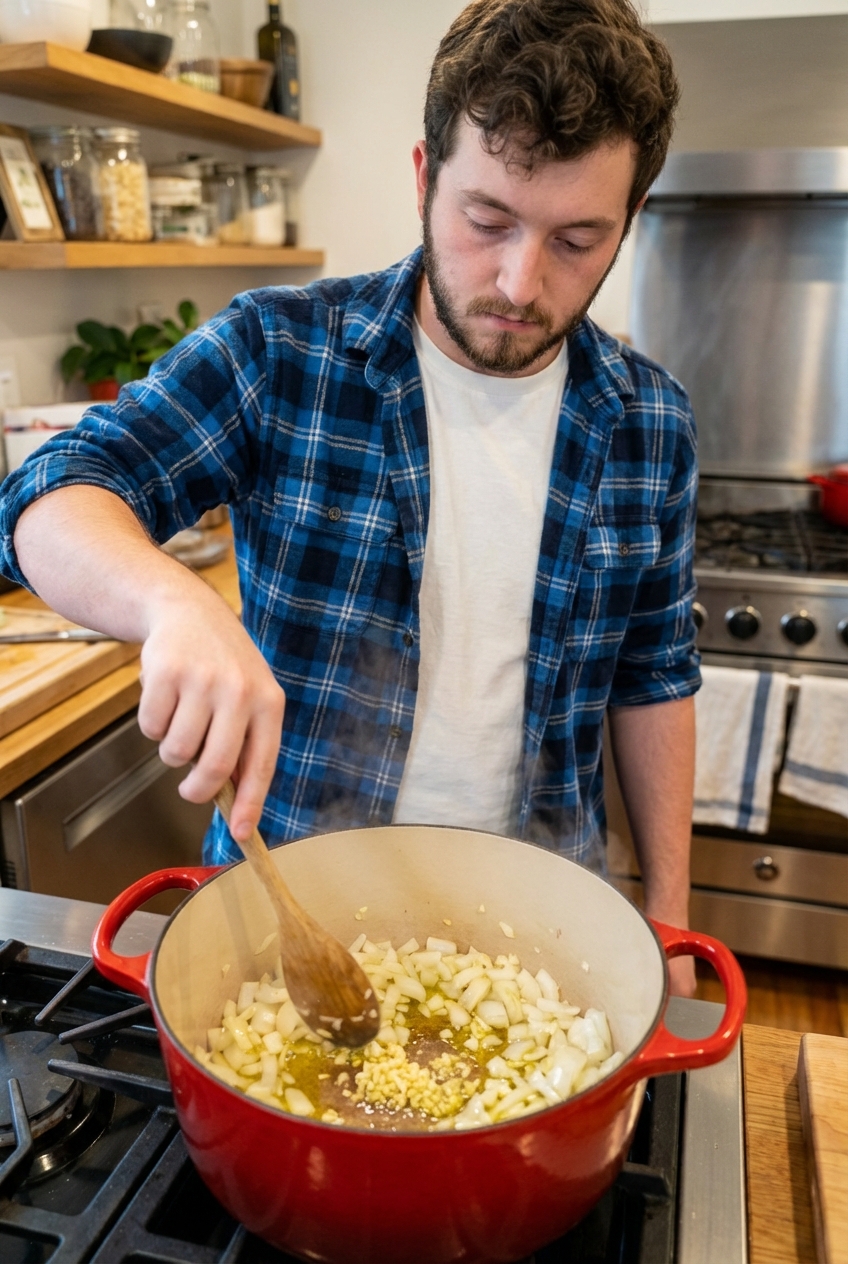
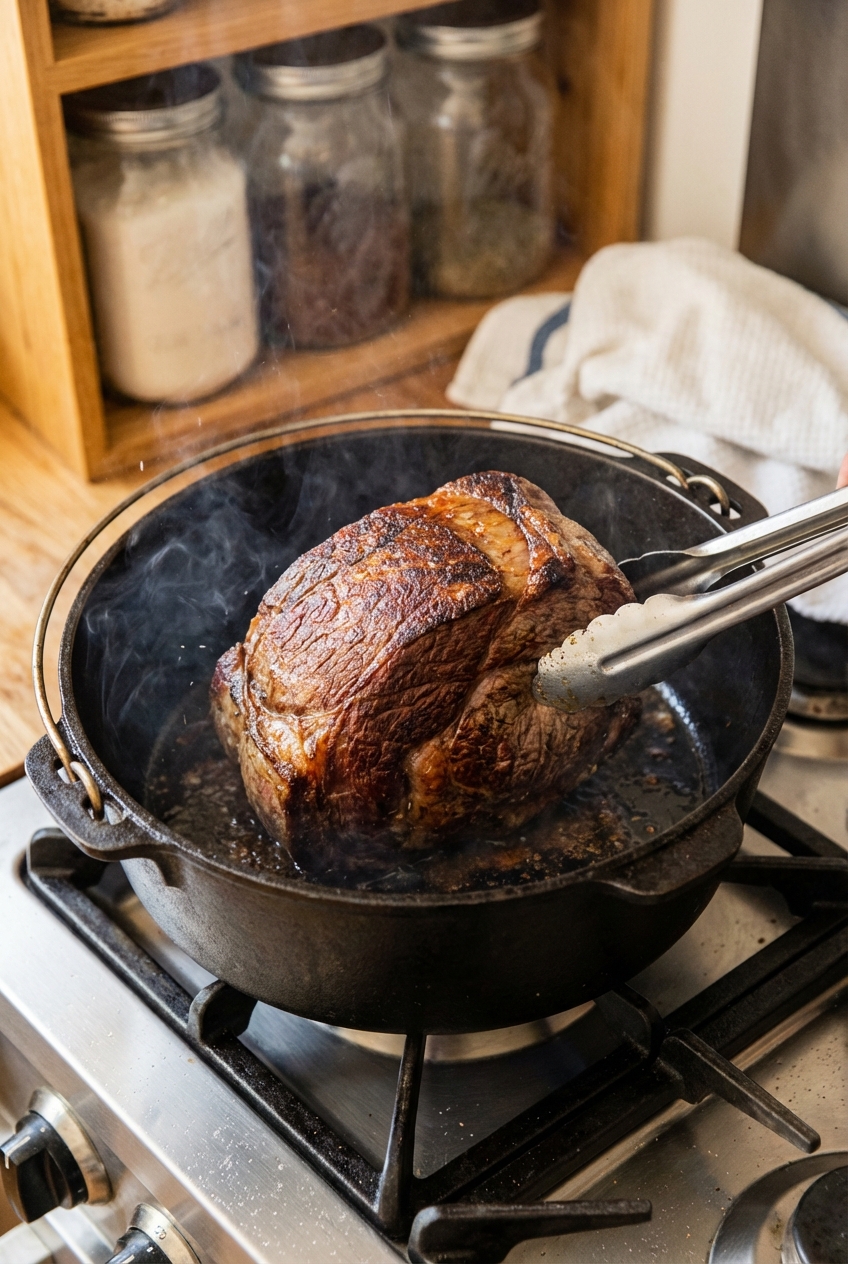
A Dutch oven on a stovetop with onions and garlic sizzling in a little olive oil

Why It Works

  • Big flavor with a lighter feel: Tomato paste, Worcestershire, garlic, and herbs build depth fast without needing lots of fat.
  • Tender, not dry: A covered braise helps prevent drying out, which matters because rump roast is naturally lean.
  • Vegetables that taste like the roast: Carrots and potatoes cook in the same pot and soak up the savory broth.
  • Gravy that wakes everything up: A splash of vinegar or lemon at the end makes the whole dish taste brighter, not heavier.

Pairs Well With

  • A bowl of roasted Brussels sprouts with crispy edges and a sprinkle of parmesan

    Crispy Roasted Brussels Sprouts

  • A skillet of cauliflower mash with butter and chives

    Garlic Cauliflower Mash

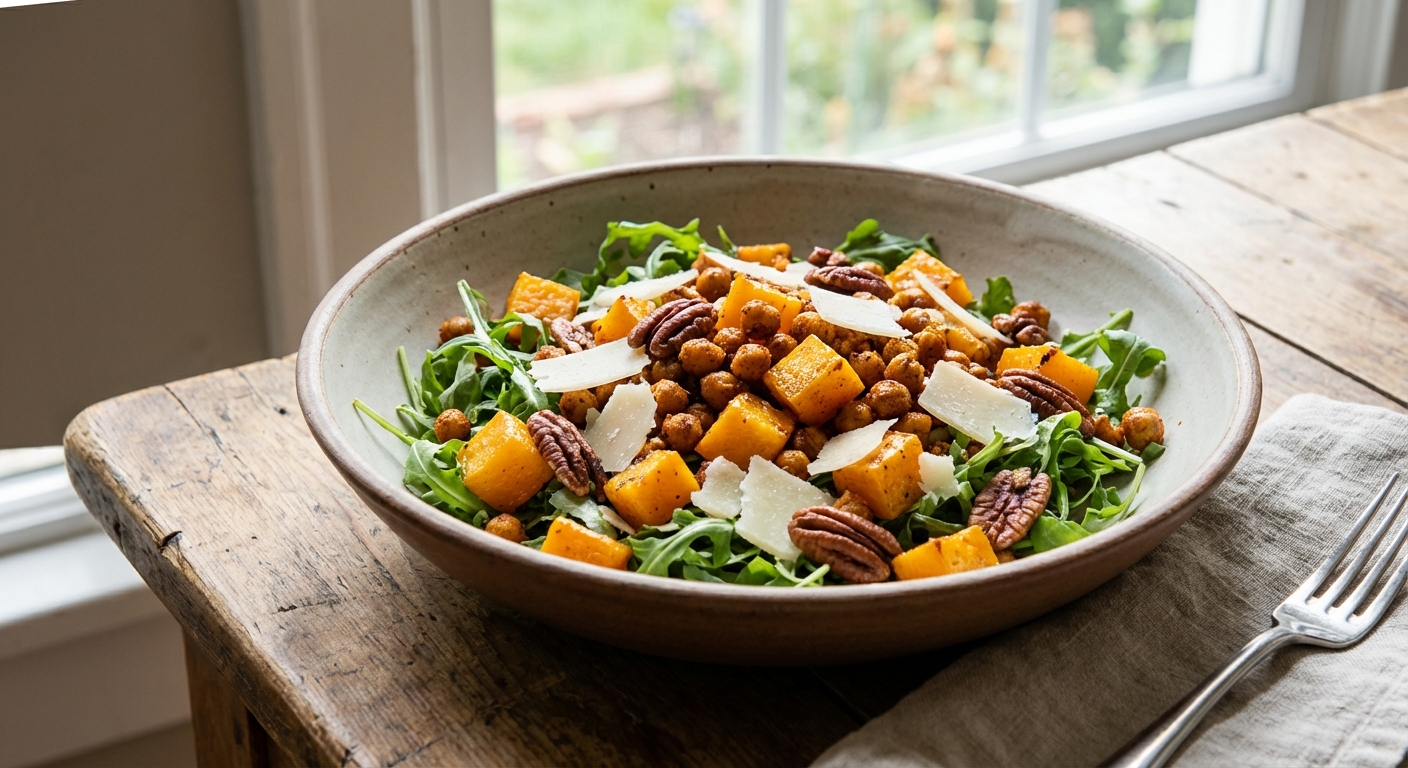
  • A simple arugula salad with lemon vinaigrette in a white bowl

    Arugula Salad with Lemon Vinaigrette

  • A tray of green beans tossed with olive oil and toasted almonds

    Green Beans with Toasted Almonds

Storage Tips

Cool fast: Get the roast and vegetables into shallow containers within 2 hours so they chill quickly and stay tasty. (If it is above 90°F where you are, aim for 1 hour.)

  • Refrigerator: Store roast, veggies, and gravy (with some broth) for up to 4 days.
  • Freezer: Freeze sliced or shredded beef with a little gravy for moisture for up to 3 months. (Lean roasts love extra sauce in the freezer.)
  • Reheat: Warm gently on the stove with a splash of broth, covered, until hot. For microwave reheating, use medium power and stir the gravy halfway through.

Leftover move: Shred the beef, toss with warmed gravy, and pile onto toasted whole-grain bread with a handful of arugula. It is messy in the best way.

Common Questions

Is rump roast healthy?

Rump roast is often a leaner cut of beef than chuck, especially if it is well-trimmed. That means it can fit nicely into a wholesome dinner, particularly when you cook it with lots of vegetables and a broth-based sauce like we do here.

Why is my rump roast tough?

Rump roast can turn tough for a couple of reasons. Sometimes it simply needs more time at low heat to become tender. Other times it gets dry because it is a lean cut and it cooked too hot, too long, or without enough braising liquid. Keep the oven around 300°F, keep the lid on, and cook until it is fork-tender. Also, slice against the grain for the most tender bite.

Can I make this in a slow cooker?

Yes. Sear the roast first, then cook on LOW for about 8 to 9 hours or HIGH for about 4 to 5 hours until fork-tender. Slow cookers vary a lot, so start checking tenderness on HIGH around the 4-hour mark, and on LOW around the 7-hour mark. Add potatoes and carrots for the last 3 to 4 hours on LOW so they do not turn to mush.

Can I skip the sear?

You can, but you will miss the deep roasted flavor. That browned crust is basically free seasoning. If you are short on time, at least brown two sides.

How do I keep the gravy from getting gummy?

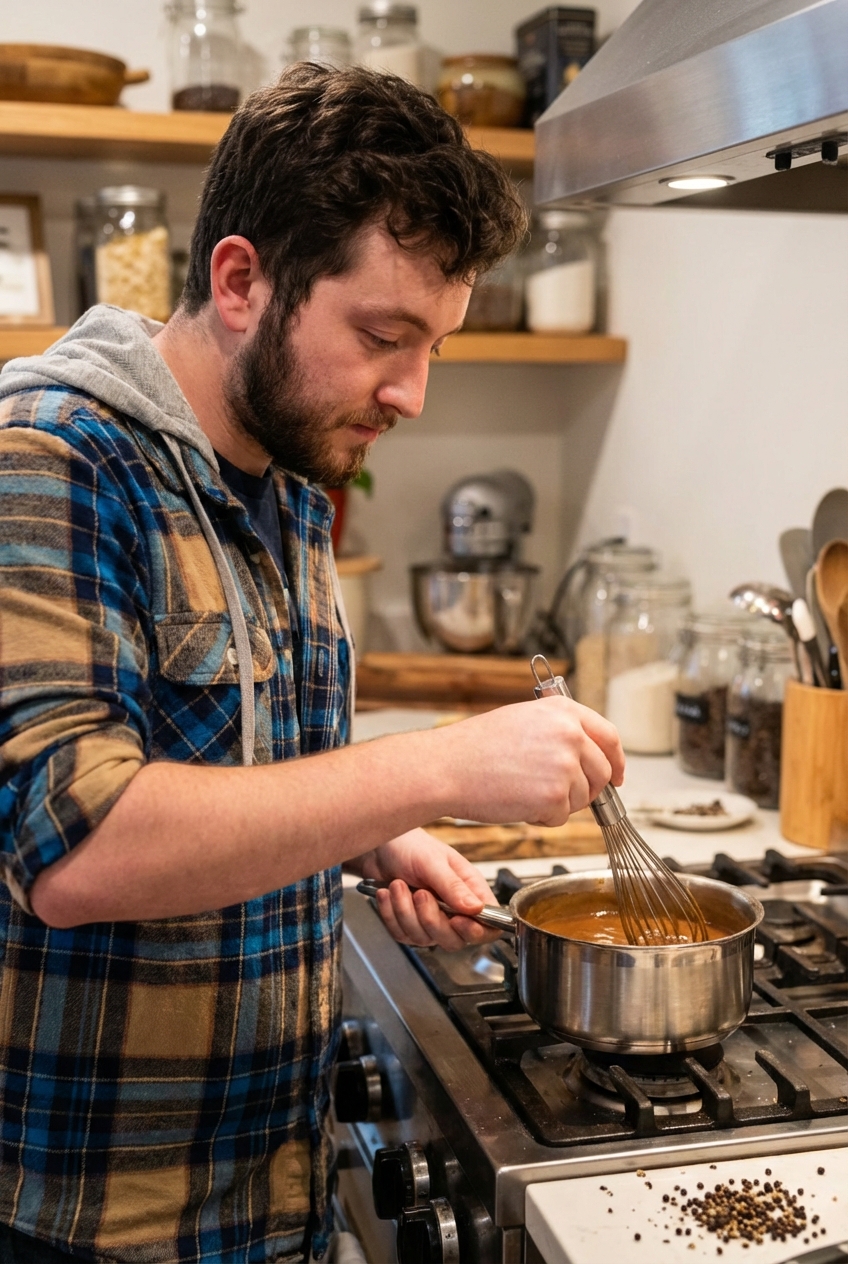
Mix cornstarch with cold water first, then whisk it into simmering liquid a little at a time. Let it bubble for 1 to 2 minutes, then stop. Overcooking thickened gravy can make it tighten up.

Do I need an internal temperature?

For braises, temperature is less useful than texture. The best cue is: it should be fork-tender and easy to slice. If you like a number anyway, many braised roasts feel tender somewhere in the 190°F to 205°F range, but treat that as a rough reference and trust the fork.

I used to think roast nights had to be a whole production. Then I started treating them like a low-drama team project: brown the meat, toss in the aromatics, let the oven do the heavy lifting, and show up at the end like you planned it that way. This rump roast is my favorite kind of comfort food, the kind that tastes rich but still feels clean and balanced. Also, I will absolutely stand at the counter “testing” the gravy with a spoon like it is my job.

Make-ahead note: Like most braises, this gets even better the next day. If you have time, cool it, refrigerate overnight, then gently reheat in the gravy. Your future self will think you are a genius.