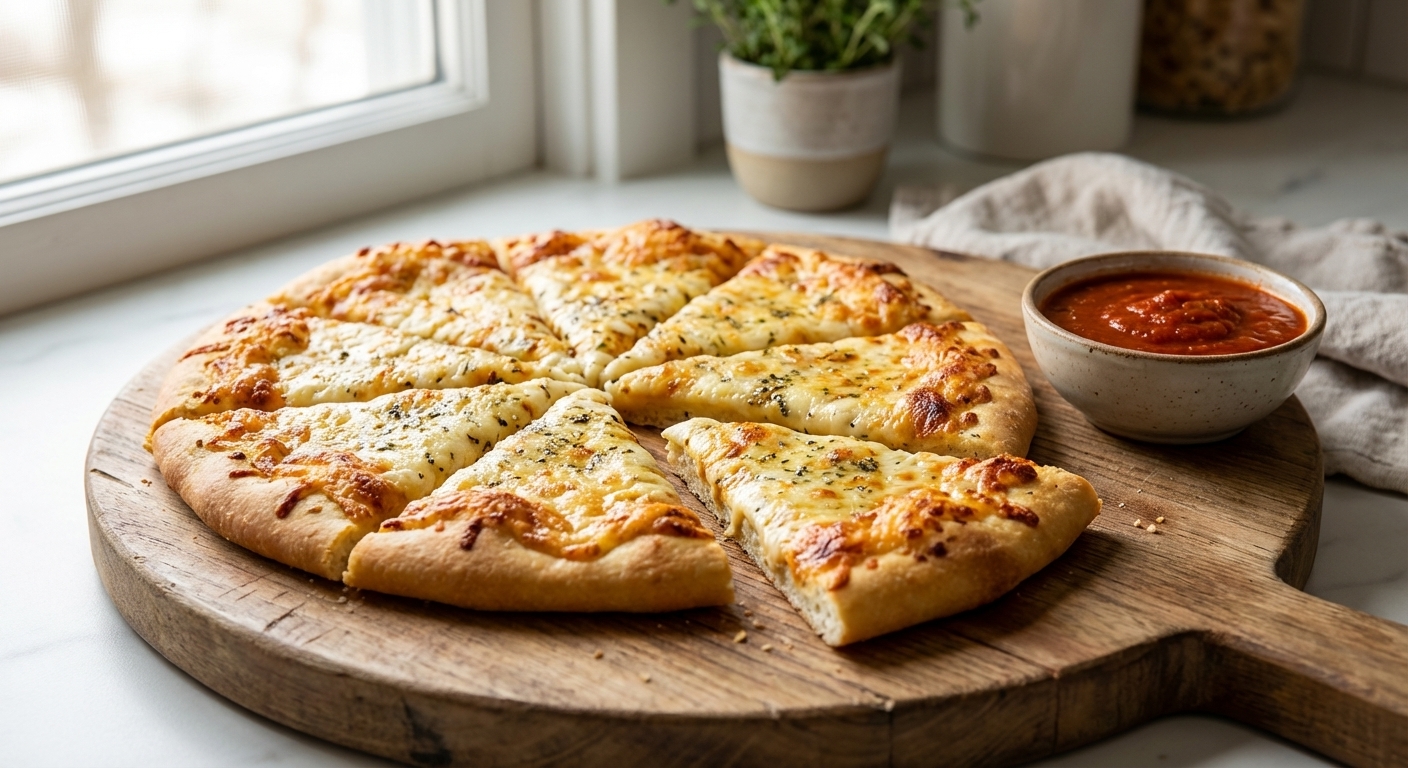
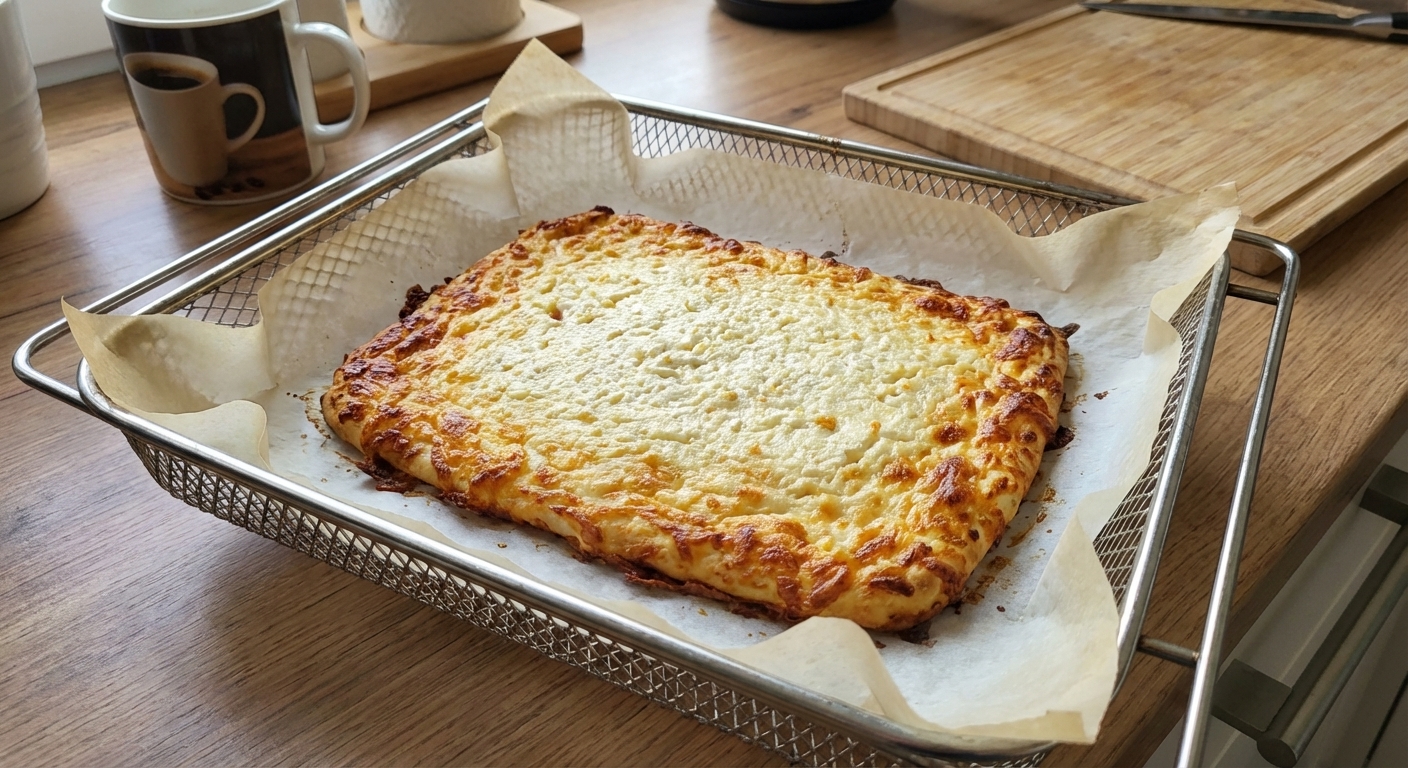
Is cottage cheese flatbread actually bread?
It is more like a protein-forward flatbread or wrap alternative. Eggs and cottage cheese set into a flexible, sliceable round, and the flour gives it a bready chew. Think “savory pancake meets thin flatbread.”
Do I have to blend the cottage cheese?
Blending gives the smoothest batter and the most even texture, especially if your cottage cheese is curdy. If you do not blend, it still works. Expect a more rustic look, and small curds are totally normal.
Should I drain watery cottage cheese?
If your cottage cheese looks very wet or has a puddle of liquid on top, drain off 1 to 2 tablespoons (or give it a quick strain) before mixing. This helps prevent a flatbread that is soft but too moist in the center.
Why is my flatbread sticking?
Most sticking is either not enough preheat or not enough fat. Preheat the skillet, then add a thin film of oil or butter. Also wait to flip until the edges look set and the bottom releases easily.
Why did mine turn out wet in the middle?
Two common reasons: the flatbread is too thick, or the heat is too high and the outside browns before the inside sets. Spread the batter thinner, cook on medium to medium-low, and cover the pan for a minute to help it finish setting. A good cue is “no wet shine” in the center.
Can I make it gluten-free?
Yes, use a 1:1 gluten-free all-purpose flour blend. Texture may be slightly more delicate, so cook gently and let it cool for a minute before slicing.
How much protein is in it?
It depends on your cottage cheese brand and serving size, but as a ballpark, the full batch is often around 35 to 45 grams protein total (about 18 to 23 grams per flatbread if you make two). Treat this as approximate and plug your exact ingredients into a nutrition calculator for precise numbers.
Allergen notes?
This recipe contains eggs and dairy, plus gluten unless you use a gluten-free flour blend.