Mom's Best Recipes
Recipe

Cottage Cheese Pancakes (High-Protein, Fluffy)

Thick, tender pancakes made with blended cottage cheese for a protein boost and a surprisingly classic pancake vibe.

Author By Matt Campbell
4.8
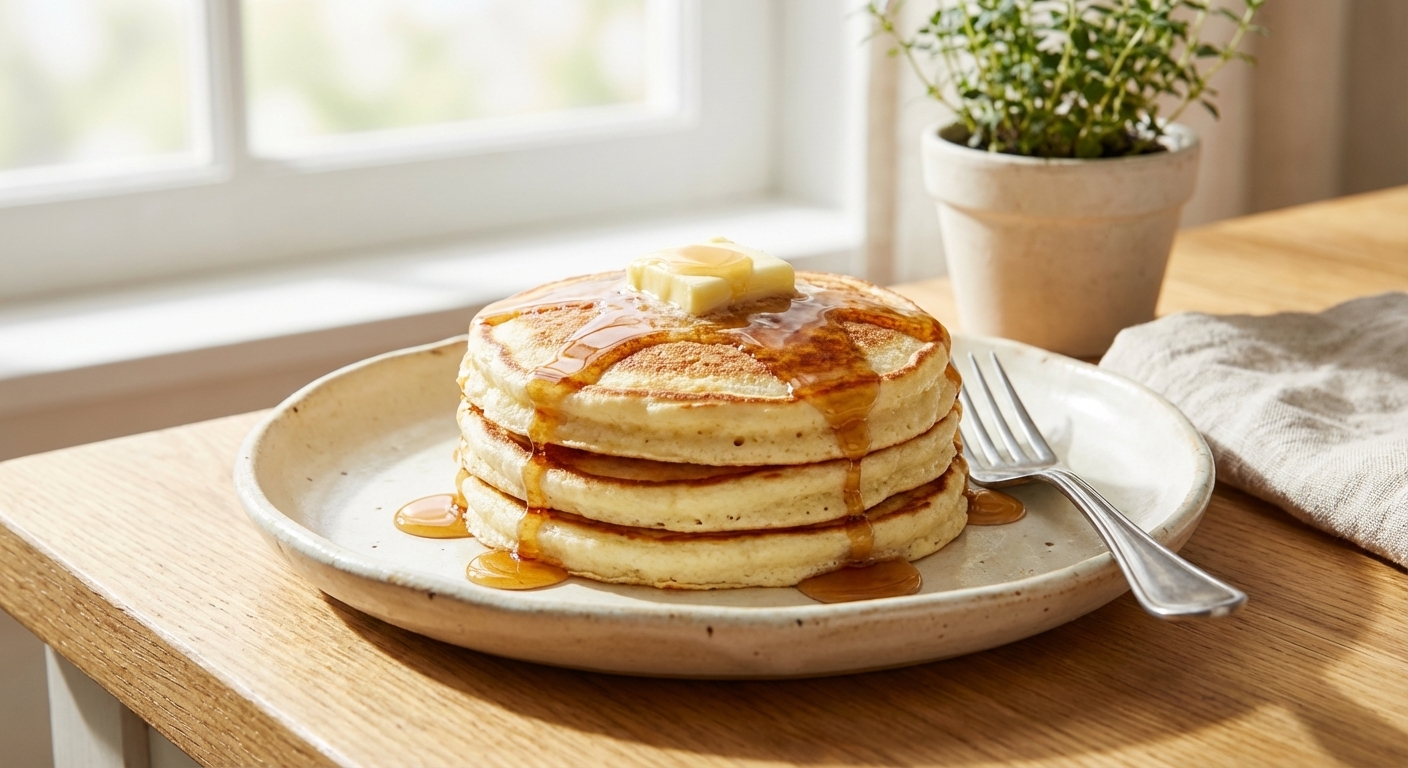
A stack of thick, fluffy cottage cheese pancakes on a ceramic plate with butter melting on top and maple syrup dripping down the sides, set on a bright kitchen table with a fork beside the plate, photorealistic food photography

These cottage cheese pancakes are what happens when you want a cozy stack of pancakes but also want breakfast to actually stick with you. We blend cottage cheese into the batter, which sounds a little chaotic, but the result is pure comfort: fluffy centers, lightly crisp edges, and a thick batter that still cooks up like a proper pancake.

They are tender, satisfying, and very forgiving. If you can run a blender and flip a pancake without panicking, you are in business.

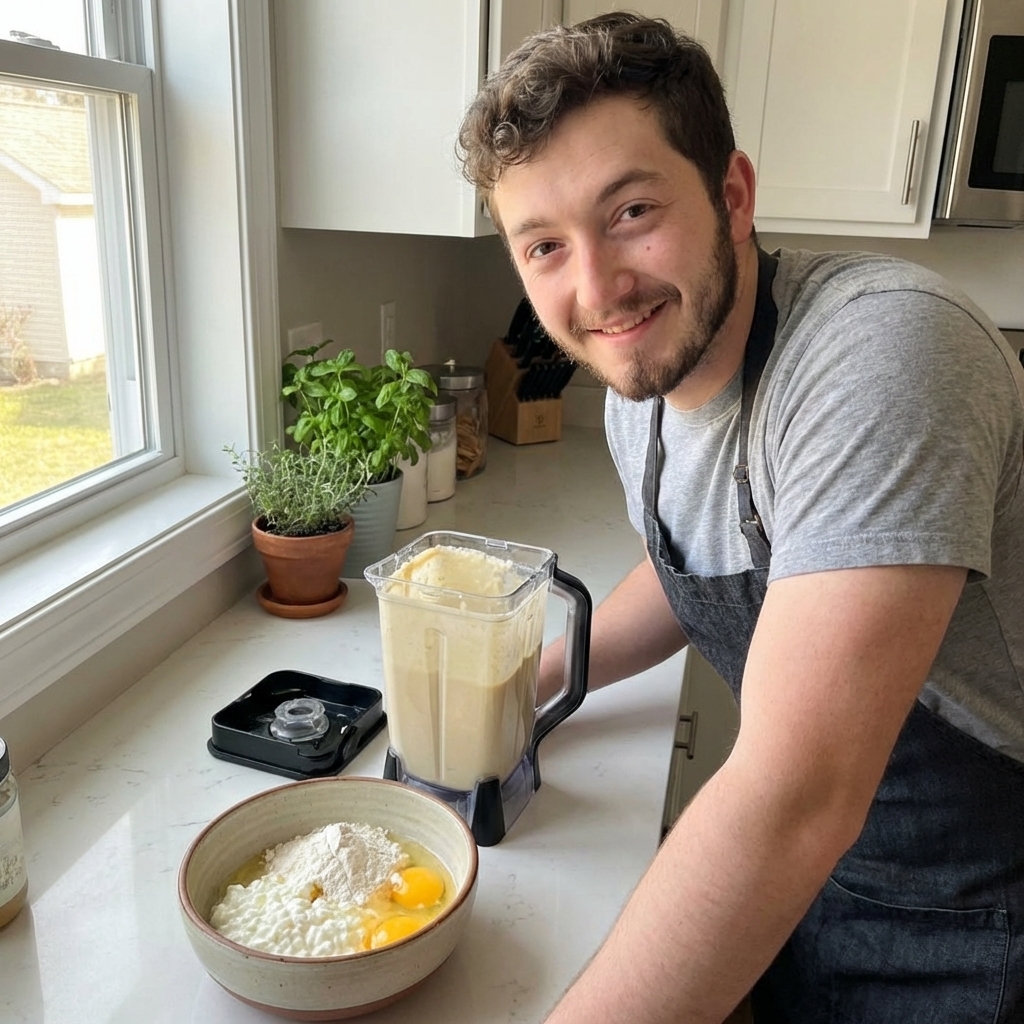
A countertop blender jar filled with smooth pancake batter beside a bowl of cottage cheese, eggs, and flour on a clean kitchen counter, natural morning light, photorealistic food photography

Why It Works

  • Blending makes them fluffy, not lumpy. Cottage cheese turns into a smooth, thick base that keeps pancakes tender and gives the batter body.
  • Protein-boosted without weird texture. Compared to regular pancakes, these are a little more moist and custardy inside, but still taste like pancakes.
  • Easy to customize. Add protein powder, lemon zest, blueberries, or chocolate chips without derailing the batter.
  • Crisp edges, soft centers. Medium-low heat plus a lightly greased pan gives you that golden, diner-style finish.

Taste and texture comparison: Regular pancakes are mostly flour-forward and airy. Cottage cheese pancakes are still fluffy, but thicker and more tender, with a mild dairy richness. If you blend well, you will not taste “curds.” You will just taste a pancake that is a little richer and more satisfying.

Pairs Well With

Storage Tips

Fridge: Cool pancakes completely, then store in an airtight container for up to 4 days. If you stack them, place parchment paper between layers so they do not stick.

Freezer: Freeze in a single layer on a baking sheet until firm, then transfer to a freezer bag for up to 2 months. This keeps them from becoming one giant pancake brick.

Reheat: For best texture, warm in a toaster or toaster oven until hot and lightly crisped. Microwave works in a pinch, but they will be softer. If reheating from frozen, add an extra minute or two and keep an eye on the edges.

Common Questions

Do these taste like cottage cheese?

Not really, as long as you blend the batter smooth. The flavor reads as lightly tangy and rich, like buttermilk pancakes. If you leave the curds unblended, you will notice little pockets, which some people love, but the vibe is more “cheesecake-adjacent.”

Why blend the cottage cheese first?

Blending makes the batter uniform so the pancakes cook evenly and stay fluffy. Cottage cheese curds can hold water and create wet spots. Smooth batter equals consistent browning and a more classic pancake texture. If your cottage cheese is extra curdy, blend a little longer and scrape down the blender once.

Is the baking soda necessary?

Baking soda helps browning and lift, but cottage cheese acidity varies by brand. To avoid any soapy taste, this recipe uses a small amount. If you are sensitive to baking soda flavor, reduce it to 1/8 to 1/4 teaspoon and add 1 extra teaspoon baking powder.

Can I add protein powder?

Yes. Use 1 scoop (about 25 to 30 g) whey or a whey blend for the easiest texture. Protein powder thickens batter fast, so either (1) add 1 to 3 tablespoons milk until scoopable, or (2) reduce the flour by 2 to 3 tablespoons. Avoid adding multiple scoops or the pancakes can turn dry and rubbery.

How much protein is in these?

It varies by brand and whether you add protein powder, but expect roughly 8 to 12 g protein per 2 pancakes (without protein powder) when you make the full batch as written. With a scoop of protein powder, it will be higher.

Do I need flour?

A little flour helps structure and fluff. Without it, the pancakes lean more custardy and can be delicate. This recipe uses a modest amount so they still feel like pancakes, not a breakfast omelet in disguise.

Can I make them gluten-free?

Yes. Swap the all-purpose flour for a 1:1 gluten-free baking blend. Let the batter rest 5 minutes so it hydrates, then cook as directed.

What if my pancakes are browning too fast?

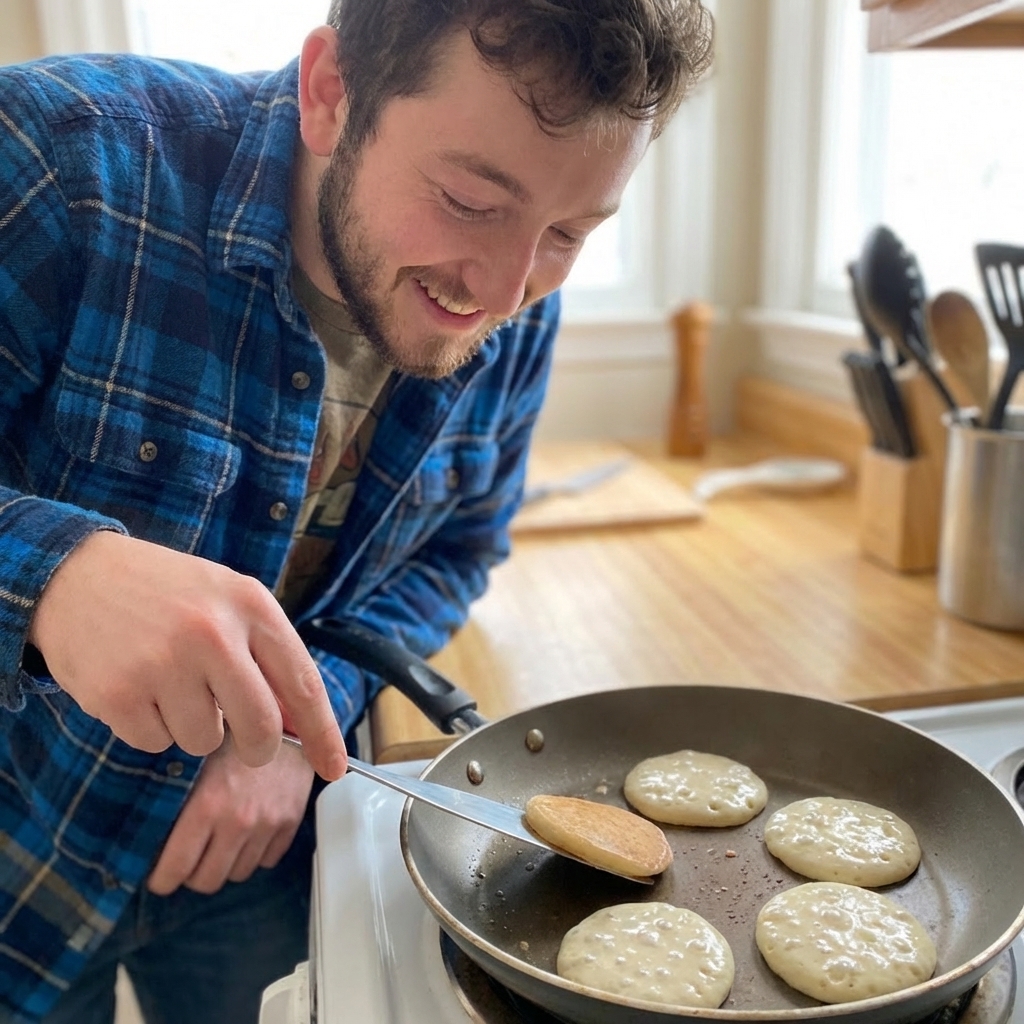
Lower the heat slightly. Because the batter is thicker and has dairy, it can brown quickly. Medium or medium-low usually gives you the best golden finish without a raw center.

Can I make these lower sugar or lactose-free?

For lower sugar, use 1 to 2 teaspoons maple syrup (or skip it) and lean on vanilla and toppings for sweetness. For lactose-free, use lactose-free cottage cheese and regular milk or unsweetened almond milk.

I started making these on mornings when I wanted pancakes but did not want the classic “I ate sugar clouds and now I need a nap” outcome. Cottage cheese sounded like a questionable decision until I blended it and saw this thick, glossy batter. The first bite sold me. Fluffy, golden, legit pancake energy. Now it is my go-to when I want breakfast that feels fun but still has some staying power, especially on busy weekdays when I need fuel more than I need a culinary project.