Mom's Best Recipes
Recipe

Cozy Fish Stew

Tender white fish and potatoes in a garlicky tomato broth with lemon and herbs. Cozy, bright, and reliably weeknight-friendly.

Author By Matt Campbell
4.8
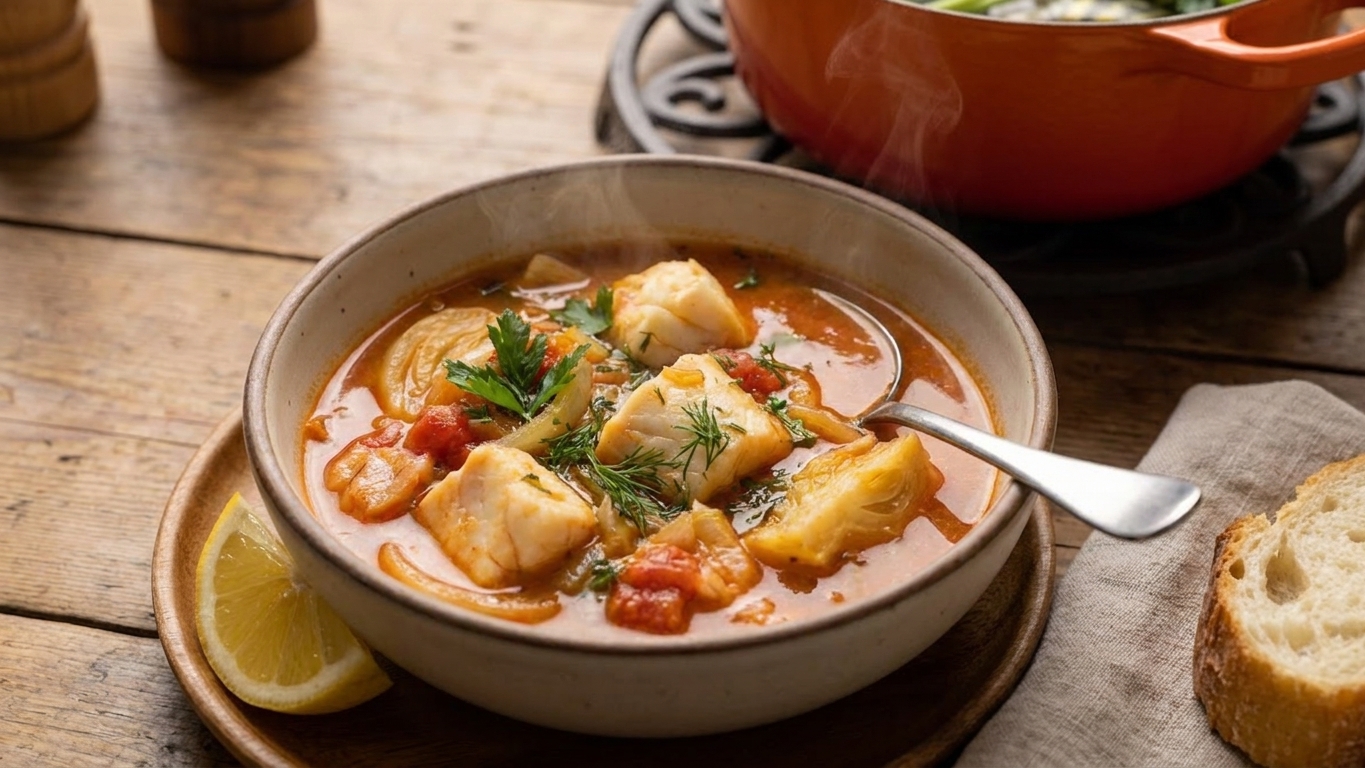
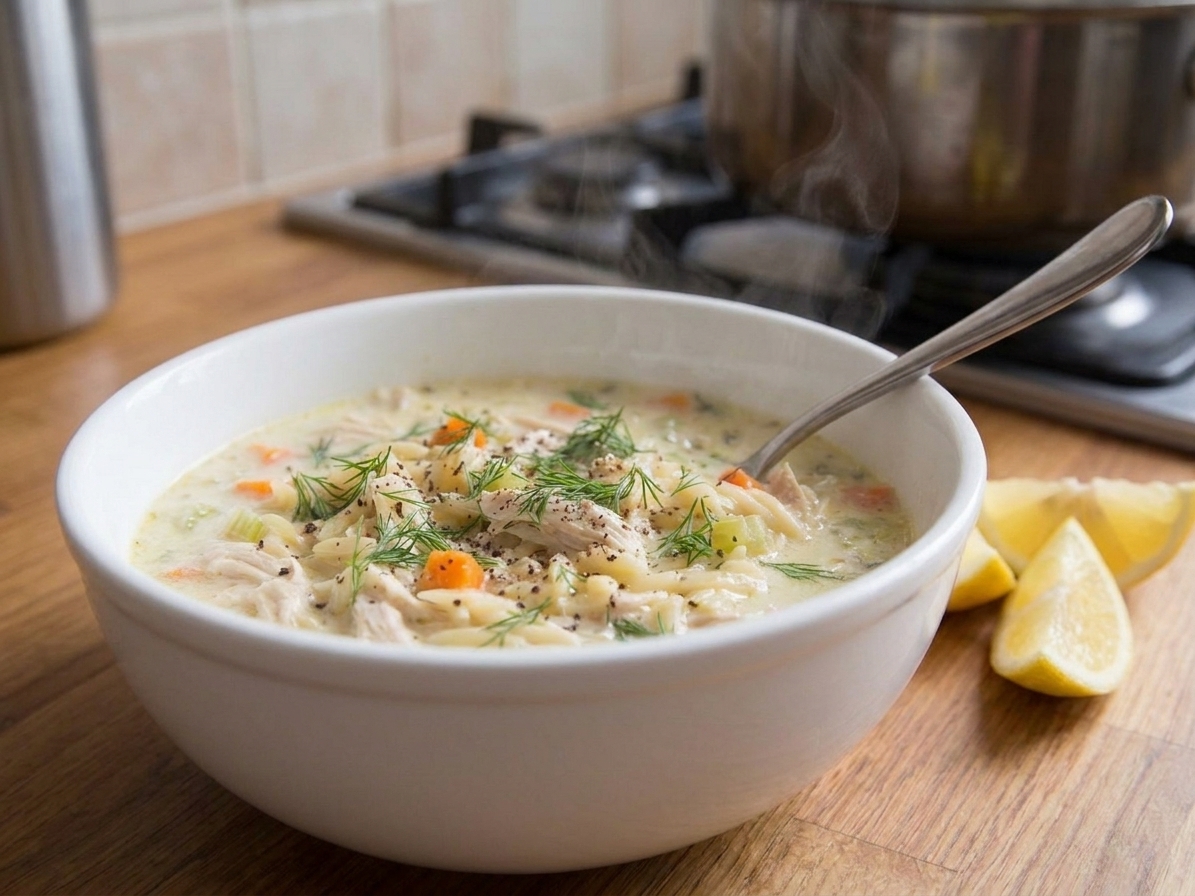
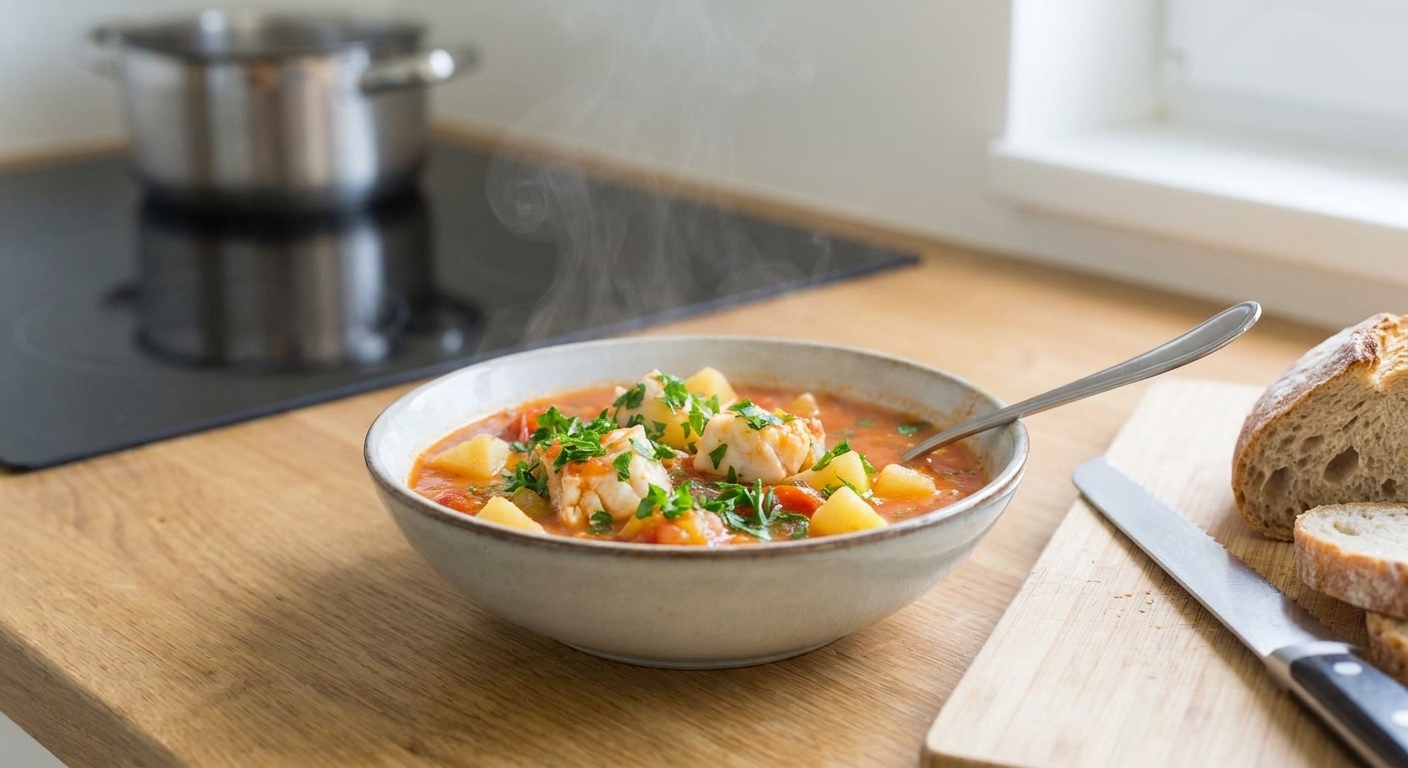
A steaming bowl of tomato-based fish stew with chunks of white fish, potatoes, and fresh parsley, served on a wooden table with a spoon and crusty bread nearby

Fish stew is one of those dishes that feels like you’re doing something impressive, but it is secretly just a very organized pot of deliciousness. You build a flavorful broth, let potatoes get tender, then gently poach fish right at the end so it stays juicy and flaky instead of turning into sad seafood confetti.

This version leans Mediterranean: tomatoes, garlic, a little smoked paprika, and a lemony finish that makes the whole bowl taste brighter and lighter than it has any right to. It is cozy, yes. But it is also the kind of cozy that still tastes awake.

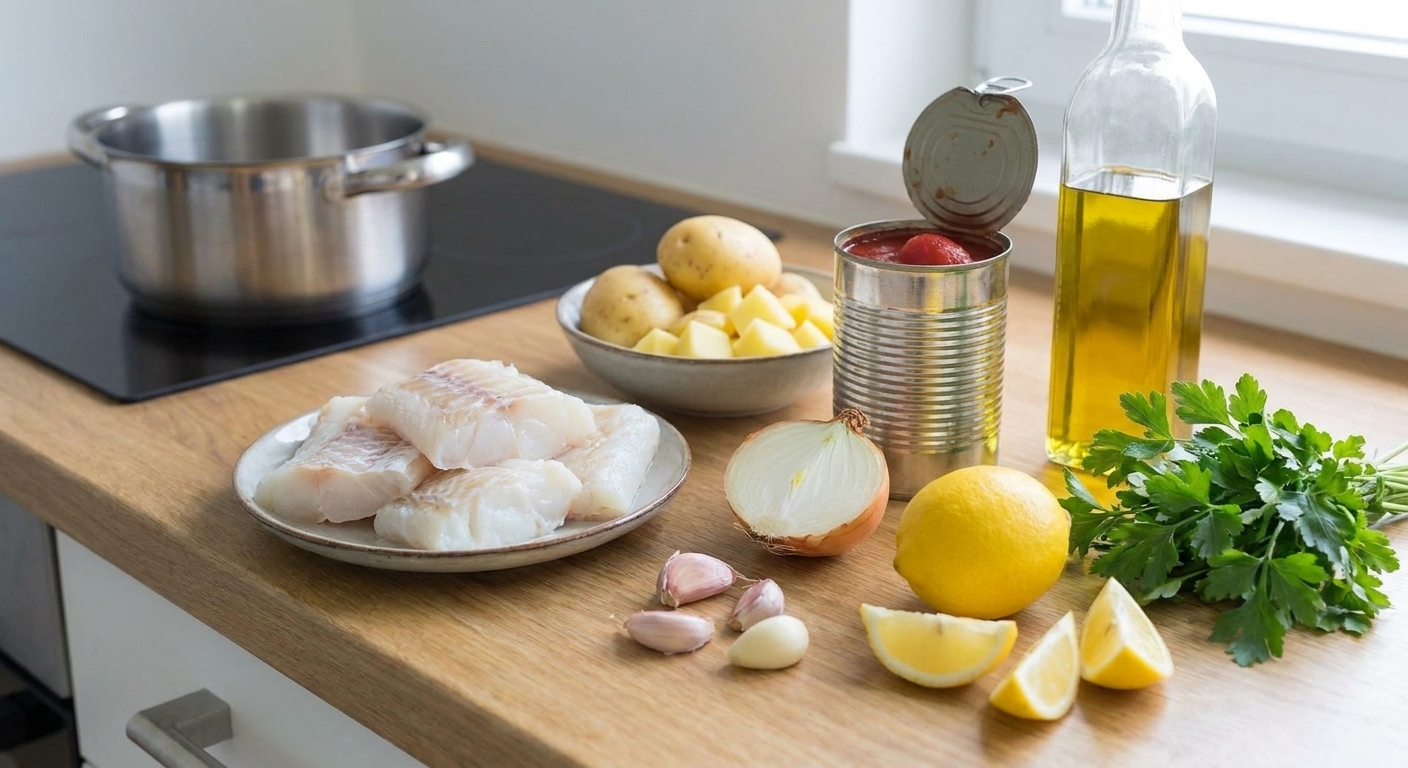
A kitchen counter with raw white fish pieces, Yukon Gold potatoes, canned tomatoes, onion, garlic, lemon, parsley, and olive oil arranged for cooking

Why It Works

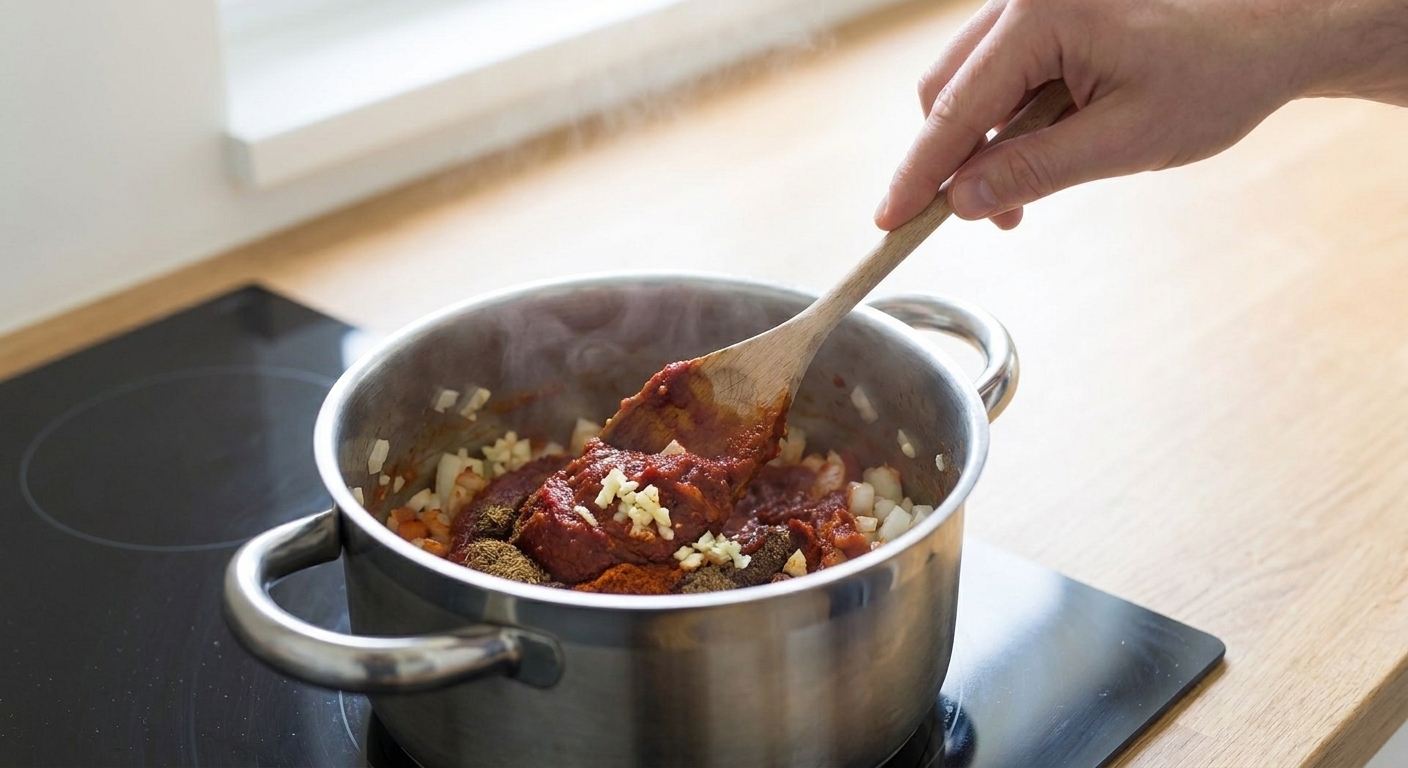
  • Big flavor from simple moves: tomato paste gets cooked down, spices bloom in oil, and the broth tastes like it simmered all afternoon.
  • Perfect fish texture: fish goes in at the end and gently poaches, so it stays tender and flaky.
  • Cozy carbs built in: Yukon Gold potatoes hold their shape and thicken the stew naturally, so it eats like a full meal.
  • Flexible: swap the fish, add shrimp, toss in greens, or make it a little spicy. The base welcomes it.

Pairs Well With

Storage Tips

Refrigerate: Cool, then store in an airtight container for up to 2 days. Fish is best sooner rather than later.

Reheat gently: Warm in a pot over low heat until just hot. Avoid a hard boil or the fish can tighten up and break apart. Add a splash of broth or water if it thickened.

Freezing: I do not love freezing fish stew because the fish can get a bit dry and the potatoes can turn grainy. If you want a freezer-friendly option, freeze the broth and potatoes before adding fish, then add fresh fish when reheating.

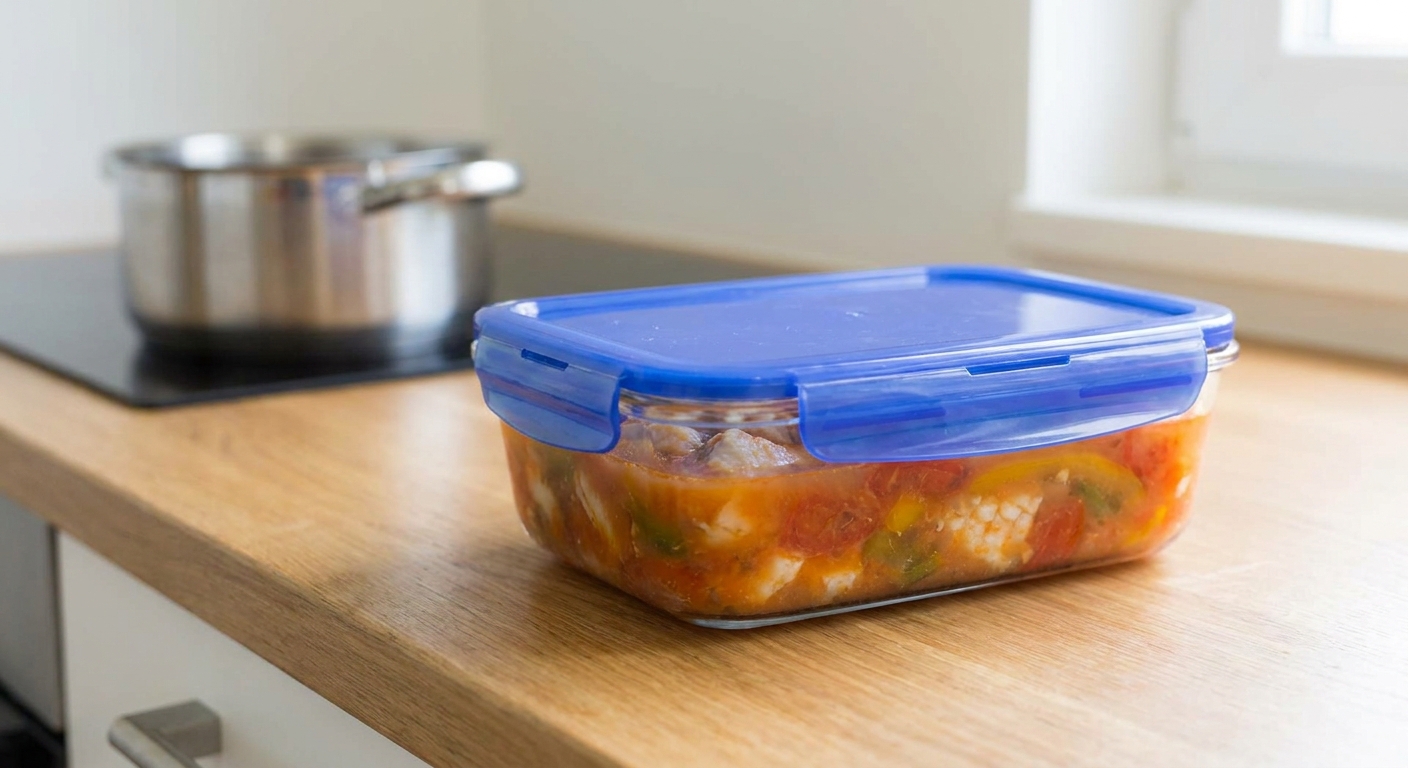
A glass food storage container filled with leftover fish stew, sealed with a lid on a clean kitchen counter

Common Questions

What fish is best for fish stew?

Go for a firm white fish that can handle a gentle simmer: cod or halibut are the most forgiving. Haddock and pollock also work, but they can be a bit more delicate, so cut them into nice big pieces and stir as little as possible once they are in the pot. Sea bass, grouper, and similar firm fish are great too. Salmon works if you want a richer, more assertive bowl.

Can I use frozen fish?

Yes. Thaw it in the fridge overnight if you can. If you are in a hurry, thaw in a sealed bag in cold water, then pat it dry. Extra water can dilute the stew.

How do I keep fish from getting rubbery?

Add it at the end and keep the stew at a gentle simmer, not a rolling boil. Most 1-inch pieces are done in about 5 to 7 minutes, but go by doneness cues: the fish should turn opaque and flake easily. If you like a more specific target, many cooks pull white fish around 130 to 140°F for a tender texture.

Can I make it dairy-free and gluten-free?

This recipe is naturally dairy-free and gluten-free as written. Just serve with gluten-free bread or rice if needed.

What if my stew tastes flat?

Hit it with one of these: a bigger pinch of salt, more lemon juice, a splash of vinegar, or a little more garlic and parsley. Also, make sure you cooked the tomato paste long enough to deepen it.

Can I add shellfish?

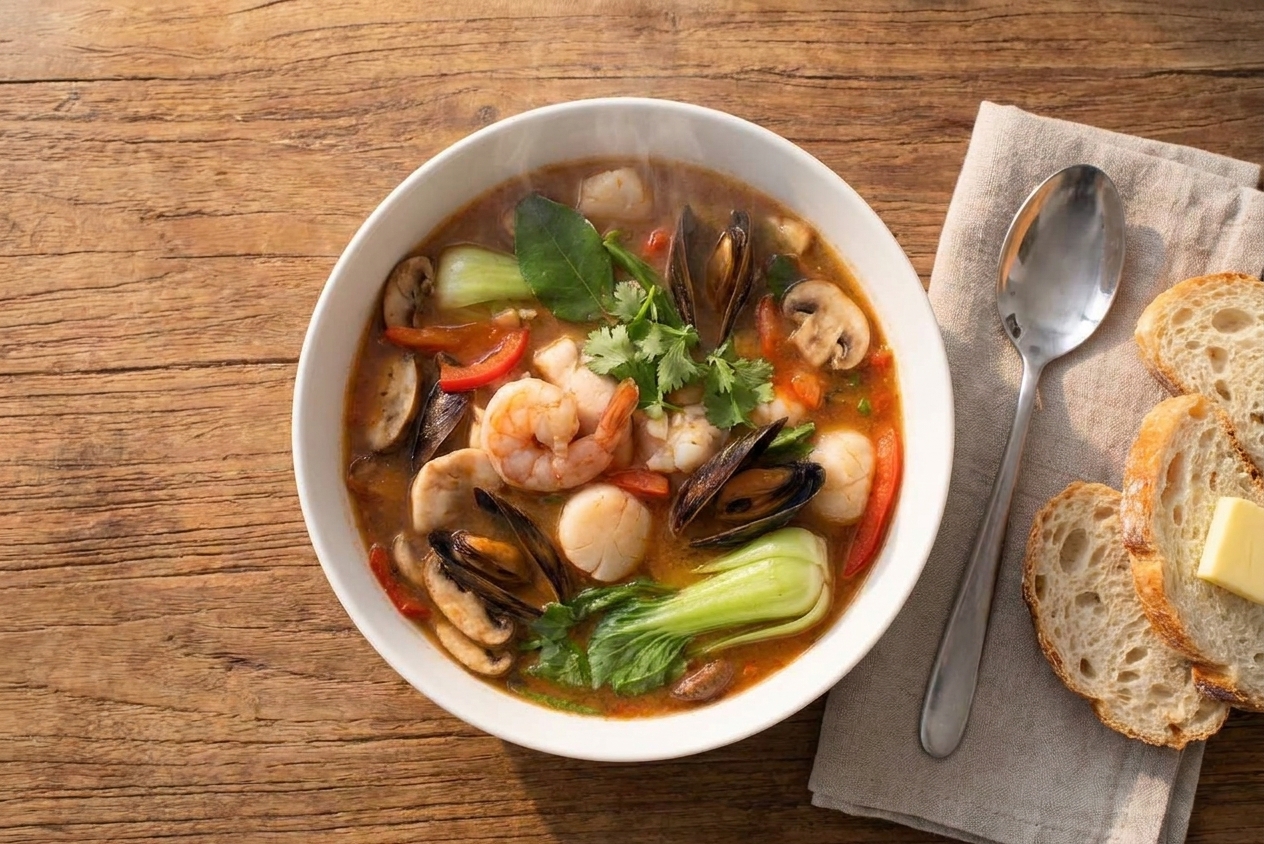
Absolutely. Add peeled shrimp in the last 3 to 4 minutes, or add scrubbed mussels after the potatoes are tender and cook covered until they open. Discard any mussels that stay closed.

Can I add greens?

Yes, and it is an easy win. Stir in a few handfuls of baby spinach at the very end and let it wilt in the residual heat, or add chopped kale for the last 5 minutes of the potato simmer so it softens up.

I love fish stew because it feels like restaurant food that still behaves on a weeknight. The first time I made a version like this, I overcooked the fish, panicked, and tried to “fix it” by stirring more. That only made it flake into the broth like it was trying to disappear. Now I treat fish like a last-minute guest: it shows up late, gets the best seat, and nobody bothers it. Add it, simmer gently, then stop touching it. The stew gets better, and so does your mood.