Mom's Best Recipes
Recipe

Cozy Italian Pastina Soup

A simple, classic pastina soup with chicken broth, tiny pasta, and a silky egg and Parmesan finish.

Author By Matt Campbell
4.8
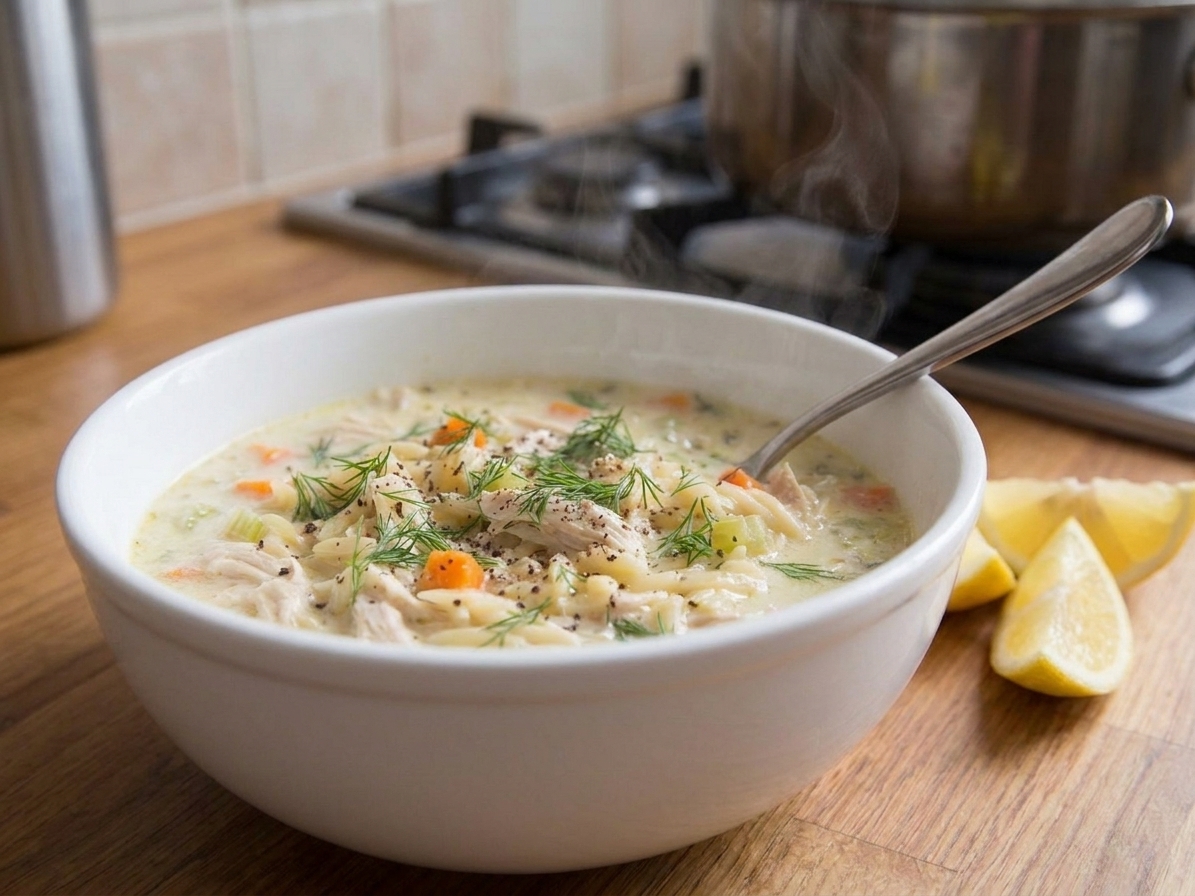
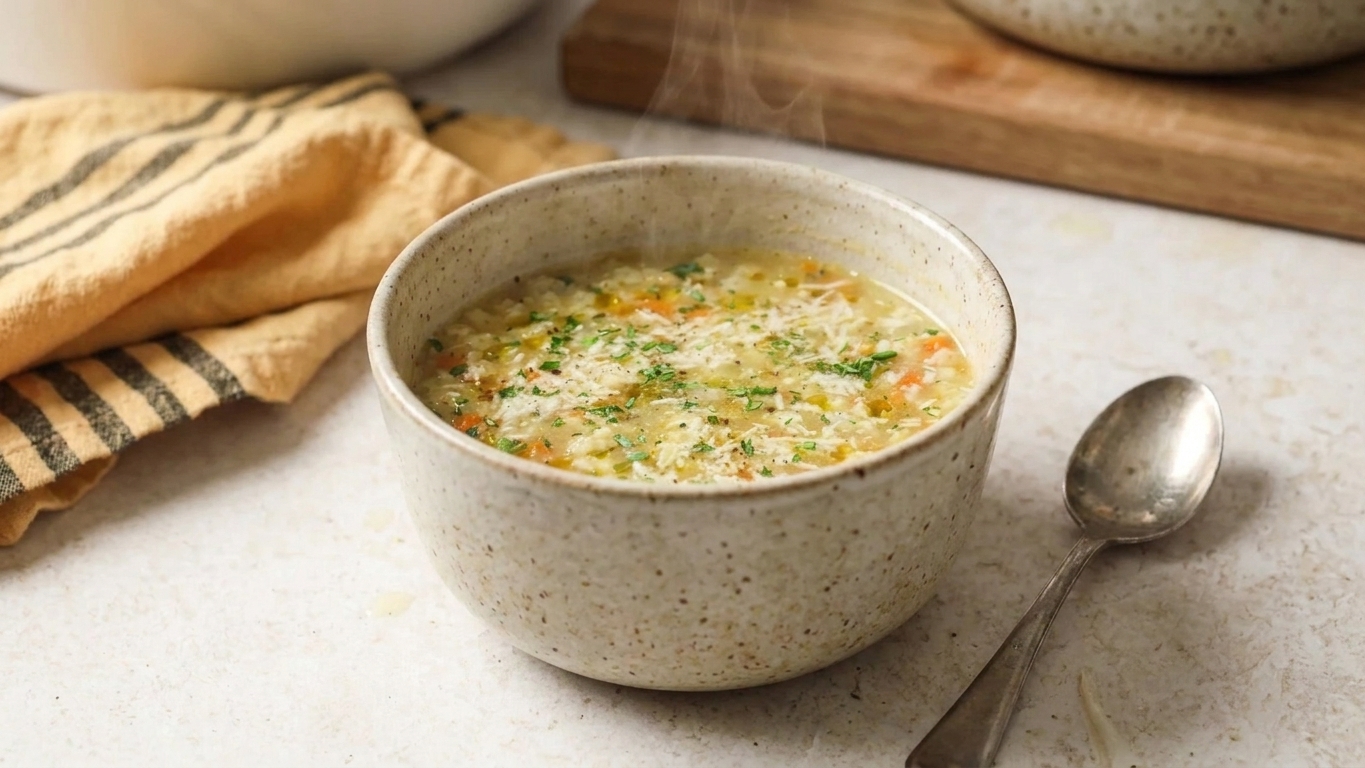
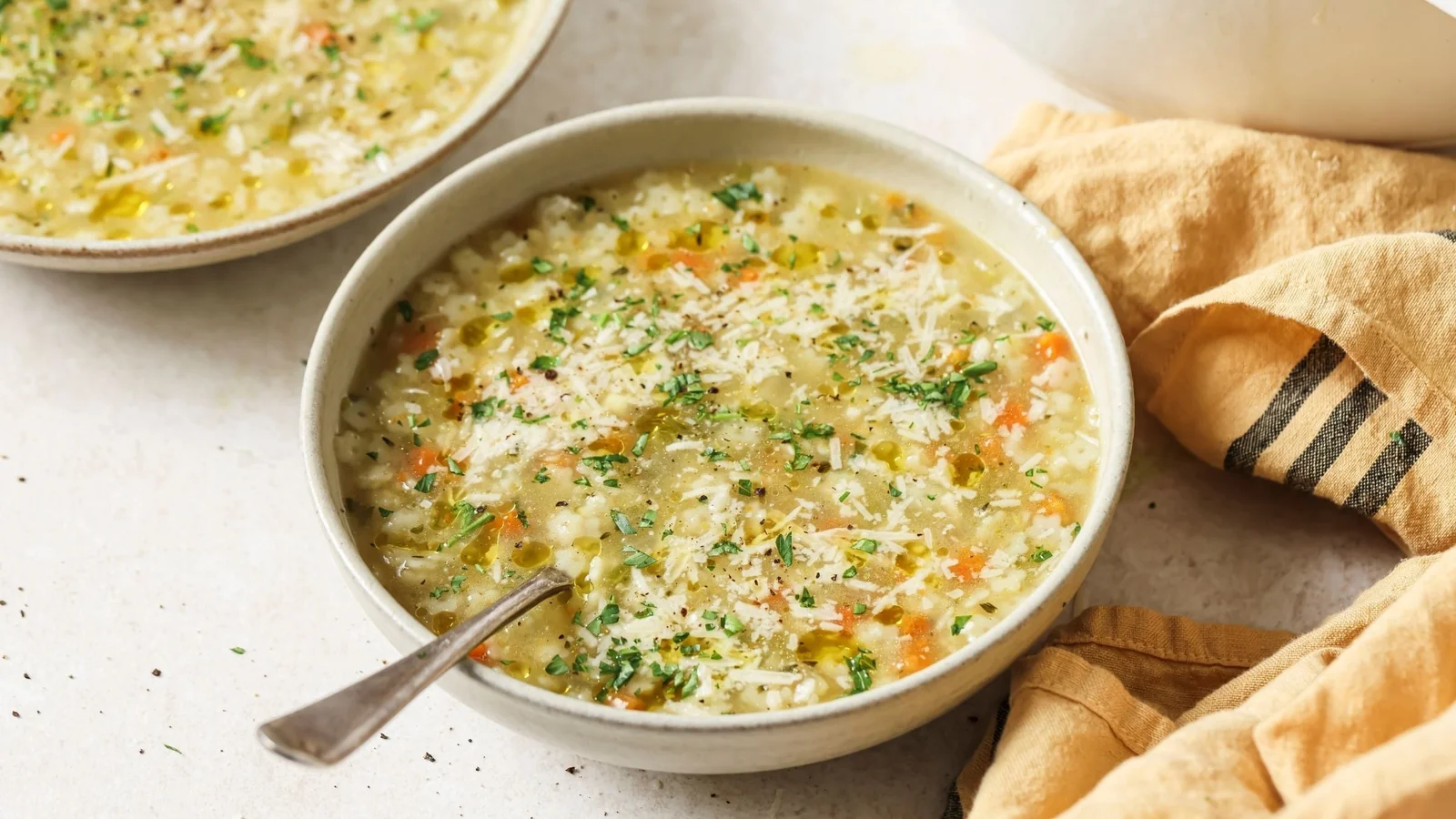
A steaming bowl of Italian pastina soup with tiny star-shaped pasta, a glossy broth, and grated Parmesan on top, set on a simple wooden table with a spoon

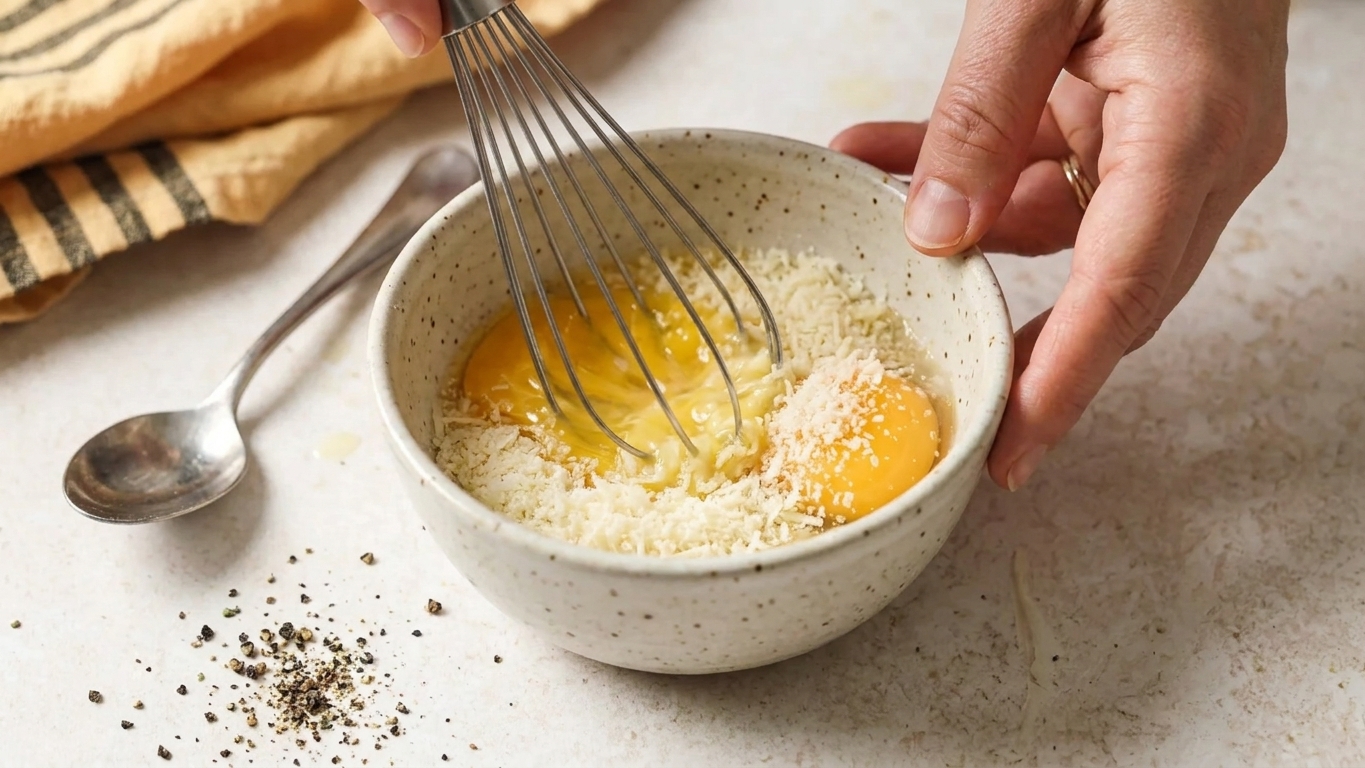
Pastina soup is one of those recipes that feels like it has a built-in sweater. It’s warm, quick, and weirdly emotional for something that’s basically tiny pasta in broth. The magic is in the finish: a beaten egg and Parmesan stirred in at the end so the broth turns silky and rich without getting heavy.

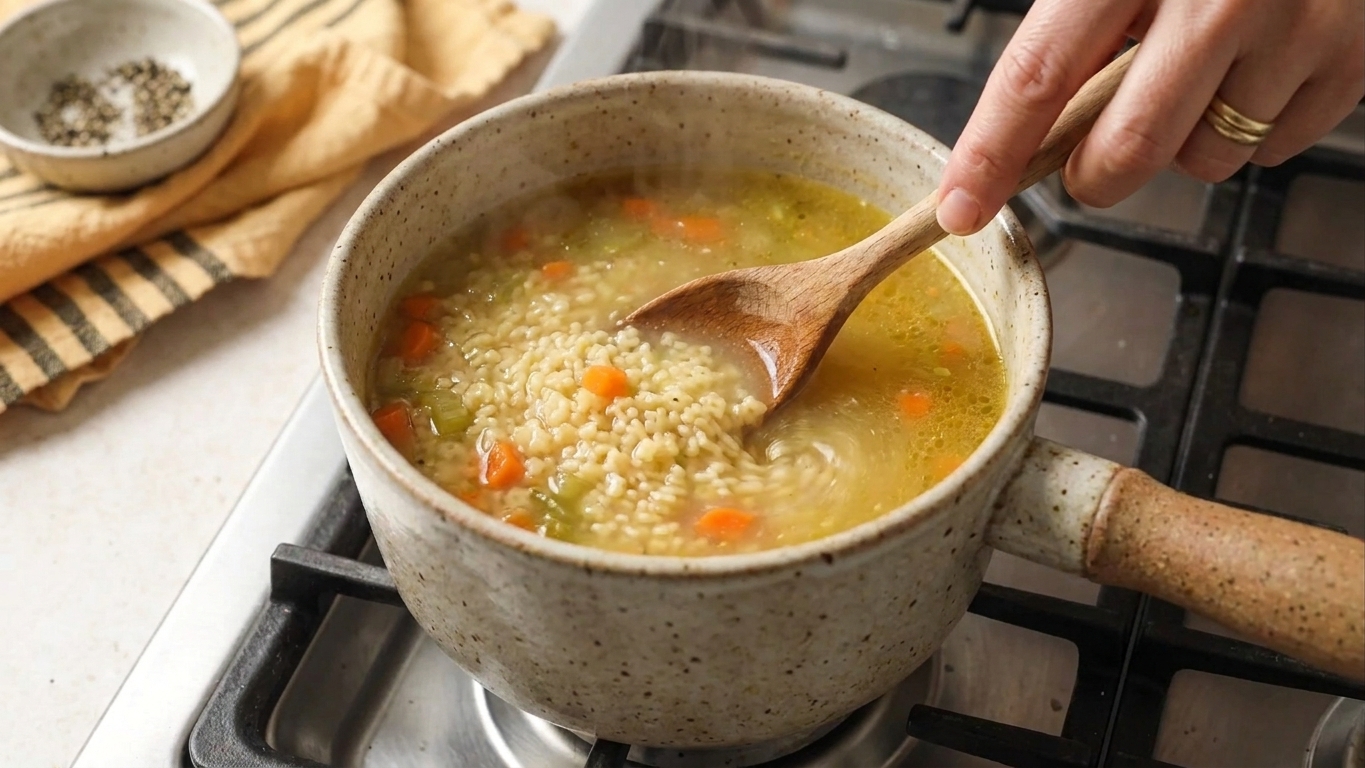
This is the version I make when I want comfort fast. No 3-hour stock situation. No fancy ingredients. Just a pot, a spoon, and the kind of seasoning that makes you take a second bite to confirm, yes, it really is that good.

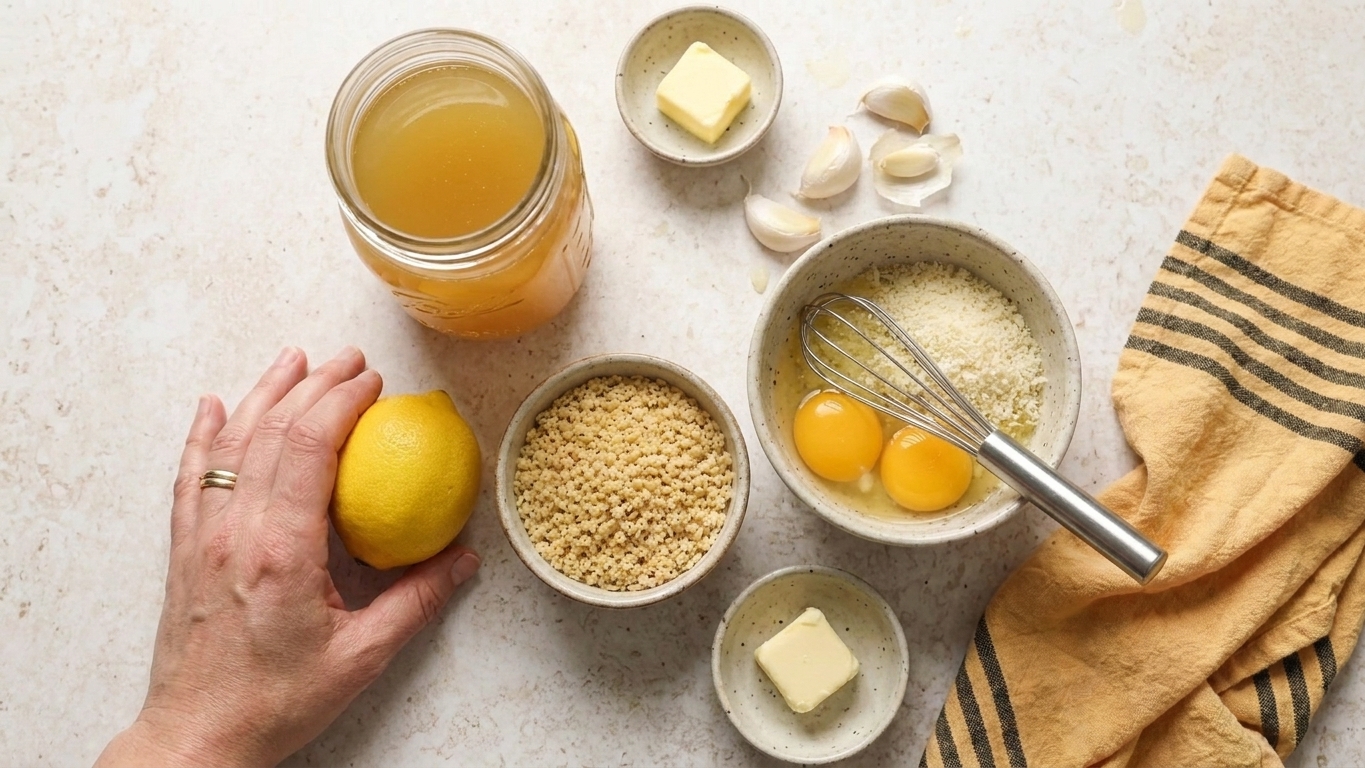
Chicken broth, pastina pasta, eggs, Parmesan, butter, garlic, and a lemon on a kitchen counter ready for cooking

Why It Works

  • Silky broth without cream: The egg and Parmesan temper into the soup and give it that cozy, velvety feel.
  • Bright but comforting: A tiny squeeze of lemon at the end keeps the flavor awake.
  • Weeknight friendly: One pot, minimal prep, and it’s ready in about 20 minutes.
  • Flexible: Use chicken, veggie, or even homemade stock, then add greens or shredded chicken if you want a bigger meal.

Pairs Well With

Storage Tips

Pastina loves to drink broth, so leftovers thicken a lot. That’s not a problem, it’s just a personality trait.

Fridge

  • Store in an airtight container for up to 3 days.
  • If possible, store with a splash of extra broth mixed in so it doesn’t set up like risotto.

Reheating

  • Warm gently on the stove over medium-low heat, stirring often.
  • Add broth or water, a few tablespoons at a time, until it’s soup again.
  • If you want it extra glossy, finish reheated soup with a small knob of butter and a pinch of Parmesan.

Freezing

  • I don’t love freezing pastina soup because the pasta gets very soft. If you must, freeze in an airtight container for up to 2 months for best quality.
  • Cool it quickly, freeze promptly, thaw overnight in the fridge, and reheat until steaming hot throughout. Plan to add fresh broth as it warms up.

Common Questions

What is pastina?

Pastina means “little pasta” in Italian. It usually refers to tiny shapes like stars (stelline), little dots (acini di pepe), or very small tubes. Anything very small works here.

Can I make pastina soup without egg?

Yes. Skip the egg and finish with butter and Parmesan. The soup will still be cozy, just a little less silky.

How do I keep the egg from scrambling?

Take the pot off the heat first, then slowly drizzle in the egg while stirring constantly. If the soup’s boiling hard, the egg will turn into ribbons. Still tasty, just a different vibe.

Why is my soup too thick?

Pastina absorbs liquid quickly, especially as it sits. Add more broth or water and stir until it loosens up. Taste again and add a pinch of salt if needed.

My soup looks grainy or a little curdled. What happened?

It likely got too hot when the egg went in. Pull it fully off the heat, whisk gently, and loosen it with a splash of cool broth. Next time, drizzle slower and keep the pot off the burner.

What can I add to make it a full meal?

  • Shredded rotisserie chicken
  • Baby spinach or chopped kale
  • Frozen peas
  • Thinly sliced carrots or celery (saute first)

Does it matter what Parmesan I use?

Use what you’ve got, but finely grated Parmigiano-Reggiano melts the smoothest. Pre-shredded Parmesan can stay a little sandy, so if that’s what you’re using, grate it finer if you can.

I didn’t go the straight-line culinary school route I thought I would. Instead I chased practical skills, the kind you can use on a random Tuesday when you’re hungry and the kitchen’s a little chaotic. Pastina soup is exactly that kind of skill. It’s simple, forgiving, and somehow feels like you did something big for yourself, even if you made it in sweatpants with one eye on the clock.