Mom's Best Recipes
Recipe

Cozy Kitchari

A one-pot Indian-inspired rice and lentil dish with ginger, turmeric, and warm spices that turns pantry basics into a creamy, comforting bowl.

Author By Matt Campbell
4.8
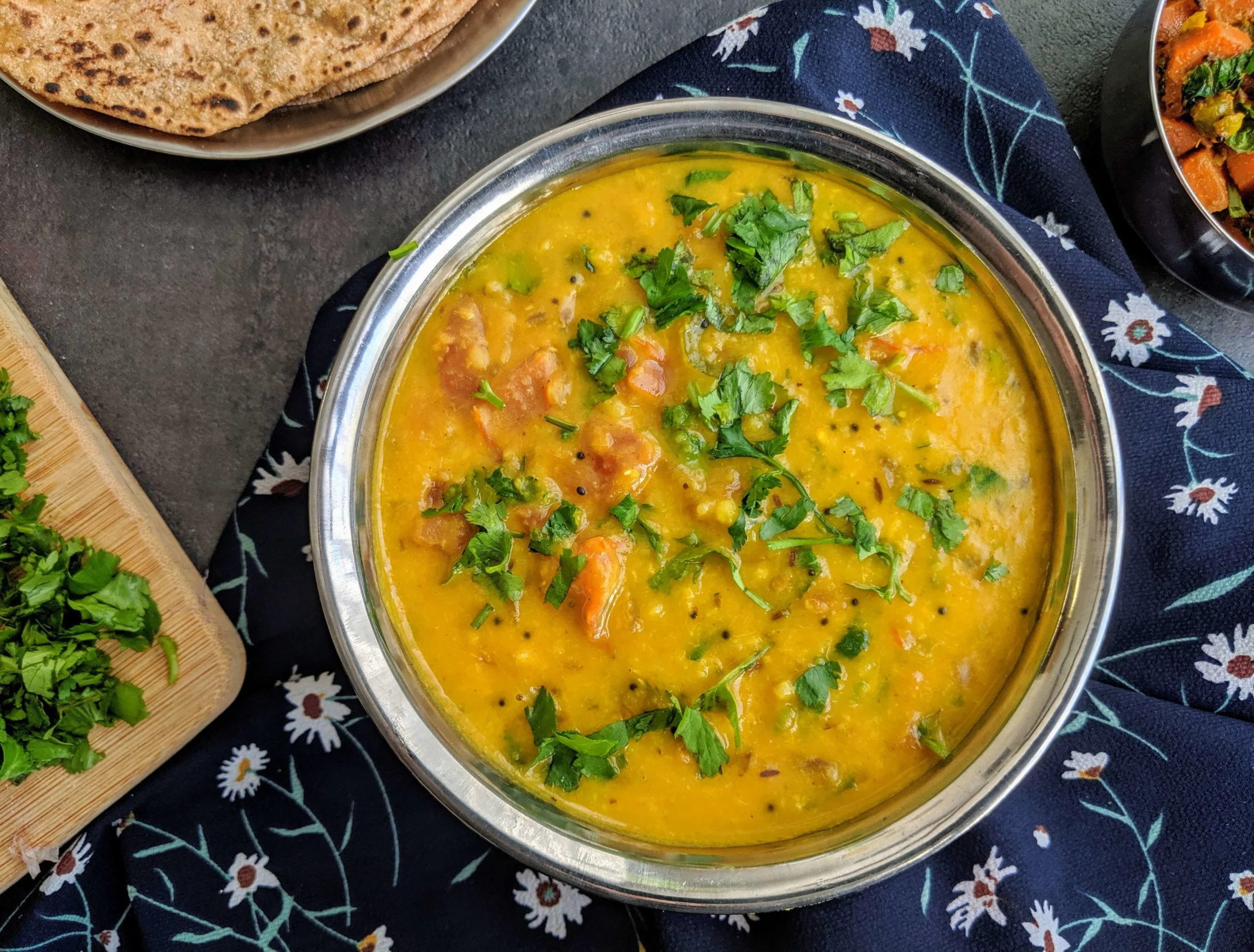
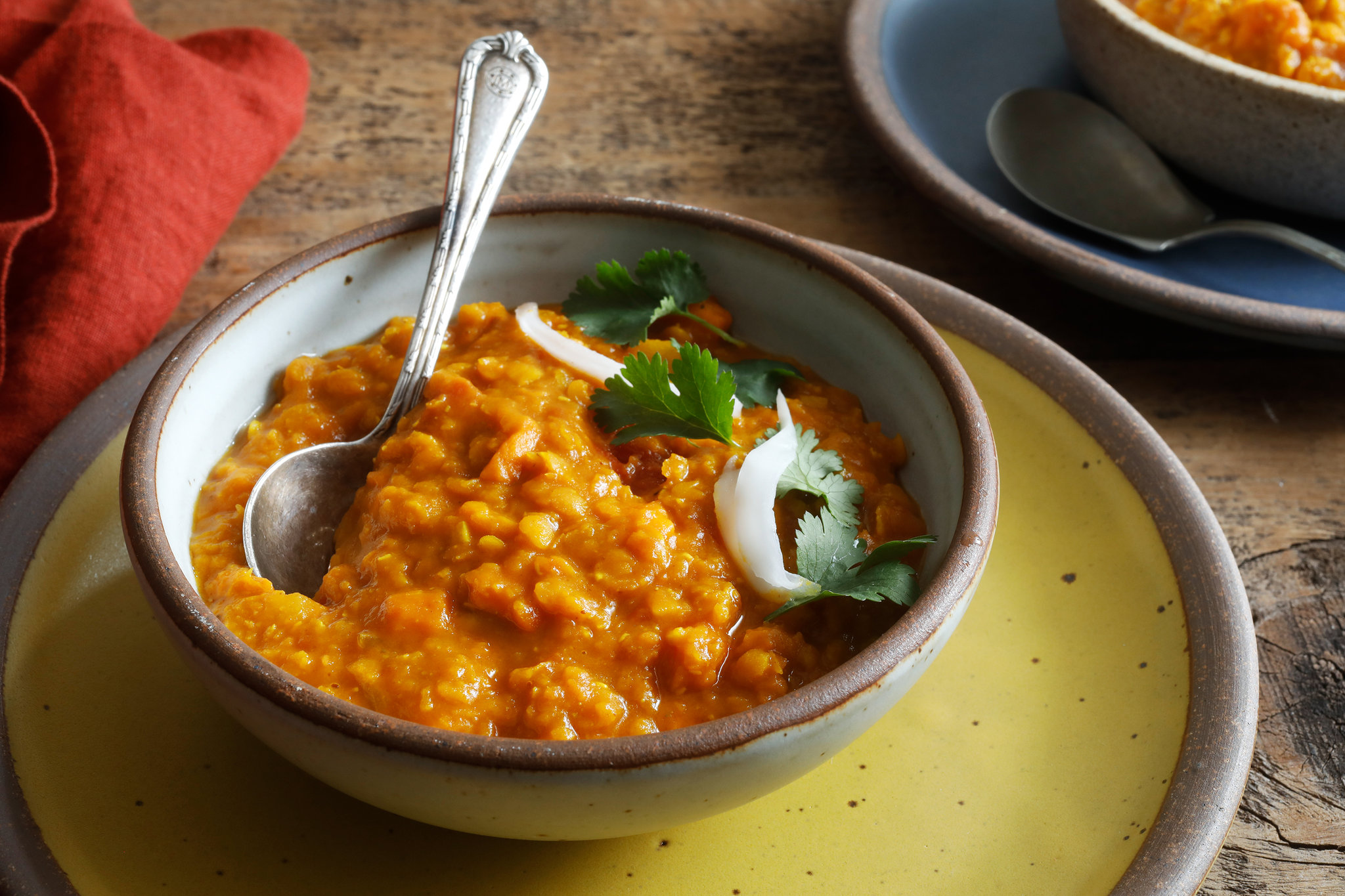
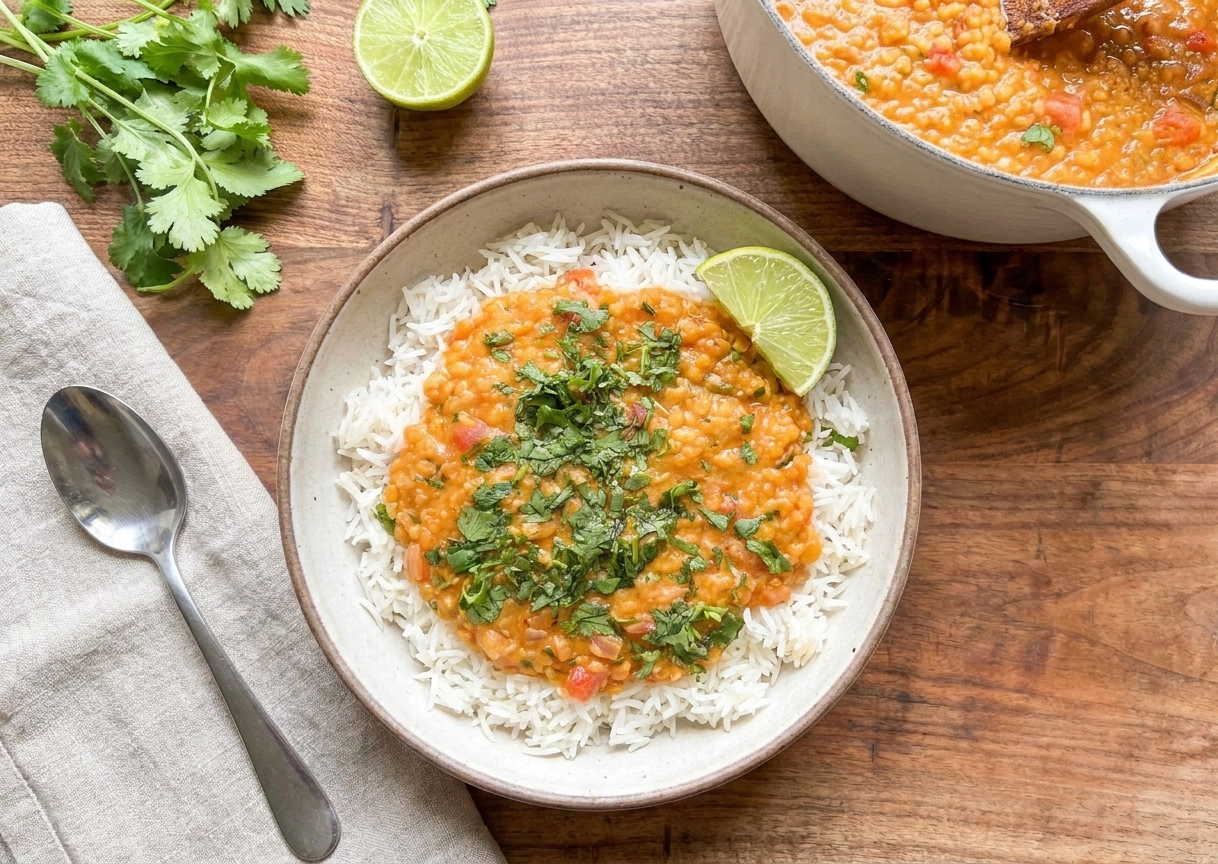
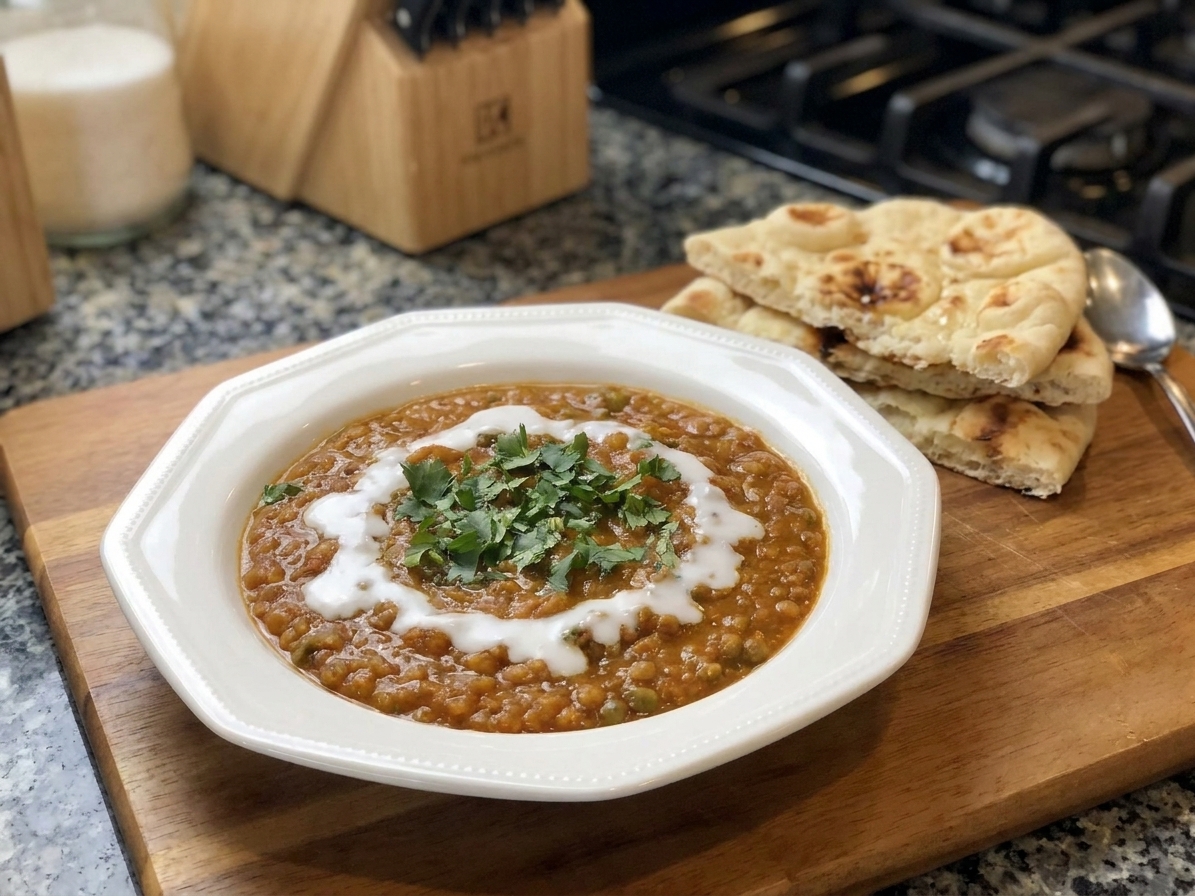
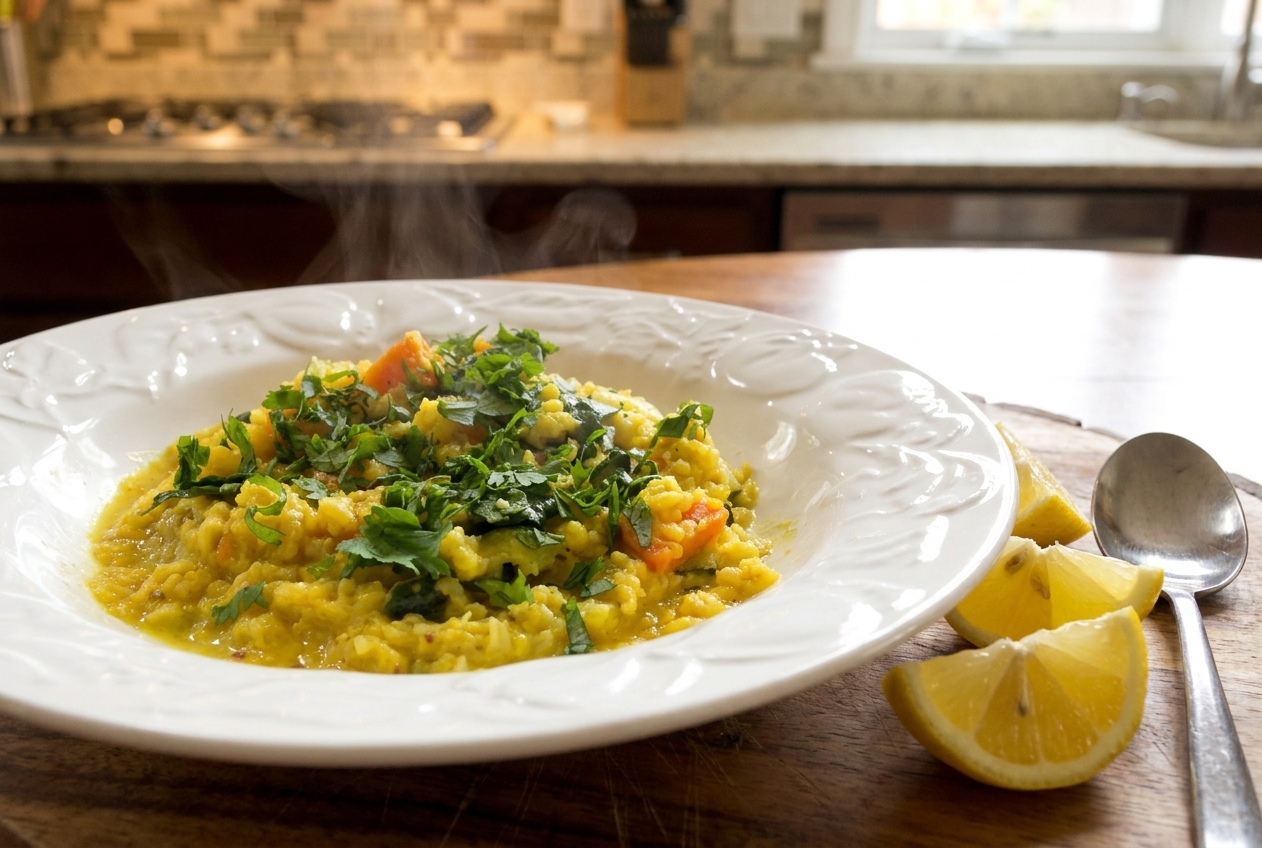
A warm bowl of kitchari made with basmati rice and yellow lentils, topped with cilantro and a small spoonful of ghee, set on a cozy kitchen table with soft natural light

Kitchari is my favorite kind of dinner: the kind that feels like you did something responsible, but also tastes like you took care of yourself. It is a simple pot of rice and lentils cooked until creamy, then woken up with ginger, turmeric, and a few whole spices that make the whole kitchen smell like something good is about to happen.

This is not a fussy recipe. You can keep it plain and soothing, or you can crank the flavor with a quick finishing sizzle of ghee and cumin. Either way, you get cozy carbs, gentle protein, and that satisfying, spoonable texture that hits even when you are not in the mood to cook.

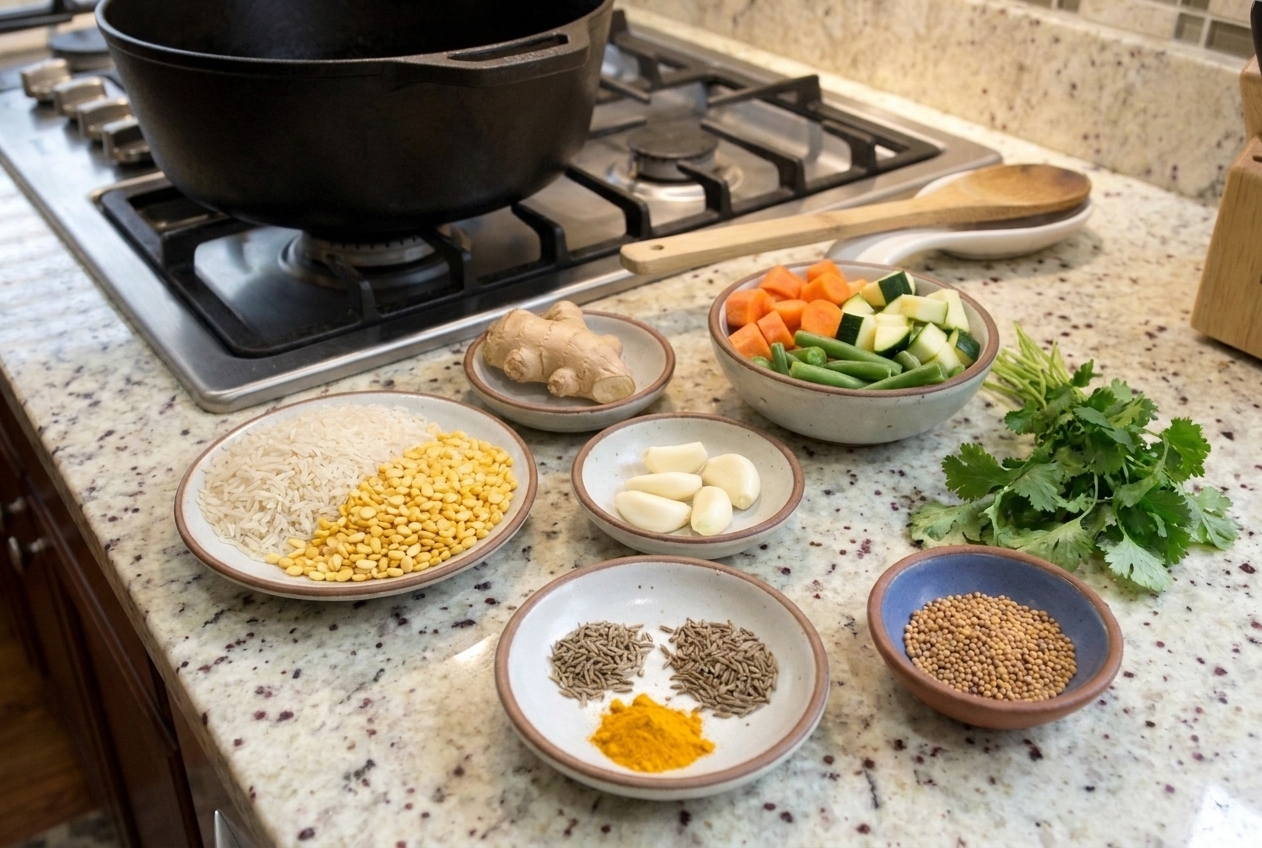
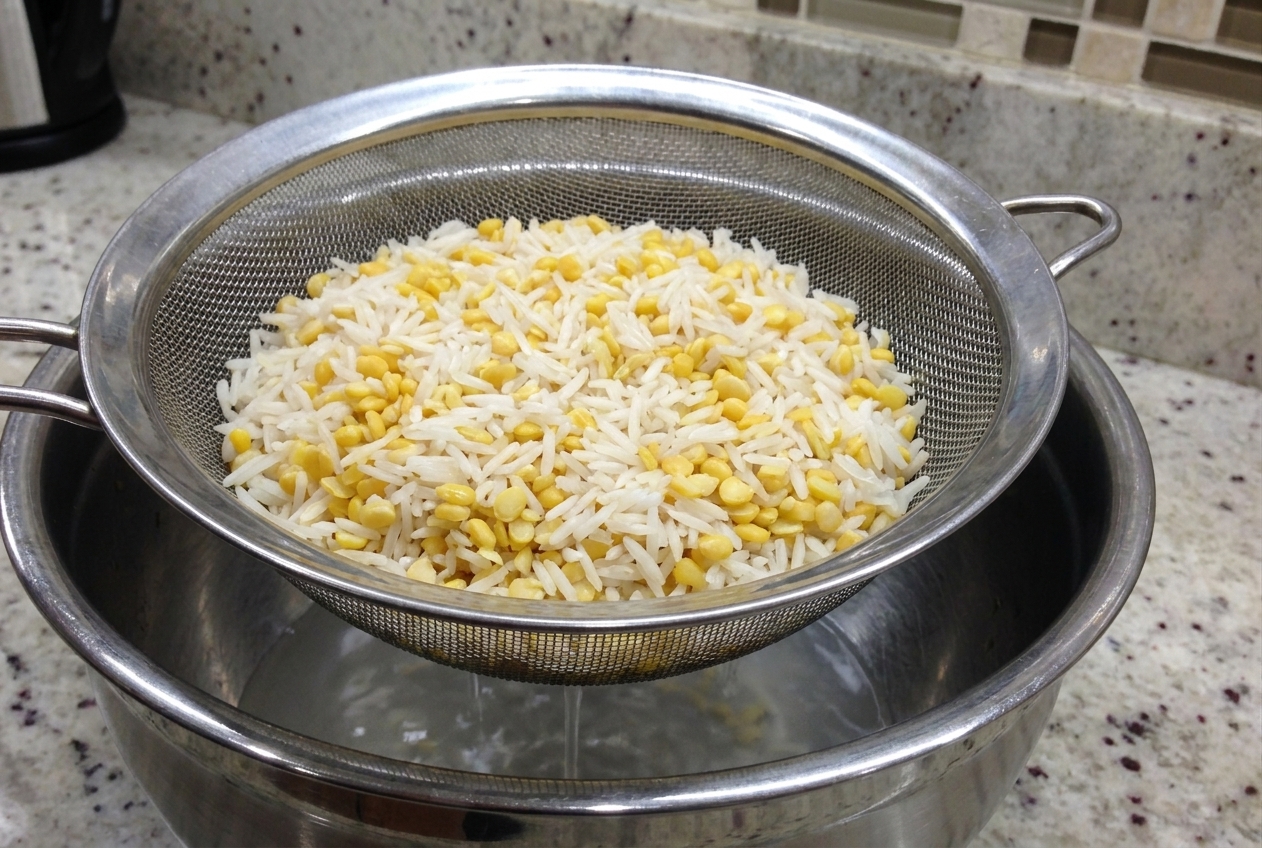
Basmati rice, yellow split mung dal, fresh ginger, garlic, turmeric, cumin seeds, mustard seeds, and chopped vegetables arranged on a light kitchen counter

Why It Works

  • One pot, low drama: everything simmers together, so you get flavor without a sink full of pans.
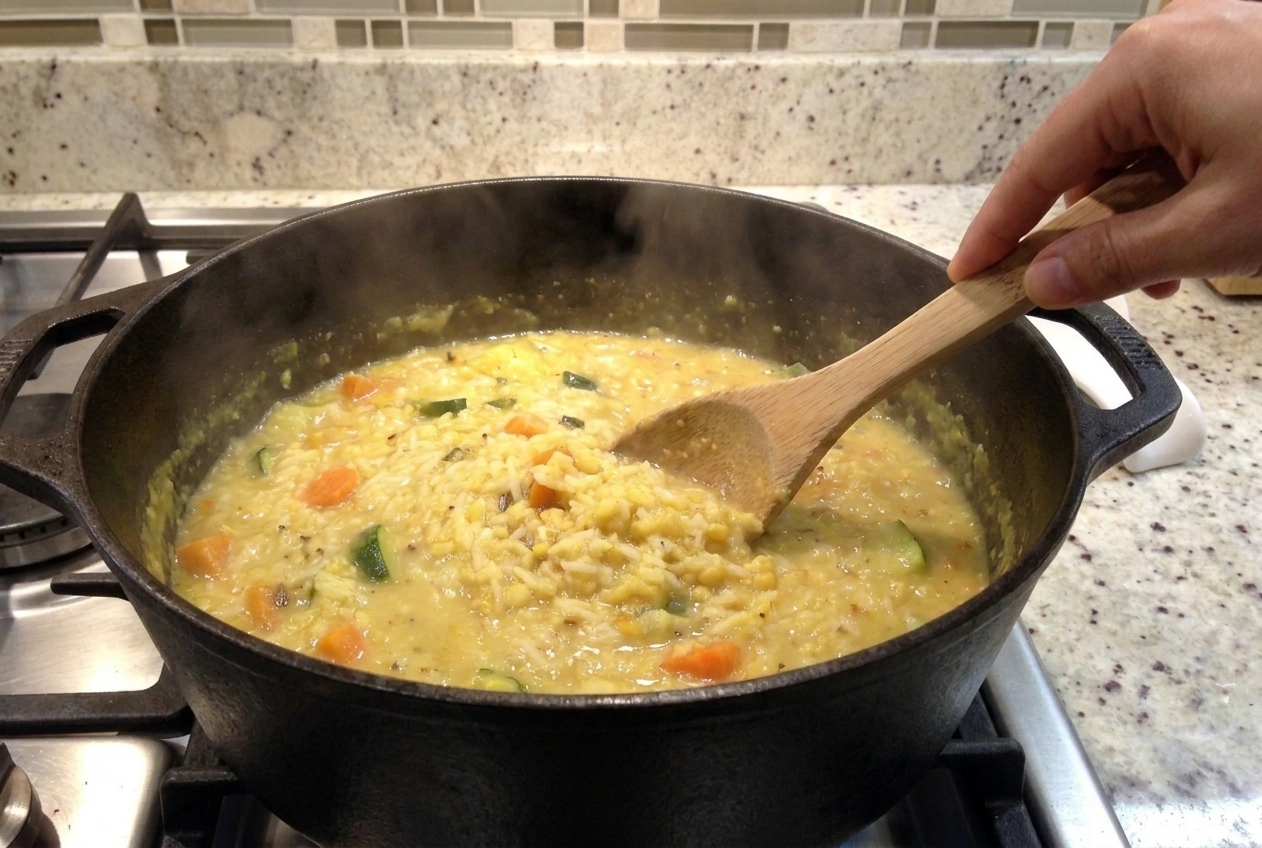
  • Comforting texture you control: keep it brothy like a stew or cook it down until it is creamy and porridge-like.
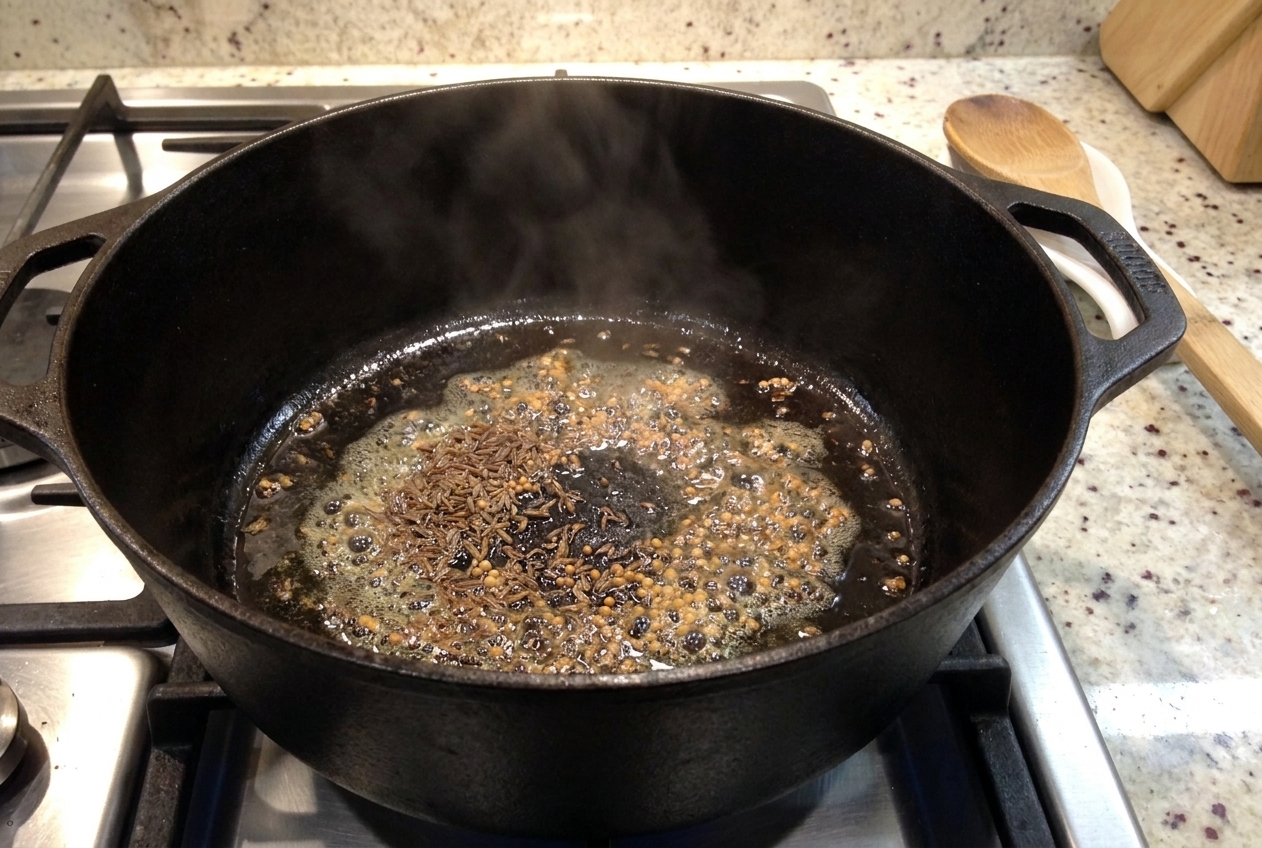
  • Big flavor from small moves: blooming spices in ghee or oil at the start makes the whole pot taste richer.
  • Meal prep champion: it reheats beautifully, and it actually tastes better after a night in the fridge.

Pairs Well With

Storage Tips

How to Store and Reheat

Refrigerate: Cool completely, then store in an airtight container for up to 4 days. Kitchari thickens as it sits, which is normal and honestly kind of great.

Freeze: Freeze in portions for up to 2 months. It is safe and convenient, but the texture may be softer after thawing.

Reheat: Warm on the stove over medium-low with a splash of water or broth, stirring often. Add liquid a little at a time until it loosens back into your ideal creamy consistency.

Flavor refresh: A squeeze of lemon, a pinch of salt, or a small spoon of ghee at the end brings leftovers right back to life.

Common Questions

What is kitchari?

Kitchari is a comforting dish made by cooking rice and lentils together with spices. Many versions use mung dal and basmati rice, but you can absolutely adapt it with what you have.

Do I have to use mung dal?

No. Yellow split mung dal is classic because it cooks fast and gets creamy, but red lentils work well too. Brown or green lentils will take longer and stay more separate, so the texture will be less porridge-like.

Can I swap the rice?

Yes. Basmati is the classic, but jasmine or other white rice works too. Brown rice takes longer and usually needs more liquid, so expect a longer simmer and a less silky texture unless you cook it down.

Is kitchari supposed to be thick or soupy?

Both are correct. Add more water or broth for a soupier bowl, or simmer uncovered longer for a thicker, spoonable situation.

Can I make it in an Instant Pot?

Yes. Use the same ingredients, then pressure cook on High for 8 minutes (mung dal) or 10 minutes (red lentils), natural release 10 minutes, then quick release. Cook time can vary by model and how soft you like it. If it is thicker than you want, stir in hot water. If the grains are not as tender as you want, use Sauté and simmer a few minutes more.

How do I make it more flavorful?

Do not skip the spice bloom step, and do not be shy with salt. Finish with lemon, cilantro, and an optional quick cumin-ghee drizzle if you want that extra aroma.

Is kitchari gluten free and vegan?

It is naturally gluten free. For strict gluten-free needs, double-check broth and spice labels for cross-contamination. For vegan, use oil or coconut oil instead of ghee.

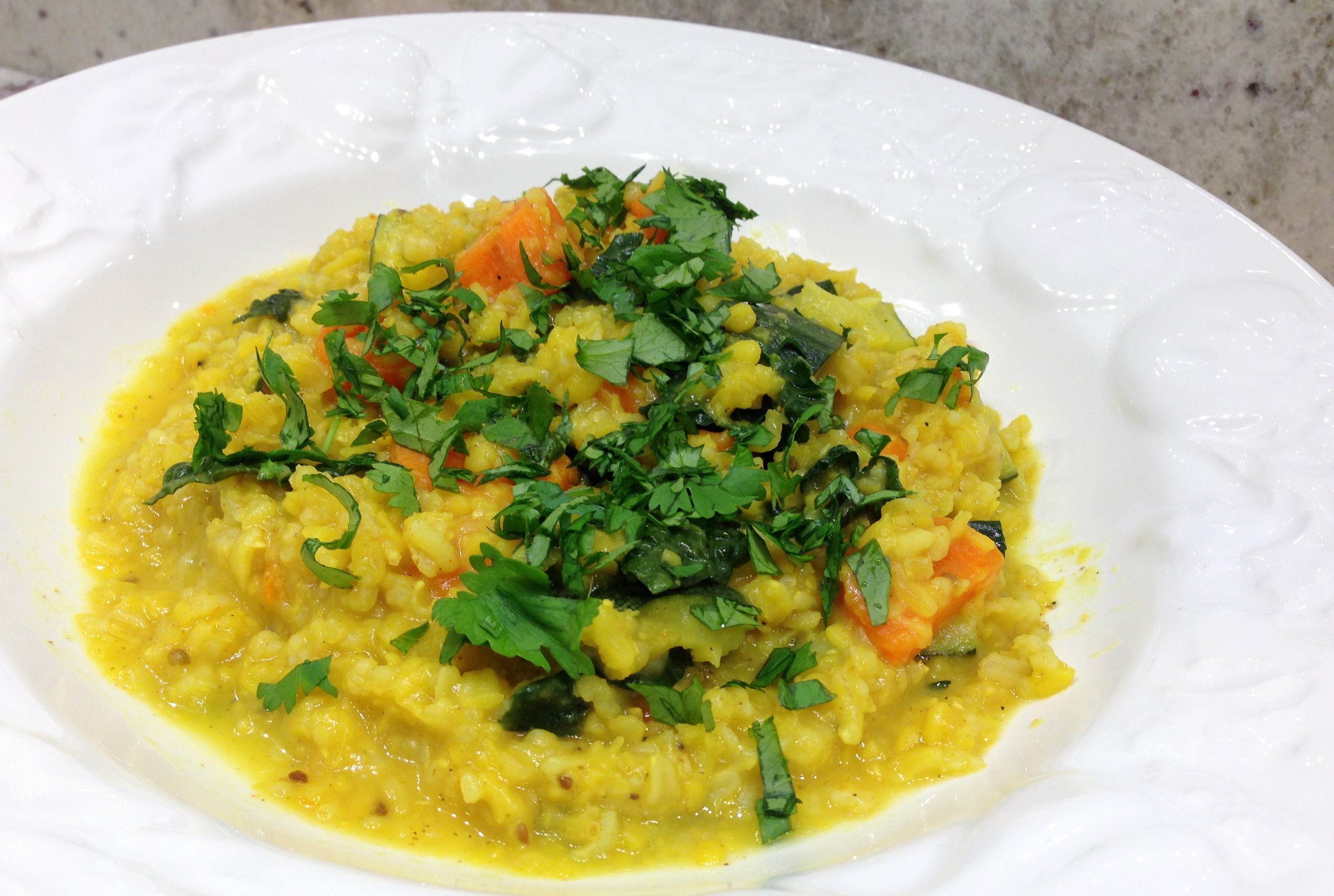
The first time I made kitchari, I treated it like it was going to be bland “healthy food” and I was wrong in the best way. The moment the cumin and mustard seeds hit hot ghee, it smelled like my kitchen had suddenly decided to be competent. Now it is my reset button meal: when I have been living off random snacks, when I need something warm, or when I just want dinner that lets me zone out a little and stir a pot. It is forgiving, it is cozy, and it always tastes like I meant to do this.