Mom's Best Recipes
Recipe

Cozy Sea Chowder

Creamy, comforting sea chowder with potatoes, corn, and a mix of seafood, finished with lemon and herbs so it tastes bright, not flat.

Author By Matt Campbell
4.8
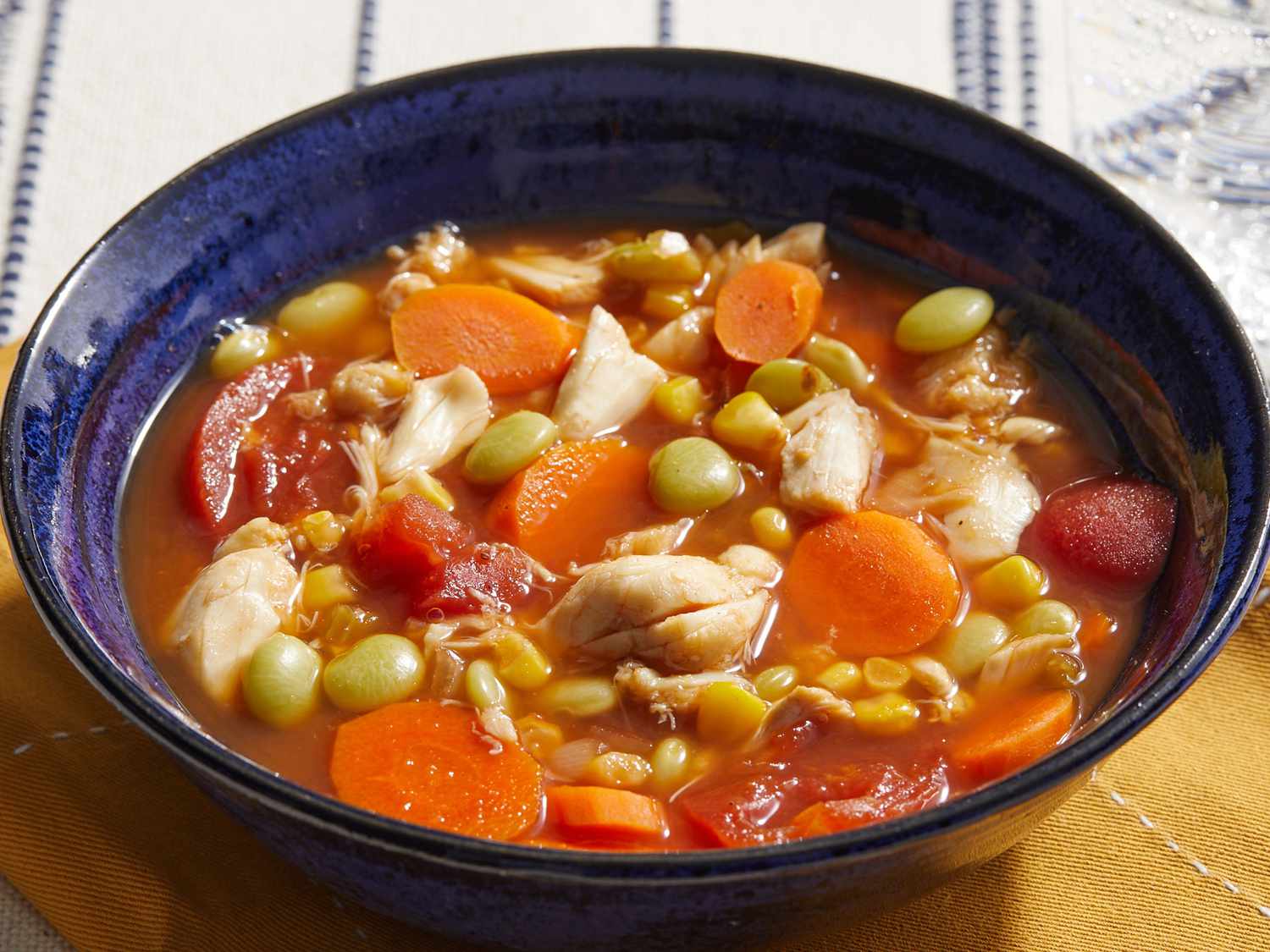
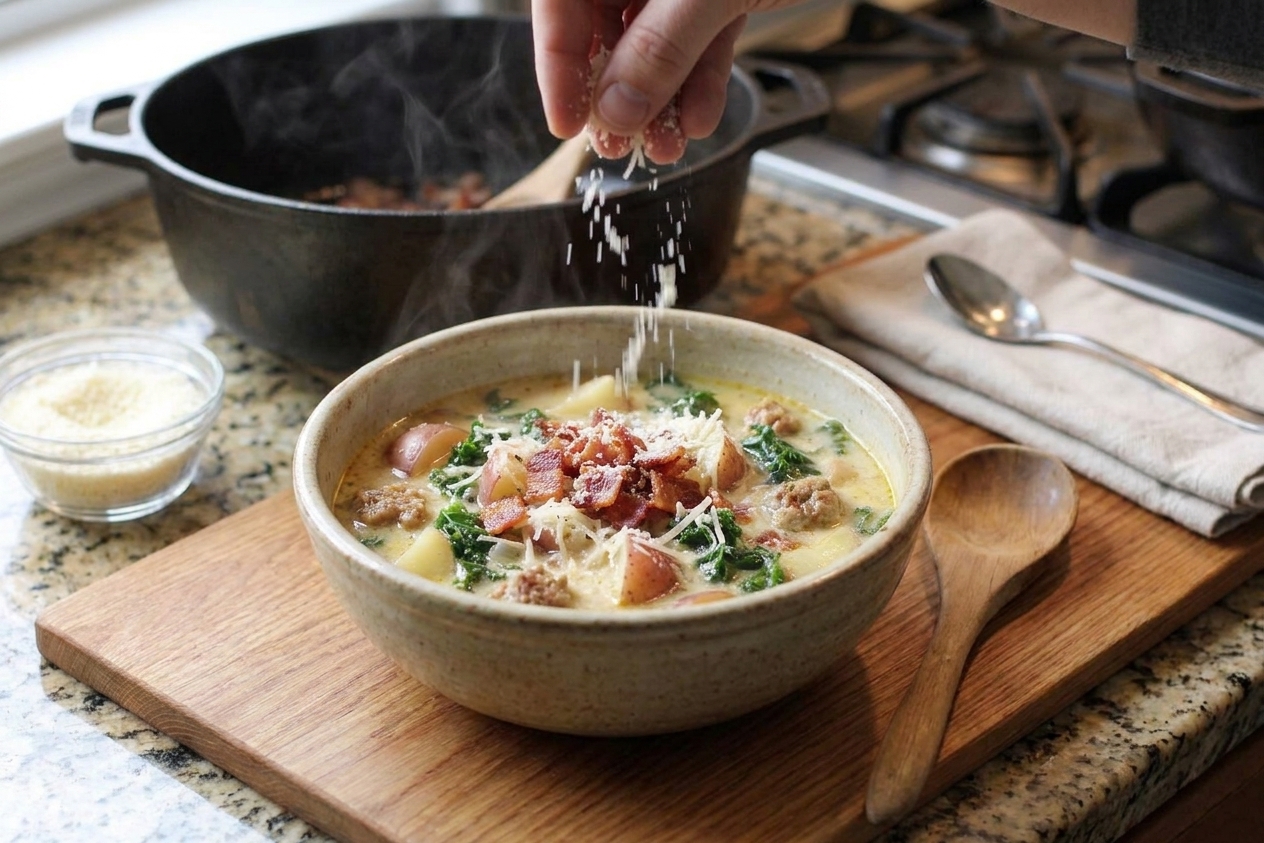
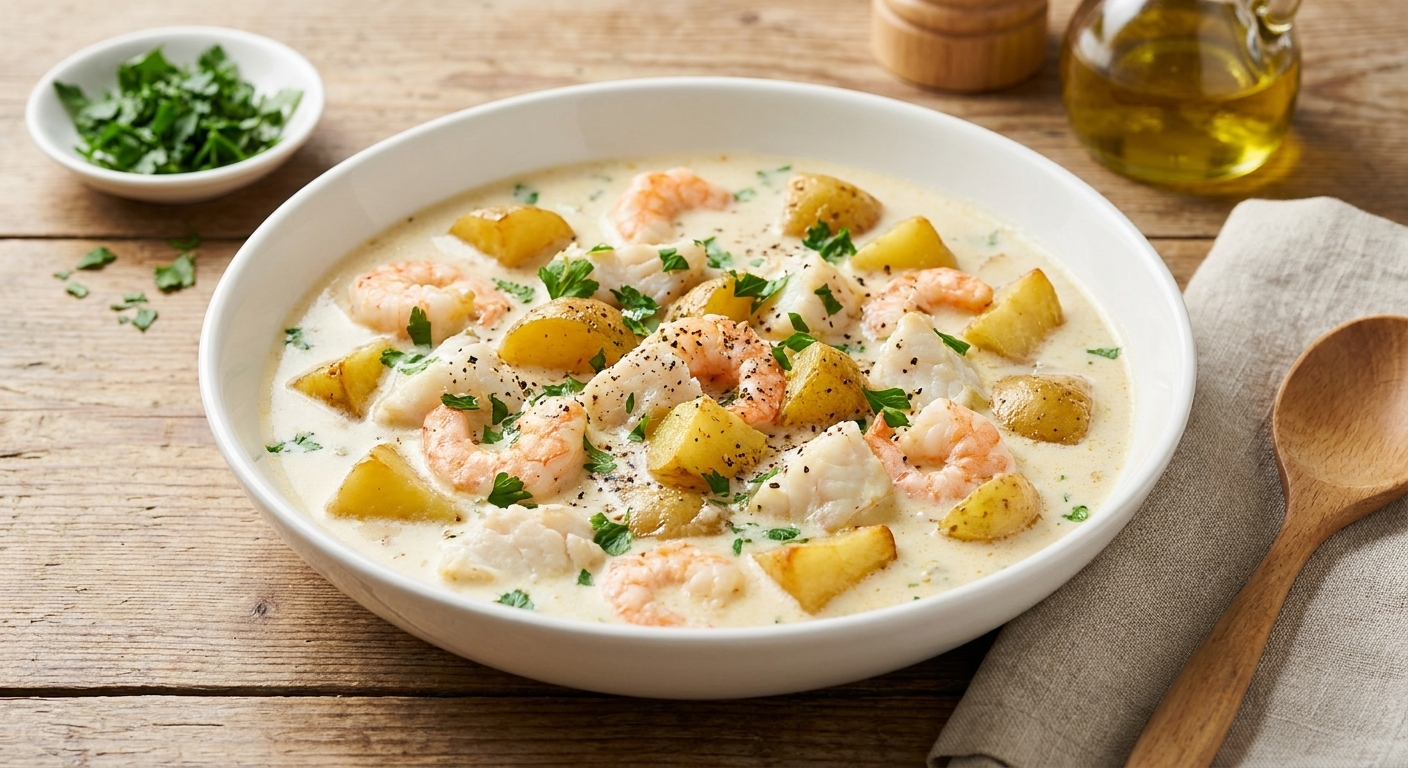
A wide bowl of creamy sea chowder with chunks of potato, visible pieces of shrimp and white fish, sprinkled with chopped parsley and cracked black pepper on a wooden table

Sea chowder is one of those meals that makes the whole house feel warmer. You get cozy carbs (hello, potatoes), a silky broth, and little pops of ocean-sweet seafood that make you slow down and actually taste your food for once.

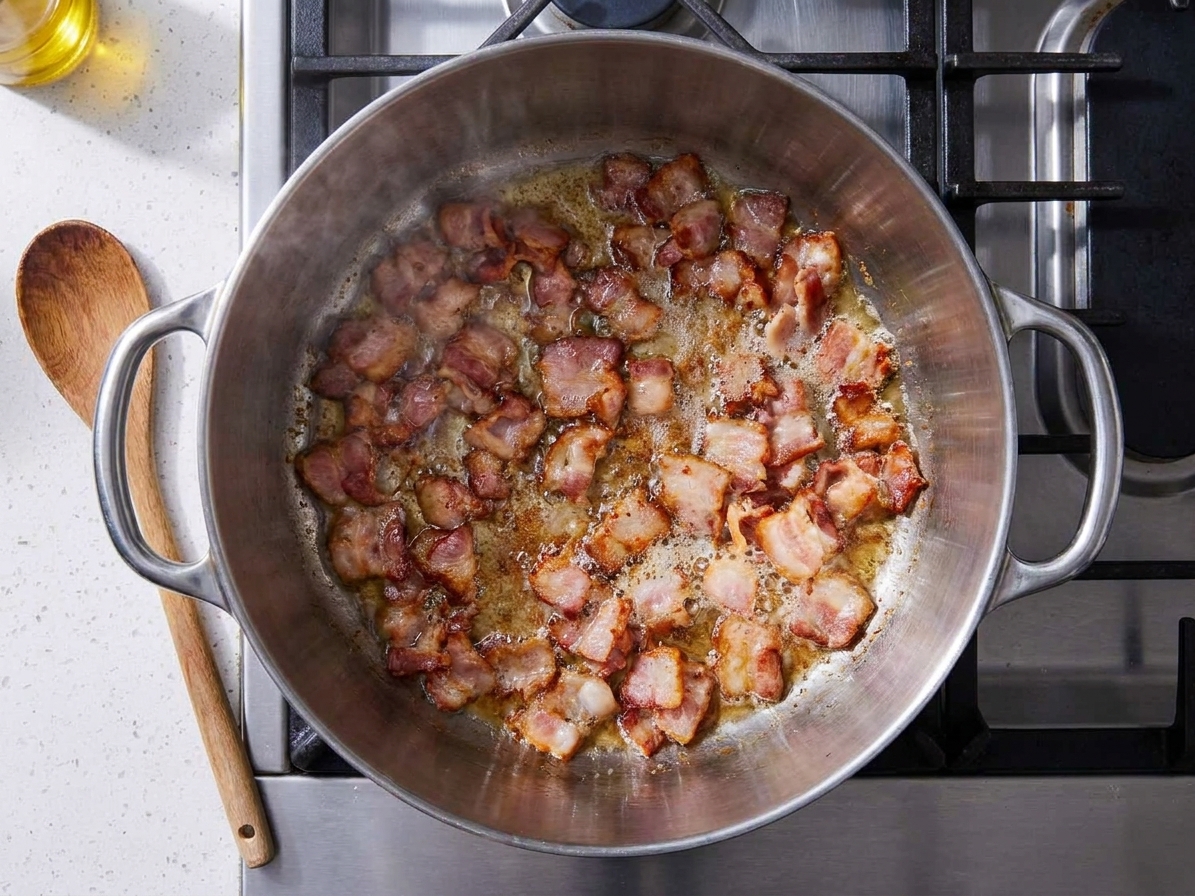
My version is creamy but not heavy. We build flavor with bacon, aromatics, and a quick homemade stock vibe using clam juice plus broth. Then we finish with lemon and herbs so it stays bright. Also, we are not overcooking the seafood. That is the whole game.
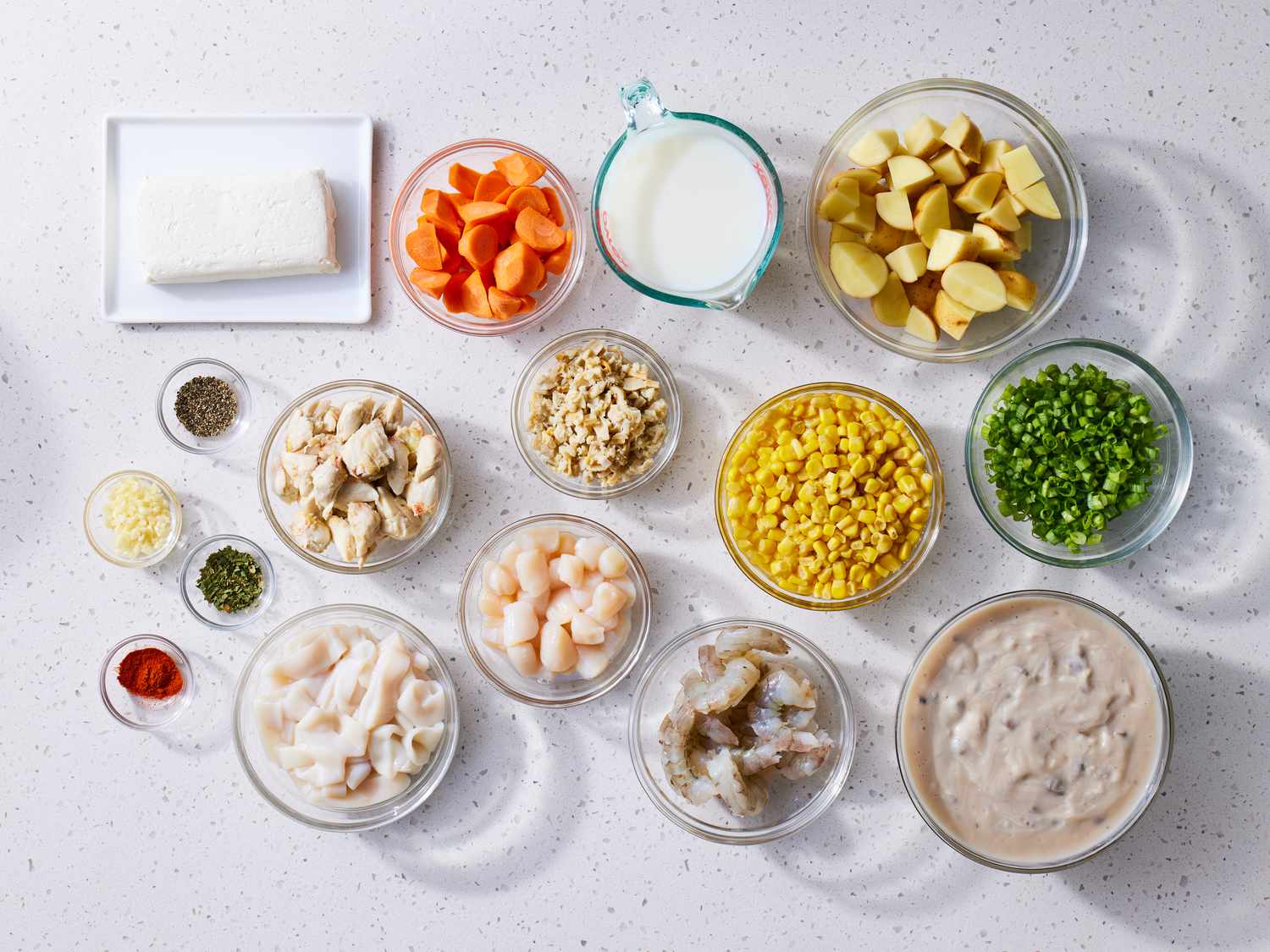
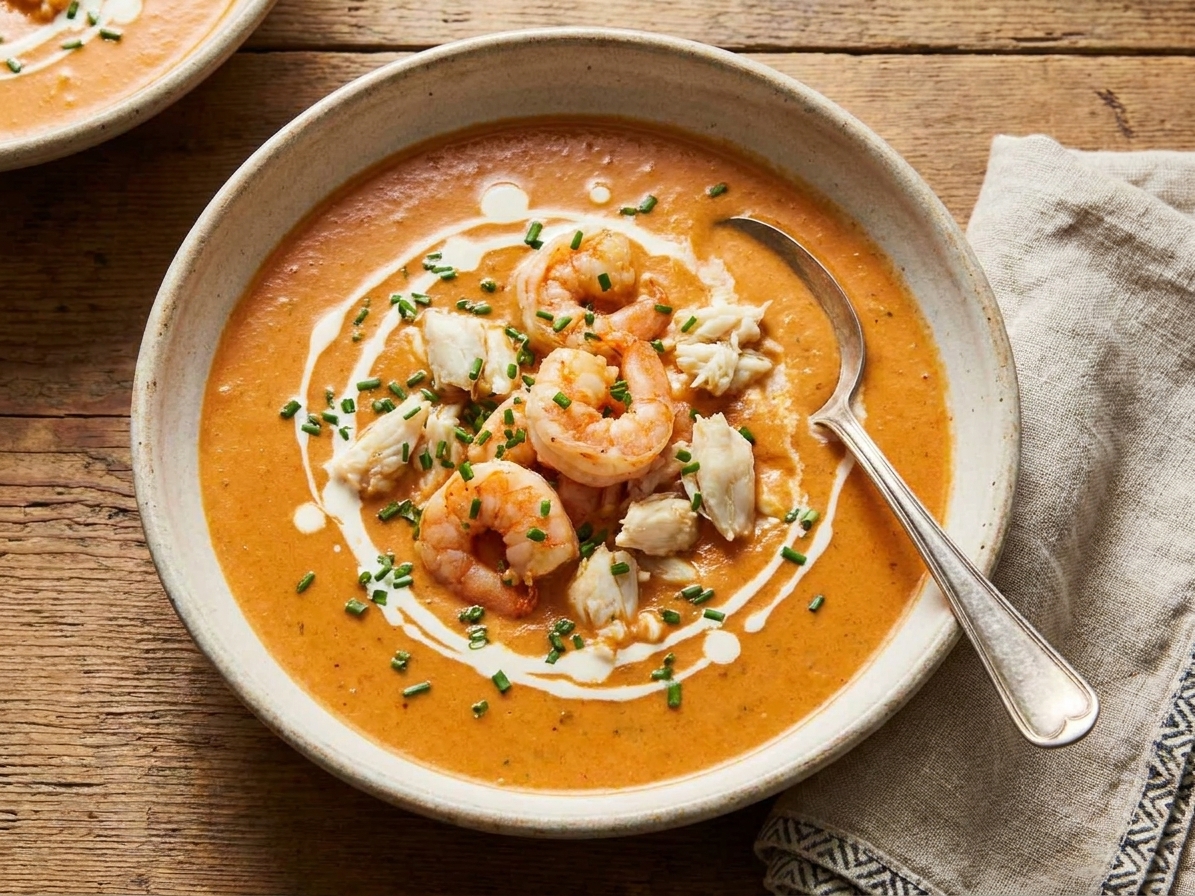
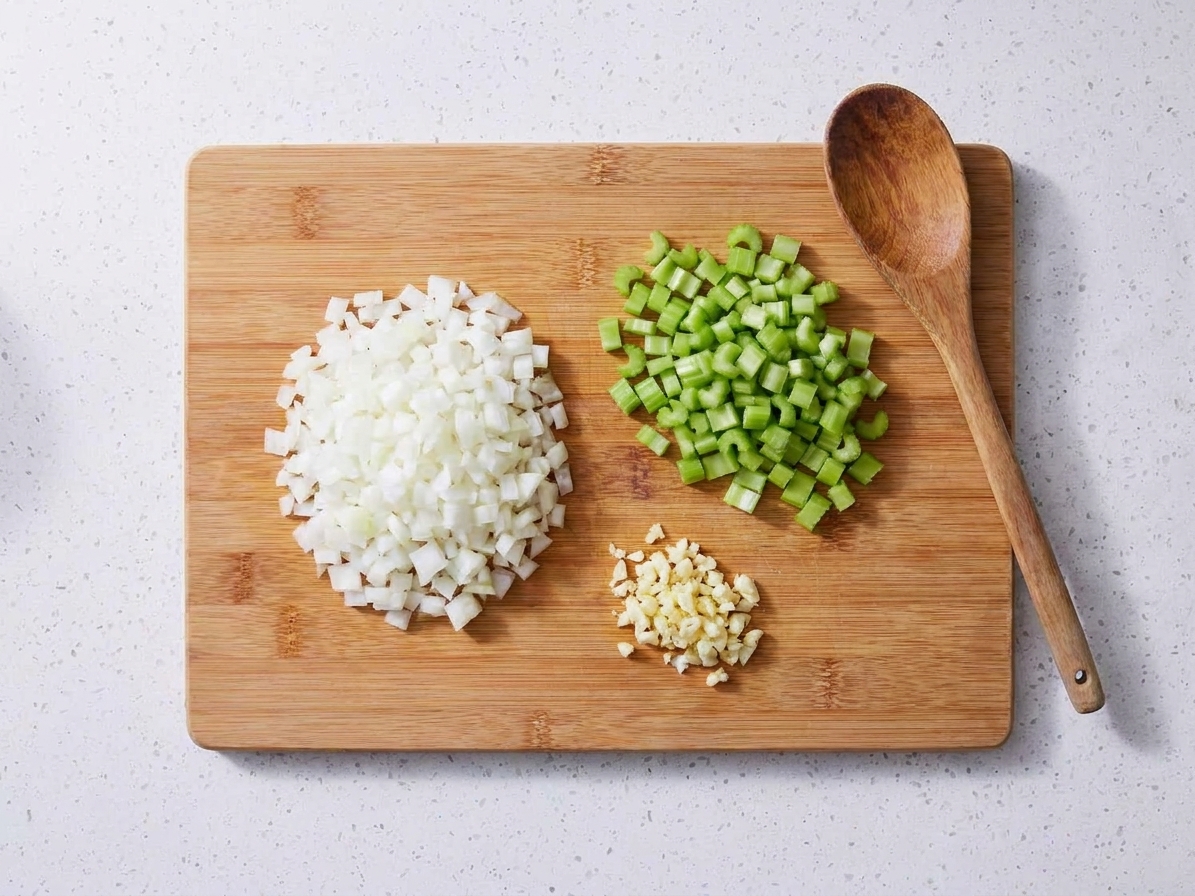
A kitchen counter with raw shrimp, white fish pieces, bacon, potatoes, onion, celery, garlic, corn, thyme, cream, broth, and clam juice arranged in small bowls

Why It Works

  • Big flavor fast: Bacon fat plus onion, celery, and garlic makes the base taste like it simmered all day.
  • Creamy without being gluey: We use a small flour roux, then finish with half-and-half so it is silky, not thick like wallpaper paste.
  • Seafood stays tender: Fish and shrimp go in at the end, gently, so they stay juicy and sweet.
  • Bright finish: Lemon and fresh herbs wake everything up so the bowl tastes balanced, not one-note.

Pairs Well With

Storage Tips

Fridge: Cool chowder quickly, then refrigerate in an airtight container for up to 2 days. Seafood is best fresh, so earlier is better.

Reheat: Warm gently in a pot over low heat, stirring often. If it looks thick, splash in a little broth or water. Avoid boiling, which can turn seafood rubbery and can make dairy separate.

Freezing: I do not recommend freezing creamy seafood chowder. The dairy can split and the seafood texture takes a hit. If you want a freezer-friendly move, make the chowder base without dairy and seafood, freeze that, then add cream and seafood fresh when reheating.

Common Questions

What is sea chowder, exactly?

Think of it as a cozy, coastal take on seafood chowder. Depending on where you are, “sea chowder” can mean a creamy potato-based chowder that often includes a mix of seafood like fish, shrimp, scallops, and sometimes clams.

Can I use frozen seafood?

Yes. Thaw overnight in the fridge or quickly under cold running water. Pat it dry so it does not water down the chowder. Add it at the end just like fresh.

What seafood mix works best?

I like a combo of firm white fish (cod, haddock, pollock) plus shrimp. Scallops are great too, but add them at the very end since they cook fast.

How do I keep chowder from curdling?

Use half-and-half or heavy cream instead of straight milk, and keep the heat low after adding dairy. Do not boil. Add lemon at the end, off heat, and start small. If you are extra sensitive to curdling, add lemon to individual bowls instead of the whole pot.

Can I make it thicker without flour?

Totally. Mash some of the cooked potatoes against the side of the pot, or blend 1 cup of the soup (before adding seafood) and stir it back in.

Allergen note?

This one is a double-whammy for common allergens: shellfish and dairy (and bacon, if that matters for your table). Swap as needed.

When I was trying to learn by doing, not just by studying, chowder was one of those dishes that taught me a ton without punishing me for being human. It is basically a lesson in timing: build a base, simmer the potatoes, then treat the seafood like the VIPs they are.

Also, chowder is a team sport. Someone chops, someone stirs, someone tastes and says, "needs salt," like a tiny kitchen critic. That is the vibe I want in my future restaurant, too. Cozy bowls, happy chaos, and a broth that makes you pause mid-bite.