Mom's Best Recipes
Recipe

Cozy Seafood Chowder

Creamy, comforting chowder with tender seafood, cozy potatoes, sweet corn, and a lemony finish that keeps every spoonful bright.

Author By Matt Campbell
4.8 (214)
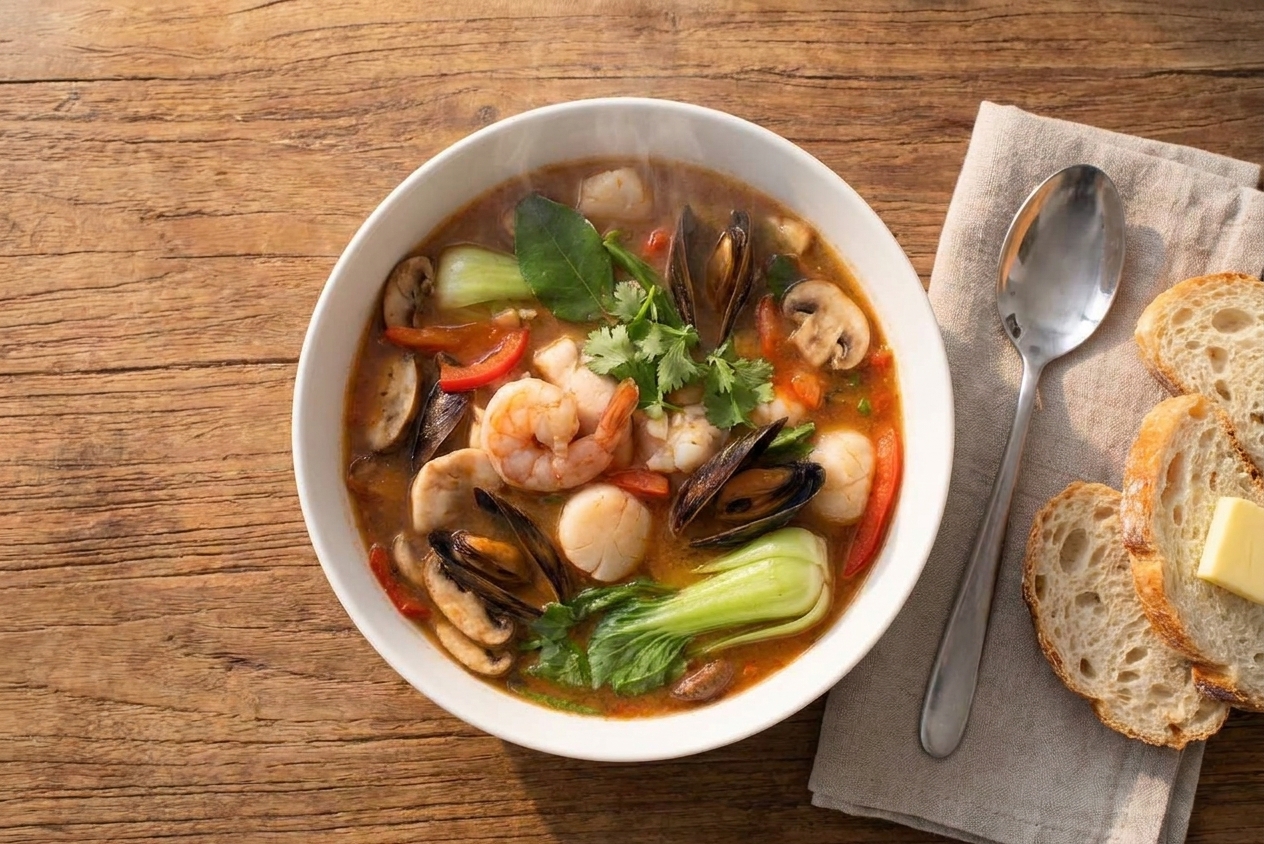
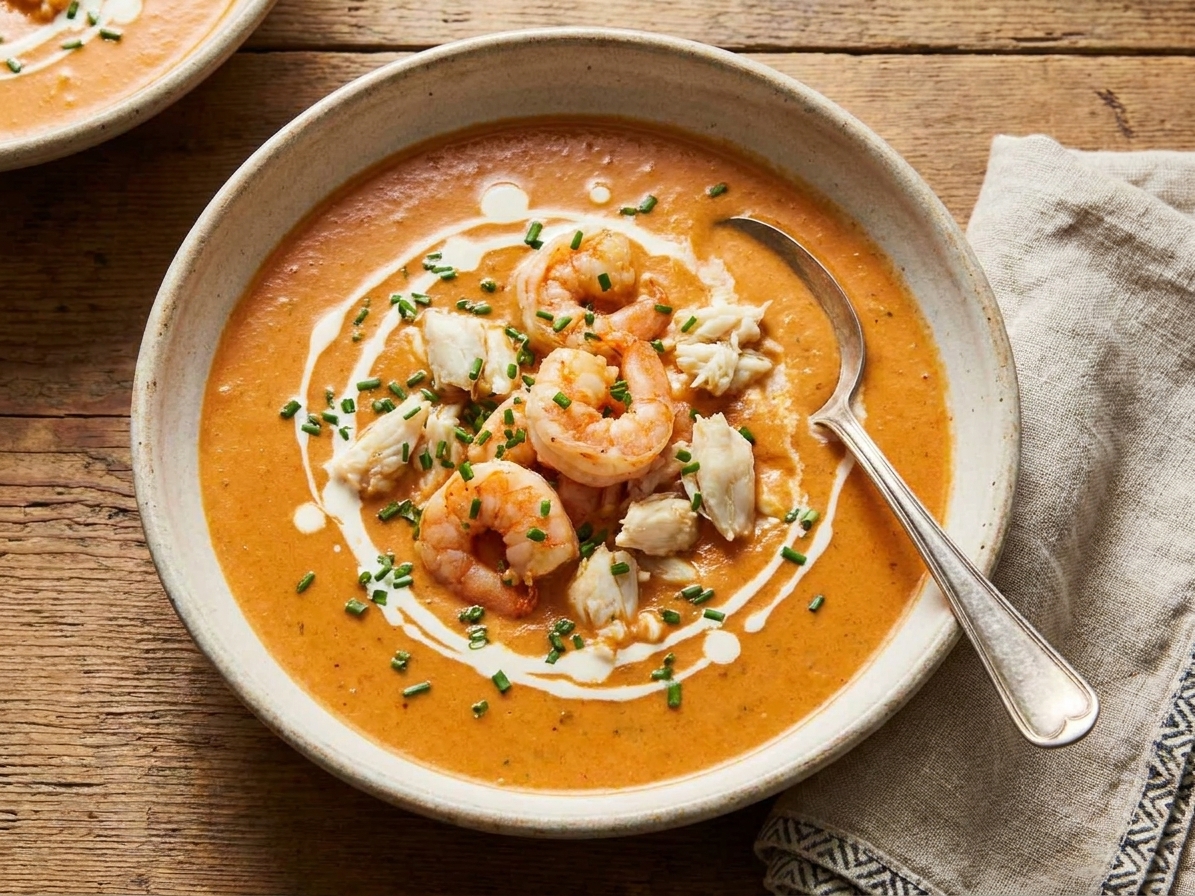
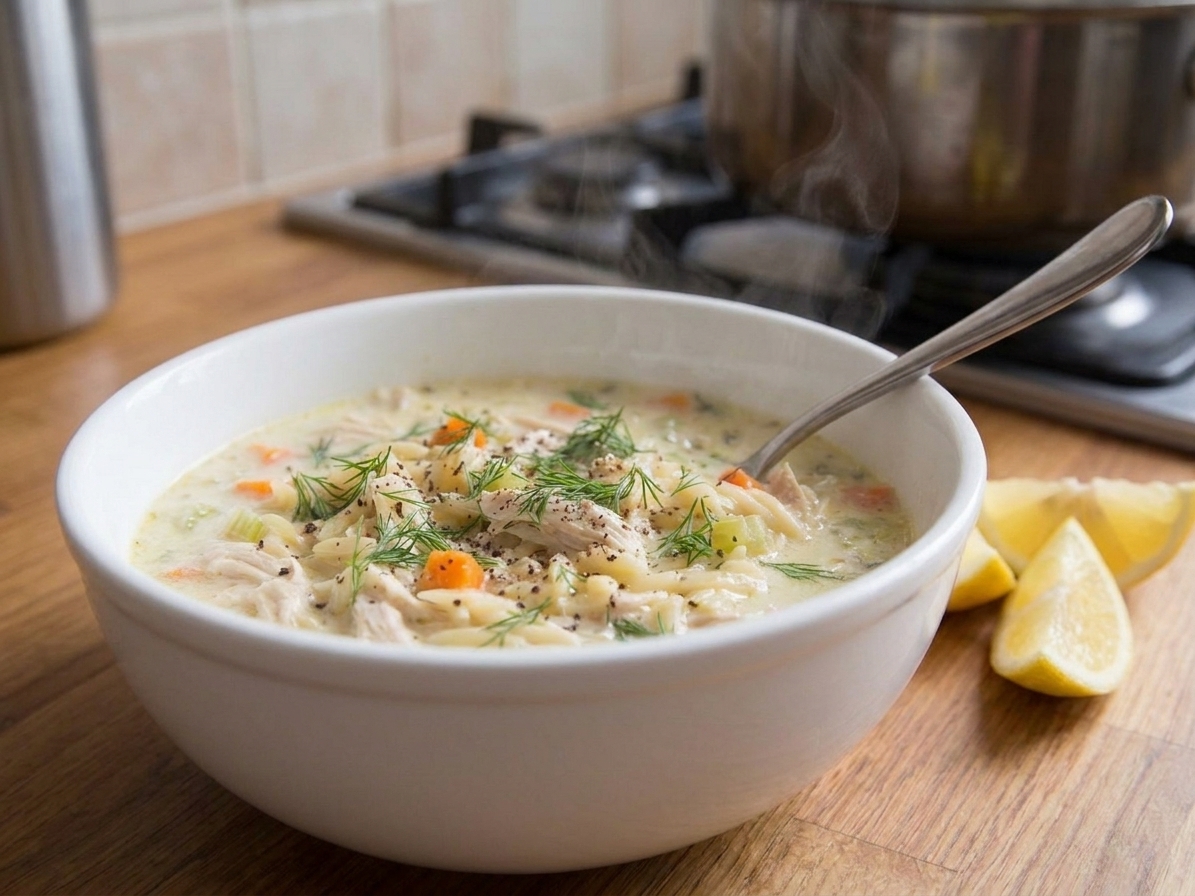
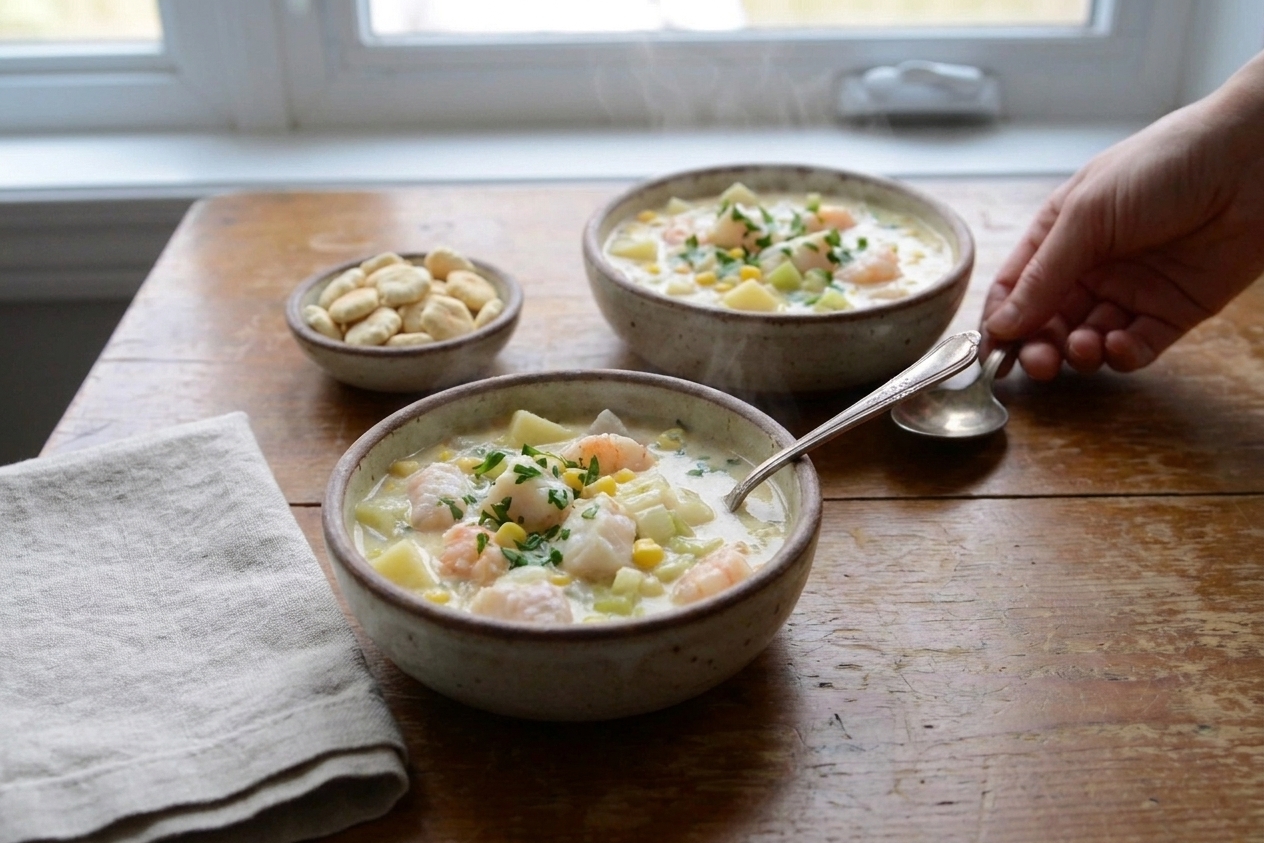
A steaming bowl of creamy seafood chowder with chunks of potato, shrimp, and herbs on top, set on a wooden table with a spoon and linen napkin

Seafood chowder is one of those dinners that feels like you planned your life better than you did. It is warm, creamy, and generous, but it does not need a culinary degree or a specialty fish market run at sunrise.

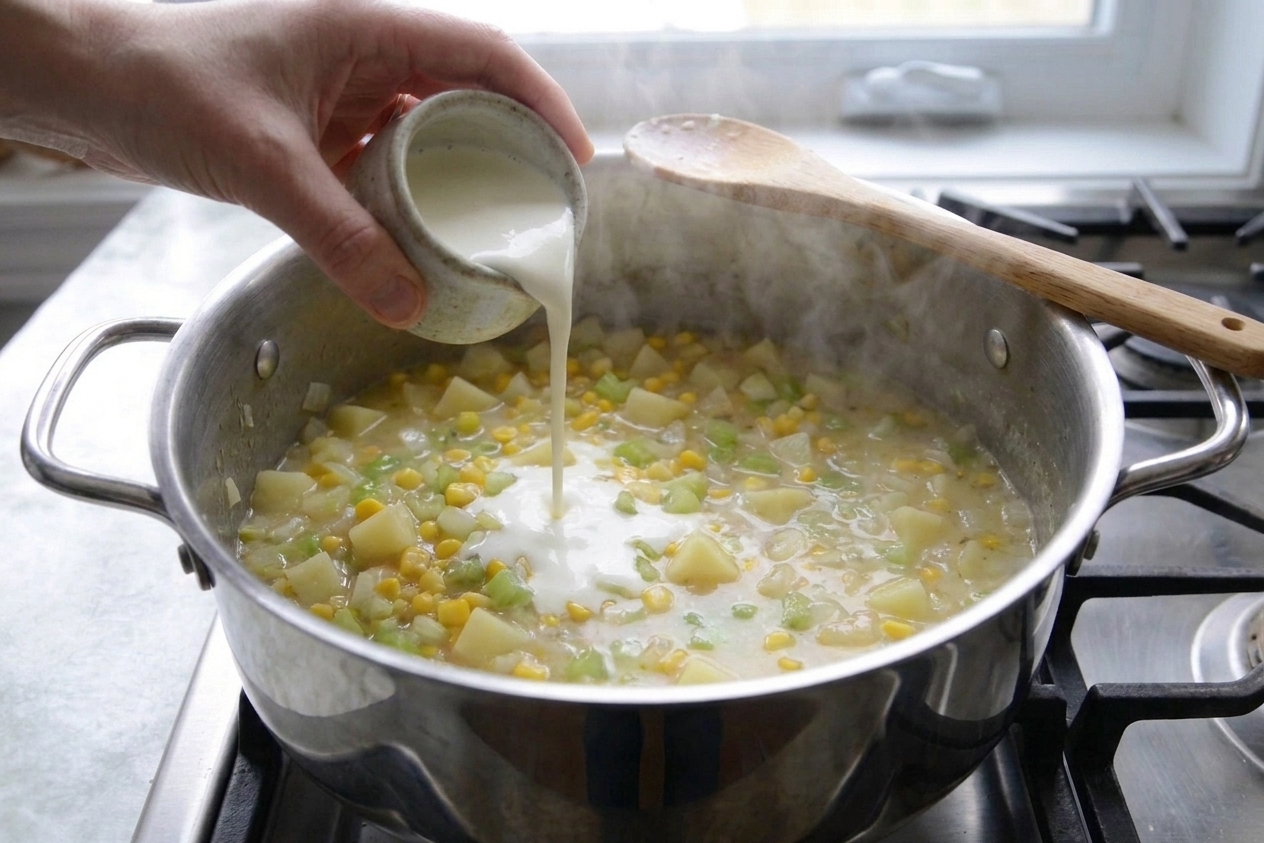
My version leans into accessible seafood (frozen shrimp is welcome here), a potato base that thickens naturally, and a small but mighty finishing move: lemon and herbs. It keeps the whole pot from tasting like it fell asleep under a blanket of cream. We want cozy, not flat.

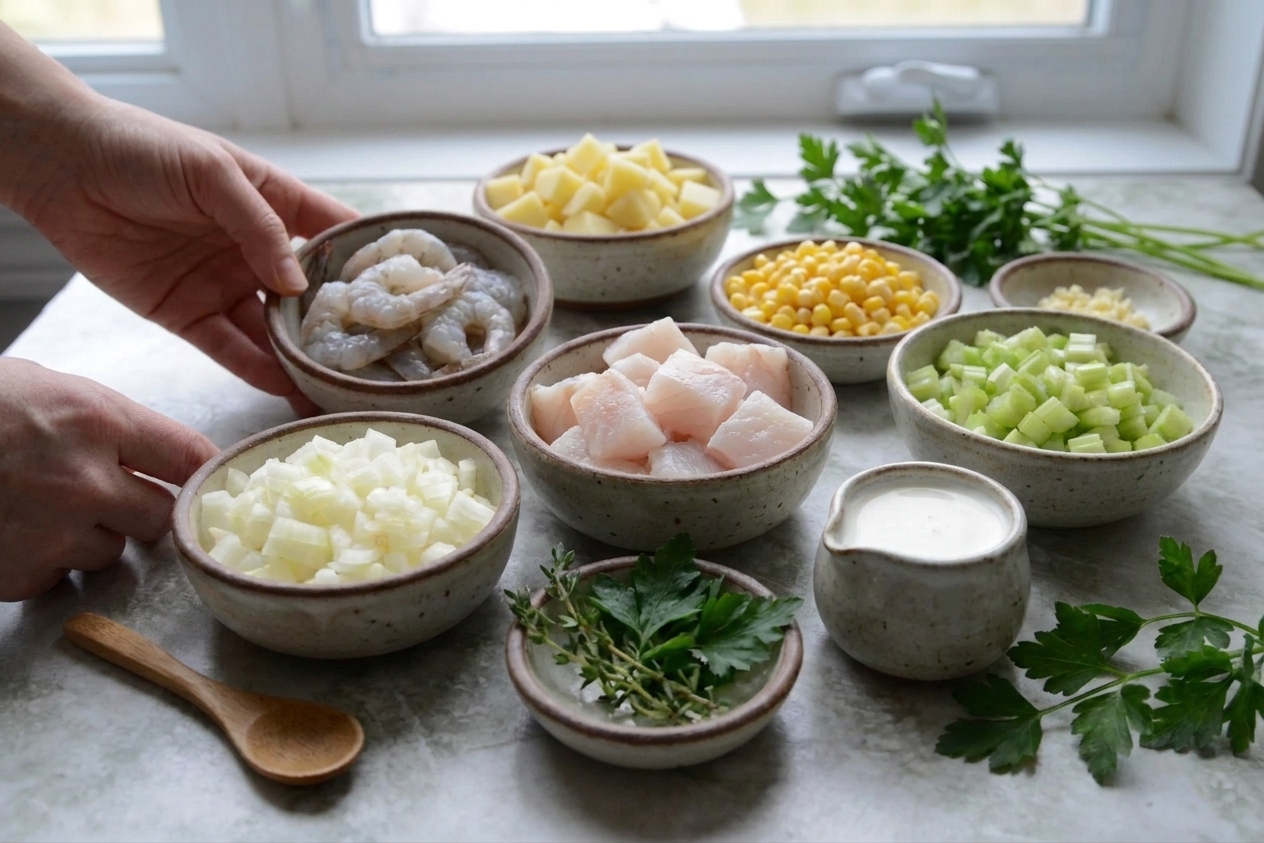
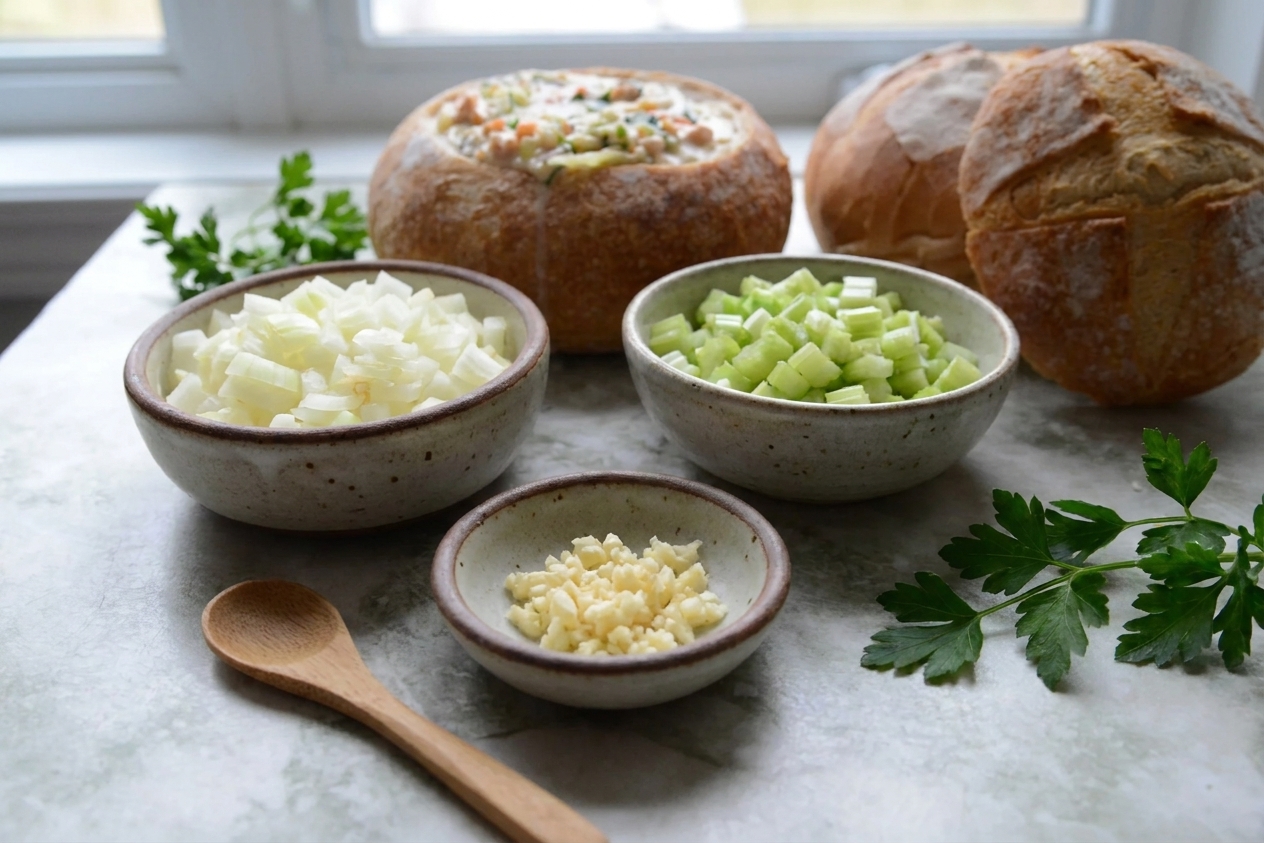
Raw ingredients for seafood chowder arranged on a kitchen counter, including shrimp, white fish, potatoes, corn, onion, celery, cream, and herbs in small bowls

Why It Works

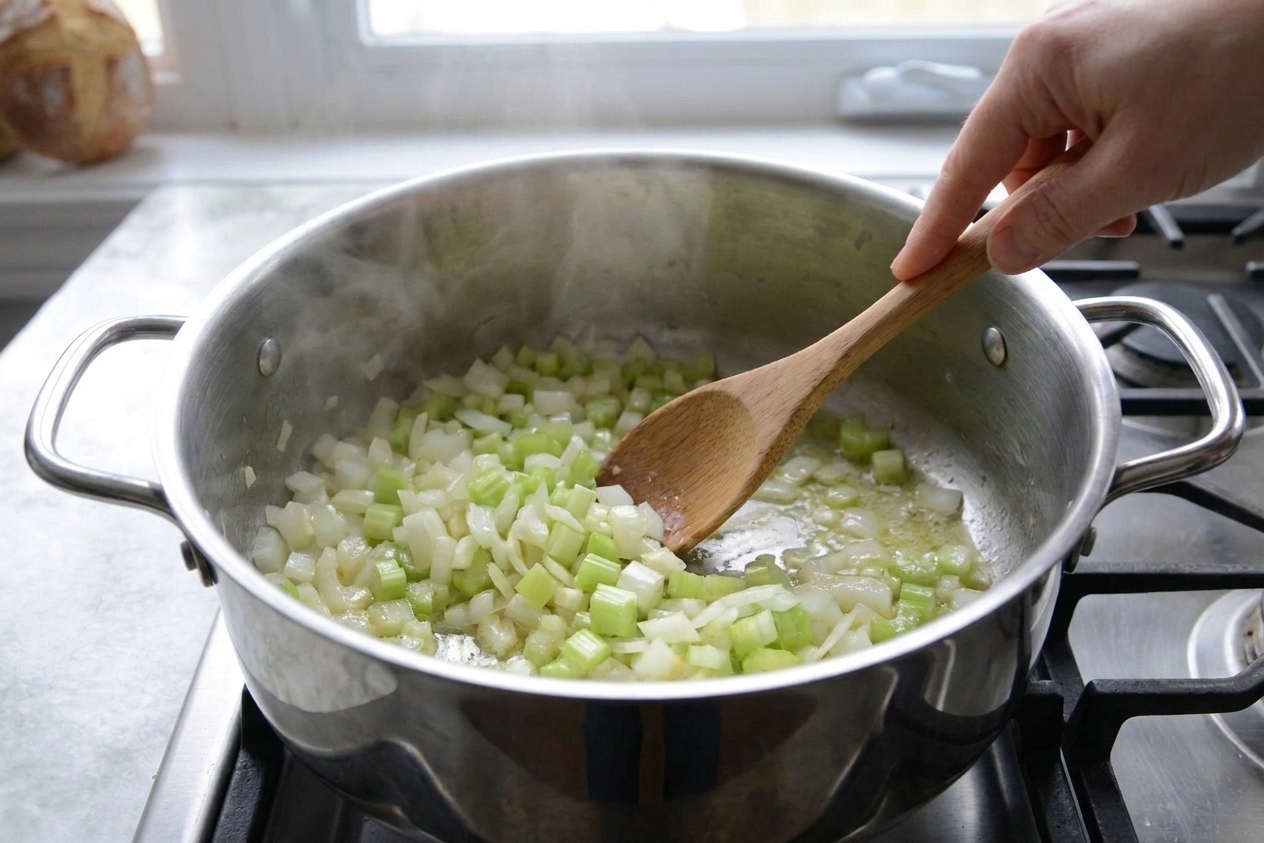
  • Layered flavor without drama: sautéed aromatics, a quick simmer with potatoes, then seafood goes in at the end so it stays tender.
  • Thickened the easy way: a little flour plus starchy potatoes gives you that chowder body without needing a blender.
  • Bright finish: lemon zest and juice wake up the cream and make the seafood taste cleaner and sweeter.
  • Flexible seafood choices: use what you can find. The method stays the same.

Pairs Well With

Storage Tips

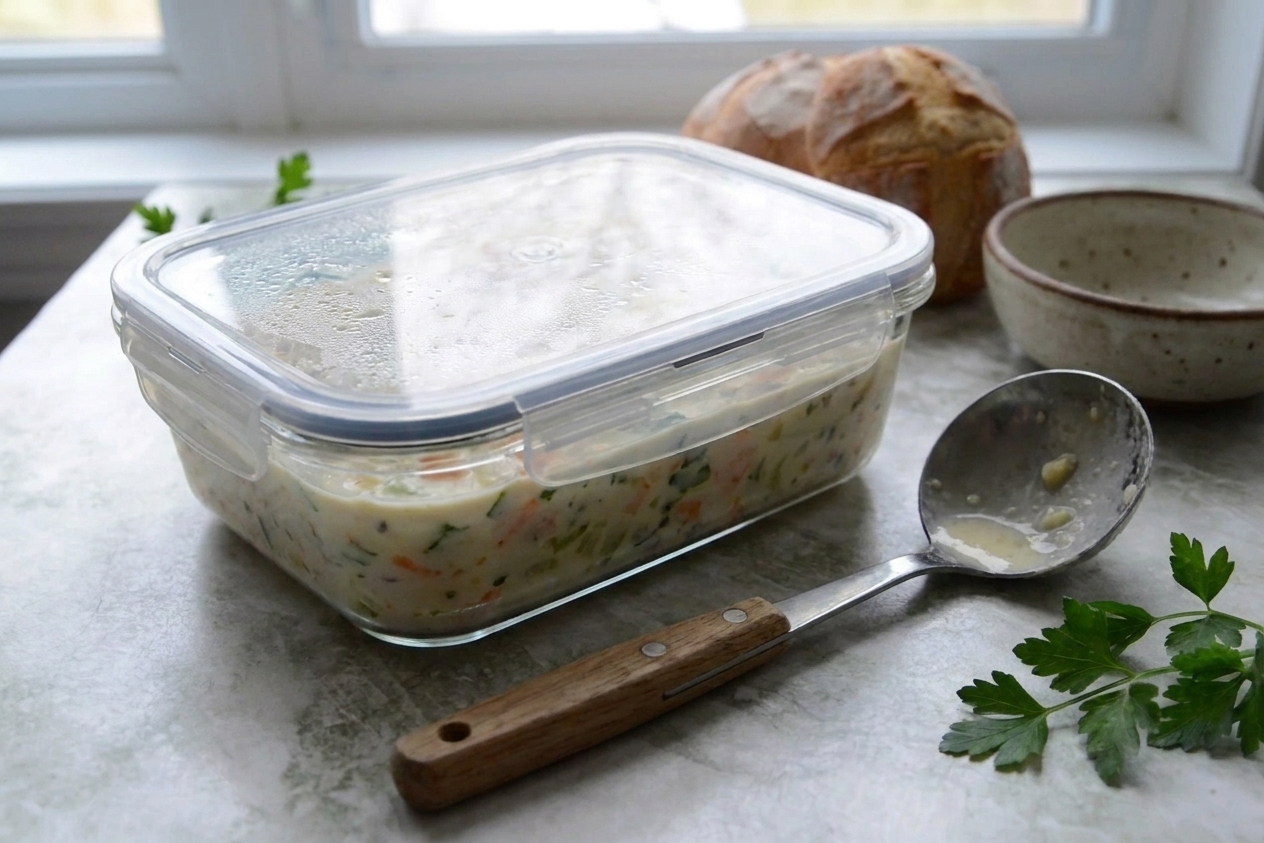
Refrigerate: Cool chowder quickly, then store in an airtight container up to 2 days. Seafood is best sooner rather than later.

Reheat gently: Warm on the stove over low heat, stirring often. Do not boil. Boiling can make the seafood tough and can cause the dairy to separate.

Freezing: Creamy chowders can get grainy after freezing and thawing. If you want a freezer-friendly option, freeze the chowder before adding cream and seafood. Thaw, bring back to a simmer, then add cream and seafood fresh at the end.

A sealed glass container of leftover seafood chowder cooling on a kitchen counter next to a ladle

Common Questions

What seafood works best in chowder?

Go for a mix of textures: shrimp plus a firm white fish (cod, haddock, pollock, or tilapia). You can also add bay scallops or clams. Avoid very delicate fish that flakes into nothing.

Can I use frozen seafood?

Yes. Thaw overnight in the fridge, or quick-thaw in a sealed bag in a bowl of cold water. Pat seafood dry so it poaches properly and does not water down the chowder.

How do I keep seafood from turning rubbery?

Add it at the end and cook just until done. Shrimp are ready when they turn pink and curl into a loose C. If you like a thermometer moment, aim for about 120 to 130°F for shrimp and about 140°F for fish (opaque and flaky). Turn off the heat early if needed because the pot will keep cooking for a minute.

My chowder is too thin. How do I fix it?

Simmer uncovered for 5 to 10 minutes to reduce, or mash a few potato chunks against the side of the pot. If you need an emergency fix, whisk 1 tablespoon flour with 2 tablespoons cold water and stir in, then simmer 2 to 3 minutes.

My chowder is too thick. Now what?

Stir in a splash of broth, water, or milk until it loosens up. Re-season with a pinch of salt and a squeeze of lemon.

Can I make it dairy-free?

You can. Swap butter for olive oil and use full-fat coconut milk or an unsweetened creamy oat milk. Finish with extra lemon to keep it bright.

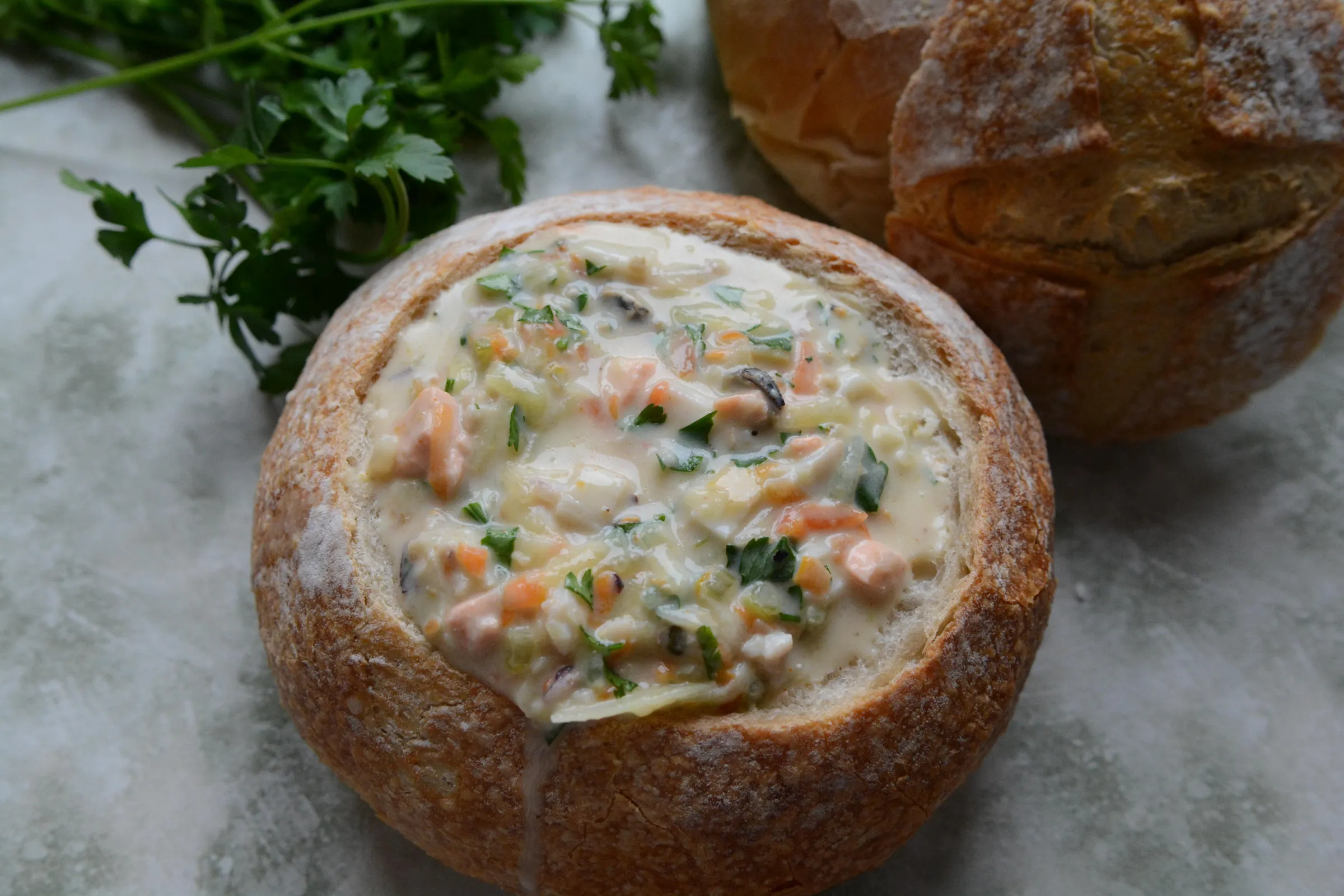
I love chowder because it feels like a restaurant move, but it is really just smart timing. The first time I made seafood chowder for friends, I did the classic mistake: I simmered the shrimp like they owed me money. It still tasted good, but the texture was… chewy. Now I treat seafood like it is on a short clock. Potatoes and broth can hang out all day. Shrimp and fish get a quick, gentle finish. Everyone wins.