Mom's Best Recipes
Recipe

Crawfish Etouffee

Buttery roux, the Cajun trinity, tender crawfish tails, and a saucy finish that begs for a big scoop of rice.

Author By Matt Campbell
4.8
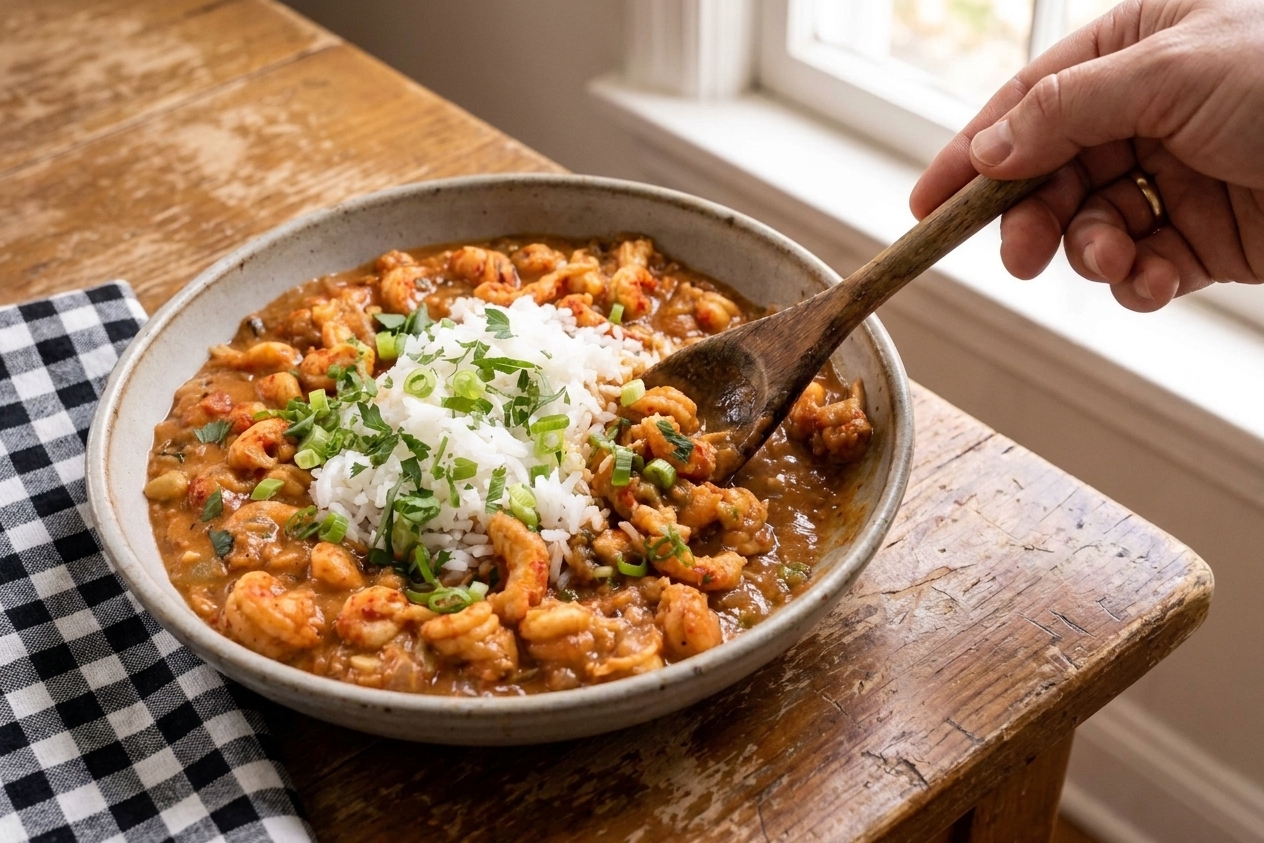
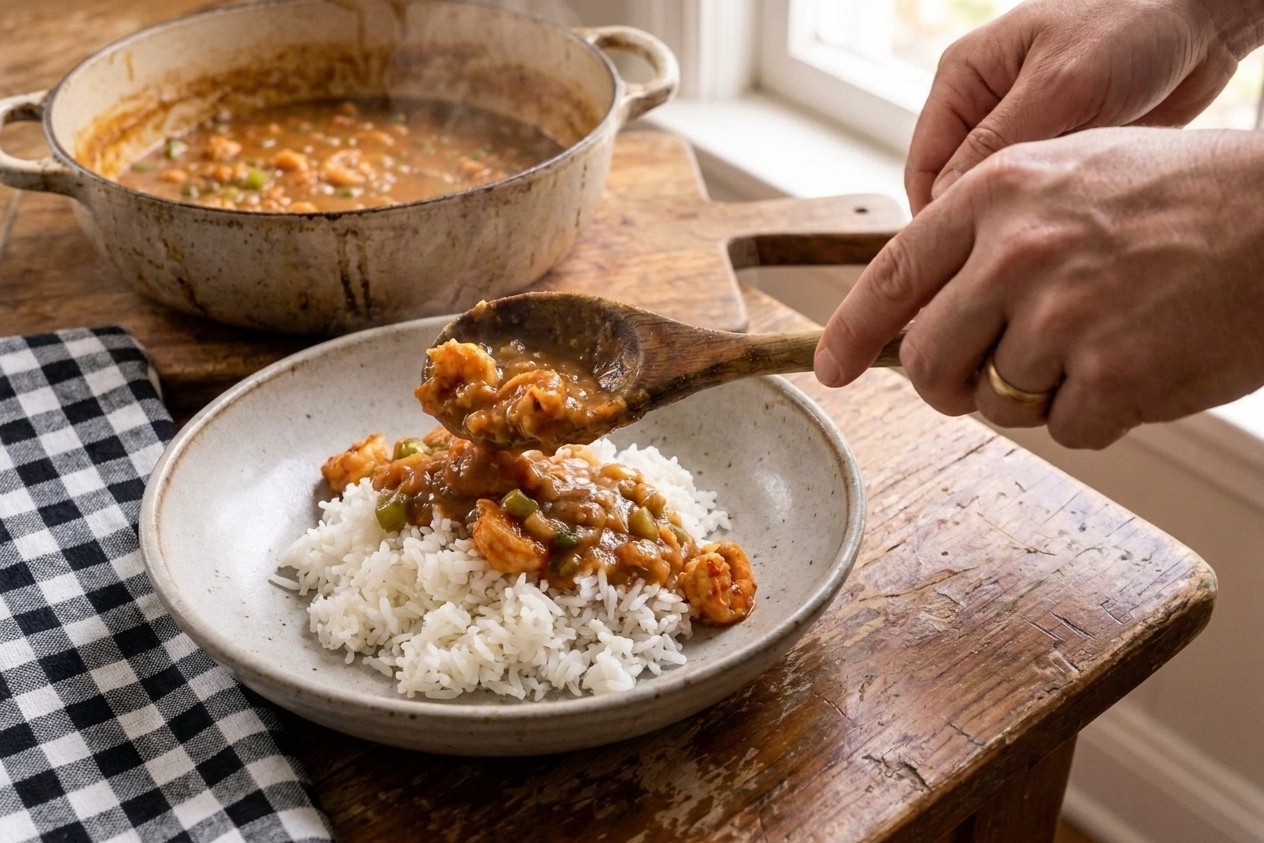
A bowl of crawfish etouffee ladled over white rice, garnished with sliced green onions and parsley on a warm wooden table

Etouffee is the kind of dinner that makes the whole kitchen smell like you know what you are doing, even if you are cooking in socks and winging it a little. The sauce starts with a simple roux and the Cajun trinity, then it turns into this glossy, cozy blanket for sweet crawfish tails. It is rich, yes, but not heavy in a gloomy way. A squeeze of lemon at the end wakes everything up and keeps you coming back for “just one more bite.”

This version keeps ingredients accessible and steps straightforward, with a roux that is deeply flavored without requiring an hour of constant stirring. Serve it over hot rice and do not be shy with the green onions.
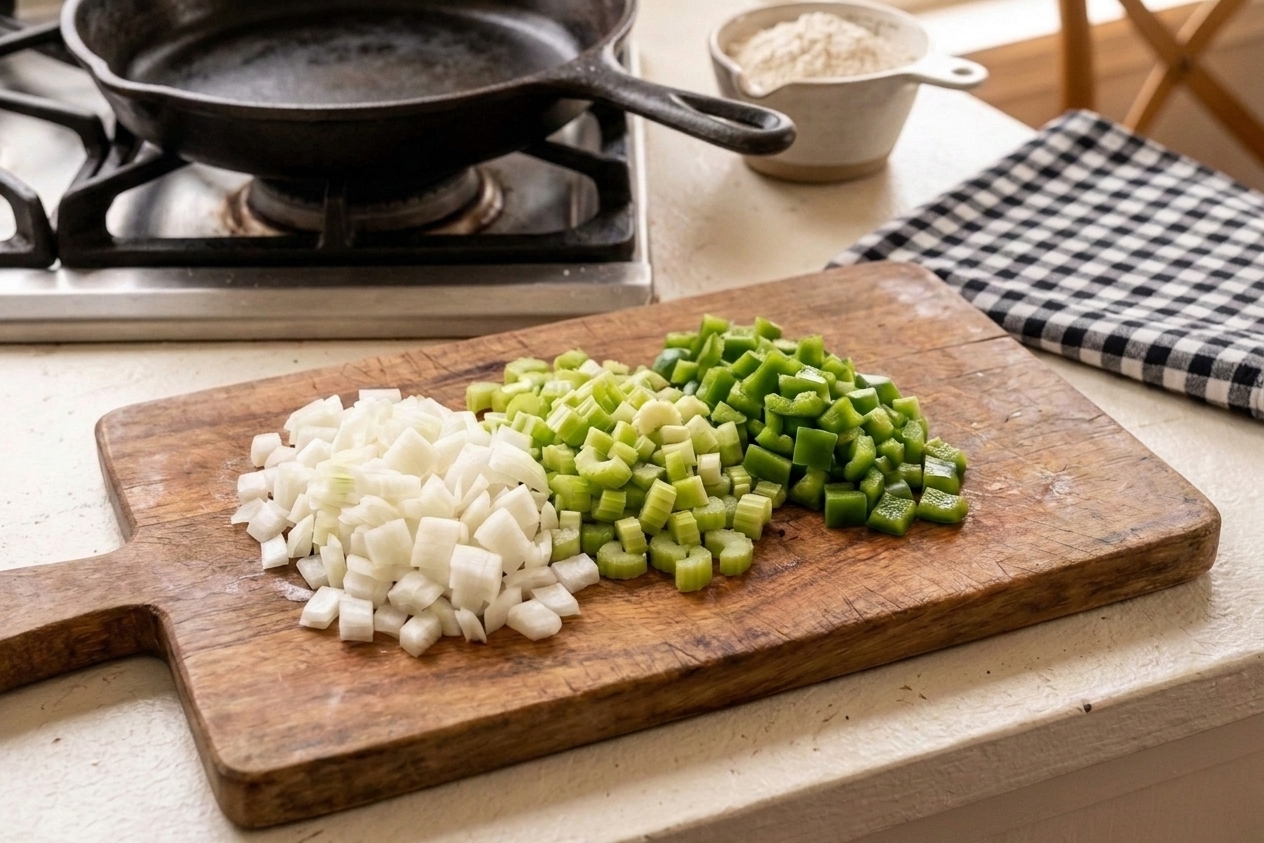
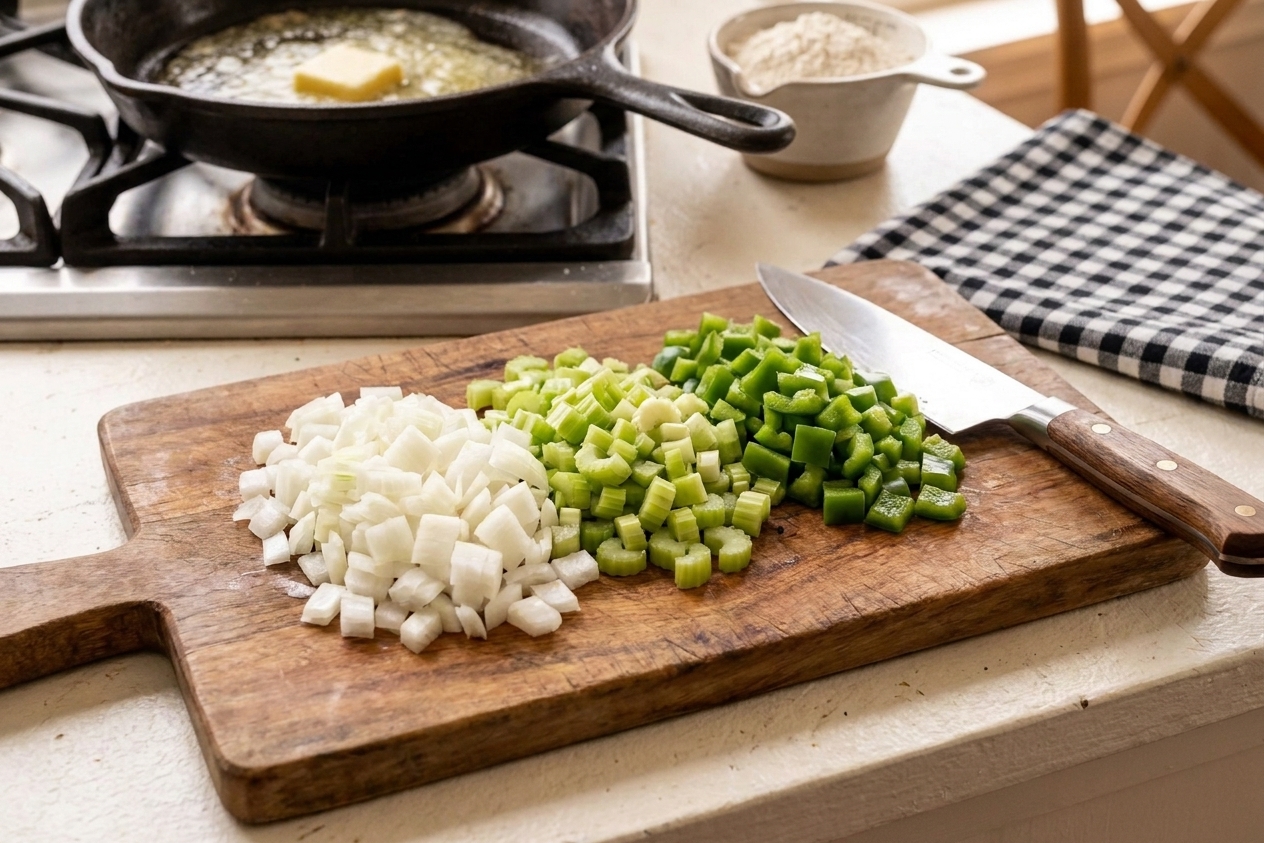
Diced onion, celery, and green bell pepper prepped in small piles on a cutting board on a kitchen counter

Why It Works

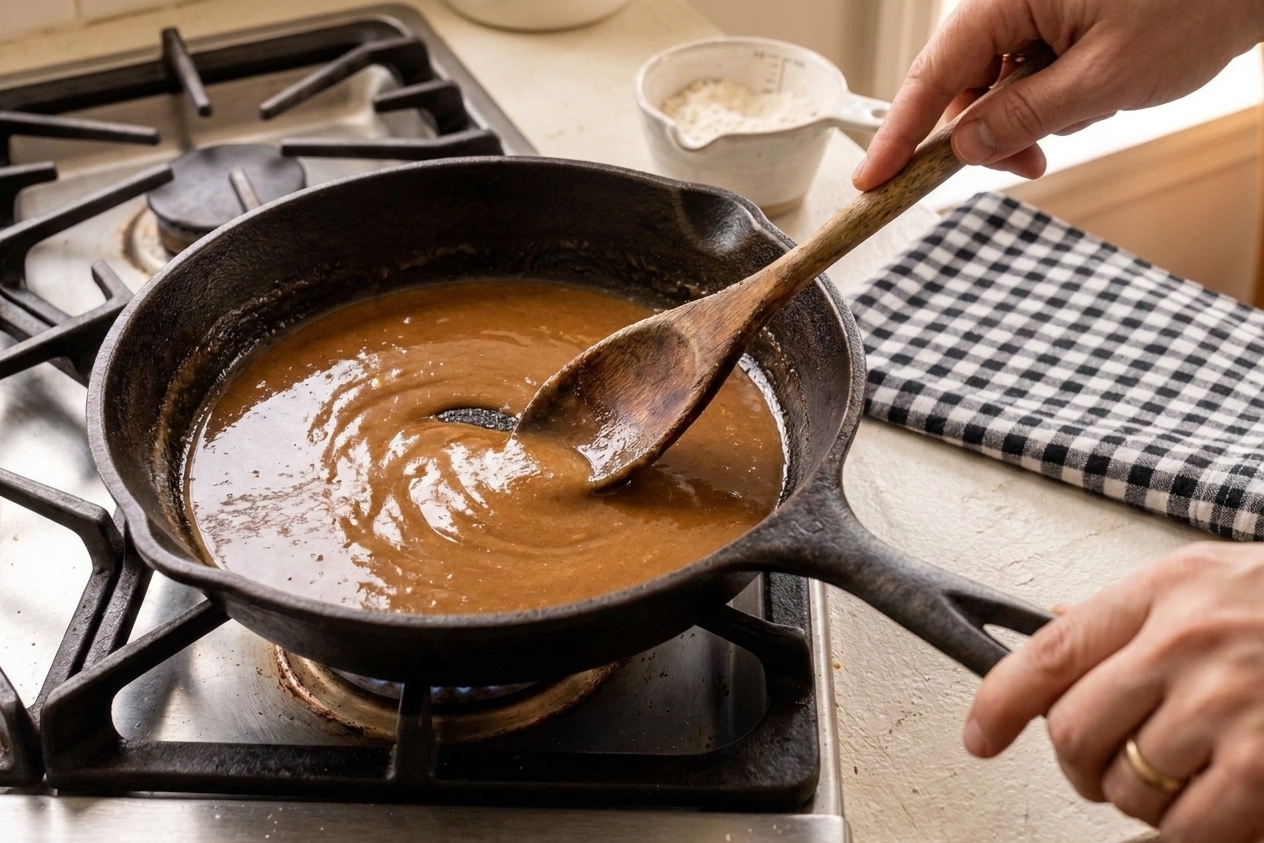
  • Big flavor, reasonable effort: A medium-brown roux gives you that nutty depth without turning dinner into an endurance sport.
  • Balanced heat: You control the spice, and the finish of lemon and herbs keeps it bright.
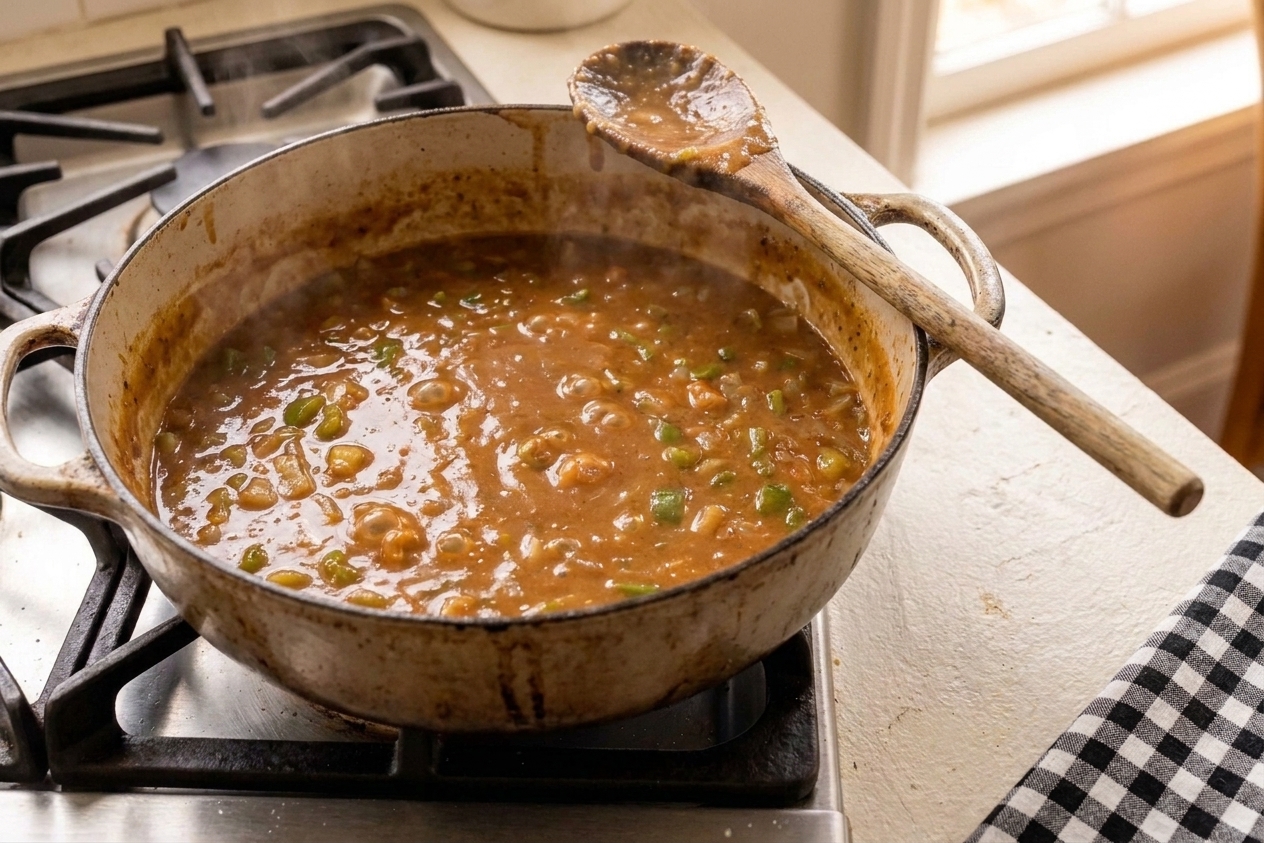
  • Restaurant-style texture: A little roux plus a gentle simmer makes the sauce cling to the crawfish and rice instead of running all over the plate.
  • Flexible: Works with fresh or thawed frozen crawfish tail meat, and you can swap shrimp if that is what you have.

Pairs Well With

Storage Tips

Refrigerate: Cool etouffee quickly, then store in an airtight container for up to 3 days.

Reheat: Warm gently in a saucepan over medium-low heat, stirring often. Add a splash of seafood stock, chicken stock, or water to loosen if it thickened in the fridge. For best food safety, reheat leftovers to 165°F / 74°C.

Freeze: You can freeze etouffee for up to 2 months. The sauce texture holds up well, but the crawfish can soften a bit. Thaw overnight in the fridge before reheating.

Rice tip: Store rice separately so it does not soak up all that good sauce.

Common Questions

What is crawfish etouffee?

Etouffee (pronounced eh-too-FAY, though it varies by speaker) is a Louisiana “smothered” dish. It starts with a roux and the Cajun trinity (onion, celery, bell pepper), then simmers into a rich sauce that is most often made with crawfish or shrimp and served over rice.

Do I have to use crawfish fat?

No, but if your package includes crawfish fat, stir a spoonful or two in during the simmer. It adds a deeper seafood flavor and a little extra richness.

Can I make it less spicy?

Absolutely. Use a mild Cajun seasoning, skip the cayenne, and start with a small amount of hot sauce at the table instead of in the pot.

Why add the crawfish at the end?

Many crawfish tails (especially frozen) are already cooked. Adding them late keeps them tender instead of rubbery. If your crawfish tails are raw, let them simmer gently until fully cooked through.

What can I use if I cannot find crawfish?

Shrimp is the easiest swap. Add peeled, deveined shrimp in the last 3 to 5 minutes of simmering, just until pink and cooked through.

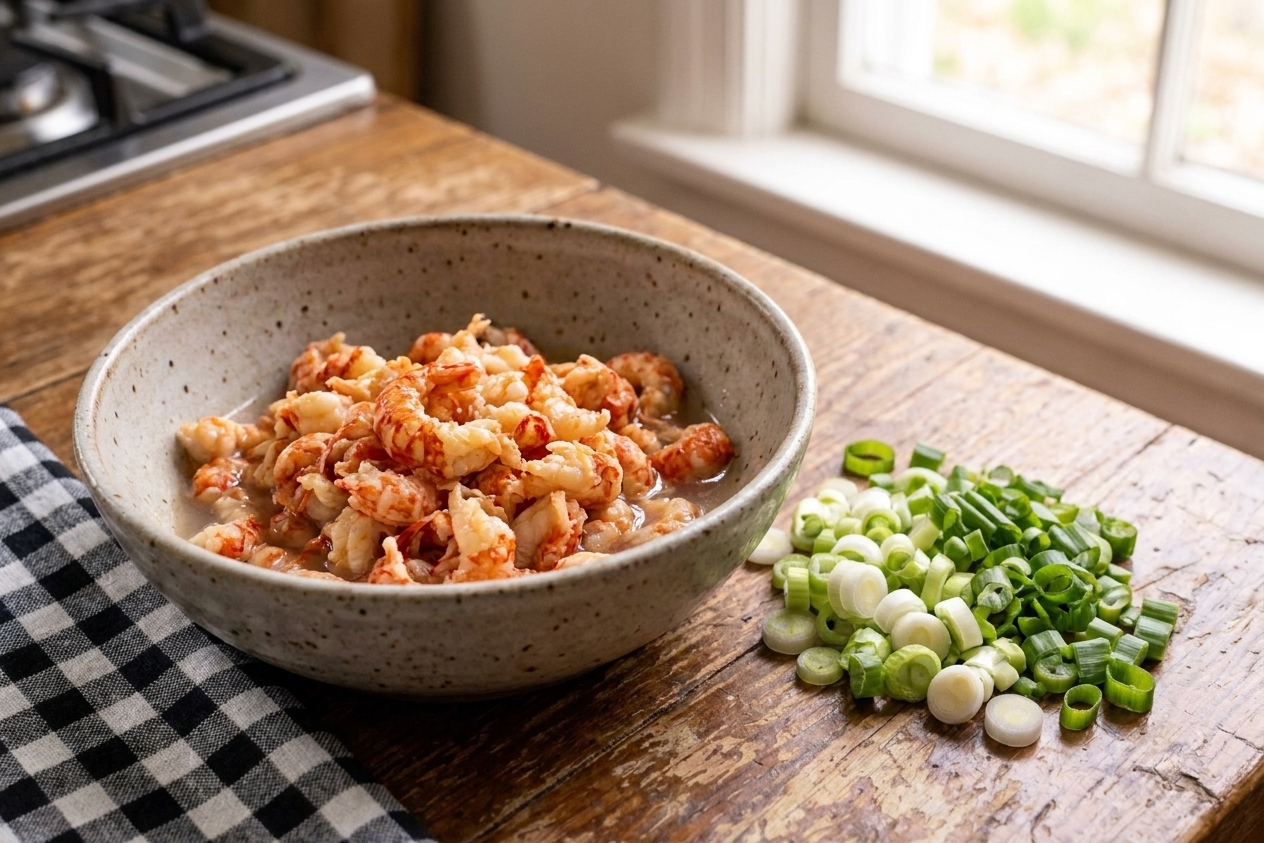
A bowl of thawed crawfish tail meat drained well on a kitchen counter next to sliced green onions

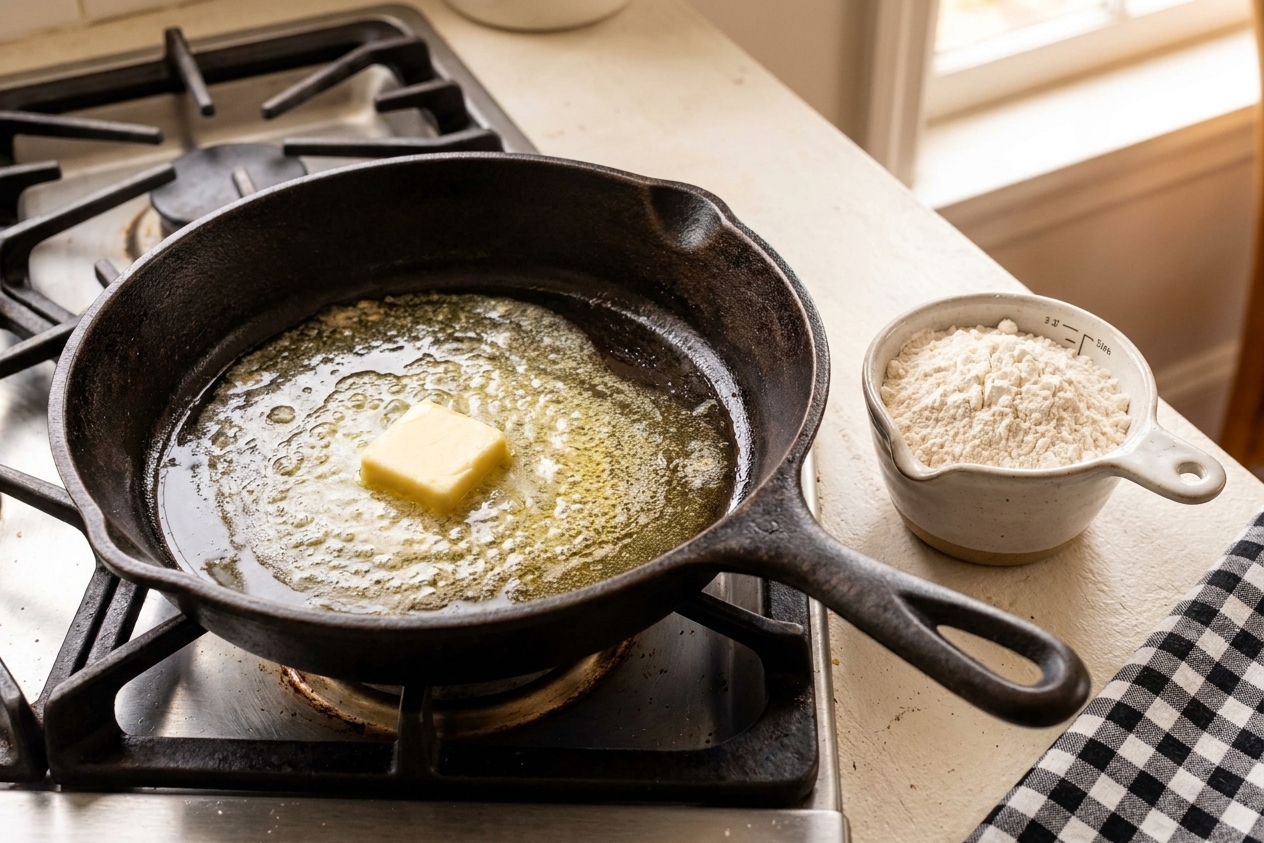
Etouffee is one of those dishes that feels like a team sport, even if it is just you and a spoon. The first time I made it, I treated the roux like a suspicious pet that might bite. Constant hovering, lots of stirring, and a little panic when it got darker than I planned. But the moment the trinity hit the pan and the whole thing turned into a thick, savory sauce, I was fully in. Now it is my go-to when I want something cozy and impressive that still lets me keep ingredients simple and the vibe relaxed.