Mom's Best Recipes
Recipe

Cream Cheese Cake

A classic baked cheesecake with a crisp graham crust, a silky cream cheese filling, and the kind of tangy vanilla bite that makes you pause mid-bite.

Author By Matt Campbell
4.8
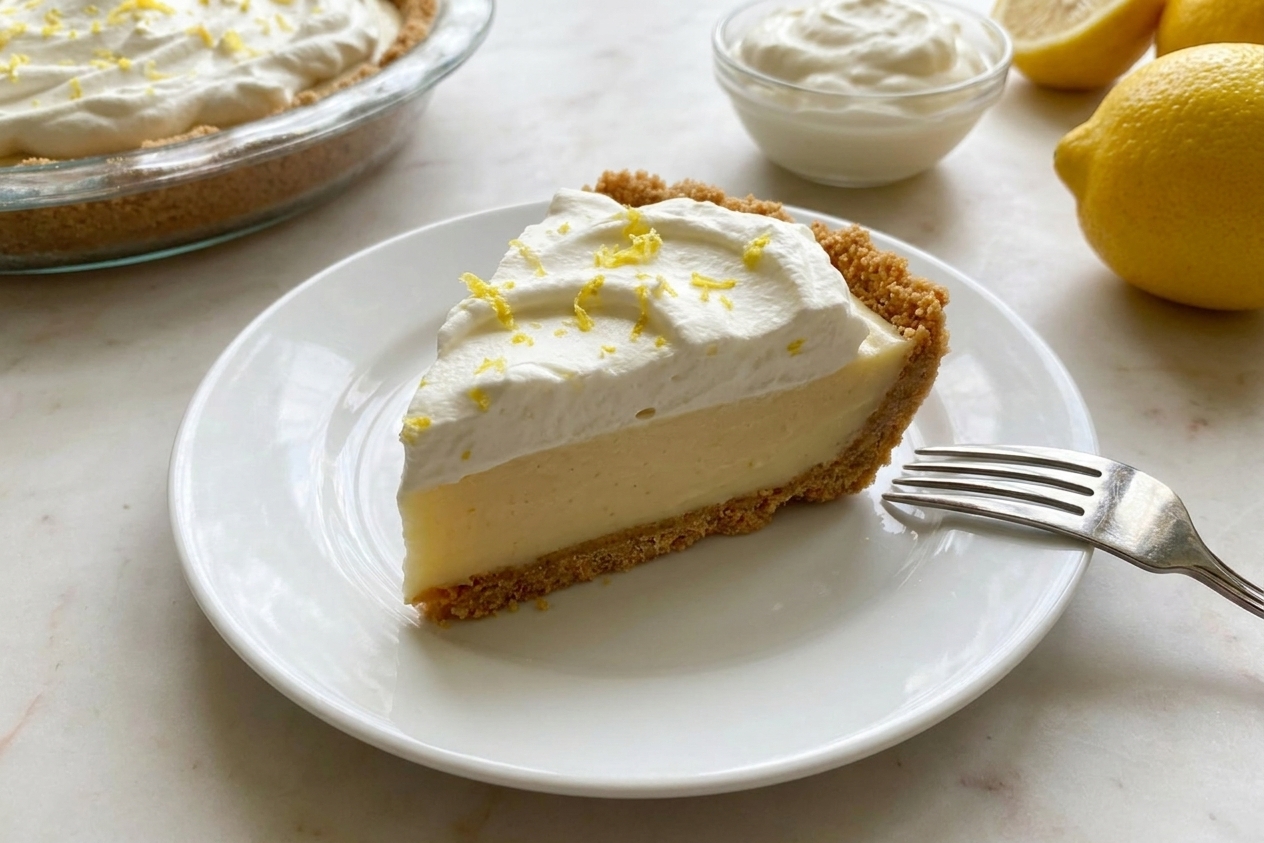
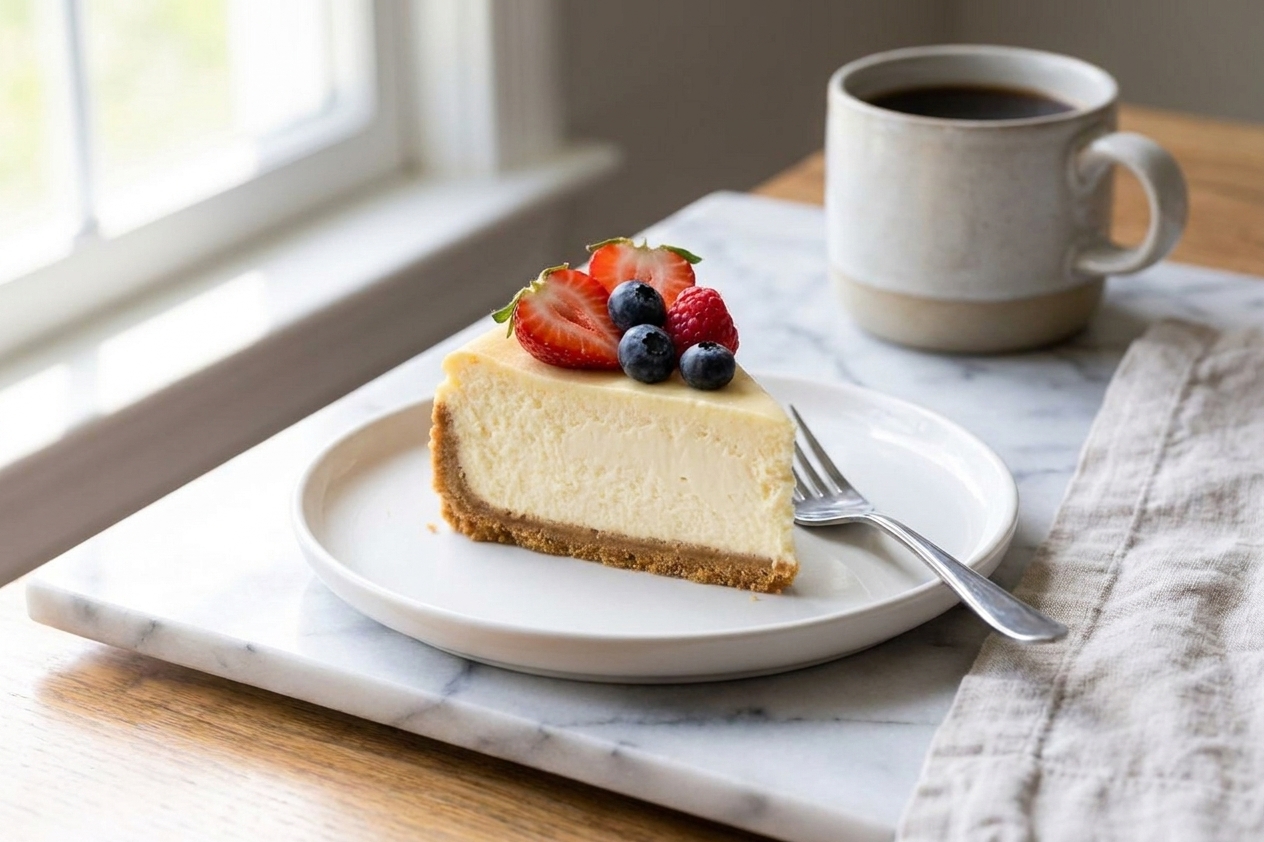
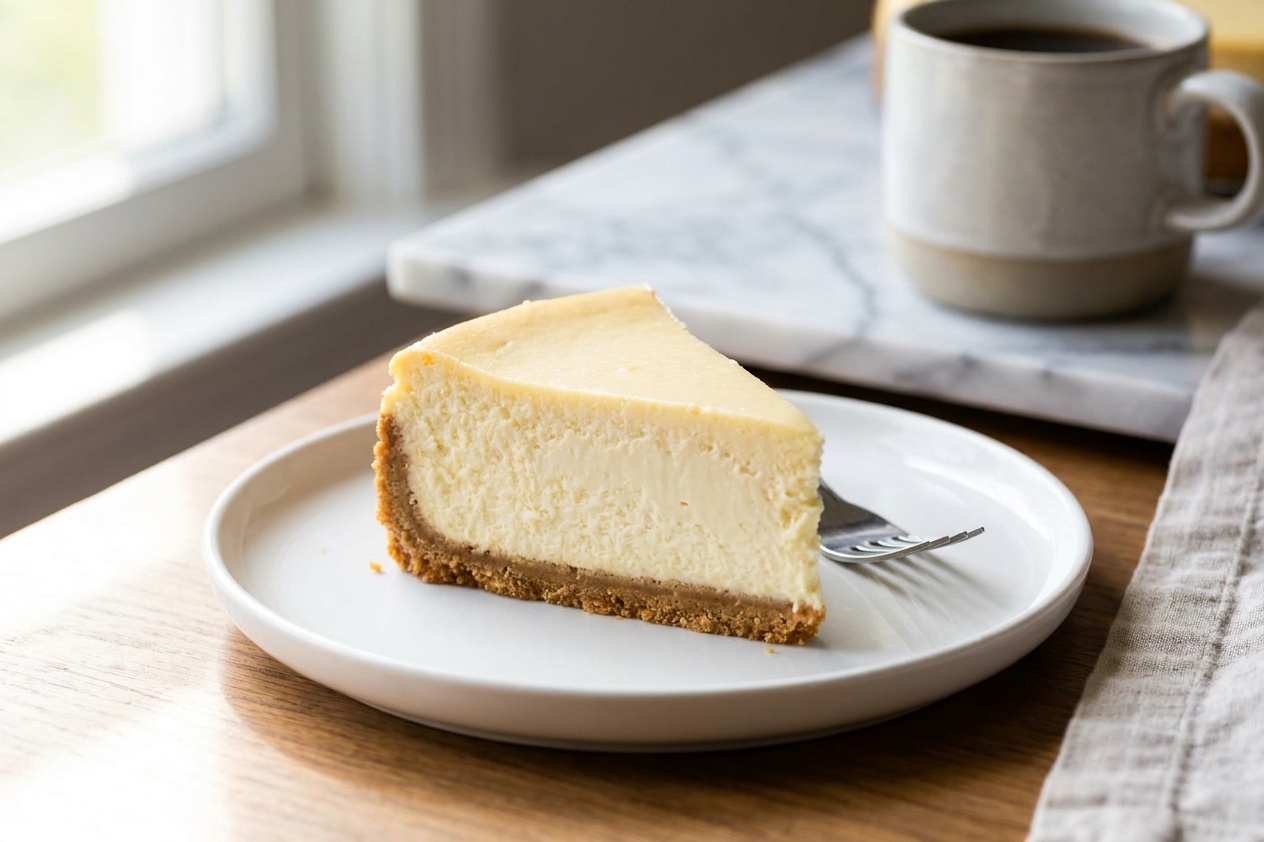
A single slice of creamy cheesecake with a graham cracker crust on a white plate, soft natural kitchen light, minimal table setting

This is the cream cheese cake I make when I want maximum comfort with minimum chaos. It is rich but not heavy, tangy in the right way, and smooth enough to make you feel like you did something fancy even if you were in sweatpants the whole time.

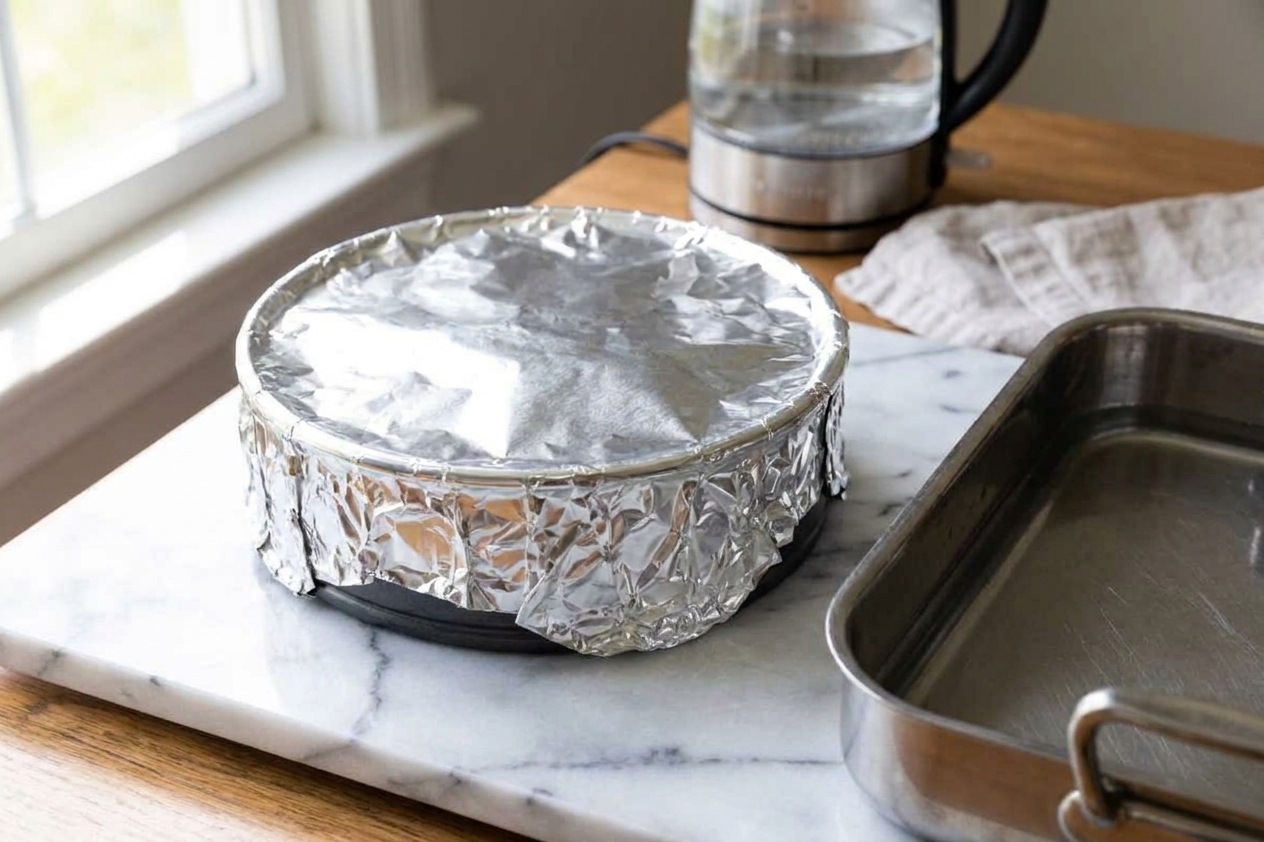
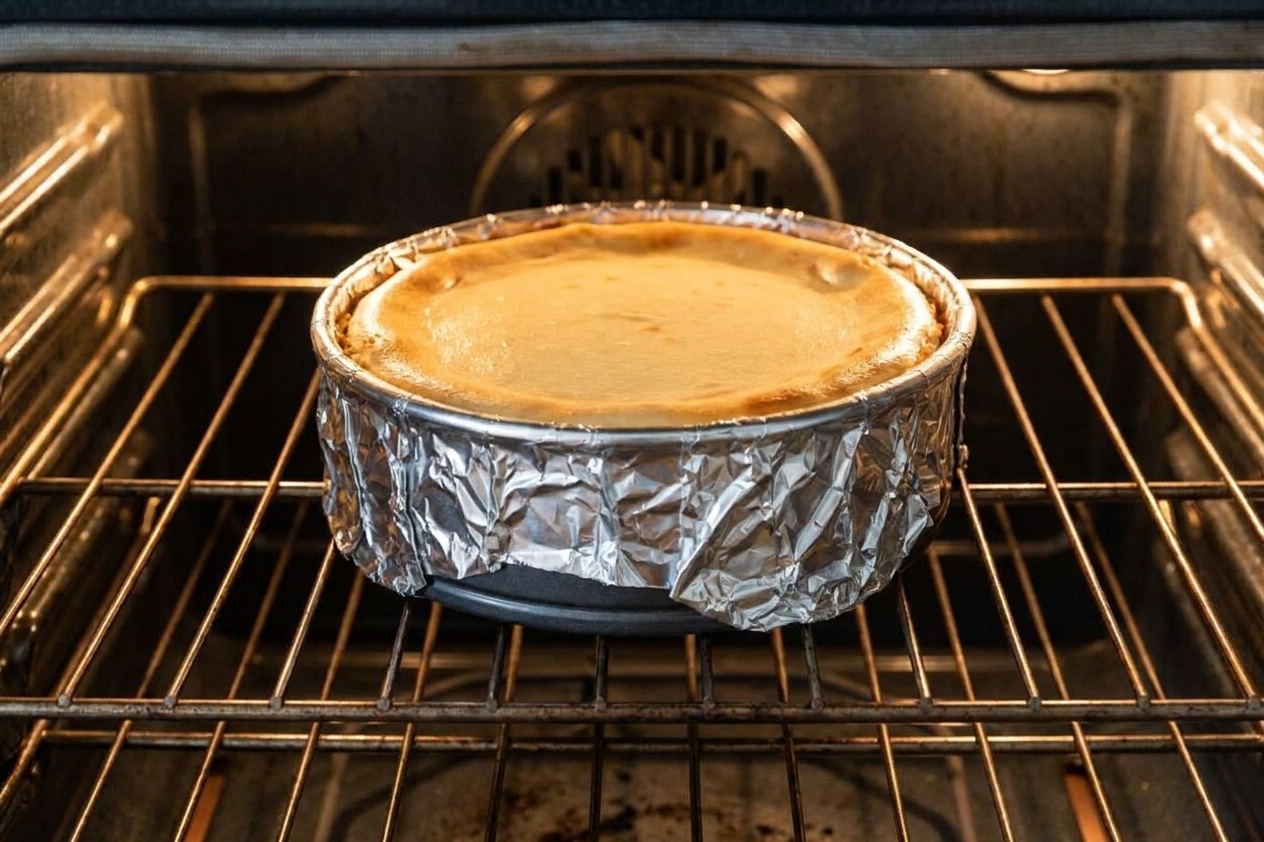
We are going for a classic baked cheesecake vibe here: buttery graham crust, vanilla-forward filling, and a gentle bake that keeps the texture creamy instead of dry. I included a water bath option, plus a low-drama workaround if you do not feel like wrapping a pan in foil like it is going to war.
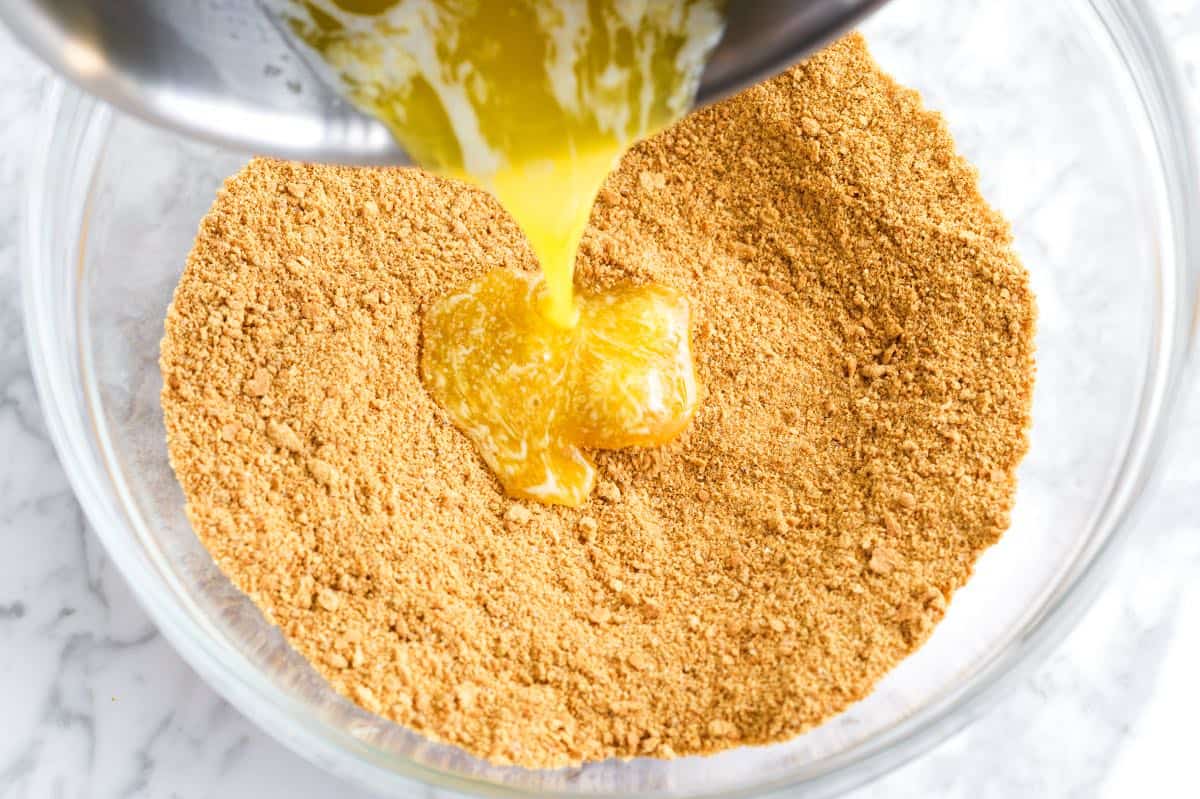
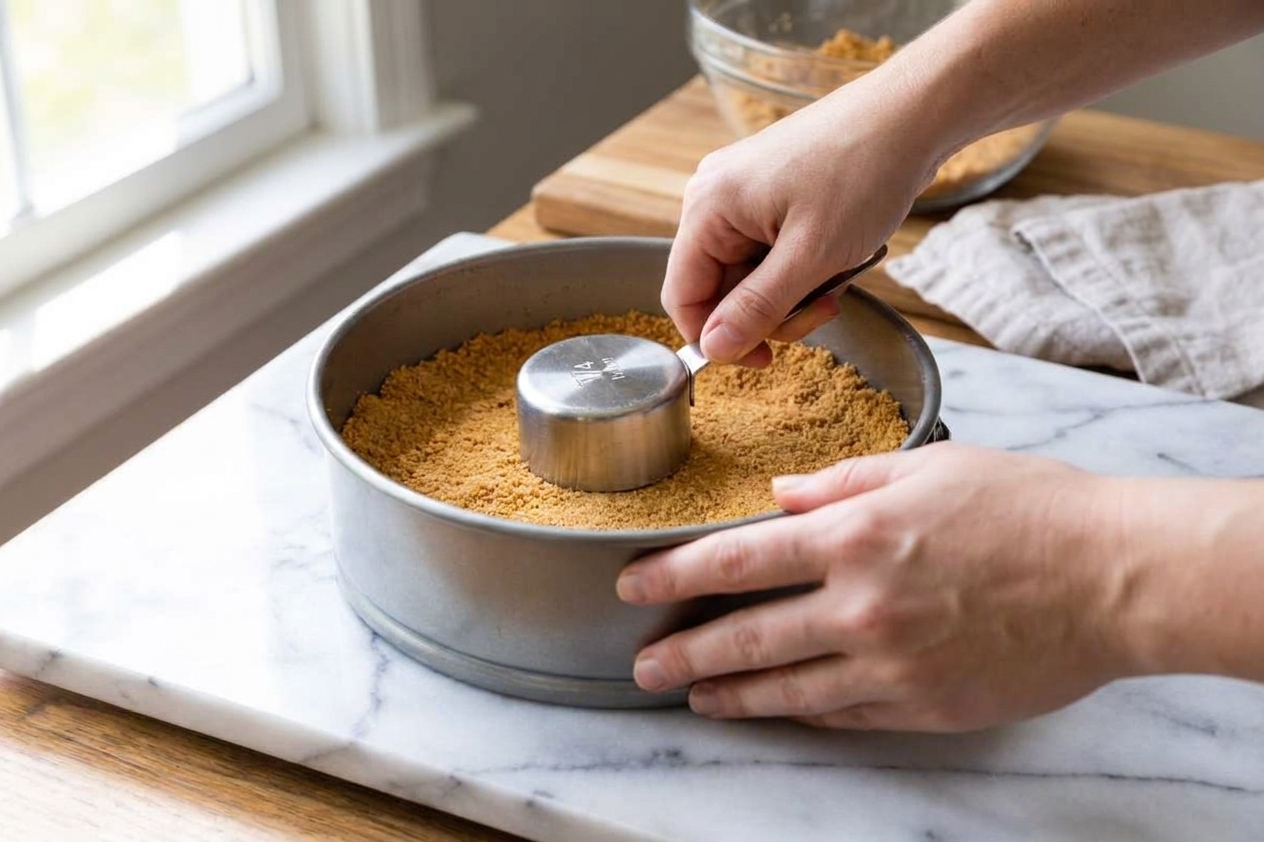
Graham cracker crumbs, melted butter, sugar, and a pinch of salt measured on a kitchen counter with a mixing bowl and spoon

Why It Works

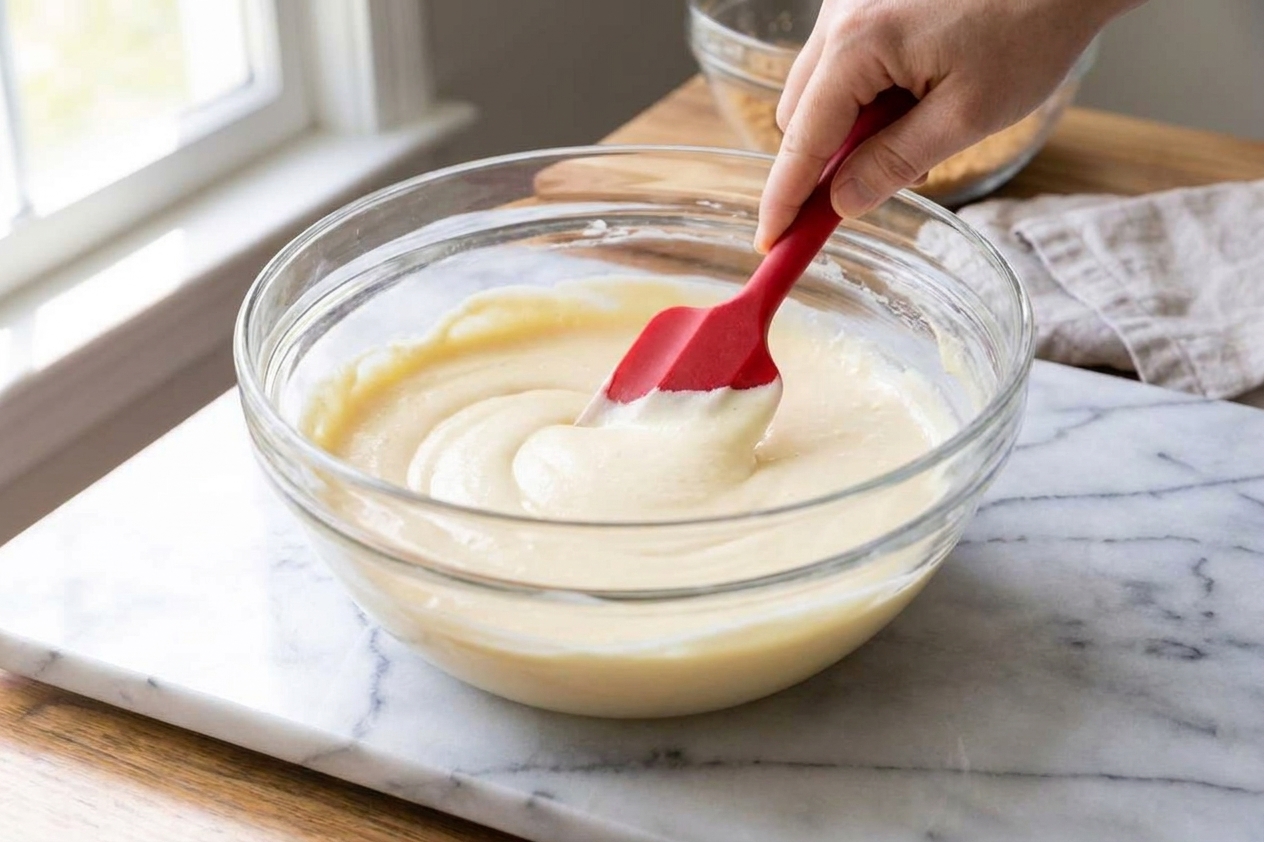
  • Silky texture: Room-temperature cream cheese and low mixing keep the batter smooth and reduce air bubbles that cause cracks.
  • Crisp, not soggy crust: Pre-baking the crust sets it so it stays snappy under the filling.
  • Crack-resistant bake: Gentle heat, optional water bath, and a slow cool keep the top calm and level.
  • Bright flavor: Sour cream and lemon add that little tangy edge that makes the richness feel balanced.

Pairs Well With

Storage Tips

How to Store It

  • Refrigerator: Cover the cheesecake (or individual slices) and refrigerate for up to 5 days. I like transferring slices to an airtight container so the cake does not pick up fridge smells.
  • Freezer: Freeze slices on a sheet pan until firm, then wrap each slice in plastic wrap and place in a freezer bag. Freeze up to 2 months.
  • Thawing: Thaw overnight in the fridge for the best texture. If you are impatient, 30 to 60 minutes at cool room temperature works for a single slice.

Pro tip: Cheesecake cuts cleanest when it is cold. Wipe your knife with a warm, damp towel between slices for bakery-style edges.

Common Questions

Common Questions

Do I have to use a water bath?

No. A water bath gives the smoothest top and most even bake, but you can still get great results without it. If you skip it, place a roasting pan of hot water on the rack below the cheesecake to add moisture to the oven and help prevent cracks.

Why did my cheesecake crack?

The usual culprits are overmixing (too much air), baking too hot, or cooling too fast. Mix on low, bake at 325°F, and let it cool gradually in the turned-off oven with the door cracked.

How do I know when it is done?

The edges should look set, but the center should still have a 2 to 3 inch gentle jiggle when you nudge the pan. If you like a more concrete checkpoint, an instant-read thermometer in the center should read about 150°F.

Can I use low-fat cream cheese?

I do not recommend it here. Full-fat cream cheese gives the best texture and helps prevent a rubbery or weepy filling.

Can I make it ahead?

Yes, and you should. Cheesecake is happiest after a full chill. Make it 1 to 2 days ahead for the cleanest slices and best flavor.

I was the kid who always “helped” in the kitchen by licking the beaters and asking too many questions. Cheesecake felt like the grown-up dessert, the one you only saw at birthdays or after a fancy dinner. When I started cooking more seriously, I realized the magic is not secret ingredients. It is the small moves: room-temperature cream cheese, mixing with restraint, and letting the cake cool like it has nowhere to be. This version is my go-to when I want something classic, reliable, and just dramatic enough to feel special.