What is amaranth, exactly?
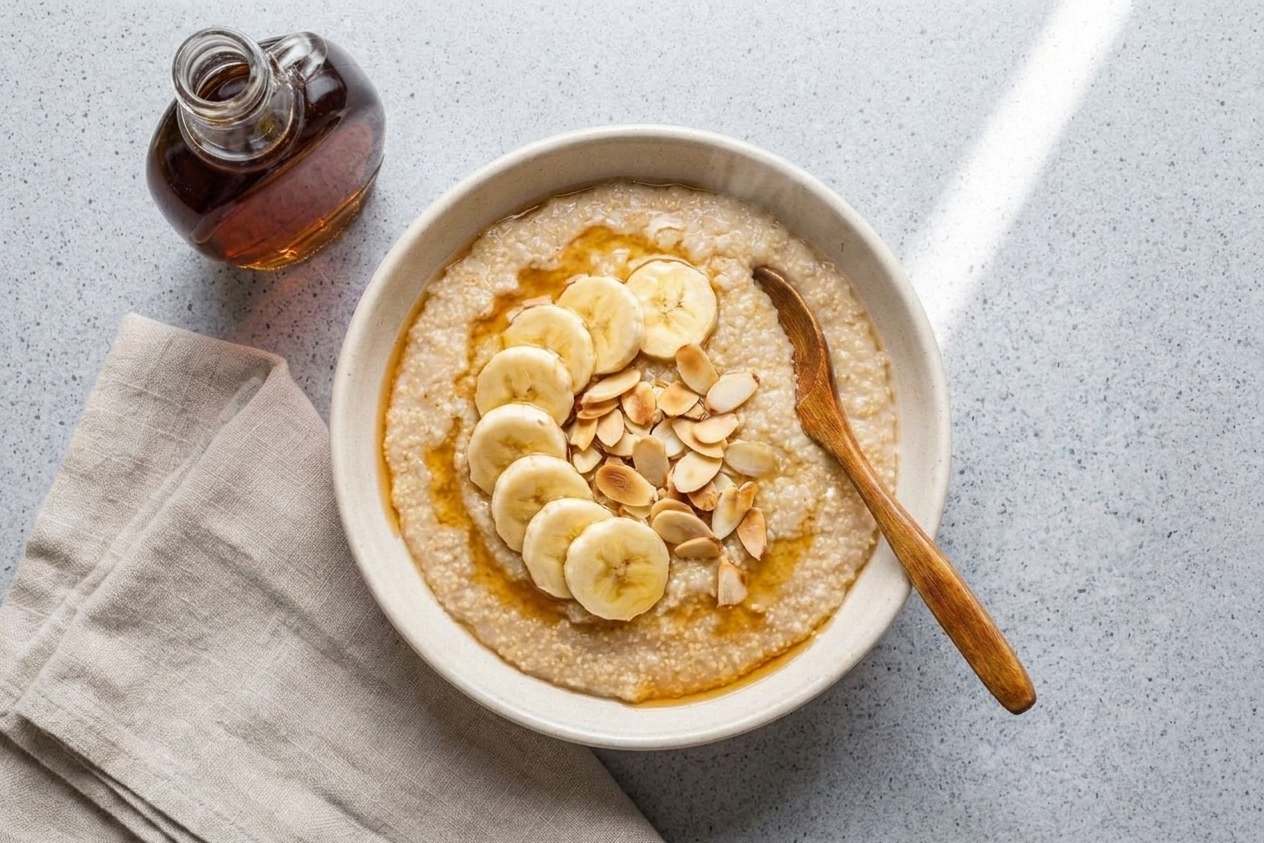
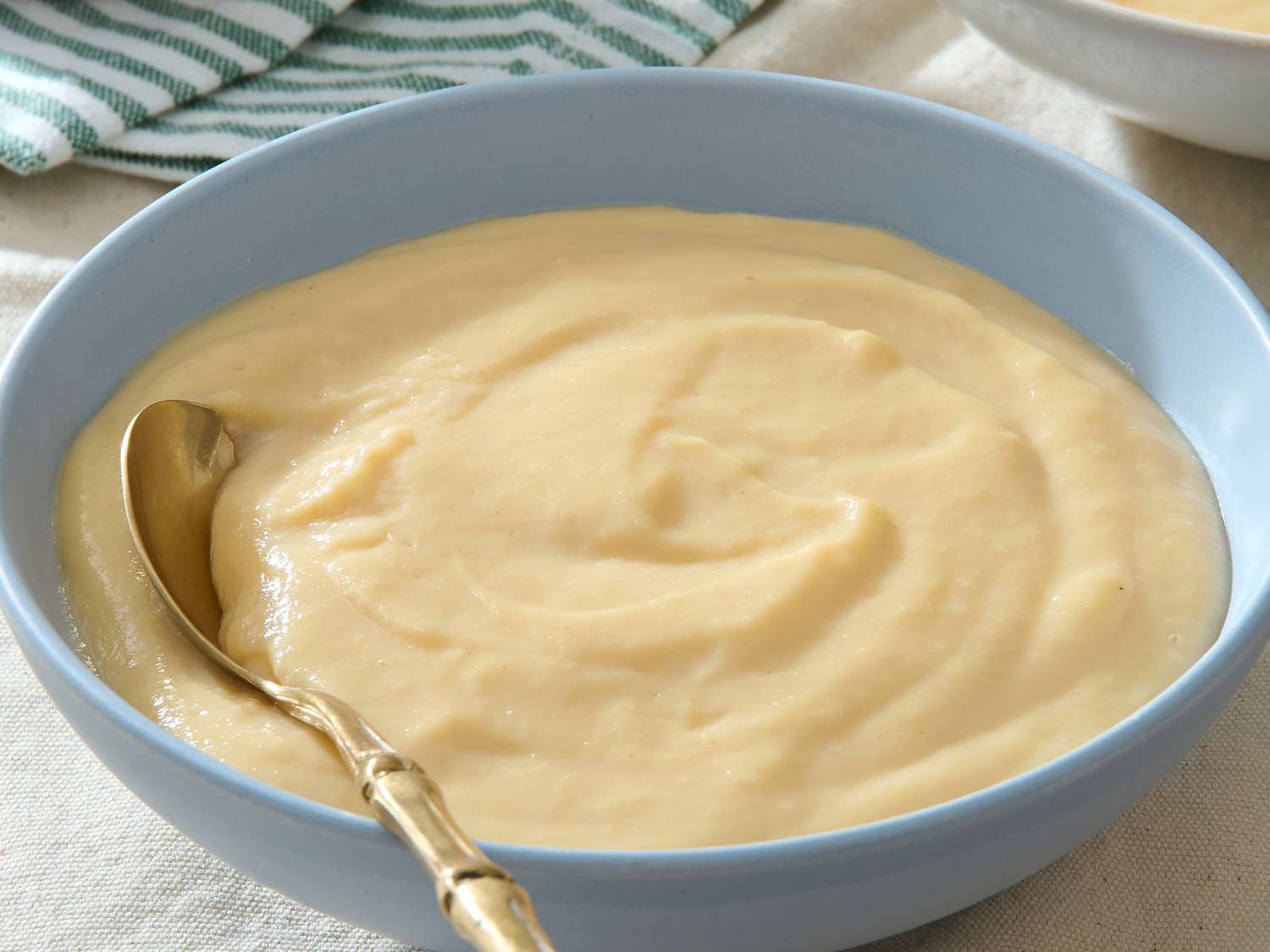
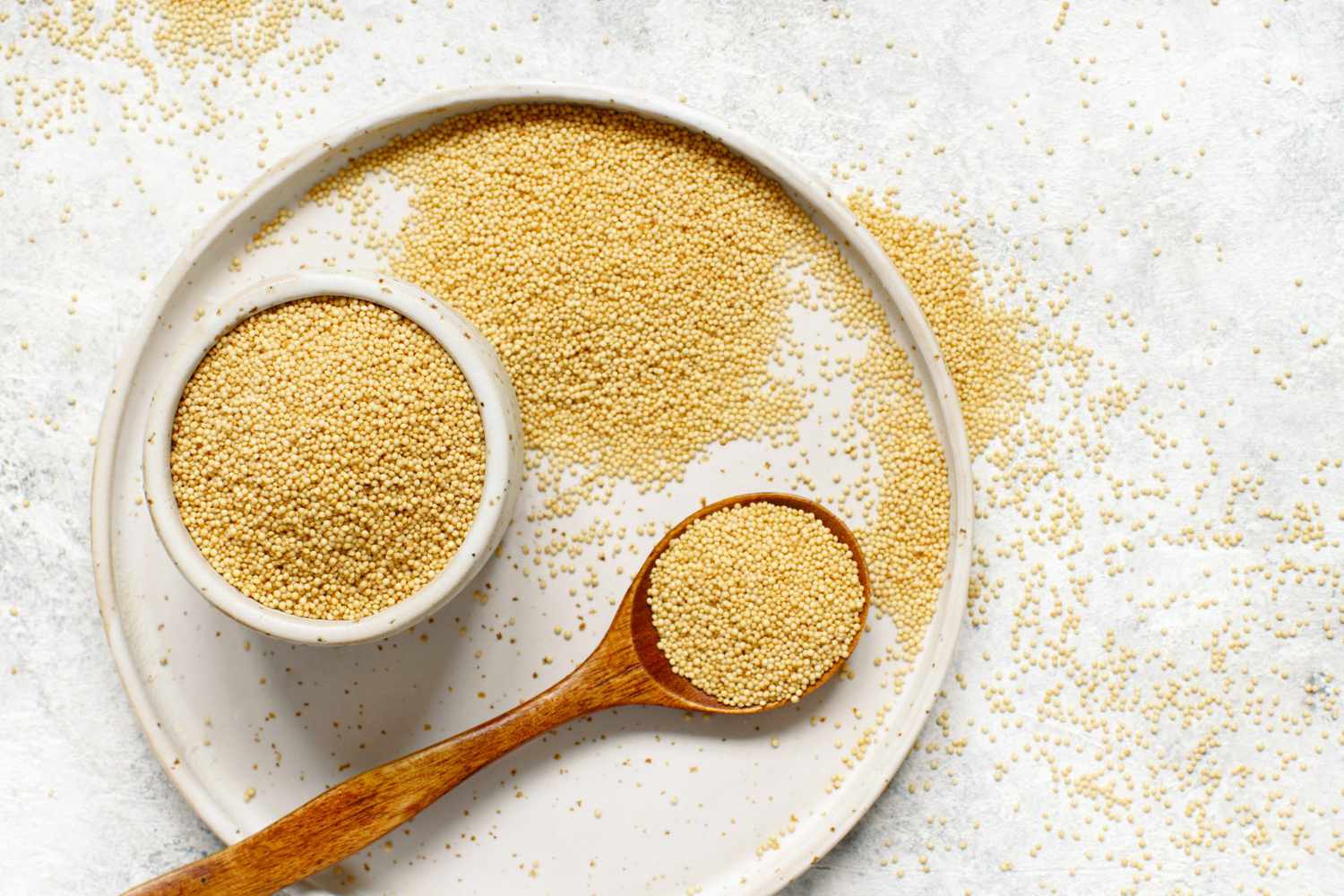
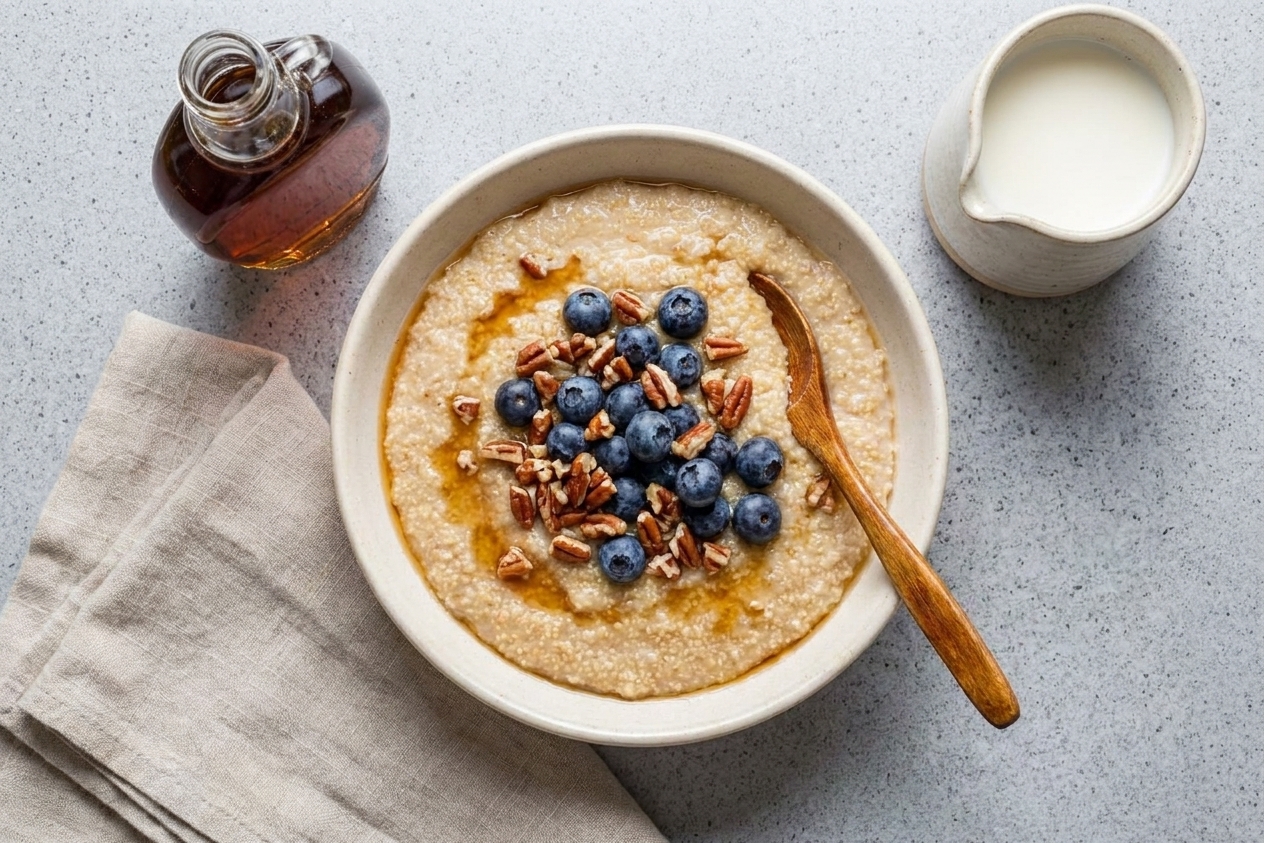
Amaranth is an ancient grain (technically a seed) that cooks up creamy and slightly gelatinous, kind of like a cross between polenta and oatmeal. It has a mild, nutty flavor and is naturally gluten-free.
Is amaranth always gluten-free?
Amaranth itself is gluten-free, but cross-contamination can happen during processing. If you are cooking for celiac or serious gluten sensitivity, choose certified gluten-free amaranth.
Do I have to rinse amaranth?
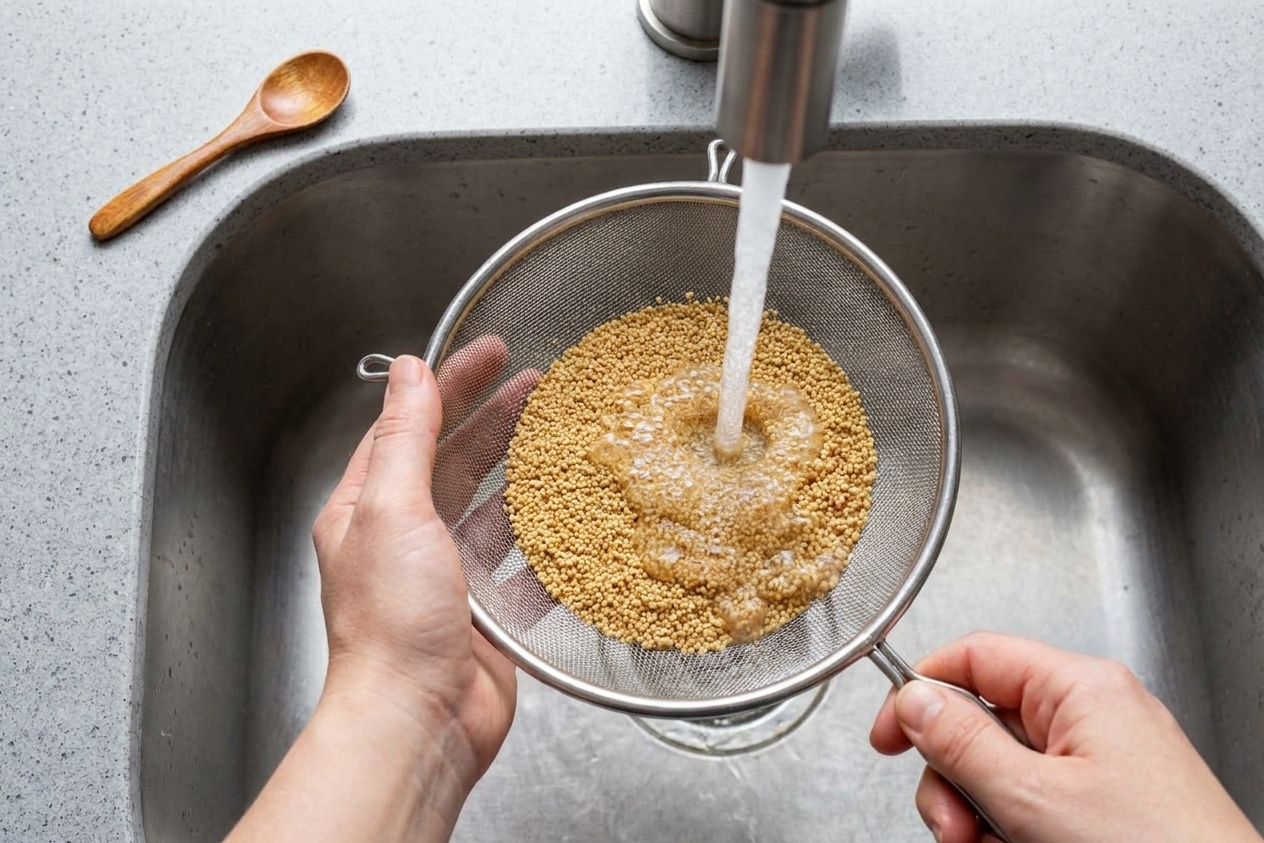
I strongly recommend it. Amaranth can have a slightly bitter edge, and a quick rinse in a fine-mesh strainer helps. It also washes away extra dust so your porridge tastes cleaner.
Why is my amaranth still crunchy?
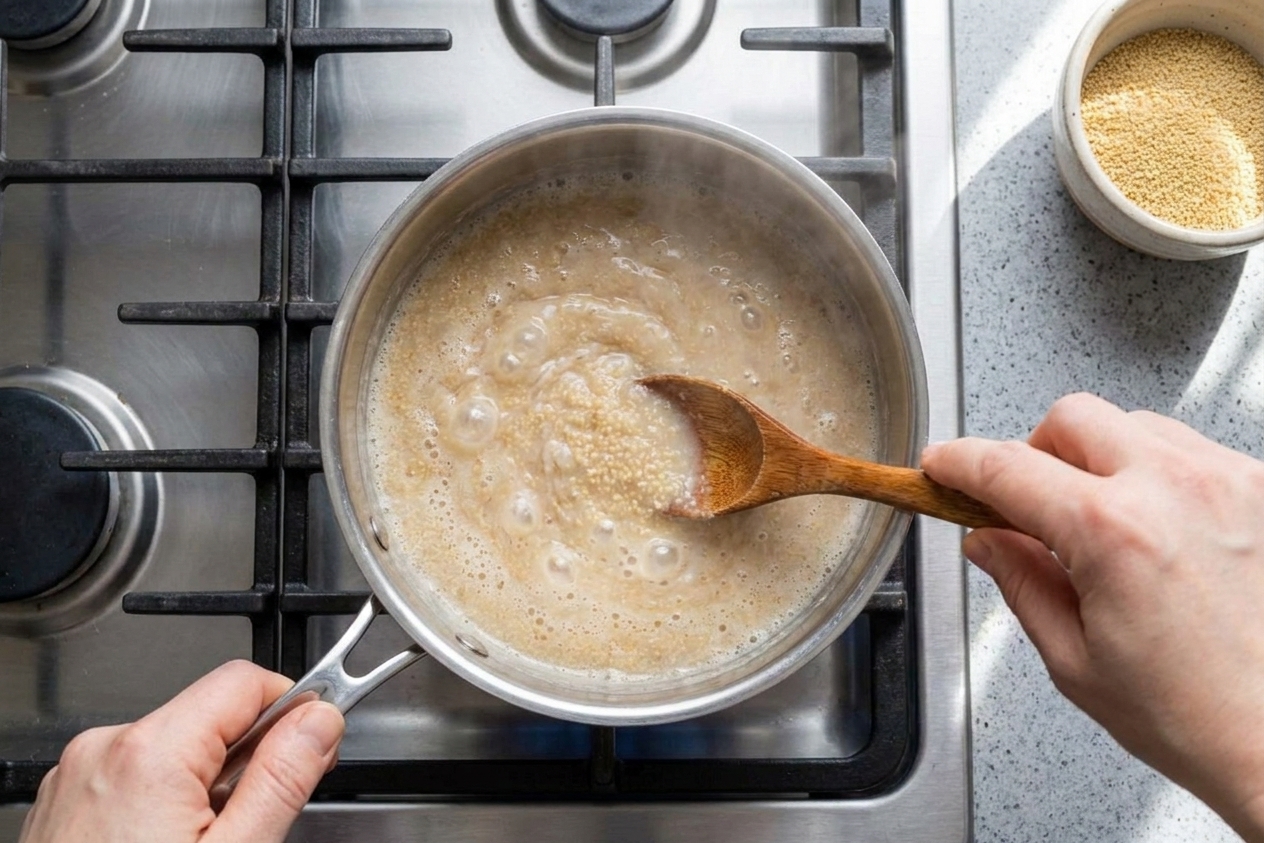
Usually it needs more time or more liquid. Keep it at a gentle simmer (not a rolling boil). Cook until the grains are tender and most of the liquid is absorbed, and add a splash of water or milk if the pot looks dry before the grains soften. Depending on the brand, it may take a few extra minutes.
Why does it get so thick?
Amaranth is starch-friendly. As it cools, it tightens up like it is setting a firm boundary. When reheating, just add liquid and stir until creamy again.
Can I make this dairy-free?
Absolutely. Use almond milk, oat milk, soy milk, or coconut milk. If you use coconut milk, the flavor gets extra warm and a little tropical.
Is this the same as puffed amaranth?
No. Puffed amaranth is a crunchy topping, like tiny popcorn vibes. For this recipe, you want raw amaranth grain so it can simmer into porridge.