Mom's Best Recipes
Recipe

Homemade Beef Shank

Fall-apart tender beef shank braised low and slow, then finished with a silky, creamy pan sauce that tastes like you worked way harder than you did.

Author By Matt Campbell
4.8
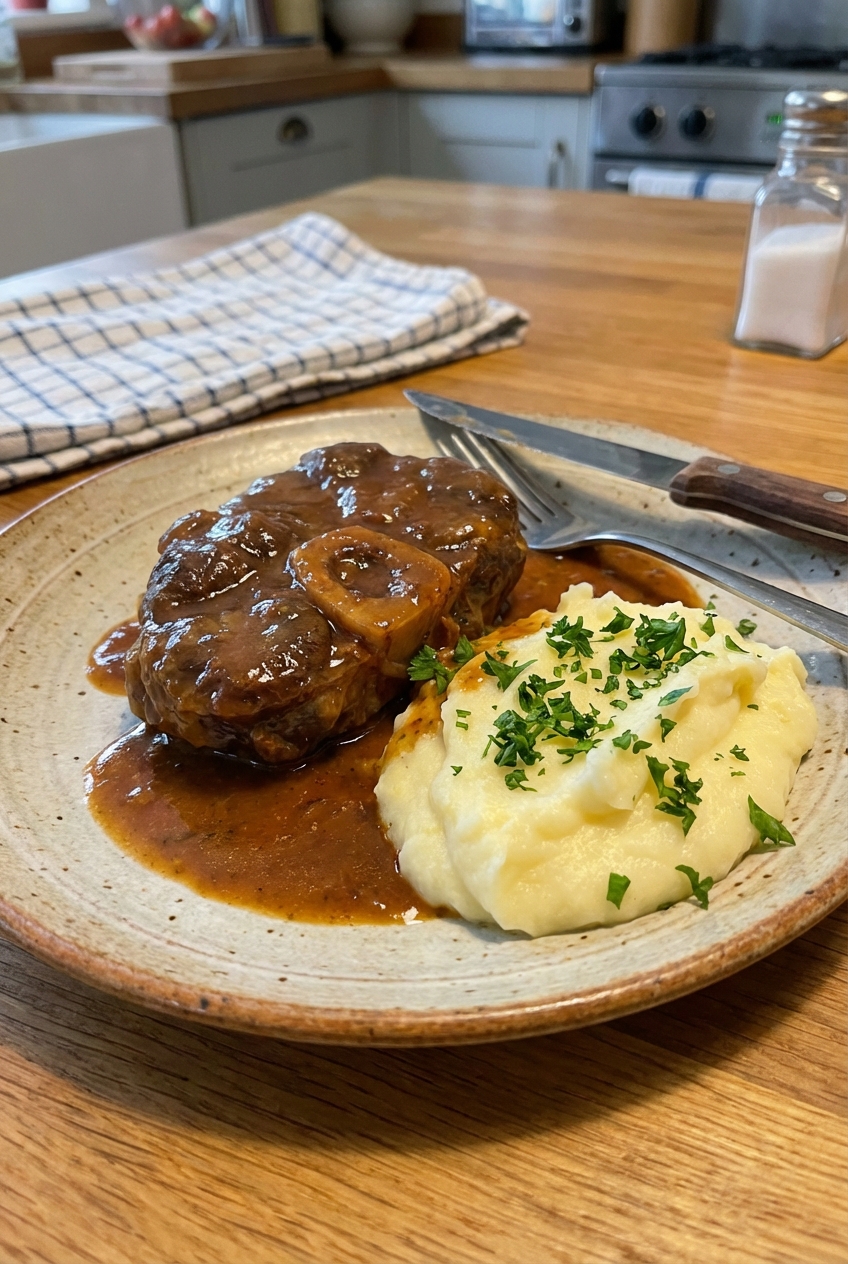
Braised beef shank with glossy creamy sauce served with mashed potatoes and chopped parsley

Beef shank is one of those cuts that quietly flexes. It starts out tough, a little intimidating, and kind of old-school. Then you give it time, a steady simmer, and a pot that keeps its promises, and it turns into the most cozy, fork-tender, restaurant-level dinner you can make on a random Tuesday.

This “creamy and dreamy” version is my favorite way to do it at home because it hits every note: deep beefy flavor, a bright pop from wine and tomato, and a sauce that finishes silky from a little cream and a quick reduction. No fussy ingredients. No magic tricks. Just a few smart moves that make the whole kitchen smell like you have your life together.
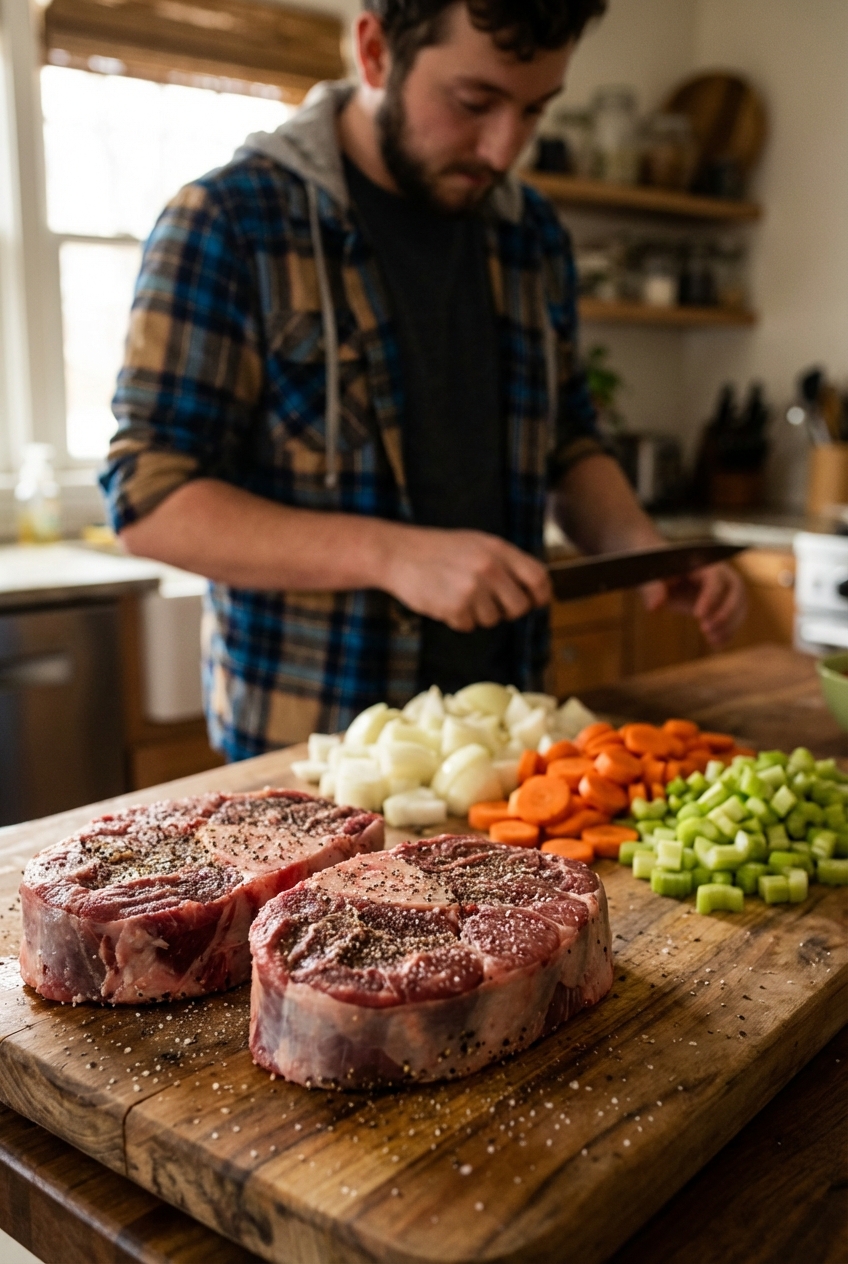
Raw beef shanks seasoned with salt and pepper on a cutting board next to chopped onion, carrots, and celery

Why It Works

  • Shank loves low heat. This cut is loaded with collagen that melts into gelatin over time, which means tender meat and a naturally richer sauce.
  • Hard sear, soft braise. Browning builds savory depth first, then the gentle simmer does the tenderizing.
  • Vegetables do the heavy lifting. Onion, carrot, and celery turn into flavor, not chunks, once they simmer for a couple hours.
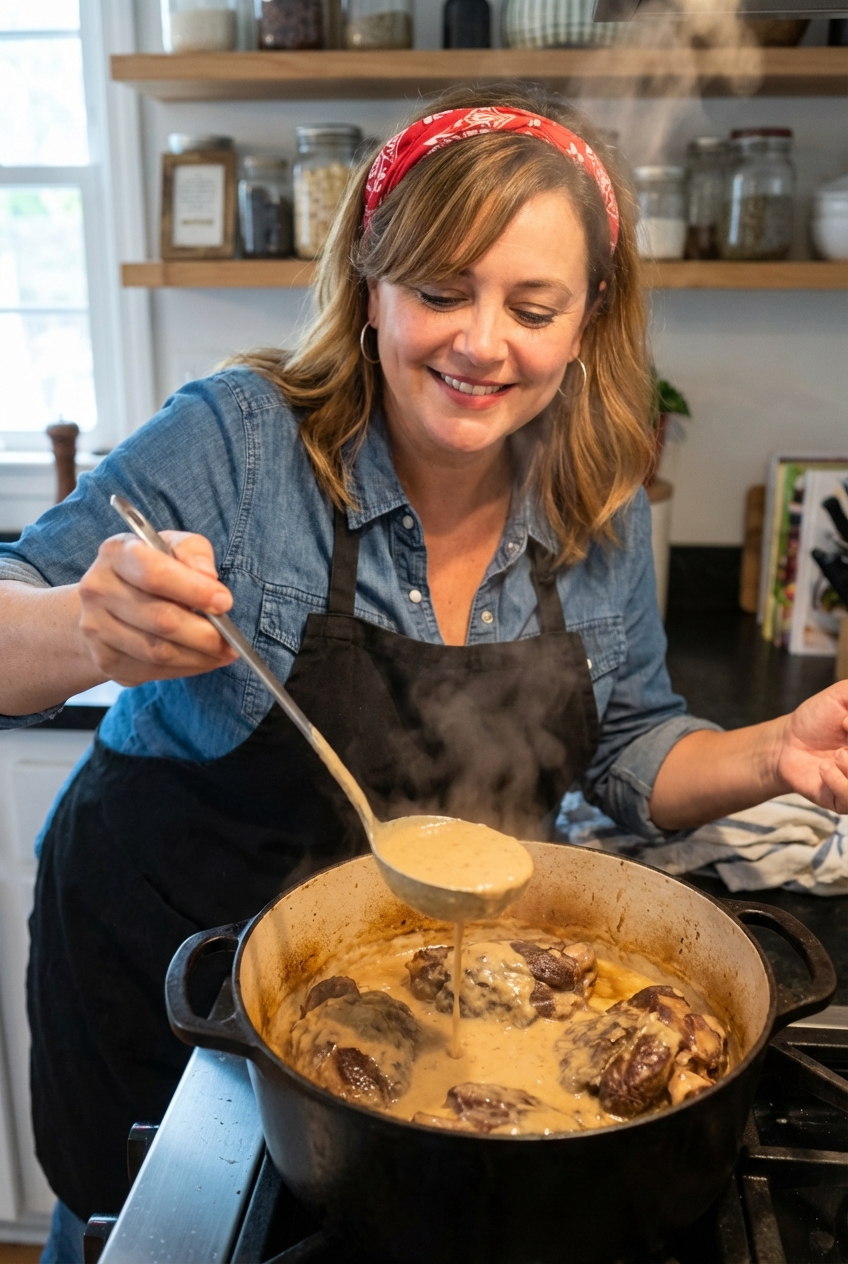
  • Cream at the end keeps it smooth. Reduce the braising liquid first, then add cream off the boil for a glossy sauce that clings to everything.

Pairs Well With

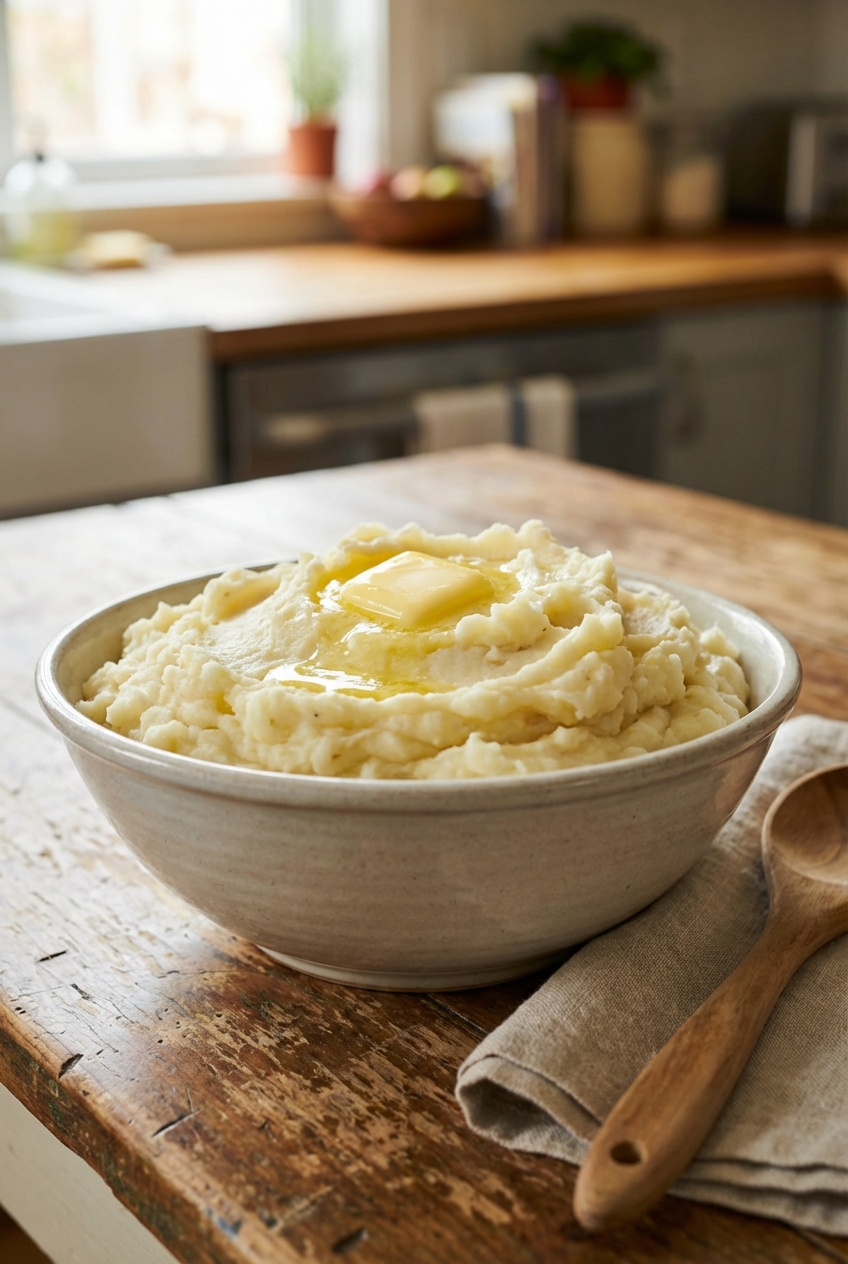
  • Buttery mashed potatoes in a bowl with a pat of melting butter

    Buttery Mashed Potatoes

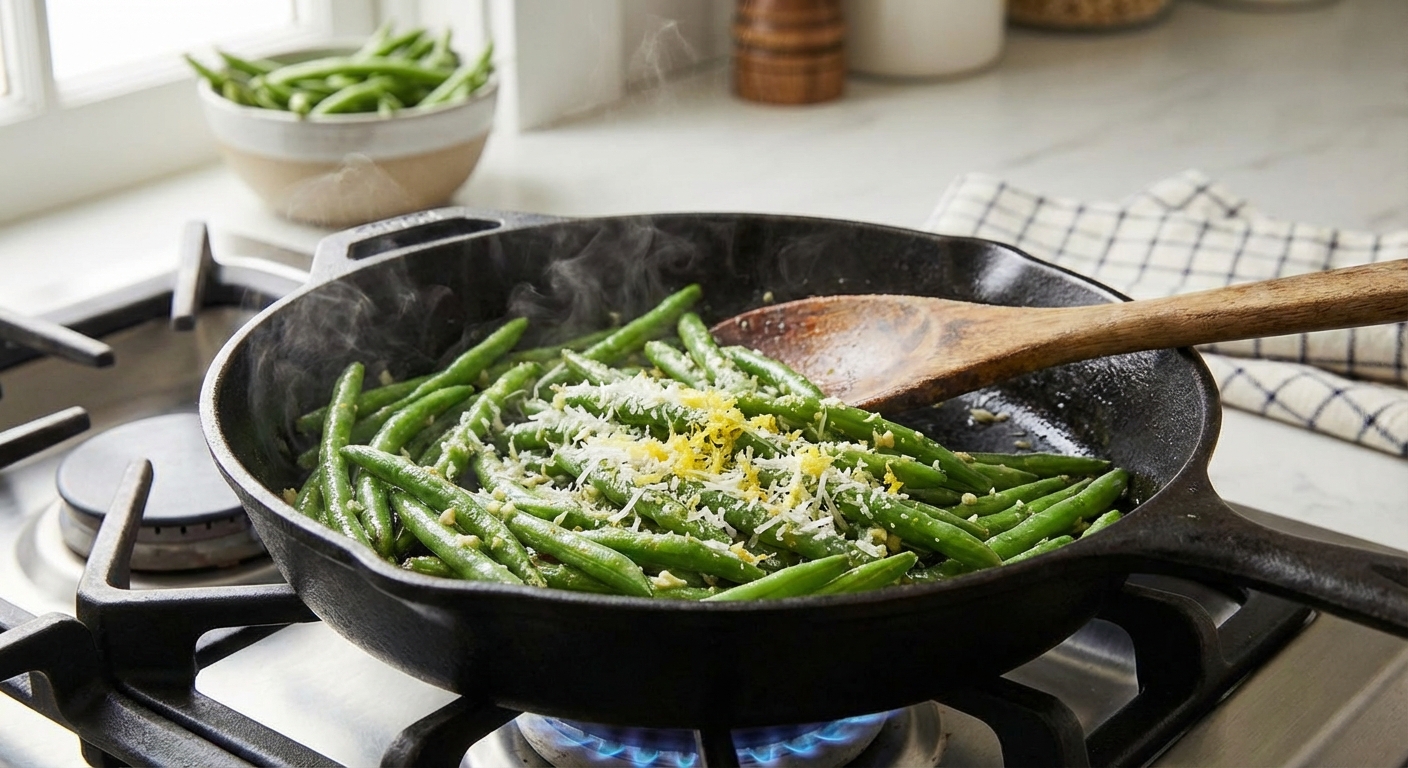
  • Roasted green beans with blistered edges and lemon wedges

    Lemon Roasted Green Beans

  • Slices of crusty bread on a cutting board with a small dish of olive oil

    Crusty Bread for Sauce Swiping

  • Arugula salad with shaved parmesan and cracked black pepper

    Peppery Arugula Salad

Storage Tips

Good news: beef shank leftovers taste even better the next day. The sauce thickens slightly and the flavors settle in like they pay rent.

Refrigerator

  • Cool leftovers, then store in an airtight container with plenty of sauce.
  • Keep refrigerated for up to 4 days.

Freezer

  • Freeze meat with sauce in freezer-safe containers for up to 3 months.
  • Thaw overnight in the fridge for best texture.

Reheating

  • Stovetop: Warm gently over low heat with a splash of broth or water, stirring occasionally.
  • Microwave: Use medium power and stir between bursts so the cream sauce stays smooth.
  • If the sauce looks tight or too thick, loosen with broth. If it looks thin, simmer uncovered for a few minutes.

Common Questions

Is beef shank the same as osso buco?

Not exactly. Beef shank is the cut. Osso buco is a classic braised dish (traditionally veal shank) that is often finished with gremolata. If your shanks are cross-cut with the bone in the center, you are definitely in “osso buco territory,” but this recipe is a creamy braise, not a strict traditional osso buco.

Do I have to use wine?

No. Swap the wine with more beef broth plus 1 tablespoon balsamic vinegar or lemon juice to keep the sauce bright. You still want some acidity so the finished flavor does not feel flat.

Why is my beef shank still tough?

It is almost always a timing issue. Shank needs time for collagen to break down. Keep braising until a fork slides in easily and the meat wants to pull away. If it is tough, it needs more time, not more heat.

Can I make this in a slow cooker?

Yes. Sear first, then cook on low for 8 to 10 hours, or until fork-tender (bigger shanks can take longer). Reduce the braising liquid on the stovetop after, then stir in the cream off heat.

Can I make it dairy-free?

You can. Finish the sauce with full-fat coconut milk or cashew cream. Keep it subtle and add a squeeze of lemon at the end to balance the richness.

How do I know it is done?

The best test is texture: a fork should slide in easily and the meat should start to relax off the bone. If you want a number, collagen-rich cuts often feel tender around 195 to 205°F, but the fork test wins.

The first time I cooked beef shank, I treated it like a steak and got humbled fast. Tough, chewy, and honestly kind of rude. Then I did what every home cook does after a minor kitchen betrayal: I tried again, slowed down, and paid attention. Now it is one of my favorite “looks fancy but is secretly chill” meals. When the sauce turns glossy and the meat starts falling apart around the bone, it feels like you unlocked a level in cooking that nobody warned you was this satisfying.