Mom's Best Recipes
Recipe

Creamy Chicken Alfredo

Silky Parmesan cream sauce, juicy seared chicken, and fettuccine that clings to every glossy bite. Restaurant-style comfort you can absolutely pull off on a weeknight.

Author By Matt Campbell
4.9
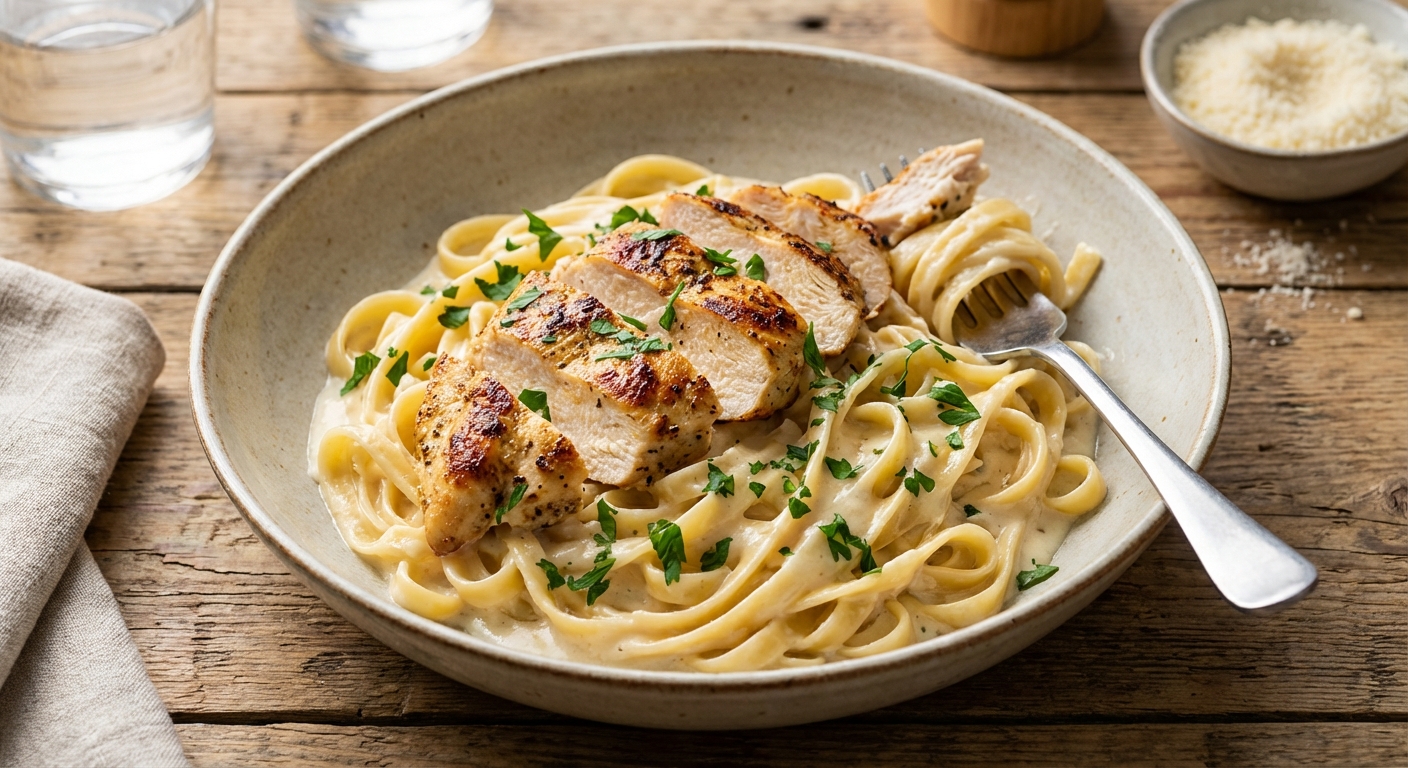
A real photograph of creamy chicken Alfredo in a wide shallow bowl with sliced seared chicken on top, glossy Parmesan sauce coating fettuccine, and a sprinkle of parsley on a wooden table

There are two kinds of chicken Alfredo nights. The first is the "we opened a jar and hoped for the best" version. The second is the one where the sauce turns into a smooth, clingy blanket of Parmesan, the chicken is actually juicy, and everyone gets suspiciously quiet mid-bite. This is that second night.

Restaurant-style Alfredo is not about mystery ingredients. It is about timing, heat control, and a couple of small moves that make a big difference, like finishing pasta in the sauce with a splash of starchy water and adding the cheese off the heat so it melts instead of clumping.

We are keeping this doable and friendly. No fancy tools, no hard-to-find ingredients, and no pressure to be perfect. Just taste as you go and chase the sauce texture you want.
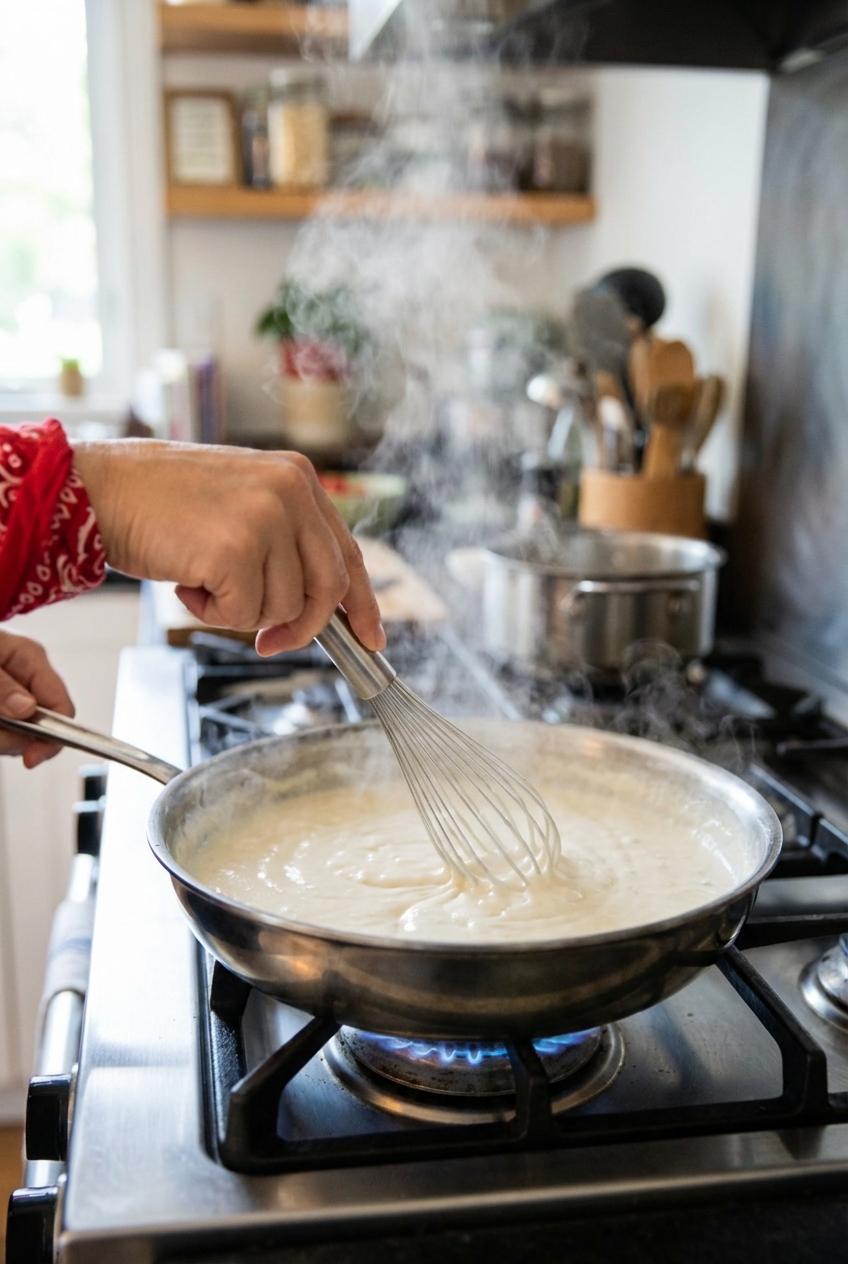
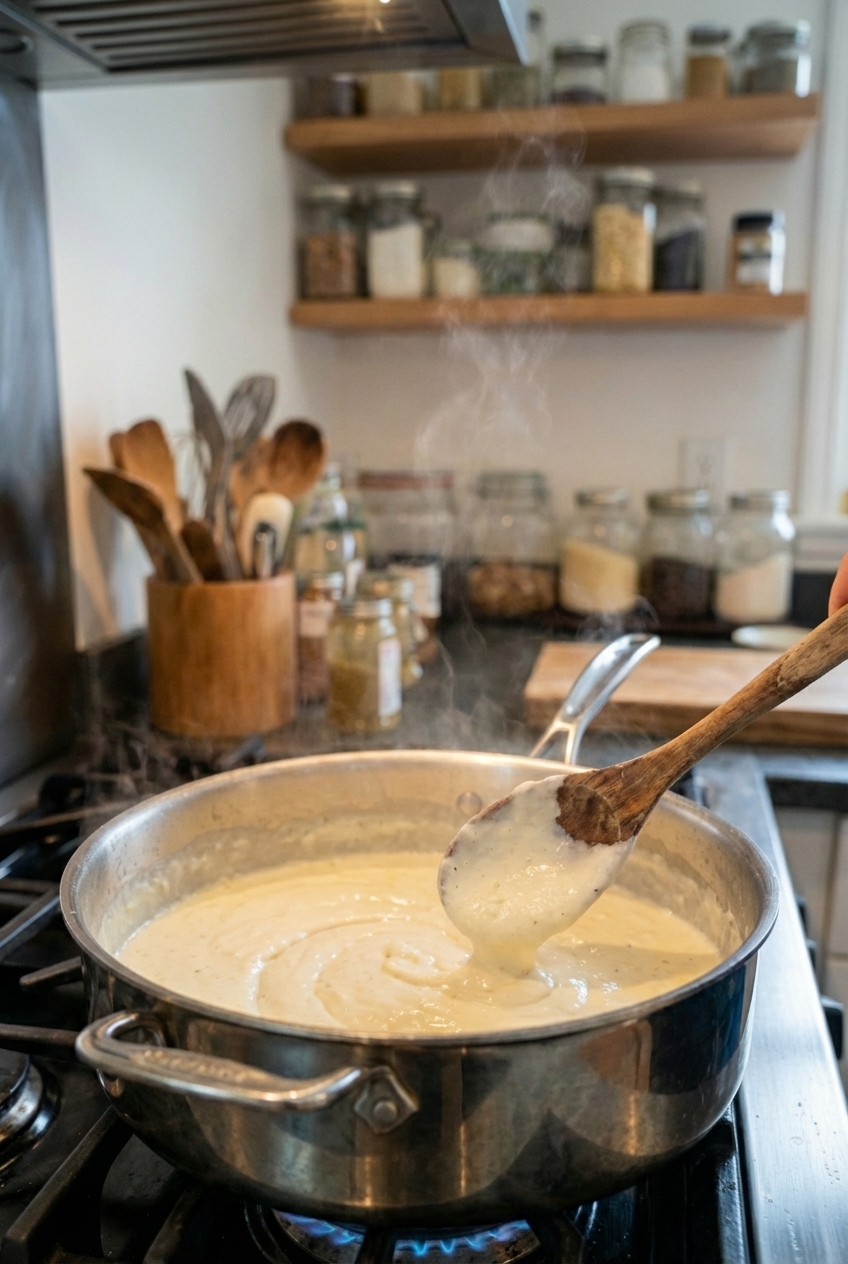
A real photograph of a hand stirring creamy Alfredo sauce in a stainless steel skillet on a stovetop with steam rising

Why It Works

  • Glossy, not gloppy: You emulsify butter, cream, and Parmesan, then loosen with pasta water for a sauce that coats every strand.
  • Chicken that stays juicy: A quick sear plus a short rest keeps it tender, then you slice it across the grain.
  • Real Parmesan flavor: Freshly grated Parm melts smoother and tastes sharper than pre-shredded.
  • Built-in rescue plan: If the sauce tightens up, you add warm pasta water and stir. It comes right back.

Pairs Well With

Storage Tips

Refrigerate: Store Alfredo in an airtight container for 3 to 4 days (best quality in the first 3). For food safety, cool leftovers quickly and refrigerate within 2 hours.

Reheat (best method): Warm in a skillet over low heat with a splash of milk, cream, or water. Stir gently until the sauce loosens and turns glossy again. If you blast it on high heat, the cheese can separate and get grainy.

Microwave method: Microwave in 30-second bursts, stirring each time, adding a splash of liquid as needed.

Freezing: Cream sauces can split after freezing and thawing. You can do it, but expect a texture change. If you freeze anyway, thaw overnight in the fridge and reheat very gently. If you want the best result, freeze the cooked chicken separately and make the sauce fresh when you reheat.

Common Questions

Why is my Alfredo sauce grainy?

Most of the time it comes down to heat and cheese. If the sauce is too hot when the Parmesan goes in, the proteins can tighten up and turn grainy. Using pre-shredded cheese with anti-caking agents can also contribute to a less smooth melt.

How to fix it (sometimes): Lower the heat and whisk in a splash of warm cream or hot pasta water. If it is only lightly grainy, this often smooths it out. If it is fully seized, it might not completely recover, but you can try a quick blitz with an immersion blender as a last resort. Next time, add Parmesan off the heat and use freshly grated.

Can I use milk instead of heavy cream?

You can, but it will not taste as rich and it can be harder to get that restaurant-style cling. If you want a lighter option, try half-and-half. If using milk, you may need a little extra Parmesan and gentle simmering to thicken.

What pasta is best for Alfredo?

Fettuccine is classic because the wide noodles hold sauce well. Linguine works too. If you only have penne, you are still invited to dinner.

How do I keep the chicken from drying out?

Pound to even thickness, sear over medium-high until just cooked through, then rest it for 5 minutes before slicing. If you like a number, aim for 165°F/74°C in the thickest part. Also, do not simmer the sliced chicken in the sauce for ages. Warm it through at the end and serve.

Can I add garlic?

Yes, and I recommend it. Purists can look away. One to three cloves, gently sautéed in butter, adds a cozy restaurant vibe without turning it into garlic noodles.

What kind of Parmesan should I use?

Freshly grated is the move. If you can, go for Parmigiano-Reggiano. Avoid the shelf-stable Parmesan in a can for this sauce. It will not melt as smoothly and the flavor is not the same.

The first time I tried to make "real" Alfredo, I treated it like a set-it-and-forget-it sauce. I cranked the heat, dumped in cheese, and ended up with something that looked like it wanted to become a science fair project. The fix was humbling and simple: lower the heat, add cheese slowly, and use pasta water like it is a secret handshake. Now this is my go-to dinner when I want everyone to think I tried harder than I did, and I am completely fine with that.