Can I use chicken thighs instead of breasts?
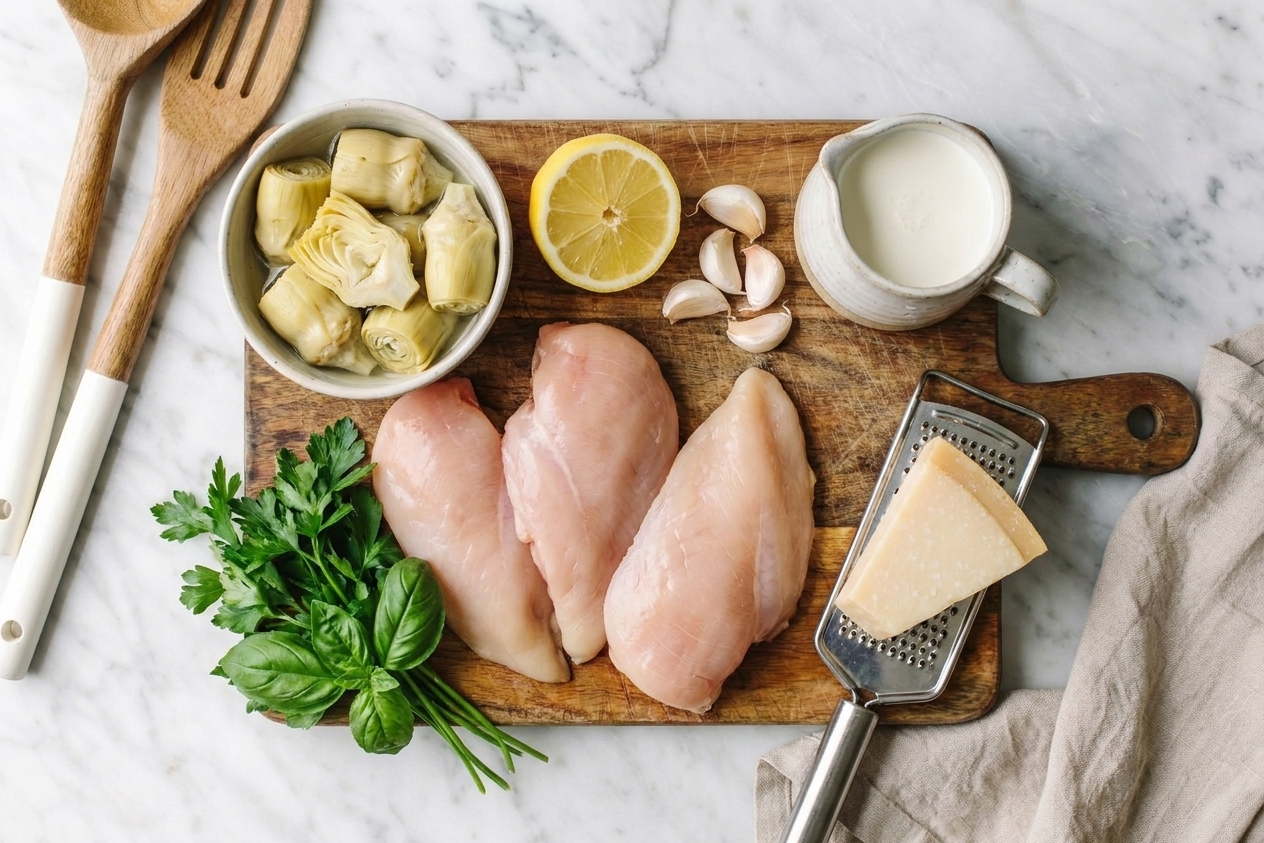
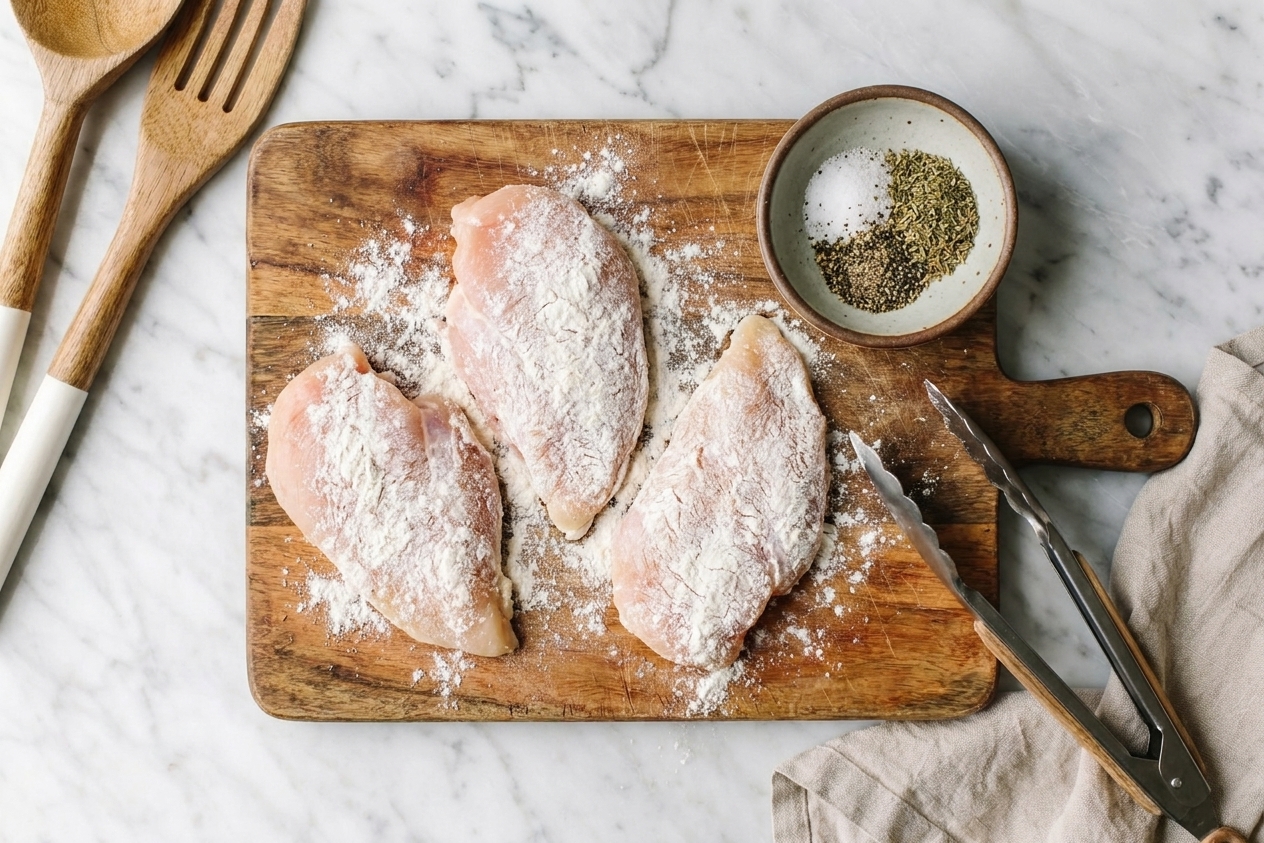
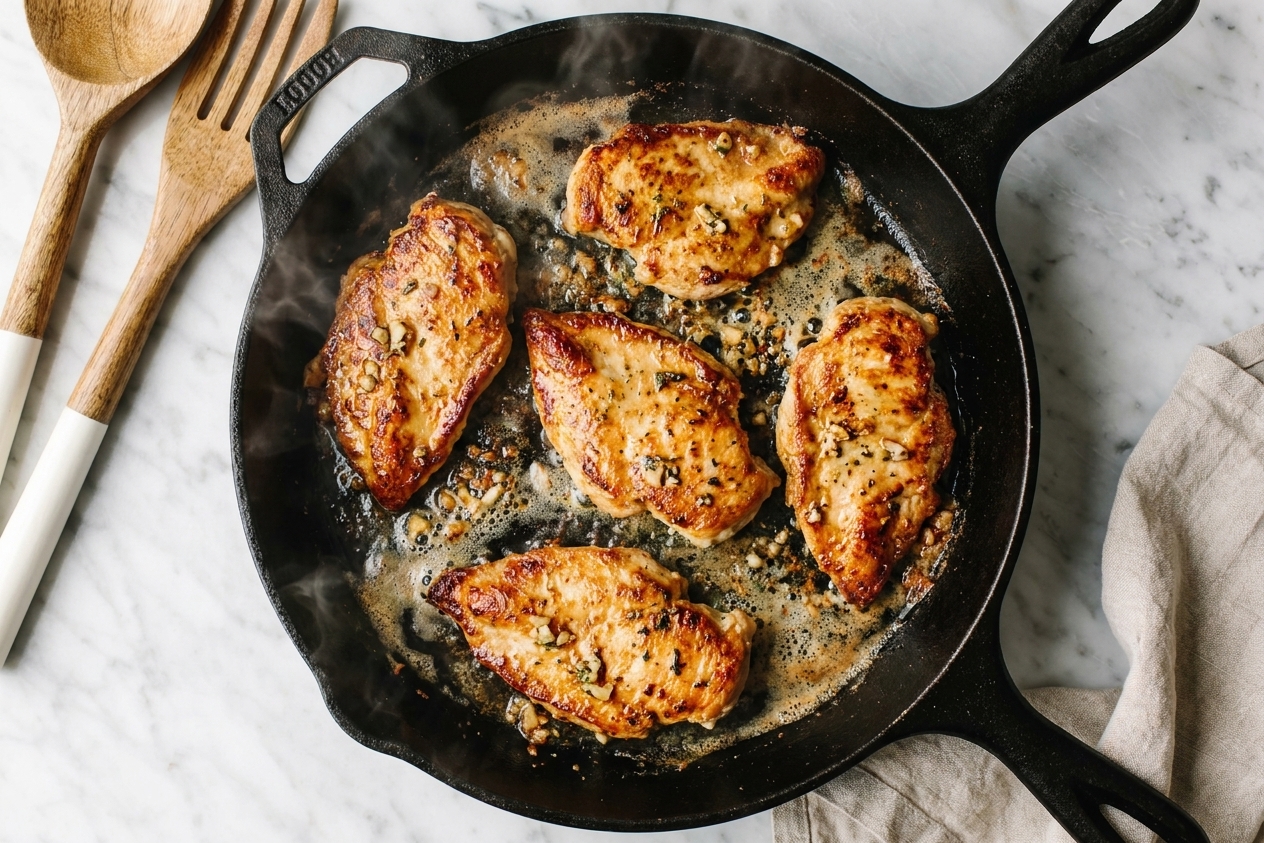
Yes. Boneless skinless thighs are fantastic here and harder to overcook. Simmer until the thickest piece reaches 165°F (74°C), which may take a few extra minutes depending on thickness.
Do I use marinated or water-packed artichokes?
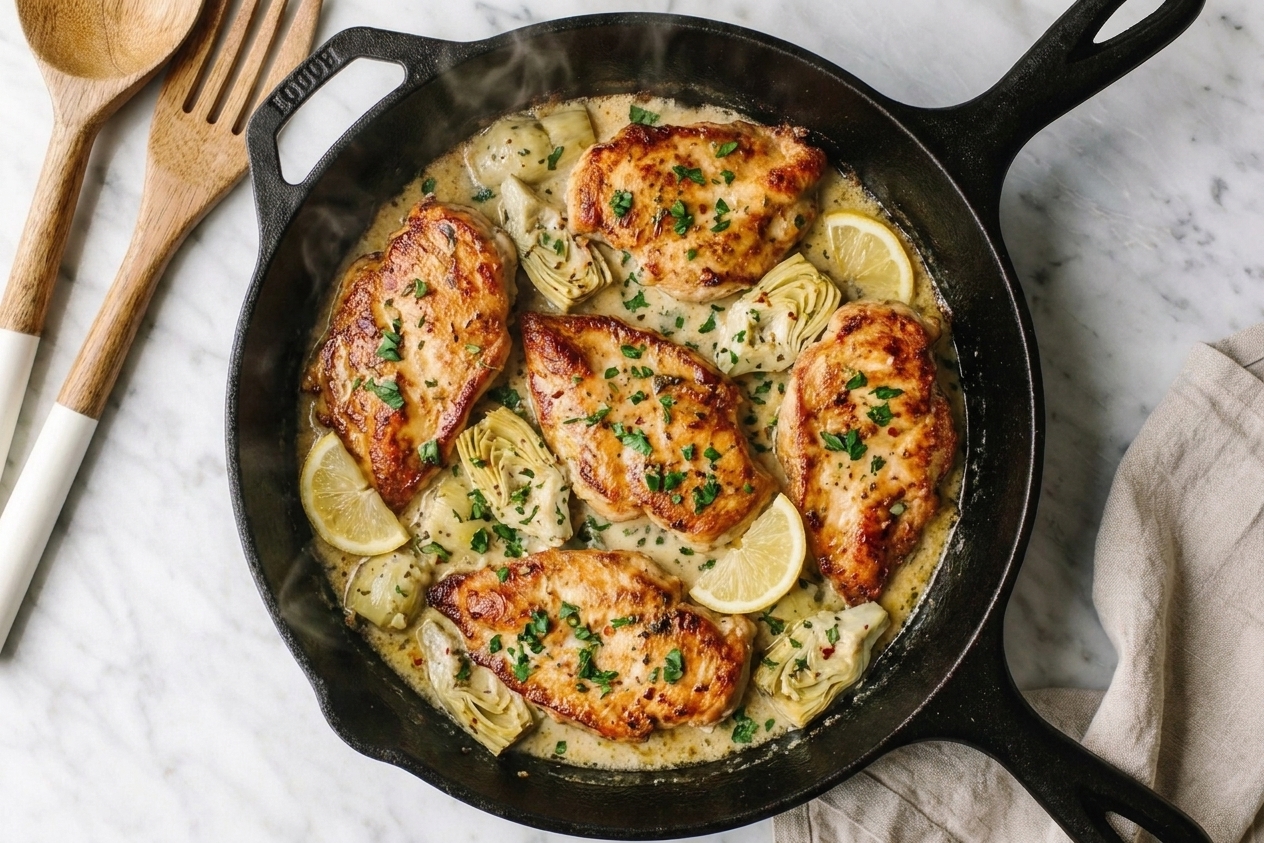
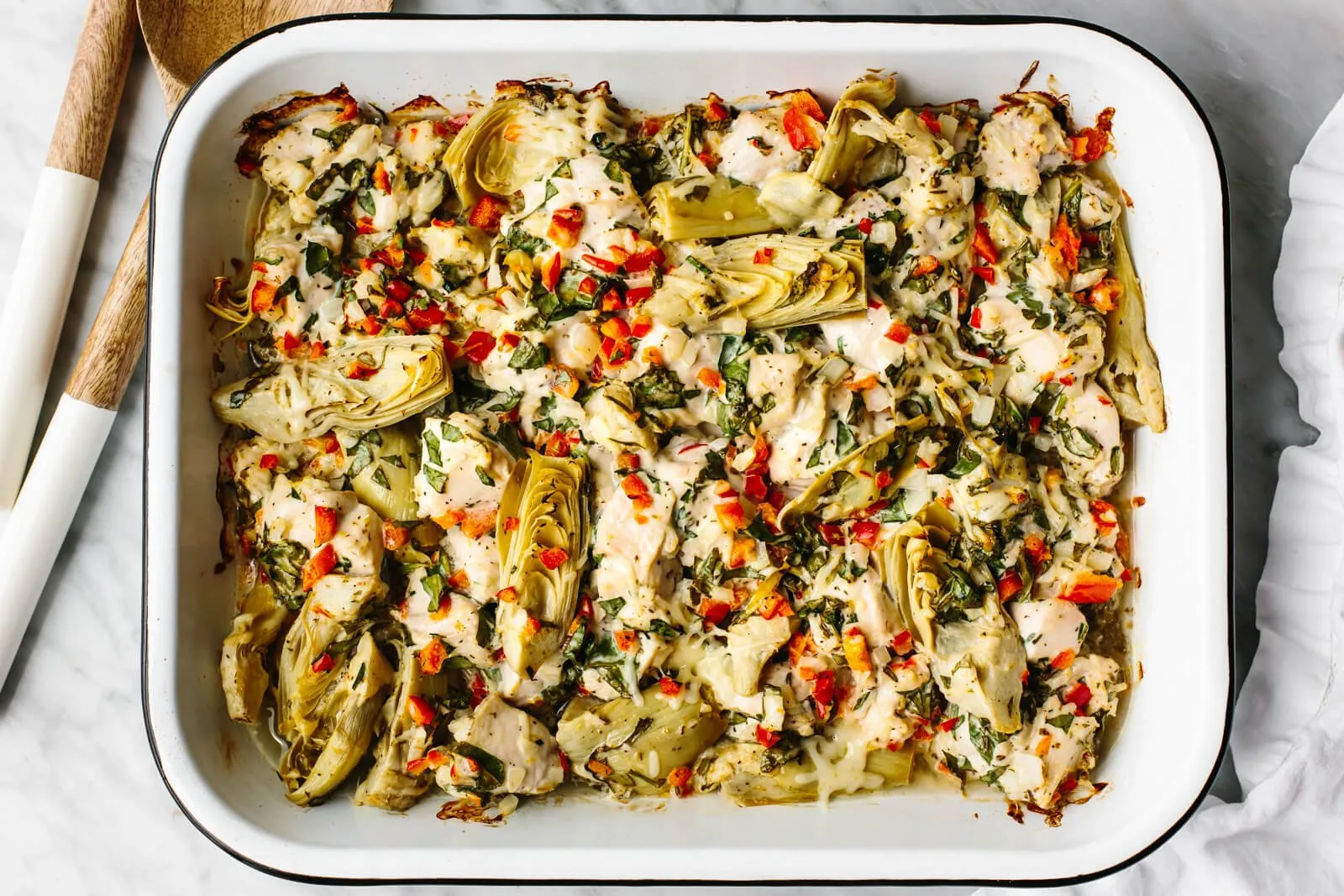
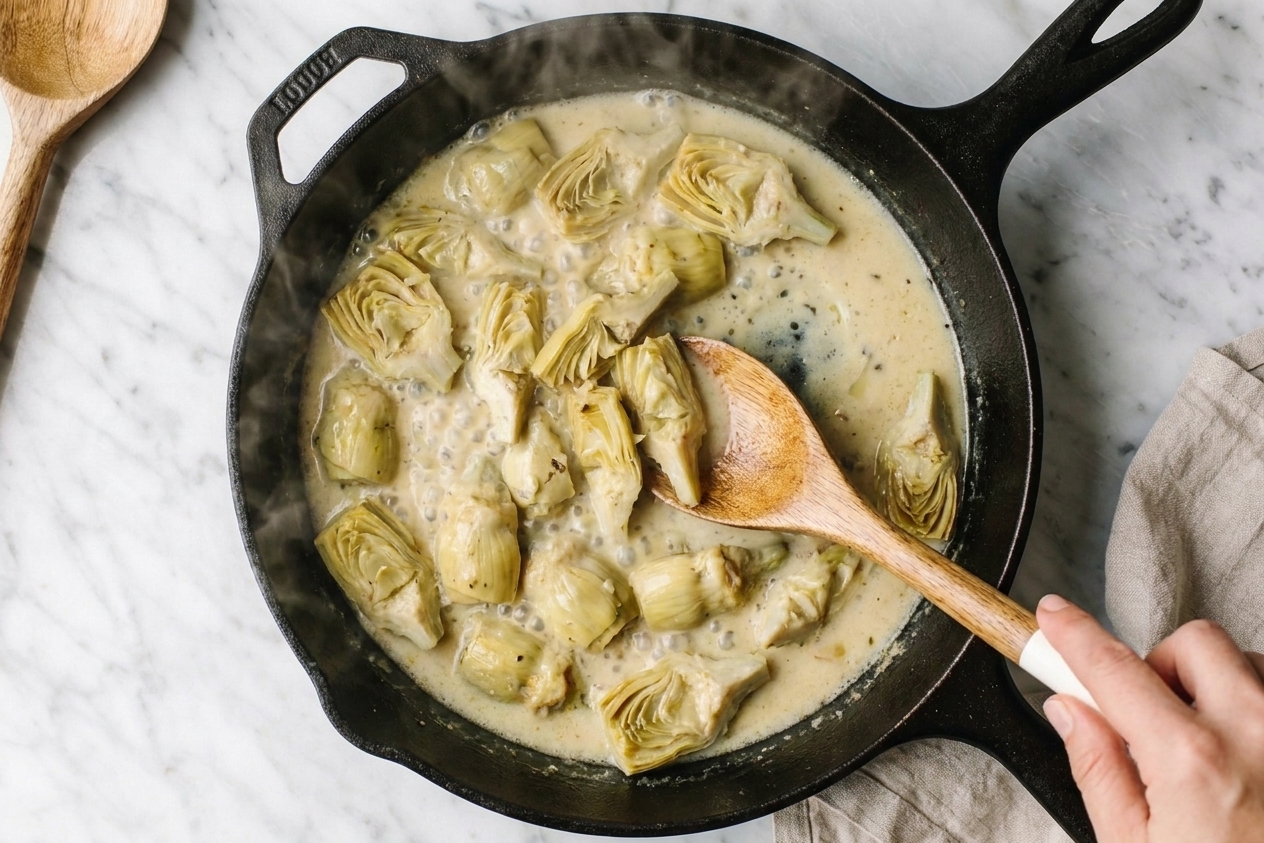
Either works. Water-packed keeps the sauce clean and lets the lemon and Parmesan lead. Marinated adds extra tang and seasoning. Whichever you use, drain them very well (and if they seem wet, give them a quick pat dry) so the sauce stays creamy, not watery. If using marinated, reduce added salt at first and taste at the end.
How do I keep the cream sauce from curdling?
Keep the heat at a gentle simmer after adding cream. Also, add lemon juice at the end or off the heat. High heat plus a lot of acid can make dairy split.
What can I substitute for heavy cream?
Half-and-half works, but the sauce will be thinner. You can thicken it by simmering a bit longer or adding an extra tablespoon or two of Parmesan. For a lighter option, use evaporated milk.
Does the sauce thicken a lot?
It thickens some after the Parmesan goes in, and it will thicken a little more as it sits (and even more once it hits your plate). If you want it thicker right away, let it gently simmer an extra minute or two after adding Parmesan.
What should I serve with chicken and artichokes?
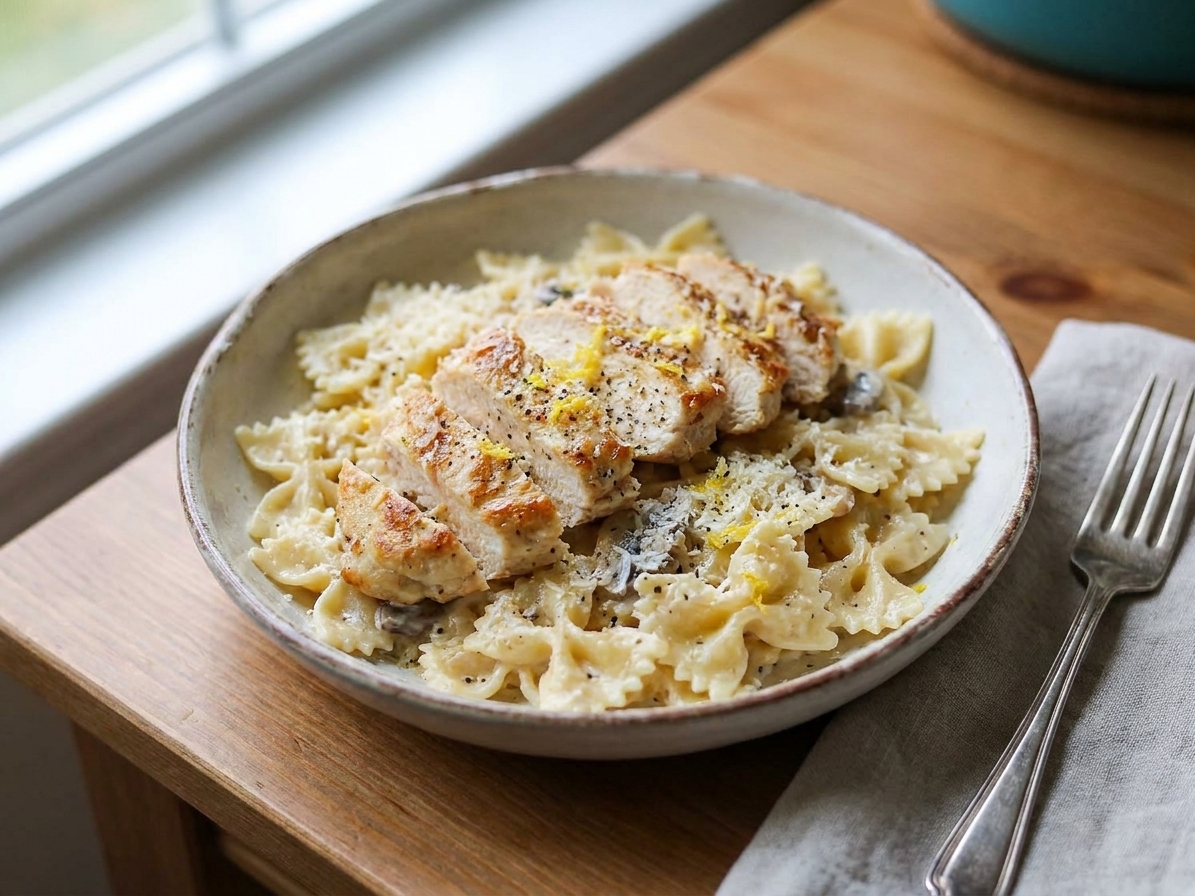
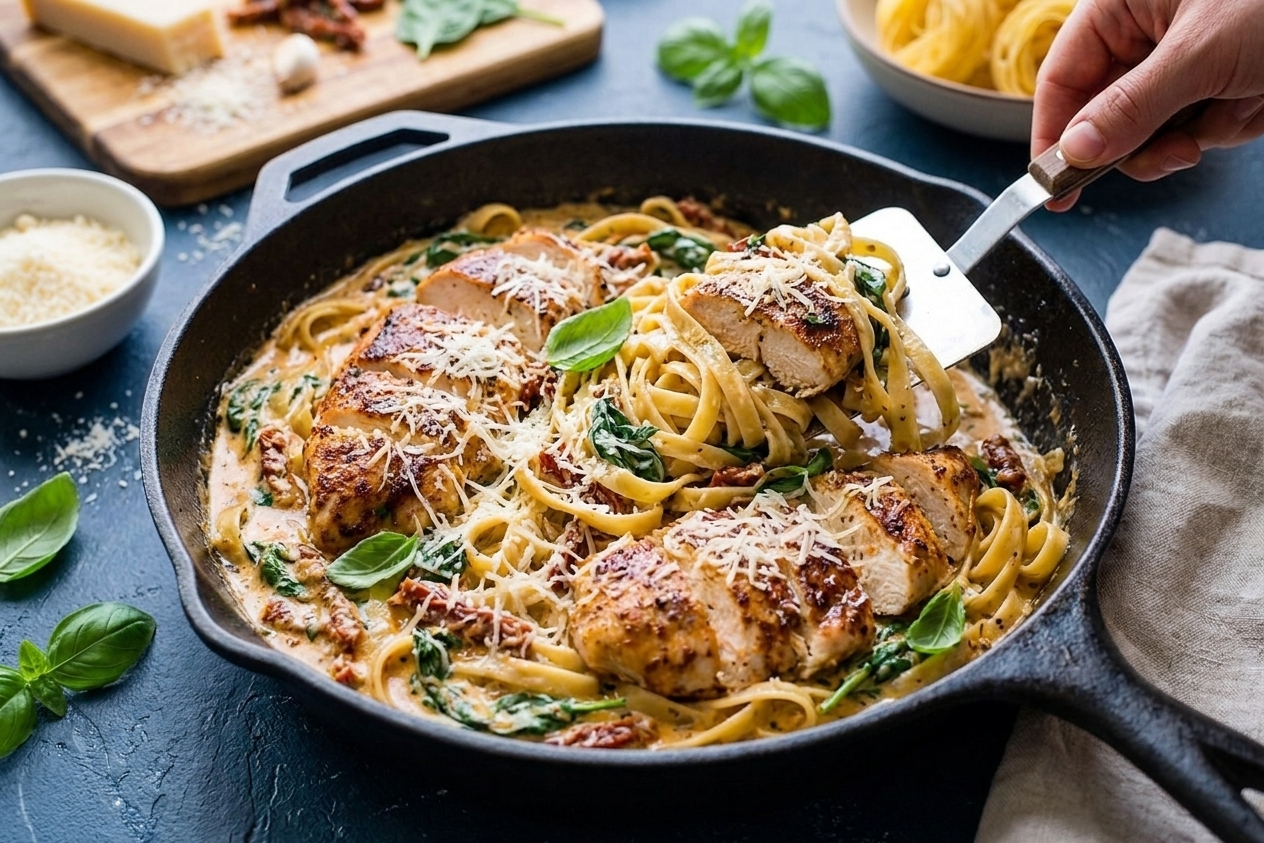
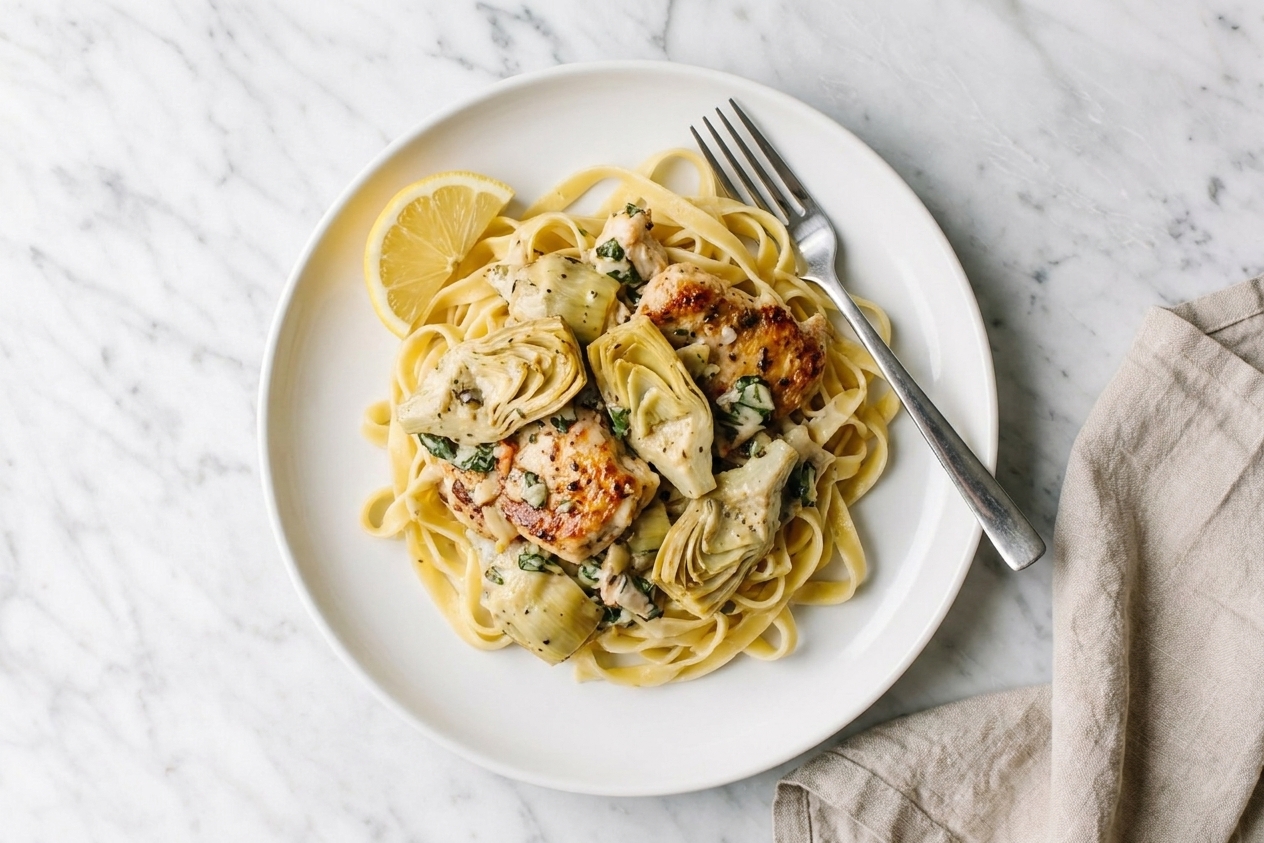
Anything that catches sauce: pasta, rice, mashed potatoes, crusty bread, or roasted potatoes. A simple green salad on the side makes the whole plate feel fresh. If you are doing pasta, this sauce is great tossed with about 8 to 10 ounces cooked pasta.