Mom's Best Recipes
Recipe

Creamy Coconut Ice Cream

Silky, coconut-forward ice cream with toasted coconut and a pinch of salt for that “whoa” bite. Includes churn and no-churn options.

Author By Matt Campbell
4.8
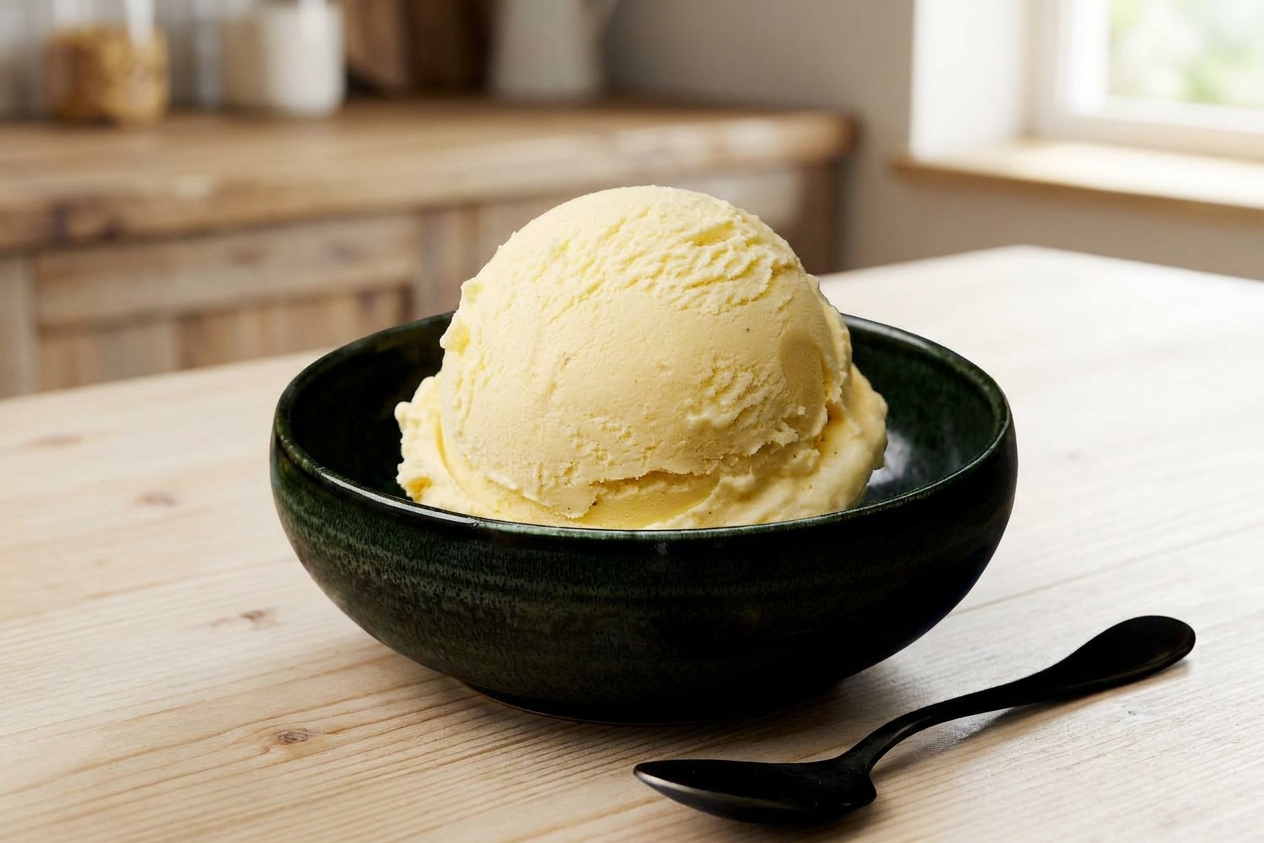
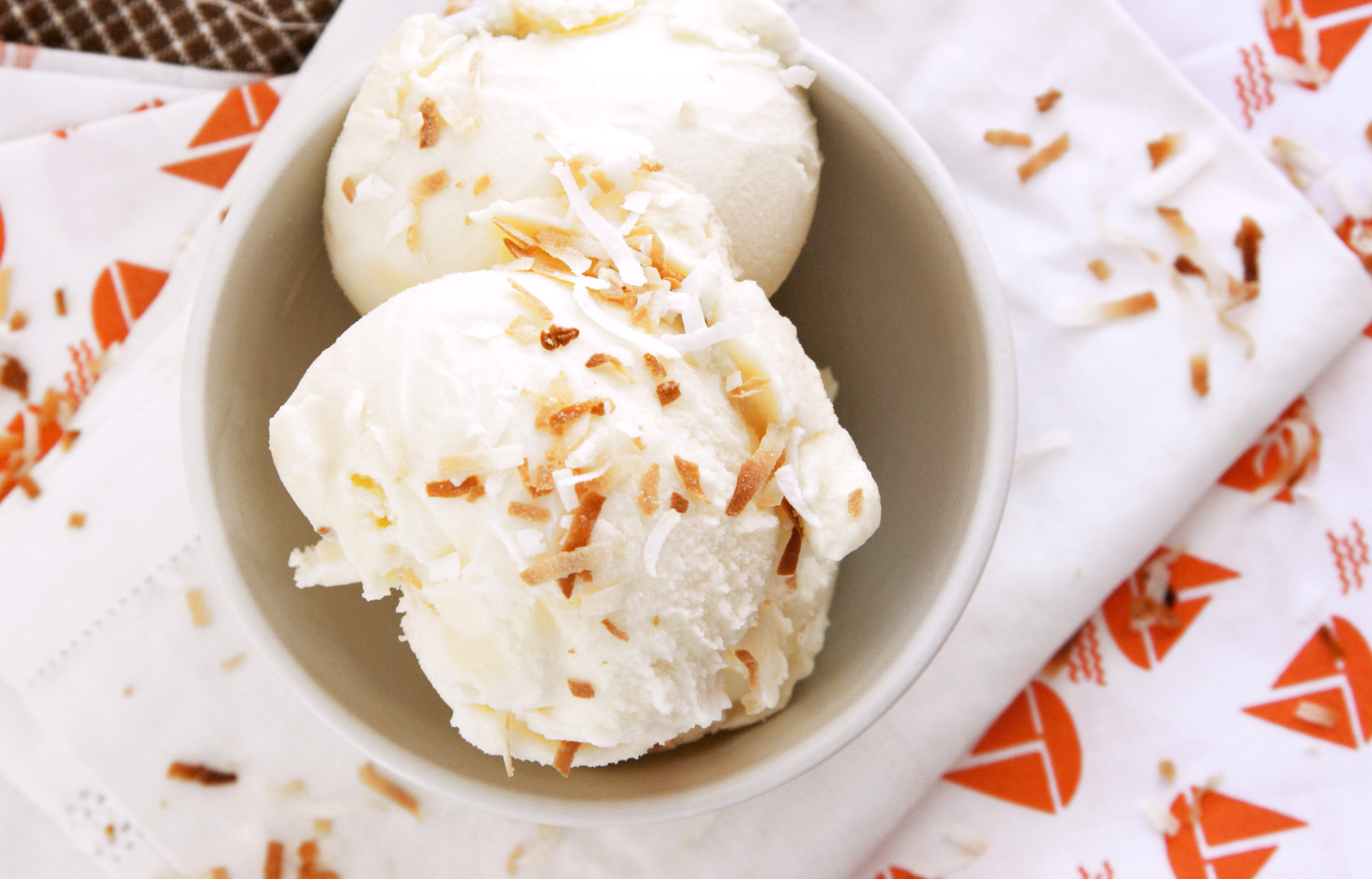
A single scoop of creamy coconut ice cream in a white bowl with toasted coconut flakes sprinkled on top, set on a bright kitchen table with soft natural light

Coconut ice cream is one of those desserts that can feel fancy without acting precious. It is cool, creamy, and quietly dramatic in the best way. The goal here is a coconut base that tastes like coconut, not like vague sweetness with a tropical afterthought.

This recipe is egg-free (no custard stress), uses easy to find ingredients, and gives you two paths: churned for the smoothest texture or a no-churn option when life is doing the most. Either way, you get that cozy richness plus a little salty pop that makes you go back for another scoop “just to check.”
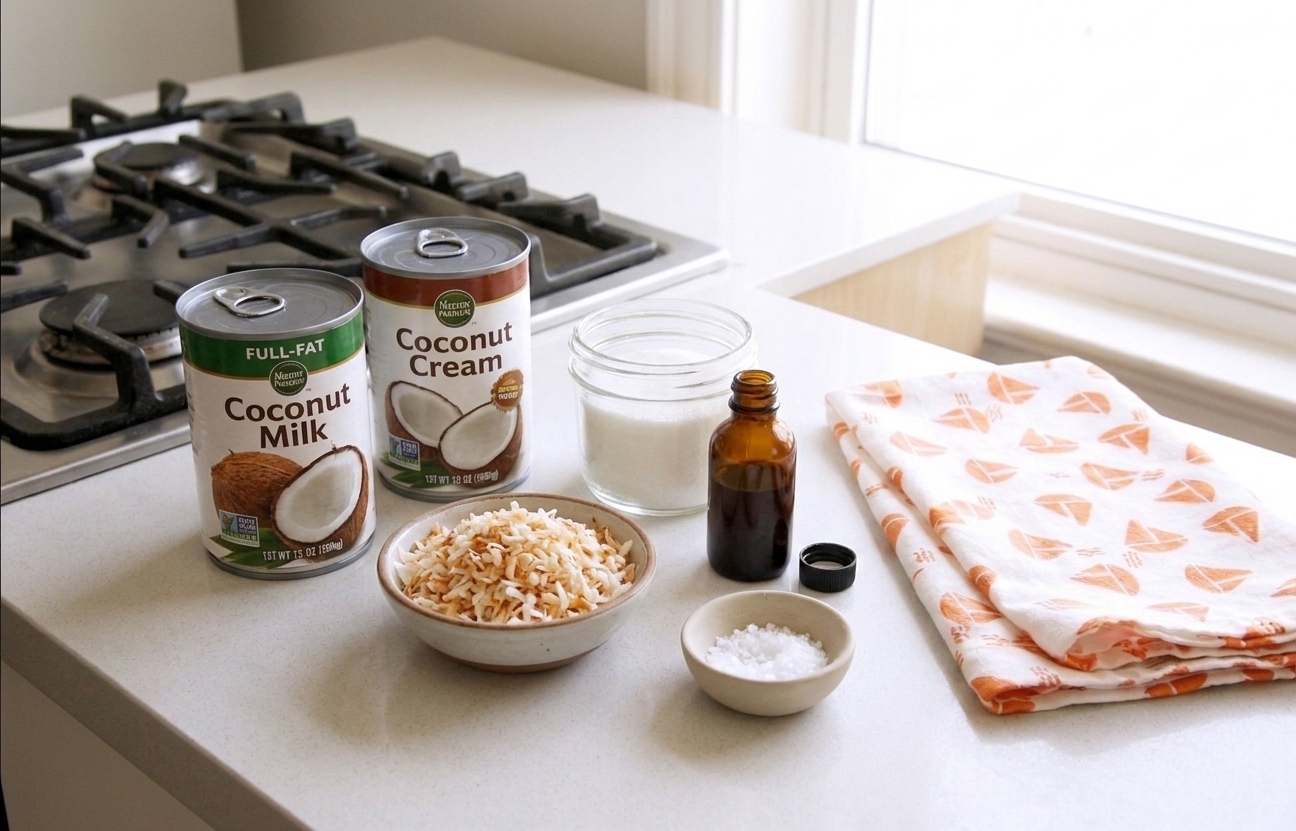
Cans of coconut milk and coconut cream, sugar, vanilla, shredded coconut, and a small bowl of salt arranged on a clean kitchen counter in natural light

Why It Works

  • Bold coconut flavor: Coconut cream plus toasted coconut gives you depth, not just sweetness.
  • No eggs, no curdling panic: A simple base thickened lightly with cornstarch so it stays creamy and scoopable.
  • Better texture at home: A touch of alcohol (optional) and the right chill time help prevent the brick-like freeze.
  • Flexible: Churn it for the smoothest finish, or go no-churn if that is what your day allows.

Pairs Well With

Storage Tips

Storage Tips

Best container: A shallow, freezer-safe container with a tight lid. Shallow means it freezes faster and more evenly.

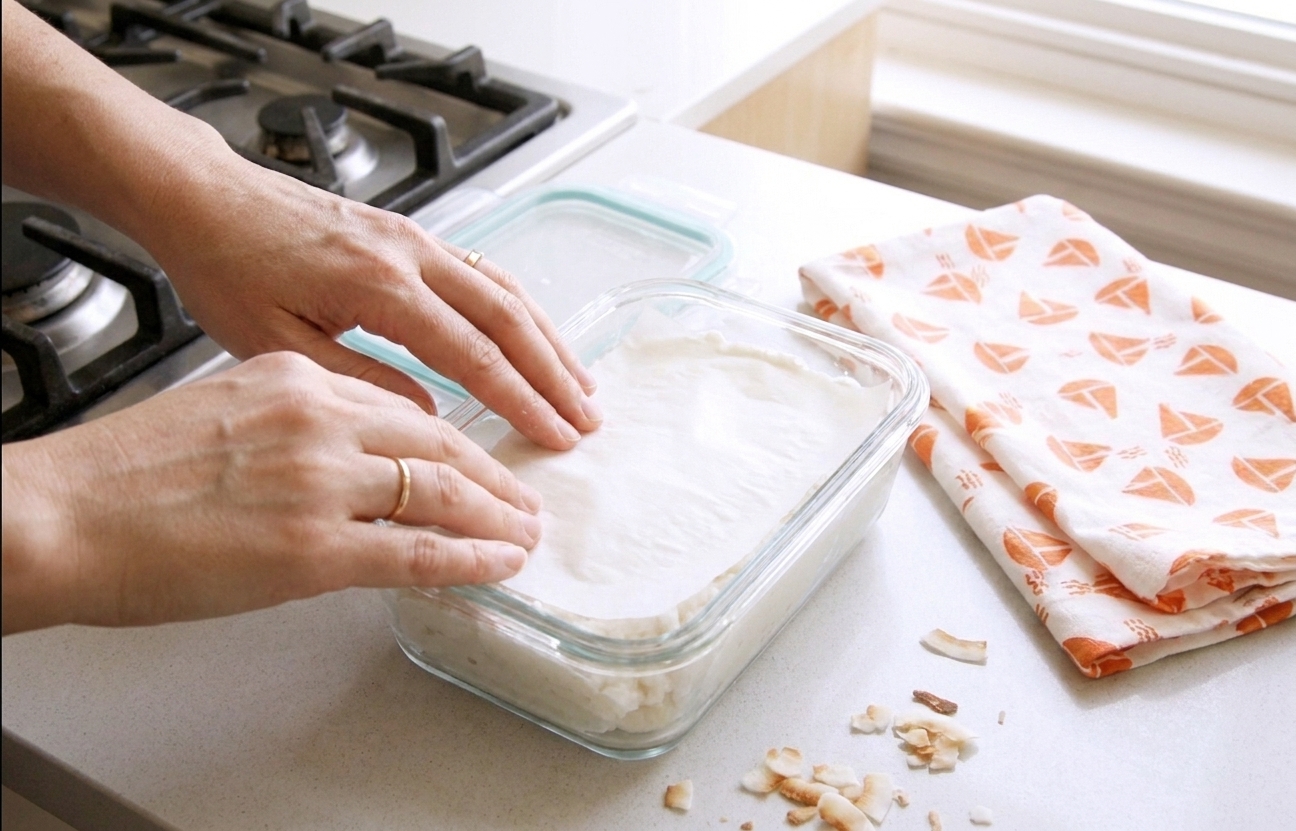
Prevent ice crystals: Press parchment paper directly against the surface before you put the lid on.

How long it lasts: Best texture in the first 1 to 2 weeks, still totally fine up to about a month.

How to scoop: Let it sit on the counter for 5 to 10 minutes. If it is very firm, run your scoop under hot water, then wipe it dry and go in with confidence.

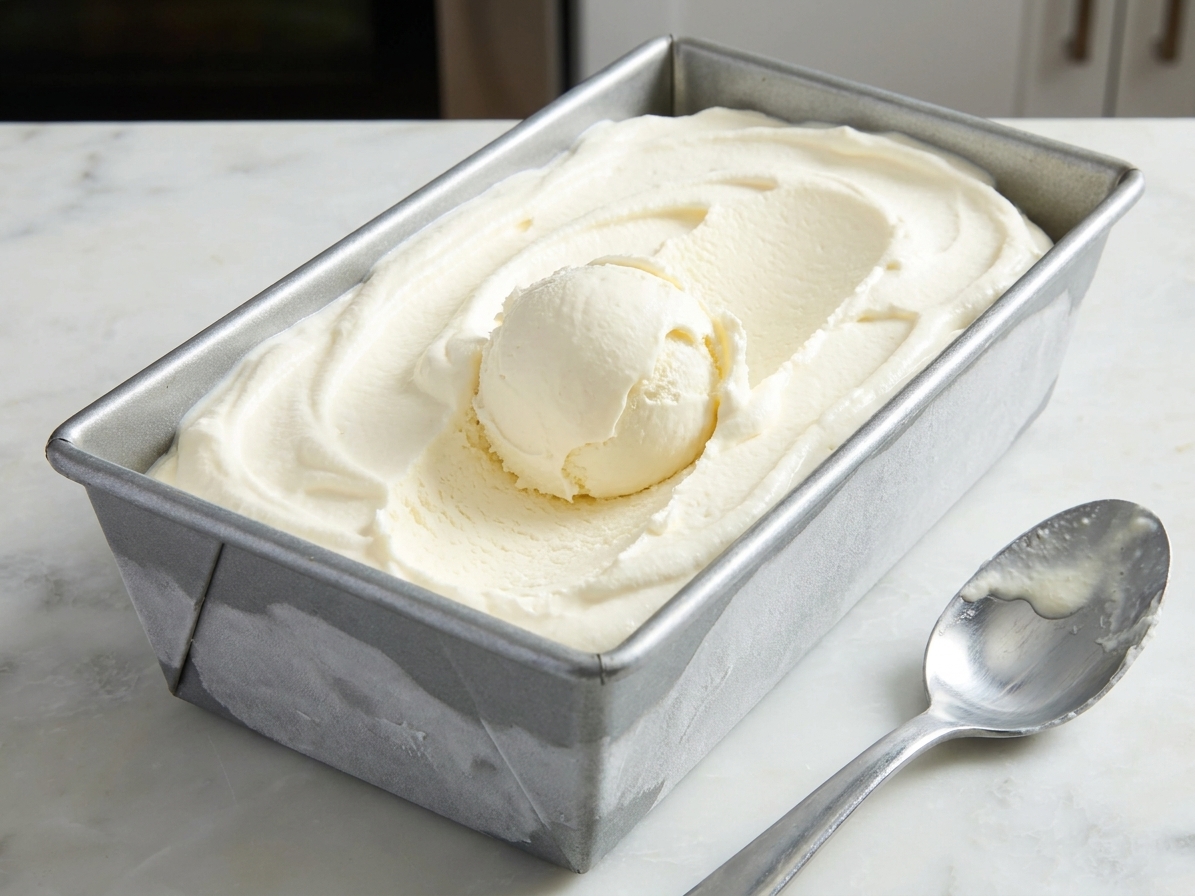
A lidded freezer-safe container of homemade coconut ice cream with parchment paper pressed against the surface, sitting on a kitchen counter before going into the freezer

Common Questions

Common Questions

Do I have to use coconut cream?

I recommend it for the richest texture and the most coconut flavor. If you only have full-fat coconut milk, you can use it, but the ice cream will freeze firmer and taste a little lighter.

Why did my coconut ice cream turn icy?

Usually it is one of these: the base was not chilled fully before freezing, the fat content was too low (light coconut milk), or it sat in the freezer uncovered and picked up frost. The parchment-on-top trick helps a lot.

Can I make it without an ice cream maker?

Yes. Use the no-churn option in the instructions. It is not quite as airy as churned, but it is creamy and very legit.

Is this dairy-free?

The churned base is naturally dairy-free. The no-churn version is only dairy-free if you use both a dairy-free sweetened condensed milk and a plant-based heavy whipping cream alternative (one that actually whips). Coconut cream adds richness, but it will not whip on its own unless it is a specific whipping product.

Can I add mix-ins?

Absolutely. Keep it simple: toasted coconut, chopped dark chocolate, crushed cookies, or a ripple of pineapple curd. Add mix-ins at the end of churning, or fold them in right before freezing for the no-churn version.

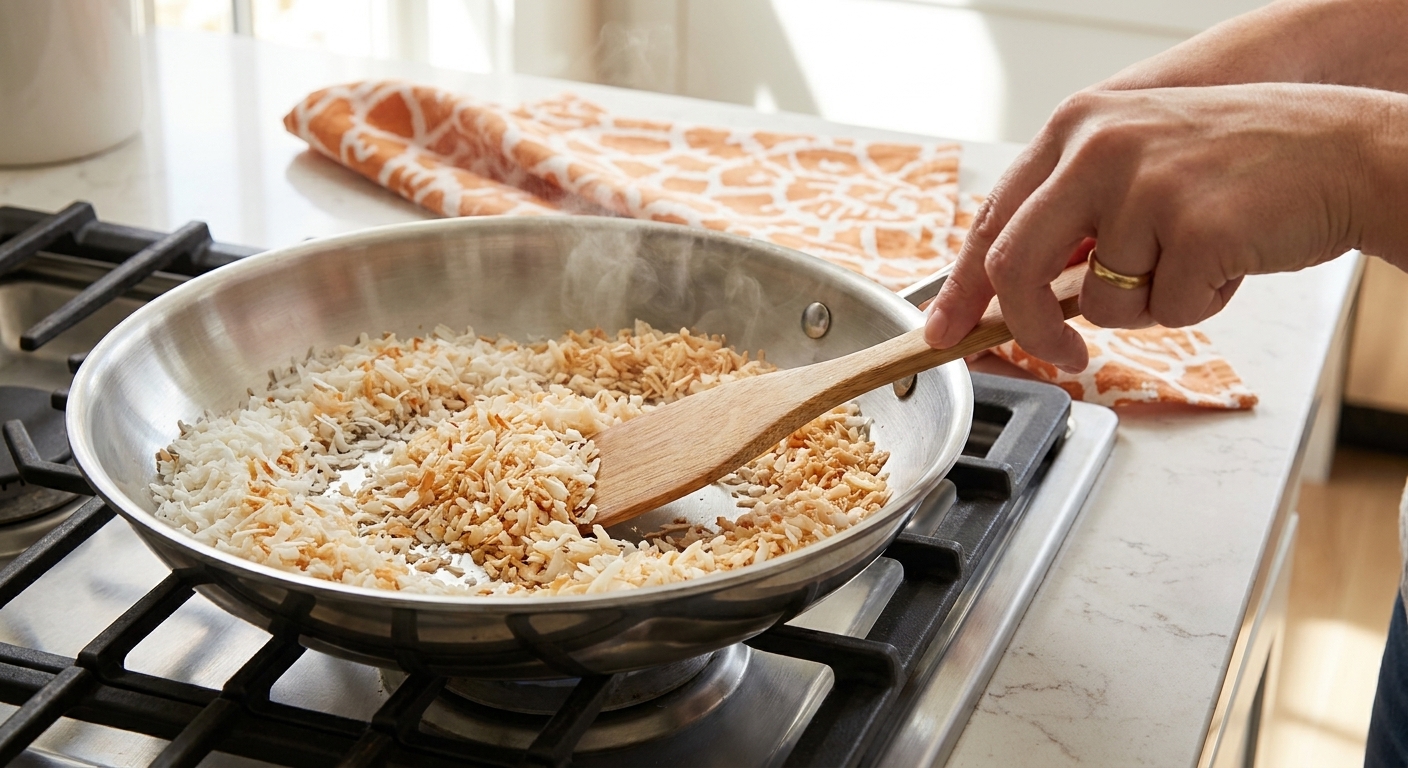
I started making coconut ice cream when I realized most store-bought versions were either too sweet or weirdly muted, like coconut was just a suggestion. This one hits the spot for me because it tastes like toasted coconut first, then vanilla, then a little salty finish that keeps it from feeling flat. Also, it is the kind of recipe that forgives you for being human. If you overtoast the coconut by 30 seconds, congratulations, you just invented “extra flavor.”