Mom's Best Recipes
Recipe

Creamy Dill Sauce for Salmon

A bright, tangy, creamy dill sauce that turns any salmon into a weeknight flex. Ready in 10 minutes and built from fridge staples.

Author By Matt Campbell
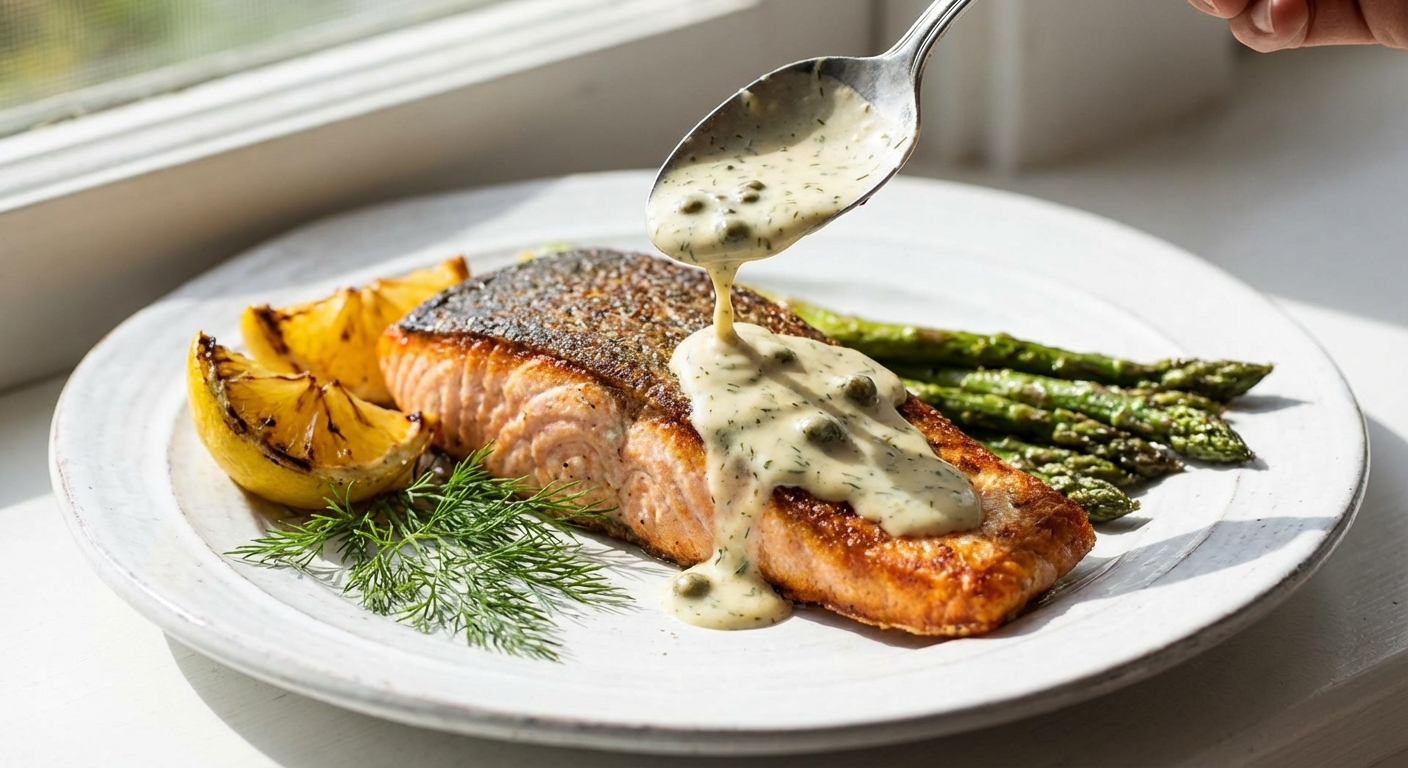
A spoon drizzling creamy dill sauce over a pan-seared salmon fillet on a white plate with lemon wedges

If salmon is the main character, this creamy dill sauce is the entrance music. It is cool and tangy from yogurt and lemon, rich enough to feel special, and loaded with dill so every bite tastes like you remembered to be a person who has it together.

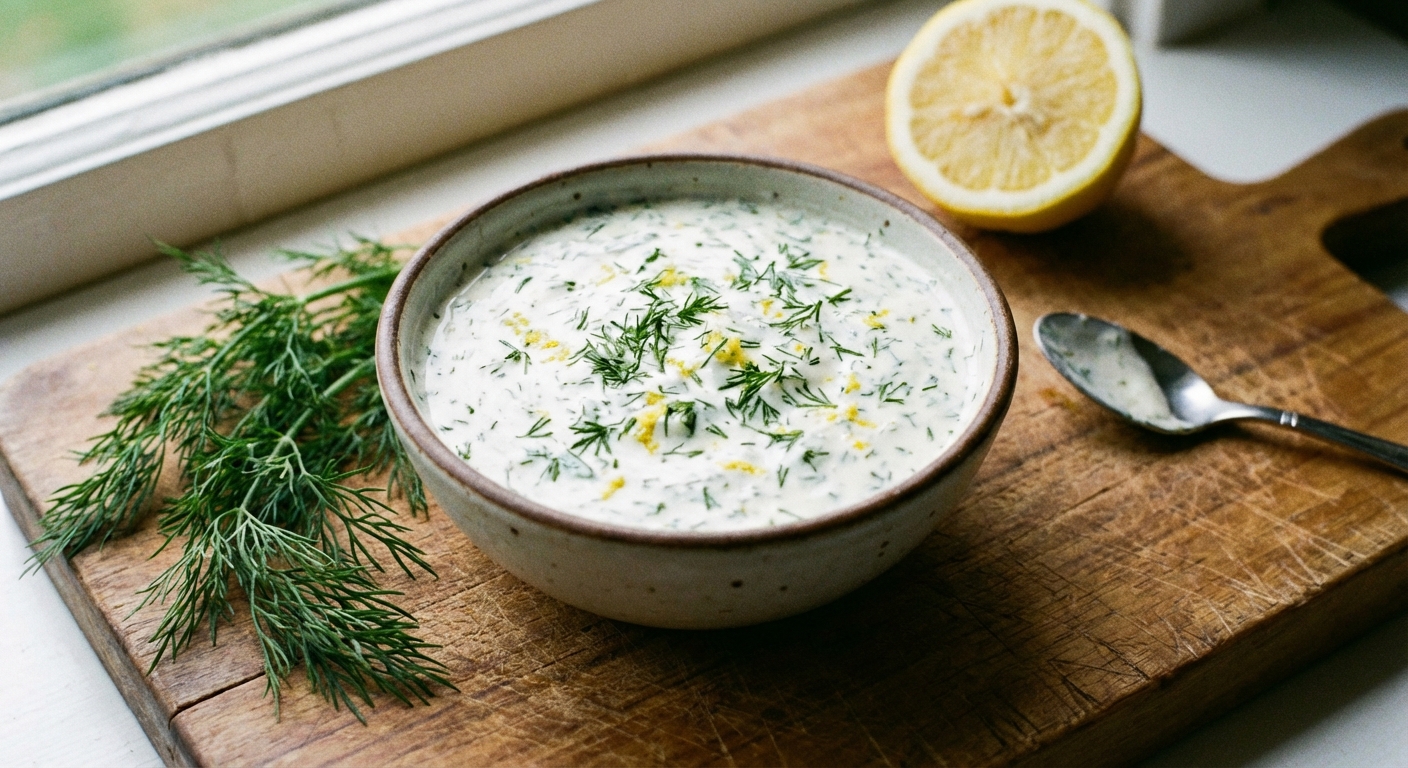
The best part: it is not fussy. No reducing, no whisking over heat, no weird ingredients that live in the back of the pantry. You stir, you taste, you adjust, and suddenly your weeknight salmon has brunch energy. A small bowl of creamy dill sauce with visible chopped dill and lemon zest on a wooden cutting board

Why It Works

  • Fast, no-cook sauce: Mix it in one bowl while the salmon cooks.
  • Balanced flavor: Creamy base plus lemon and Dijon for lift, with dill doing its herby magic.
  • Flexible texture: Keep it thick for spooning, or thin it with a splash of water to drizzle.
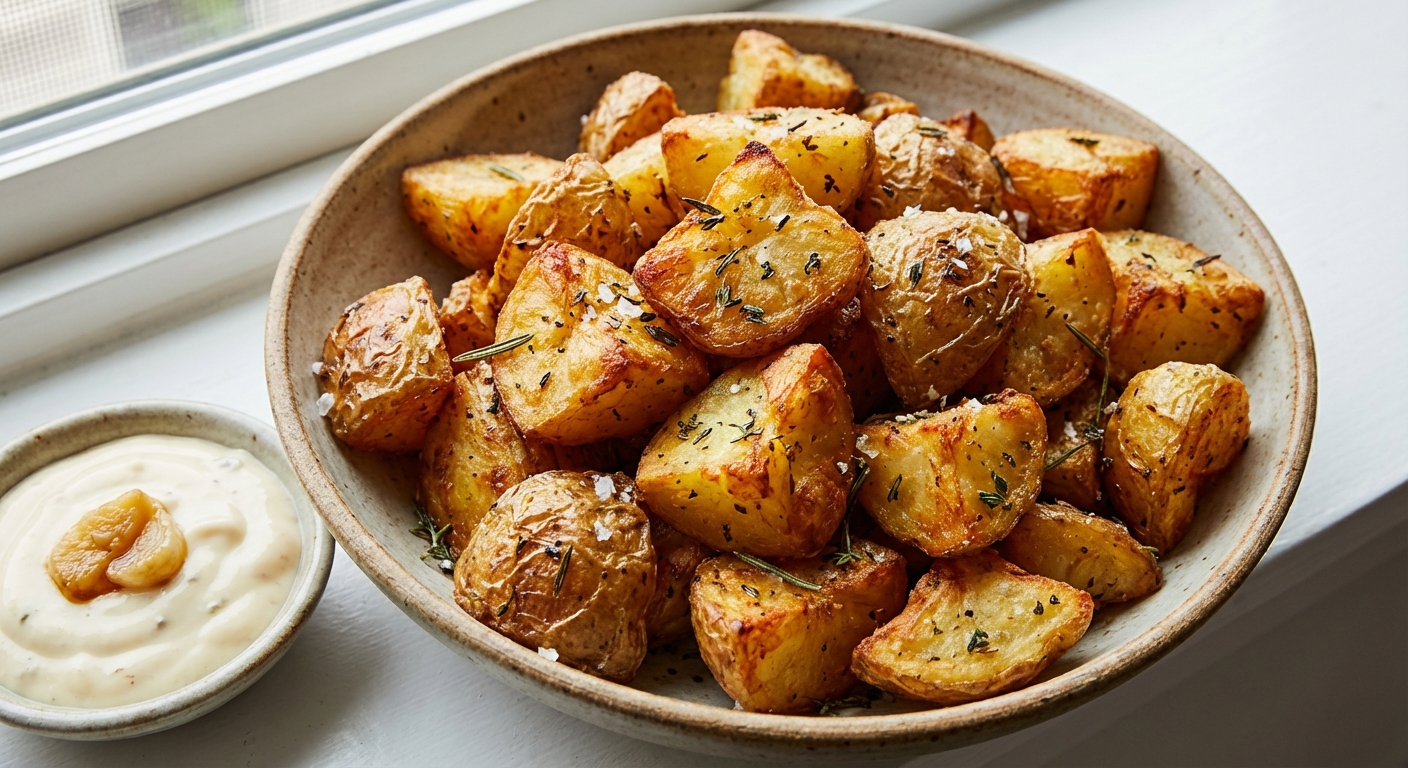
  • Works beyond salmon: Try it on roasted potatoes, grilled chicken, shrimp, or as a sandwich spread.

Storage Tips

Store leftover sauce in an airtight container in the refrigerator for up to 3 to 4 days. Keep it refrigerated and stir before using since yogurt and mayo can separate a bit after chilling. If it smells off or looks unusually separated, discard it.

  • Make-ahead tip: Mix the sauce up to 24 hours ahead so the dill flavor blooms.
  • Do not freeze: Yogurt and mayo sauces tend to break and get grainy after thawing.
  • Leftover glow-up: Thin with a teaspoon or two of water and use as a quick salad dressing for cucumbers, greens, or shaved fennel.

Common Questions

Can I use dried dill instead of fresh?

Yes. Fresh dill is brighter, but dried works in a pinch. Start with 2 to 3 teaspoons dried dill, then taste. If you want more, go up to 1 tablespoon. Let the sauce sit for 10 minutes so the dried dill can rehydrate, then adjust again.

Is this sauce more like yogurt sauce or mayo sauce?

Both, in the best way. Greek yogurt brings tang and body, mayo adds richness so it does not taste like “healthy food pretending.” You can tweak the ratio either direction.

How do I make it dairy-free?

Use a plain unsweetened dairy-free yogurt (coconut or almond based) and a vegan mayo. Add a little extra lemon and salt since dairy-free yogurt can run sweeter.

What kind of salmon is best with this?

Anything: pan-seared fillets, baked salmon, air fryer salmon, even leftover cold salmon. It is especially good with crispy edges, because creamy plus crunchy is the whole point.

My sauce tastes flat. What should I add?

Try a pinch more salt first. Then add one of these: extra lemon juice, more Dijon, a tiny grate of garlic, or a few twists of black pepper. Taste, adjust, repeat.

Any quick swaps if I am out of dill?

If you do not have dill, try a mix of chopped parsley and chives. It will be different, but still very good with salmon.

Allergens?

Contains dairy (yogurt) and typically eggs (mayonnaise). Choose dairy-free yogurt and vegan mayo if needed.

I started making this sauce after one too many “plain salmon, steamed broccoli, vibes” dinners. You know the ones. Technically fine. Emotionally rude. The first time I stirred dill and lemon into a creamy base, I took a bite and immediately started looking around like someone was going to hand me an award for Basic Weeknight Improvement. Now it is my default move when I want dinner to taste like I tried, even if I mostly just showed up and stirred with enthusiasm.