Mom's Best Recipes
Recipe

Creamy Fettuccine Alfredo

A rich, glossy, restaurant-style Alfredo with real Parmesan, butter, and cream that clings to every strand of pasta.

Author By Matt Campbell
4.8
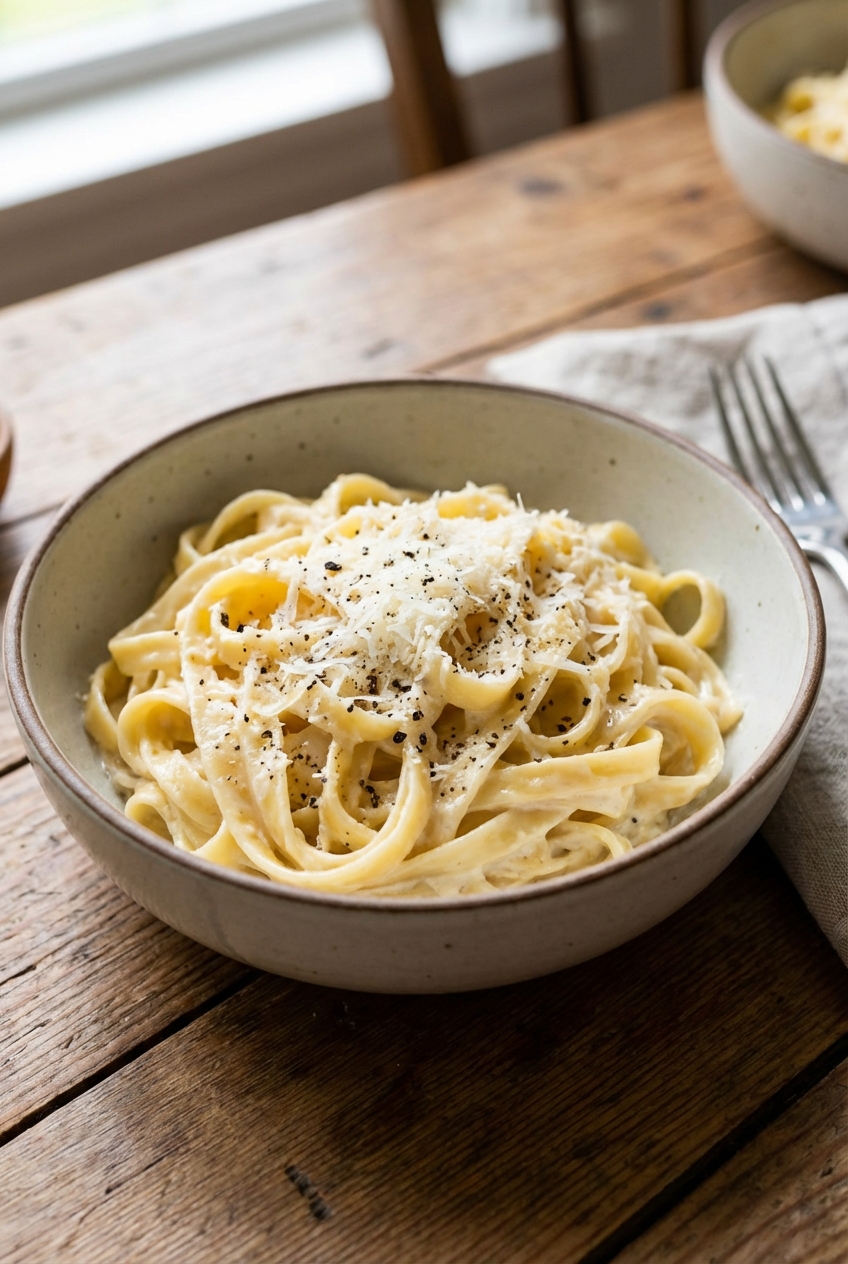
A bowl of creamy fettuccine Alfredo topped with freshly grated Parmesan and cracked black pepper on a wooden table

Fettuccine Alfredo is one of those comfort classics that can go from dreamy to clumpy in about 30 seconds. When it’s right, it’s silky, cheesy, and just salty enough to make you keep twirling for one more bite. When it’s wrong, it’s a thick paste that sits on top of the noodles like a sweater.

This version is my weeknight-friendly, low-drama Alfredo. It uses simple ingredients, a couple of tiny timing tricks, and one not-so-secret weapon: starchy pasta water. You will get a sauce that looks glossy in the pan, clings like it means it, and tastes like you definitely “did something” even if you were in sweatpants the whole time.

Fettuccine being tossed in a skillet with creamy Alfredo sauce as steam rises

Why It Works

  • Glossy, clingy sauce: Butter, cream, Parmesan, and pasta water emulsify into a smooth coating instead of a heavy puddle.
  • No gritty cheese: Using finely grated Parmesan and keeping the heat gentle prevents clumps and graininess.
  • Big flavor, few ingredients: Salted pasta water, real cheese, and a hit of black pepper make it taste restaurant-level without extra fuss.
  • Flexible finish: Keep it classic or add chicken, shrimp, peas, or sautéed mushrooms without breaking the sauce.

Pairs Well With

Storage Tips

Alfredo is best right away, but leftovers can still be very good if you reheat gently and bring back the silk.

Refrigerate

  • Store in an airtight container for up to 3 days.
  • If possible, stash a splash of cream or milk separately so you can loosen the sauce later.

Reheat (best method)

  • Warm in a skillet over low heat with a splash of milk, cream, or water. Toss constantly.
  • If it looks greasy or separated, add a spoonful of water and keep tossing. The starch and agitation help it come back together.
  • If it just looks too thick (no separation, just tight), add a splash of warm liquid and toss until glossy again.

Can you freeze it?

  • I do not recommend freezing Alfredo. Cream sauces tend to separate and turn grainy after thawing.

Common Questions

Why did my Alfredo turn grainy?

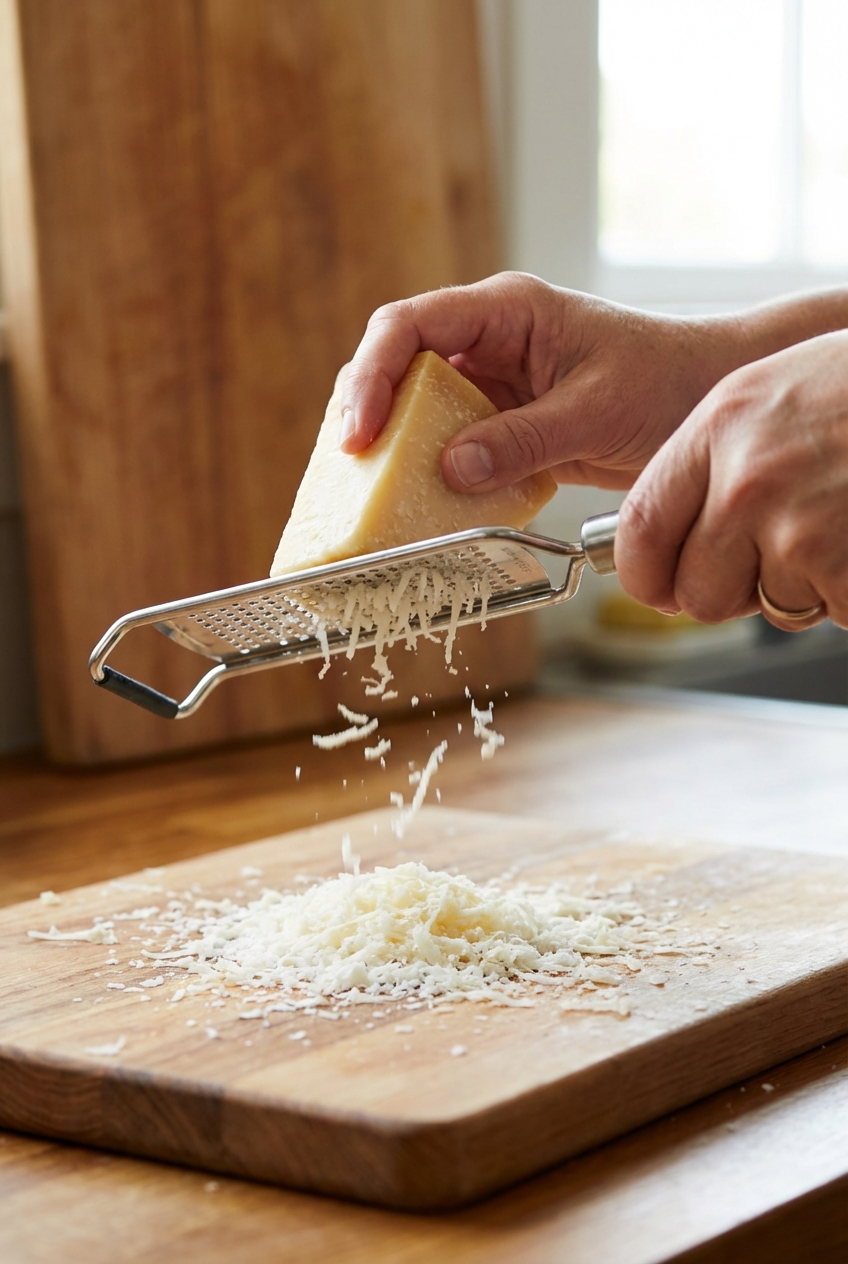
The usual culprit is heat that is too high or cheese that is not finely grated. Keep the sauce at a gentle simmer, never a boil, then turn the heat down (or pull the pan off the burner briefly) before adding Parmesan. Use finely grated Parmesan (a Microplane is ideal) and add it gradually.

Can I use pre-shredded Parmesan?

In a pinch, yes, but it is more likely to clump because of anti-caking agents. For the creamiest result, buy a wedge and grate it yourself.

Do I have to use heavy cream?

Heavy cream is the most forgiving and gives the smoothest texture. Half-and-half can work, but it is more likely to split if boiled, and even heavy cream can separate if you overheat it. Keep the heat low and use pasta water to help the sauce stay silky.

How do I make it thicker or thinner?

For thicker sauce, let the cream bubble gently for 1 to 2 minutes (do not boil) before adding the cheese and pasta. For thinner sauce, add hot pasta water 1 tablespoon at a time while tossing until it looks glossy and loose.

Is Alfredo supposed to have garlic?

The original Roman-style Alfredo is butter + Parmigiano-Reggiano (no cream), emulsified with pasta water. American-style Alfredo often adds cream and sometimes garlic. I use a small amount because it boosts flavor without turning it into a garlic sauce.

My sauce tightened up after sitting. What now?

Alfredo thickens fast as it cools. Loosen it with a splash of hot pasta water (or a little warm milk or cream) and toss until glossy again. Serving in warm bowls helps, too.

The first time I tried to make Alfredo at home, I treated it like a normal cream sauce. I cranked the heat, dumped in the cheese, and watched it go from promising to chunky in the time it takes to say “emulsification.” It still tasted good because butter and Parmesan will always have my back, but the texture was… questionable.

Now I do it the way I wish someone had told me from the start: keep the heat gentle, grate the cheese fine, and use pasta water like it’s part of the ingredient list, not an afterthought. It feels a little like kitchen magic, but it’s really just timing and a good toss. Also, tasting as you go is encouraged, even if you “accidentally” taste three times.