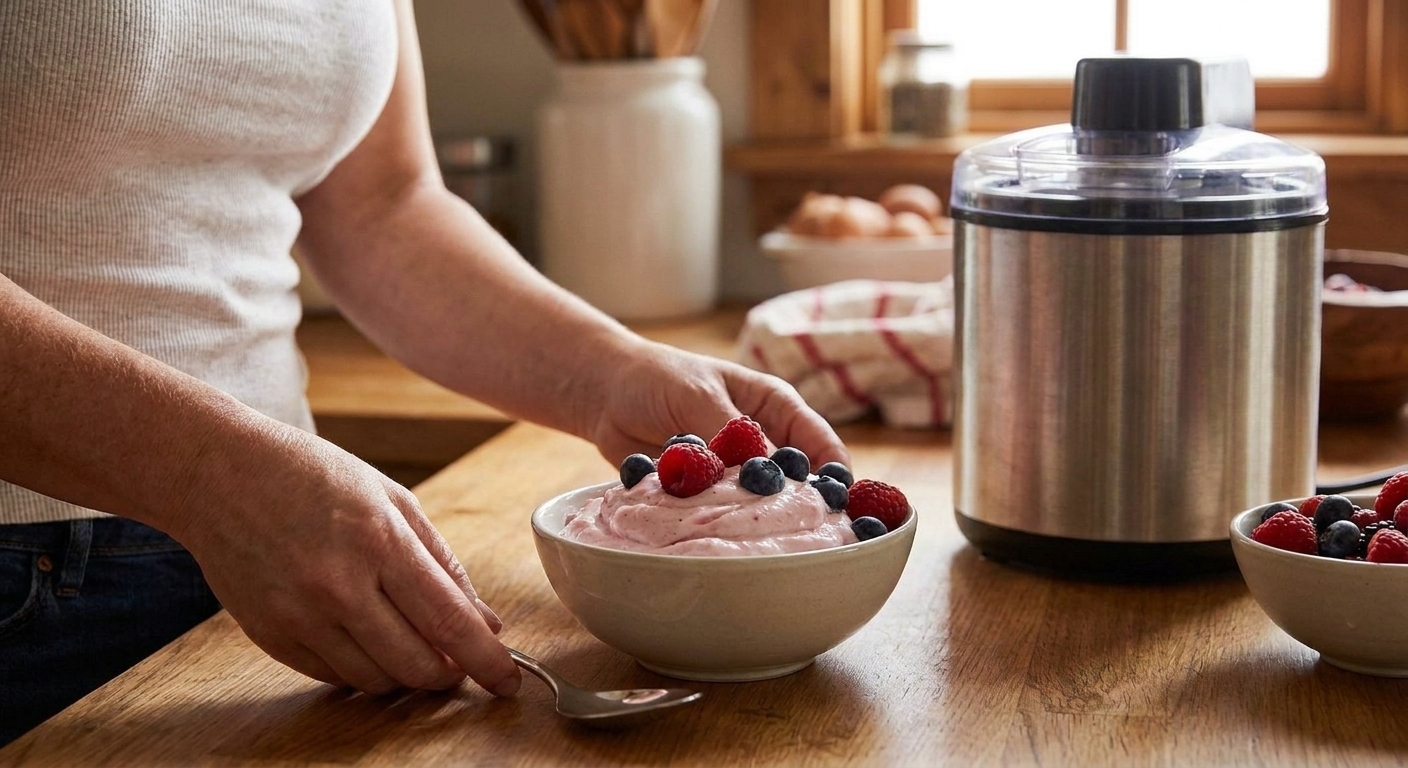
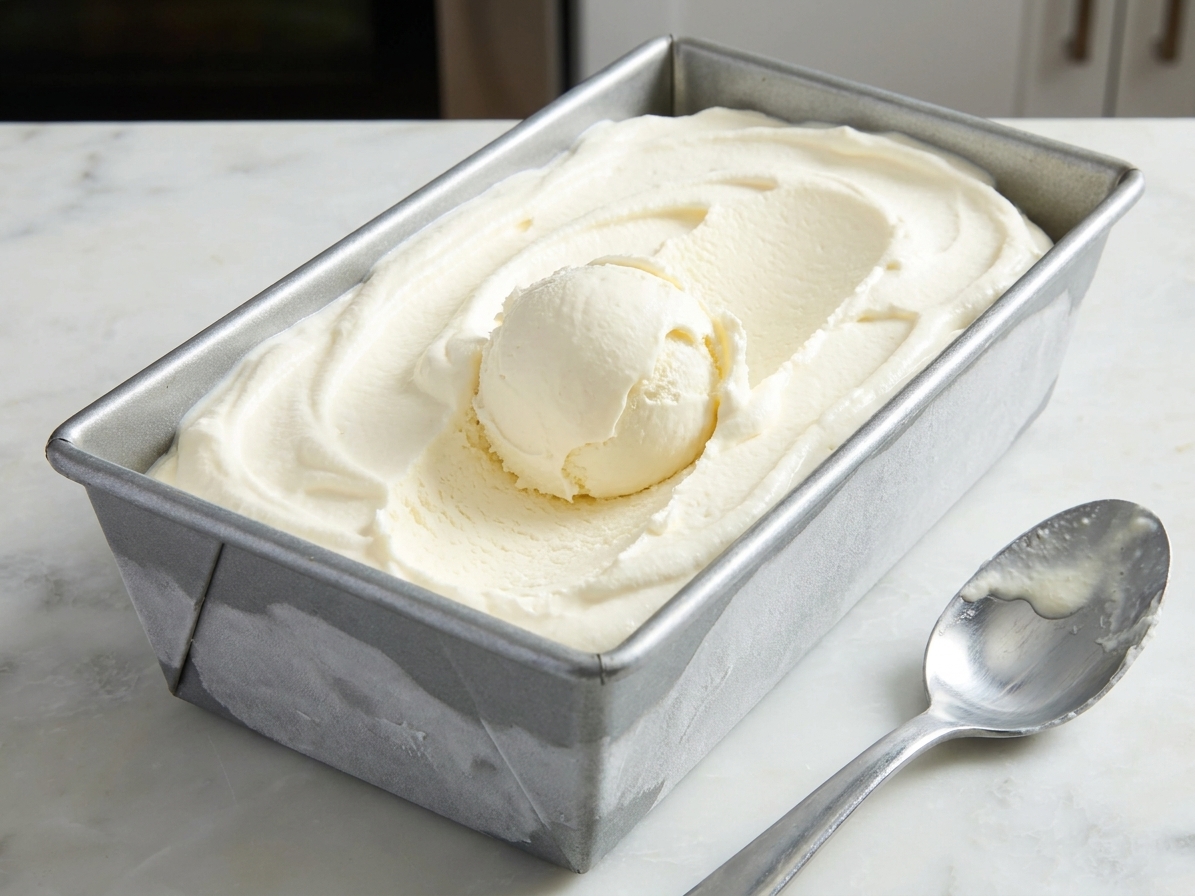
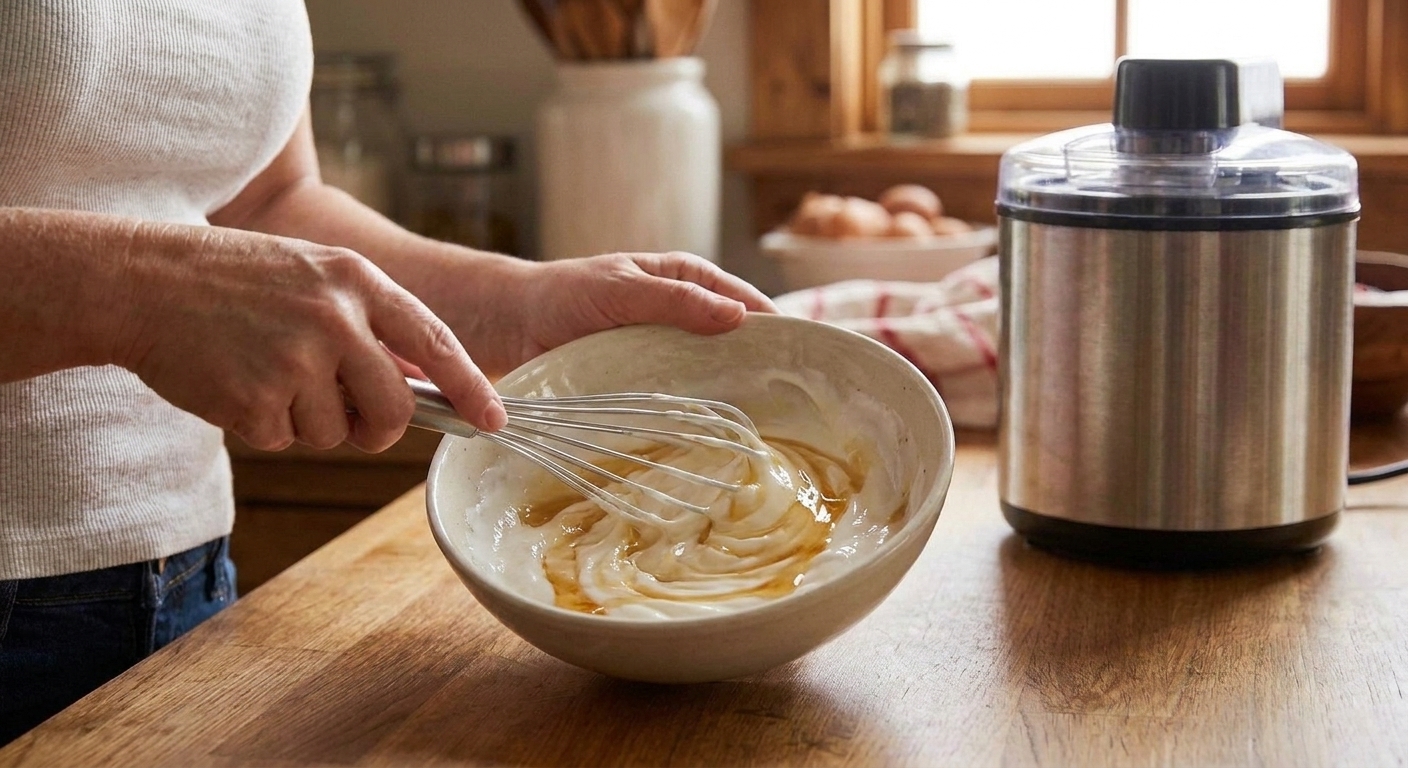
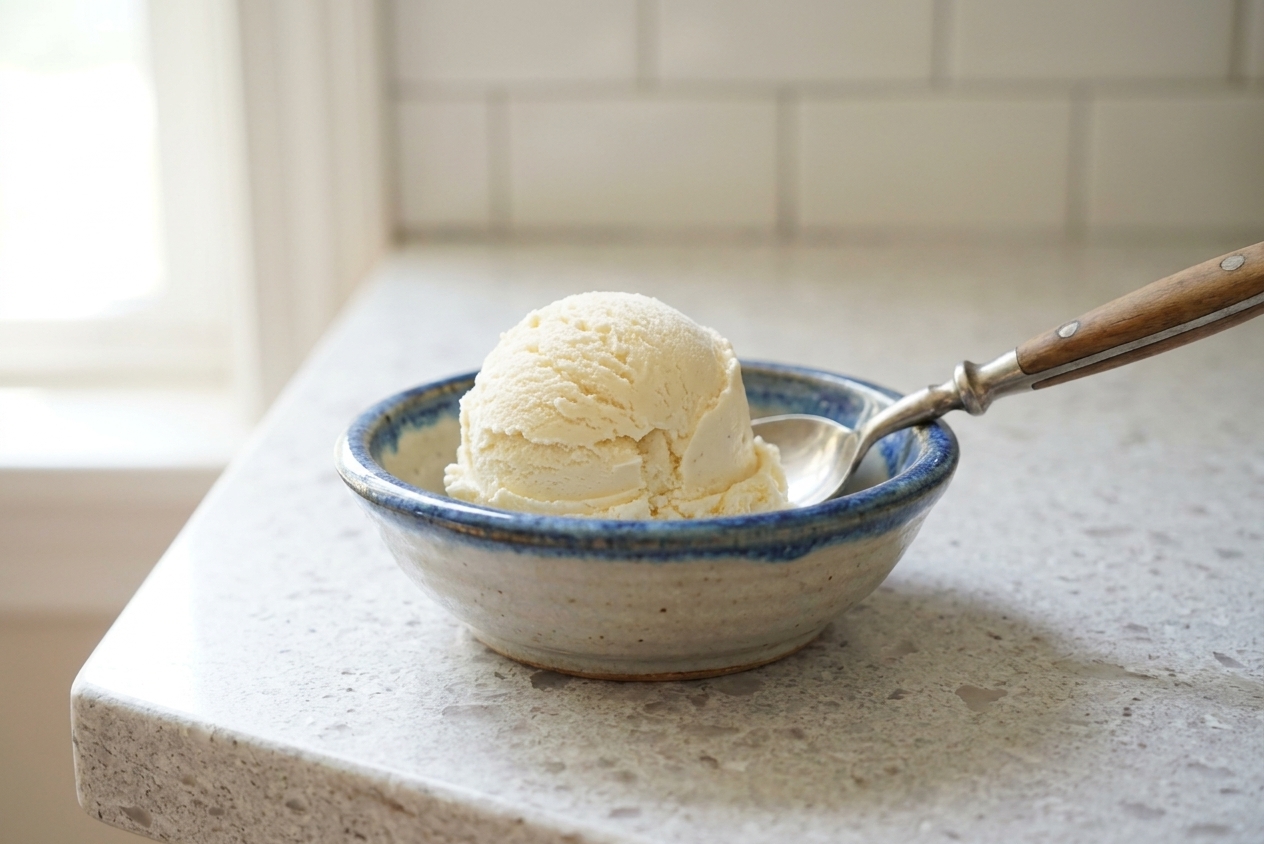
Do I need an ice cream maker?
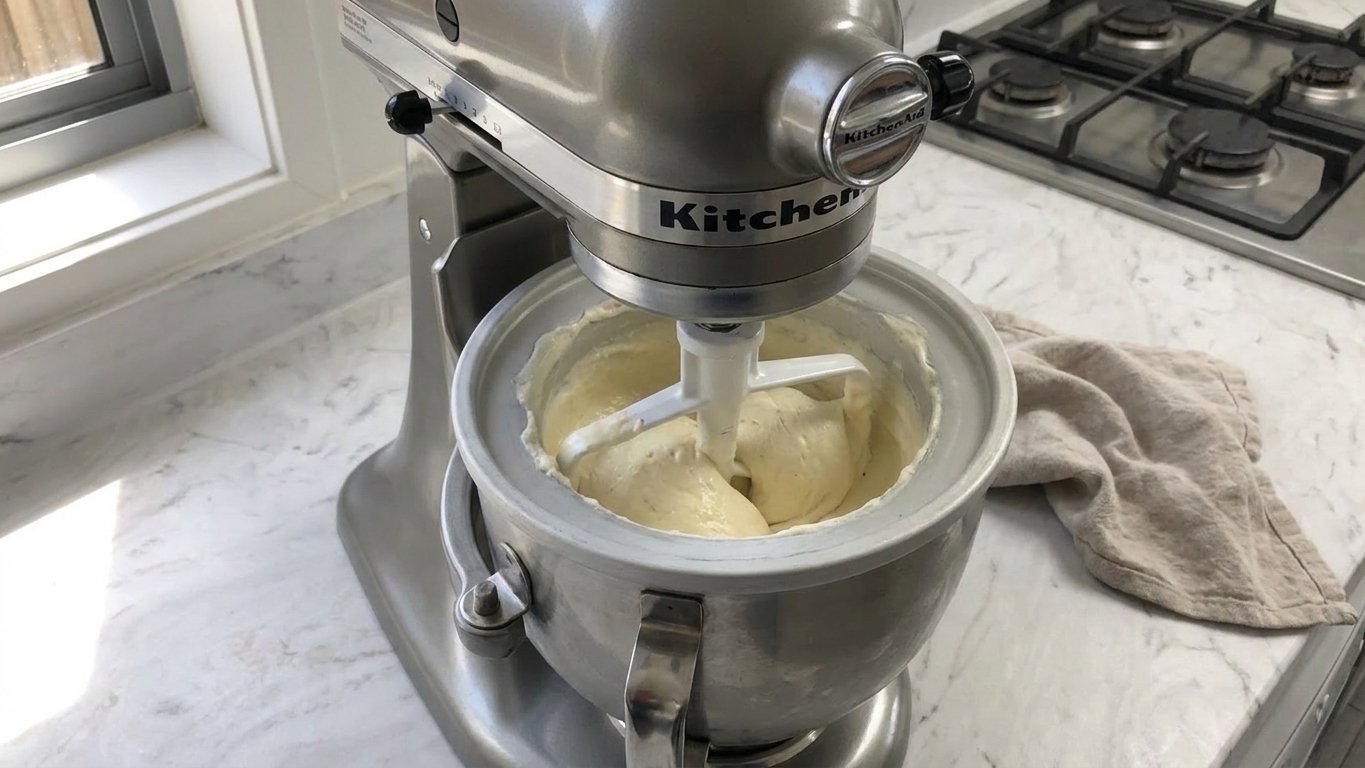
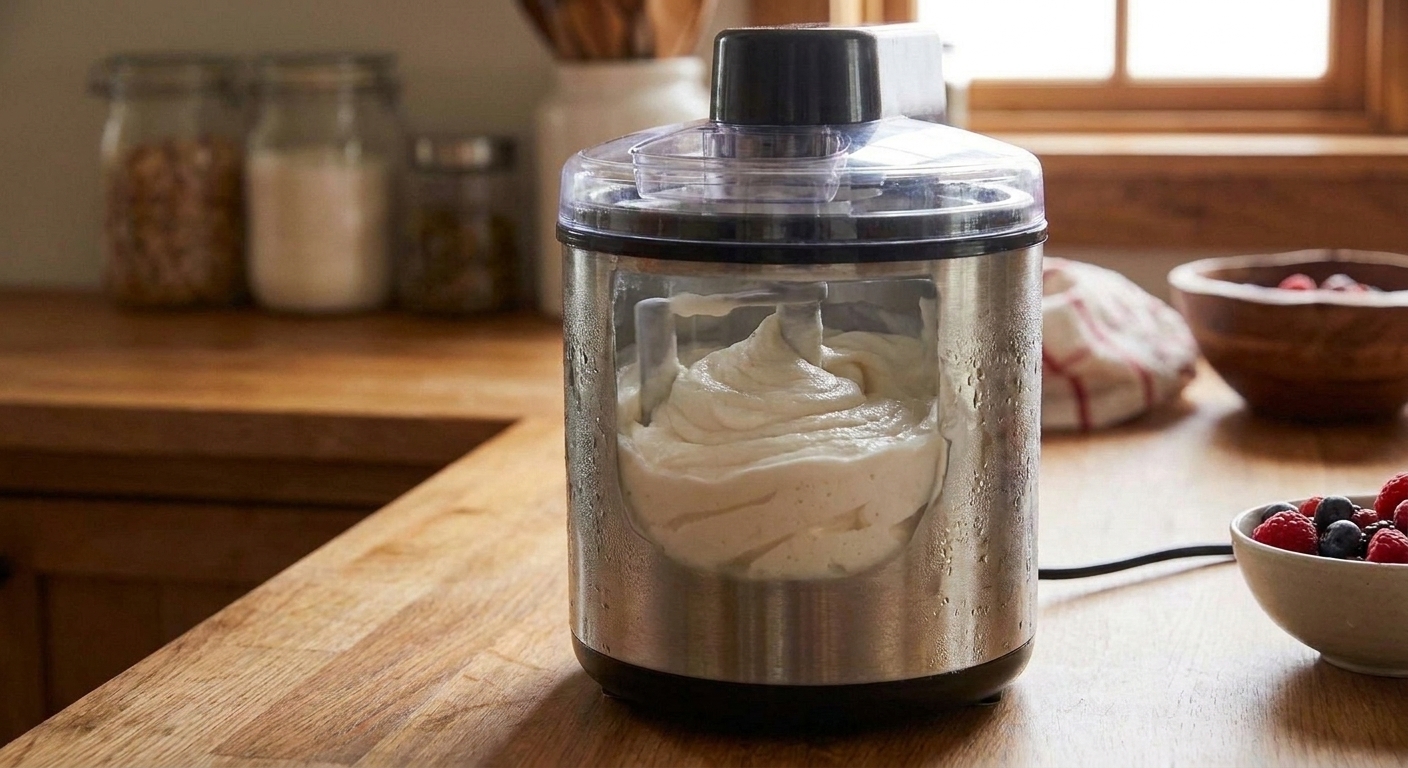
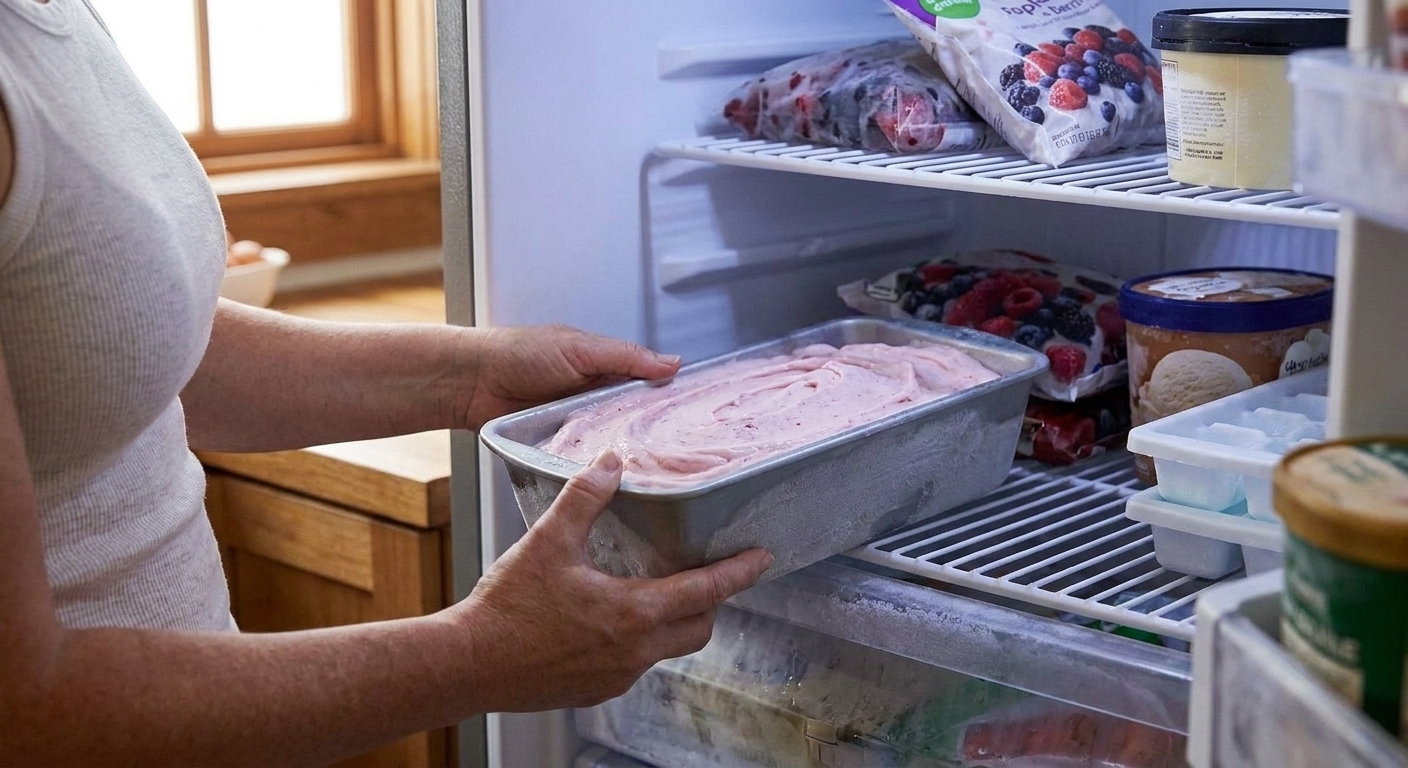
Nope. An ice cream maker gives the smoothest, most consistent texture, but the no-churn method works if you're willing to stir a few times as it freezes.
Why did my frozen yogurt turn icy?
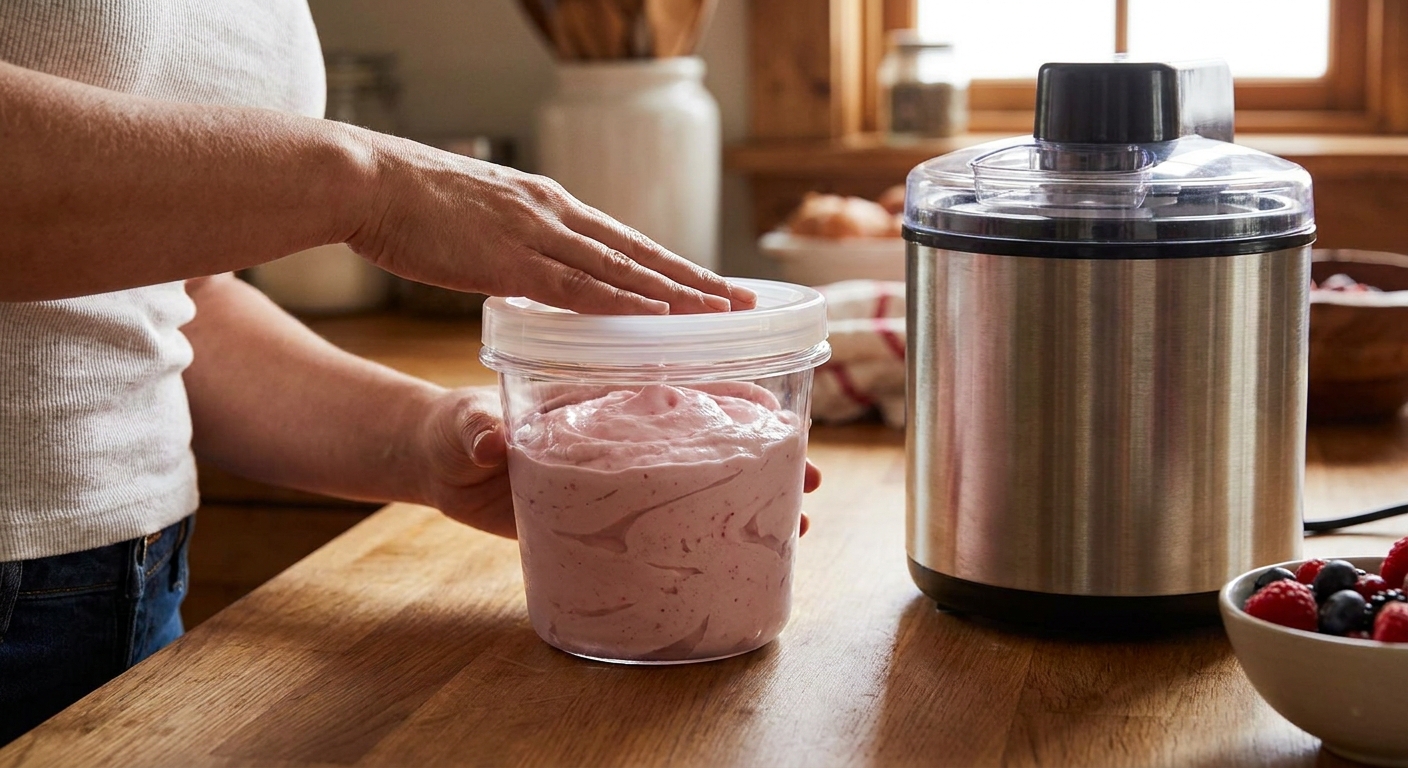
The usual culprits are too much water (thin yogurt or watery fruit), not enough sugar (sweeteners lower the freezing point), low fat, or slow freezing (warm base, warm freezer, or a deep container). Use thick Greek yogurt, avoid low-fat if you want creamy, chill the base well, and freeze in a shallow container.
Can I use regular yogurt instead of Greek?
Yes, but strain it first. Line a strainer with cheesecloth or paper towels, set over a bowl, and drain in the fridge for 2 to 4 hours. Thick yogurt equals creamier frozen yogurt.
Can I make it dairy-free?
You can, but expect it to freeze harder than the dairy version. Use a thick, unsweetened non-dairy yogurt (coconut tends to work best for texture). Replace the heavy cream with 1/3 to 1/2 cup coconut cream, and consider adding 1 tablespoon corn syrup or tapioca syrup for a softer scoop (optional). Chill the base well and plan to let it sit longer before scooping.
Honey or sugar: which is better?
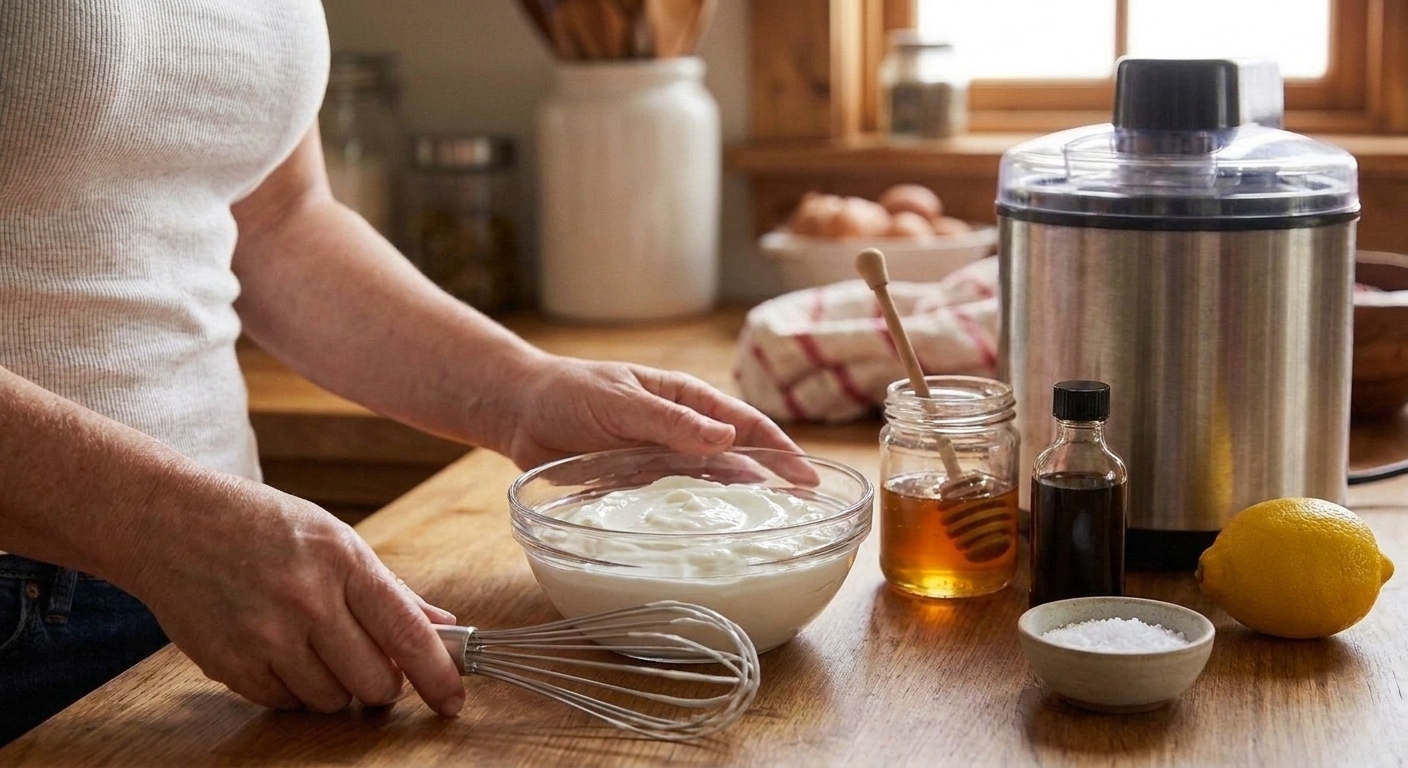
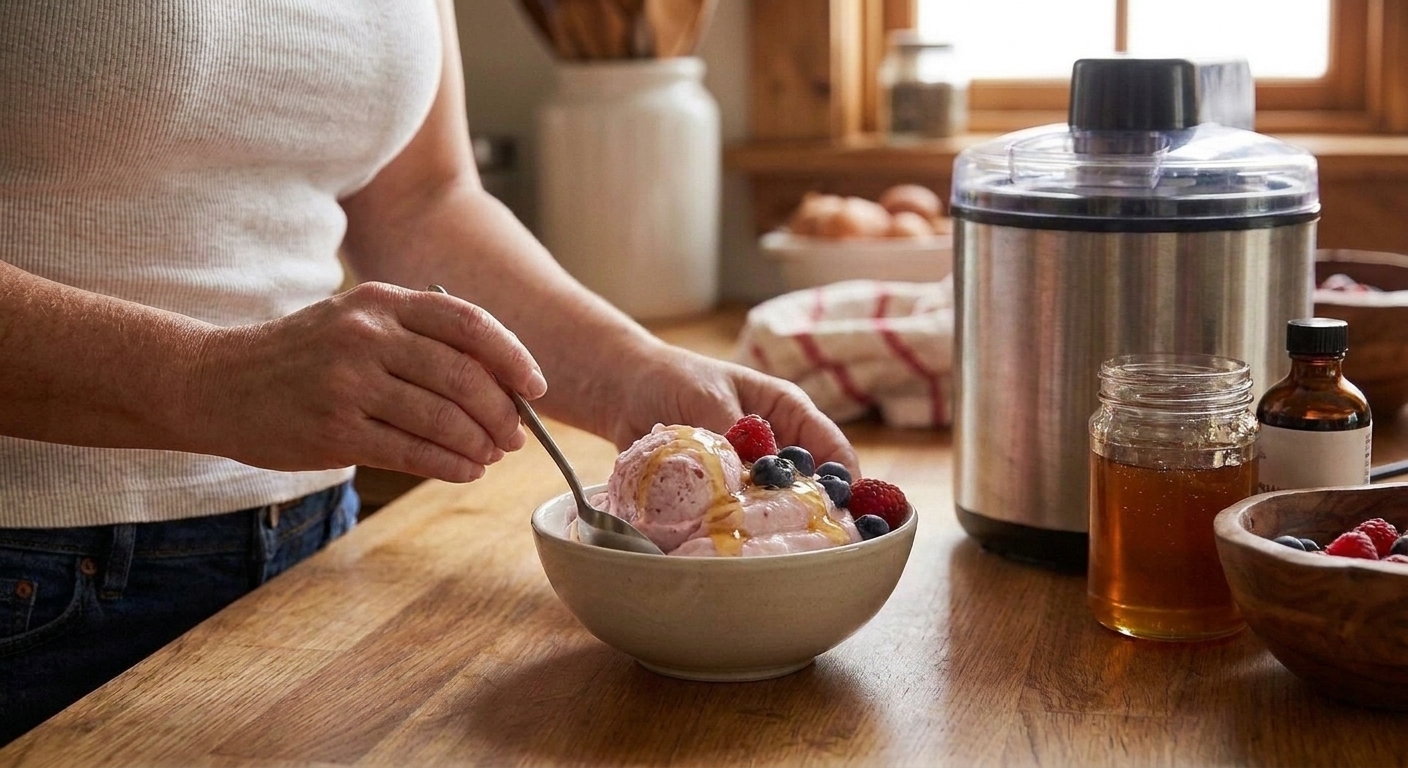
Both work. Honey is sweeter than sugar by volume and usually keeps the frozen yogurt a bit softer. If you use honey, start on the lower end and sweeten to taste. If you use sugar, whisk until fully dissolved so the texture stays smooth.
What mix-ins work best?
Think low-water and cold: chopped chocolate, cookie pieces, toasted nuts, jam swirls, or thick fruit compote. Fresh fruit is delicious, but it can freeze icy unless you cook it down or use small pieces.