Mom's Best Recipes
Recipe

Creamy Homemade Hummus

Ultra-smooth, lemony, garlic-kissed hummus with a fluffy whip and that restaurant-style richness. No weird ingredients, just a few smart steps.

Author By Matt Campbell
4.9
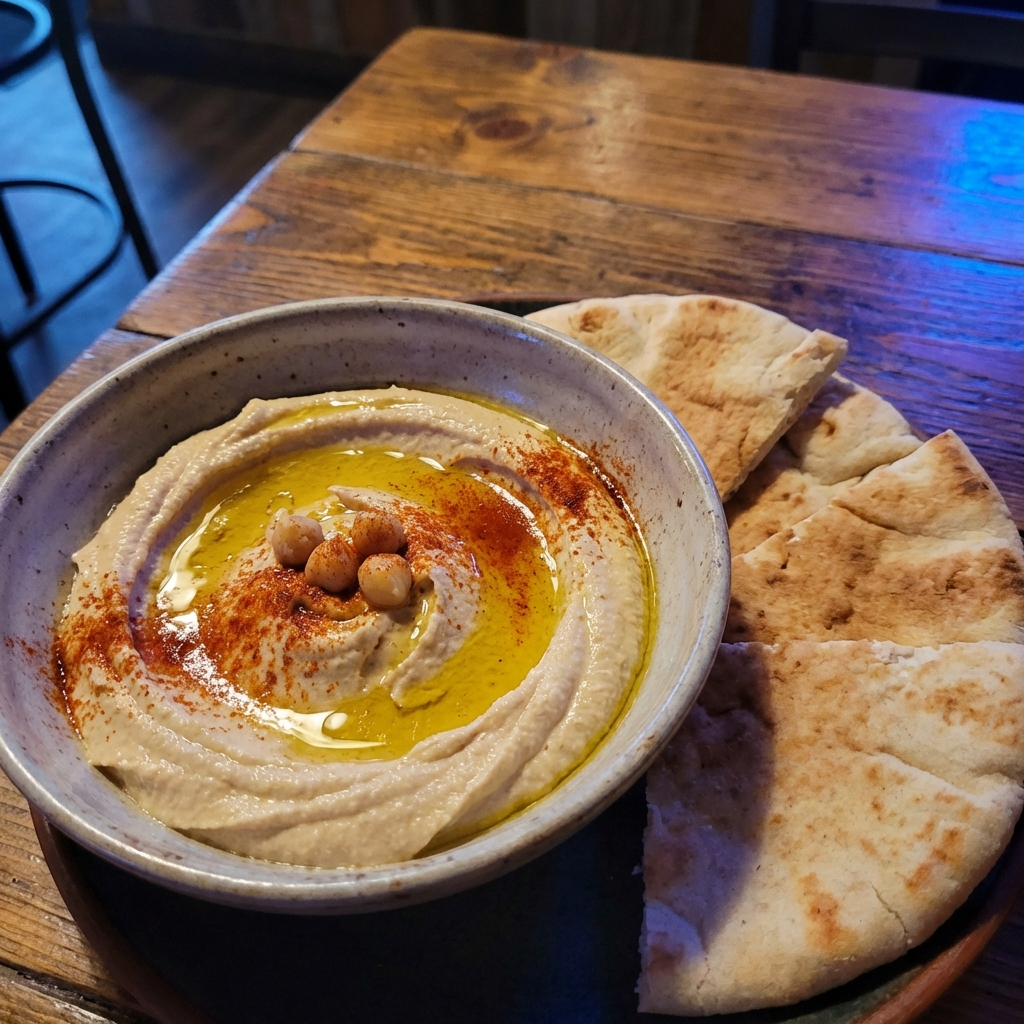
A bowl of creamy hummus swirled with olive oil and sprinkled with paprika, served with warm pita wedges on a wooden board

Homemade hummus is one of those things that feels suspiciously fancy for how little effort it takes. You toss a few pantry staples into a blender, press a button, and suddenly you have the kind of dip that makes people hover near your kitchen island like it is a campfire.

This version is extra creamy, bright with lemon, and balanced with just enough garlic to be interesting, not aggressive. The main trick is simple: warm chickpeas + a good whip. You can absolutely improvise from there, because hummus is very forgiving and also very supportive of your late-night snack goals.

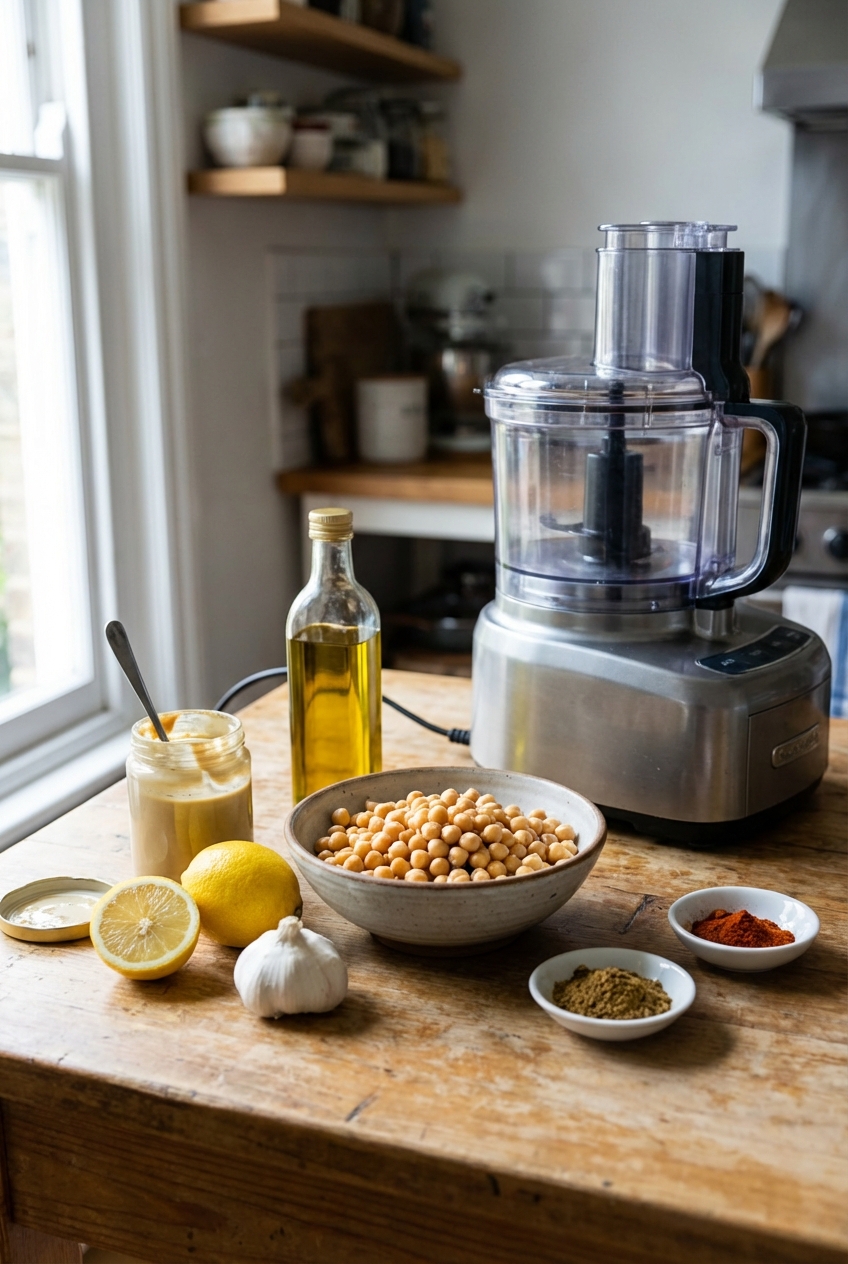
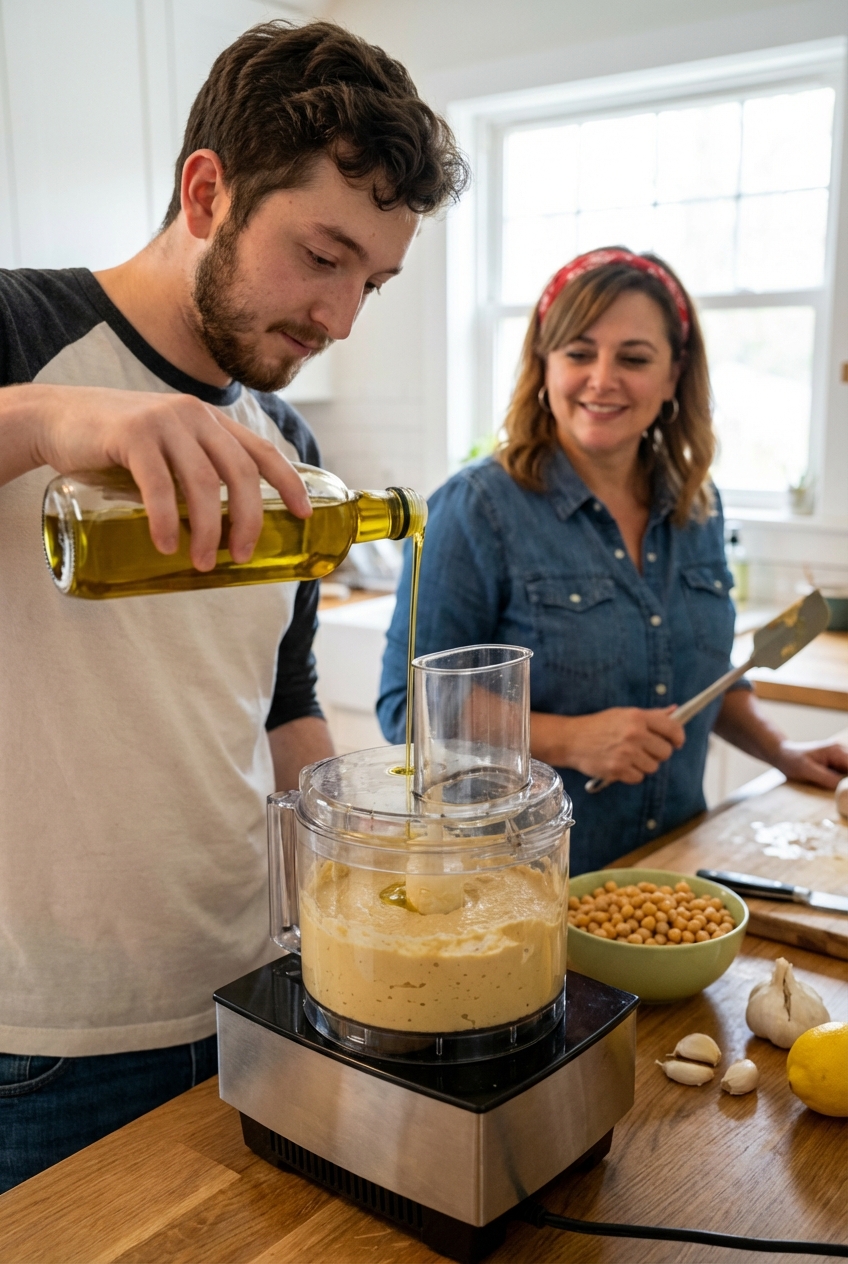
A countertop scene with chickpeas, tahini, lemons, garlic, olive oil, cumin, and salt arranged next to a food processor

Why It Works

  • Silky texture without drama: Warming the chickpeas and blending the tahini with lemon first helps everything emulsify into that fluffy, restaurant-style hummus.
  • Big flavor, not bitter: A sensible amount of garlic and a pinch of cumin bring depth, while lemon keeps it fresh and snackable.
  • Adjustable thickness: Ice water (or chickpea liquid) lets you dial in creamy, swoopy hummus instead of stiff paste.
  • Meal-prep friendly: It holds well in the fridge, and the flavor often gets even better after a few hours.

Storage Tips

How to Store Hummus

  • Refrigerator: Store in an airtight container for up to 5 days. Smooth the top and drizzle a thin layer of olive oil over it to help prevent drying.
  • Freezer: Freeze for best quality within 2 to 3 months in a freezer-safe container. Leave a little headspace. Thaw overnight in the fridge. Note: the texture can get a little grainy after thawing, but a quick stir (or a re-blend) brings it back to life.
  • Reviving leftovers: If it thickens, stir in 1 to 2 teaspoons water or lemon juice, then re-swish with a spoon like you are making art on purpose.

Common Questions

FAQ

Do I have to peel the chickpeas?

No. Peeling makes hummus a bit smoother, but it is optional. If you want extra creamy without peeling, warm the chickpeas and blend longer, adding ice water 1 tablespoon at a time.

Can I use dried chickpeas instead of canned?

Absolutely, and it is delicious. Cook them until very tender. For hummus, slightly overcooked is a compliment. You will need about 1 1/2 to 1 3/4 cups cooked chickpeas for this recipe.

Why does my hummus taste bitter?

Common culprits: older tahini, too much raw garlic, or too much cumin. Use fresh tahini, start with one garlic clove, and add spices gradually. A little extra lemon and salt can also rebalance it.

How do I make it without tahini?

Tahini gives that classic nuttiness and creaminess, but you can substitute natural peanut butter or sunflower seed butter in a pinch. The flavor changes, but the snackability remains extremely high.

Is aquafaba (the can liquid) good to use?

Yes. It helps loosen hummus and adds body. I still like a little ice water for extra fluff, but you can use aquafaba instead of or alongside it. Just remember to reserve it before you drain the can.

How can I mellow harsh garlic?

Two easy options: let the minced garlic sit in the lemon juice for 5 minutes before blending, or use roasted garlic for a sweeter vibe.

I started making hummus at home because I was tired of buying tubs that tasted like beige regret by day three. The first time I nailed the creamy texture, I ate it standing in front of the fridge with a fork and a piece of pita like a raccoon who just discovered Mediterranean food. Now it is my go-to “I need a snack that looks like a plan” recipe. Bonus: it turns random vegetable sticks into something I would actually choose on purpose.