Mom's Best Recipes
Recipe

Creamy Peanut Butter

Silky, spreadable peanut butter made from roasted peanuts in minutes. No mystery oils, no weird sweetness, just big peanut flavor and a texture you can control.

Author By Matt Campbell
4.9
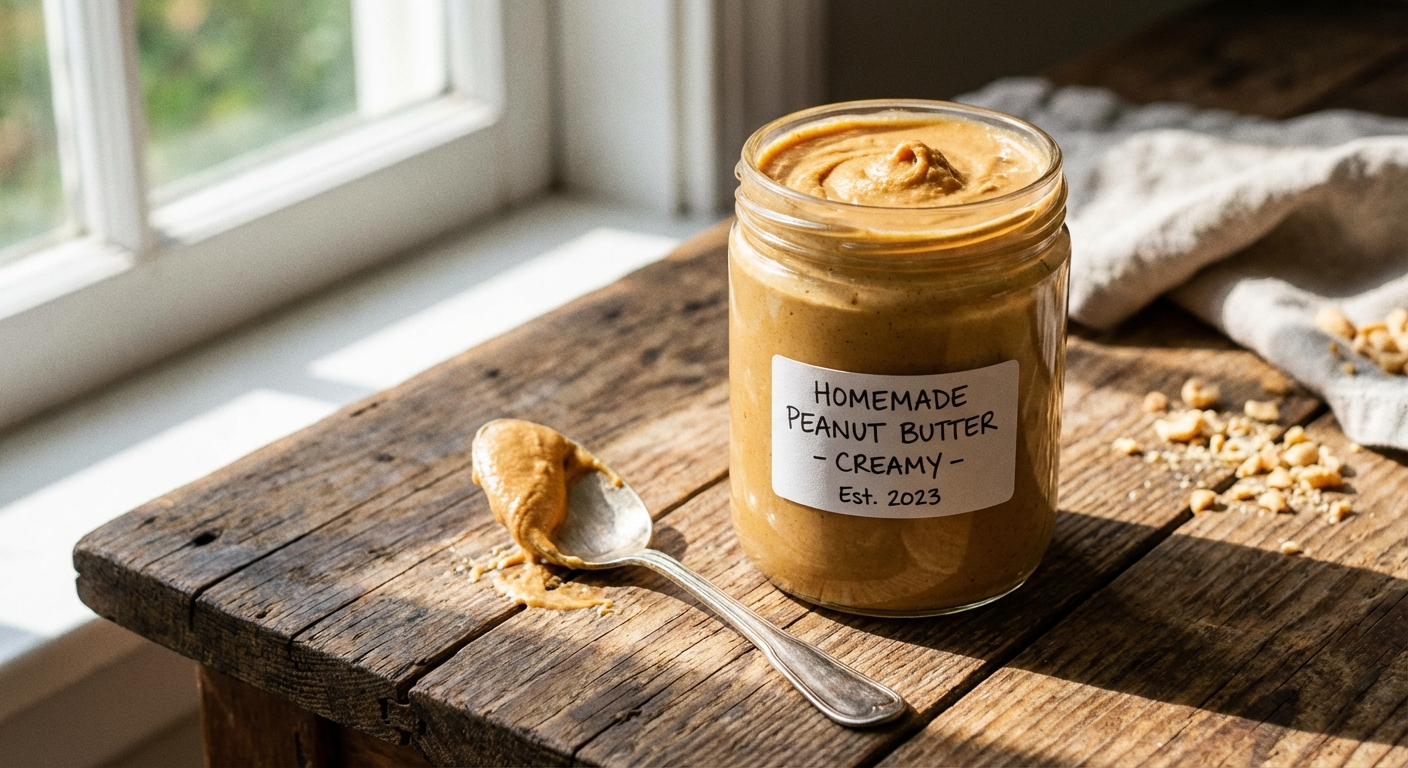
A glass jar filled with creamy homemade peanut butter on a wooden counter with a spoon resting beside it

Homemade peanut butter is one of those kitchen wins that feels suspiciously fancy for how little effort it takes. You dump roasted peanuts into a food processor, let the machine do its noisy little thing, and suddenly you have a jar of creamy, warm, deeply peanutty spread that tastes like the best version of the stuff you grew up with.

The best part is control. Want it perfectly smooth? Keep blending. Want a little texture? Hold back a handful of chopped peanuts and stir them in. Want it saltier, toastier, slightly sweet, or cinnamon-y? You are in charge here.

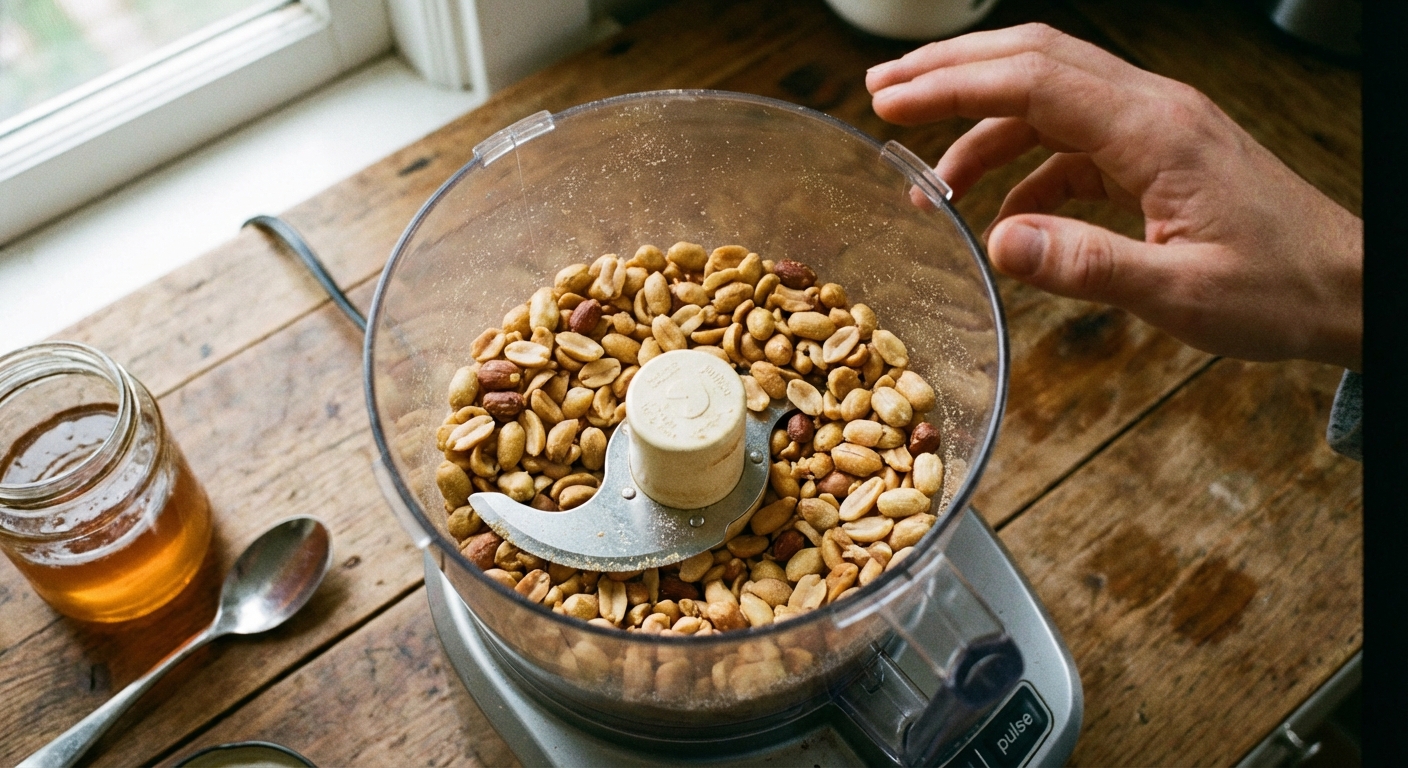
Roasted peanuts in the bowl of a food processor just before blending

Why It Works

  • One ingredient does all the heavy lifting. Roasted peanuts contain enough natural oil to turn into a creamy spread with time and friction.
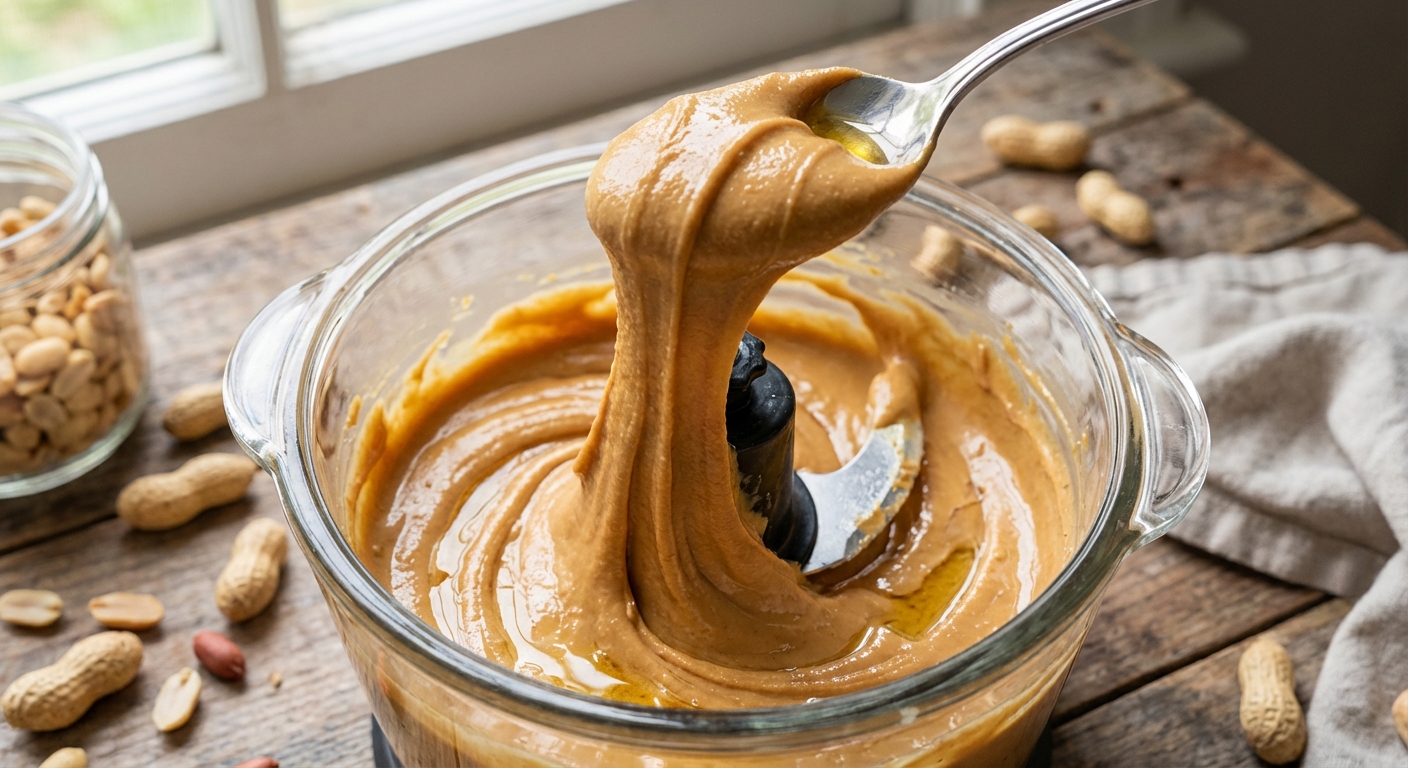
  • Blending stages are normal. You will see crumbs, then a thick clump, then a paste, then a glossy flow. Keep going and it gets smoother.
  • Salt boosts everything. A small amount makes the peanut flavor pop and keeps the finish from tasting flat.
  • Optional add-ins stay optional. A spoonful of honey or a pinch of cinnamon can be great, but the base recipe is strong on its own.

Storage Tips

Room temperature: For best quality, refrigeration is the safest bet. If your kitchen is cool and you will finish it quickly, you can store it tightly covered at room temperature for up to 1 week. Always use clean utensils to avoid introducing moisture or crumbs.

Refrigerator: Refrigerate for longer storage, up to 1 month (often longer, depending on freshness of the peanuts and how clean the jar stays). It will firm up a bit. Let it sit at room temp for 10 to 15 minutes or give it a good stir before using.

Add-ins note: If you add honey, maple syrup, or vanilla, the flavor is great, but shelf life can vary. When in doubt, refrigerate.

Oil separation is normal: Natural peanut butter separates because we are not using stabilizers. Just stir it back together. If you want less separation, store the jar upside down in the fridge and flip it right-side up before opening.

Common Questions

Do I need to add oil to make it creamy?

Usually no. Roasted peanuts almost always release enough oil on their own. If your peanuts are extra dry, or your machine struggles, add neutral oil or peanut oil 1 teaspoon at a time until it loosens.

Can I use raw peanuts?

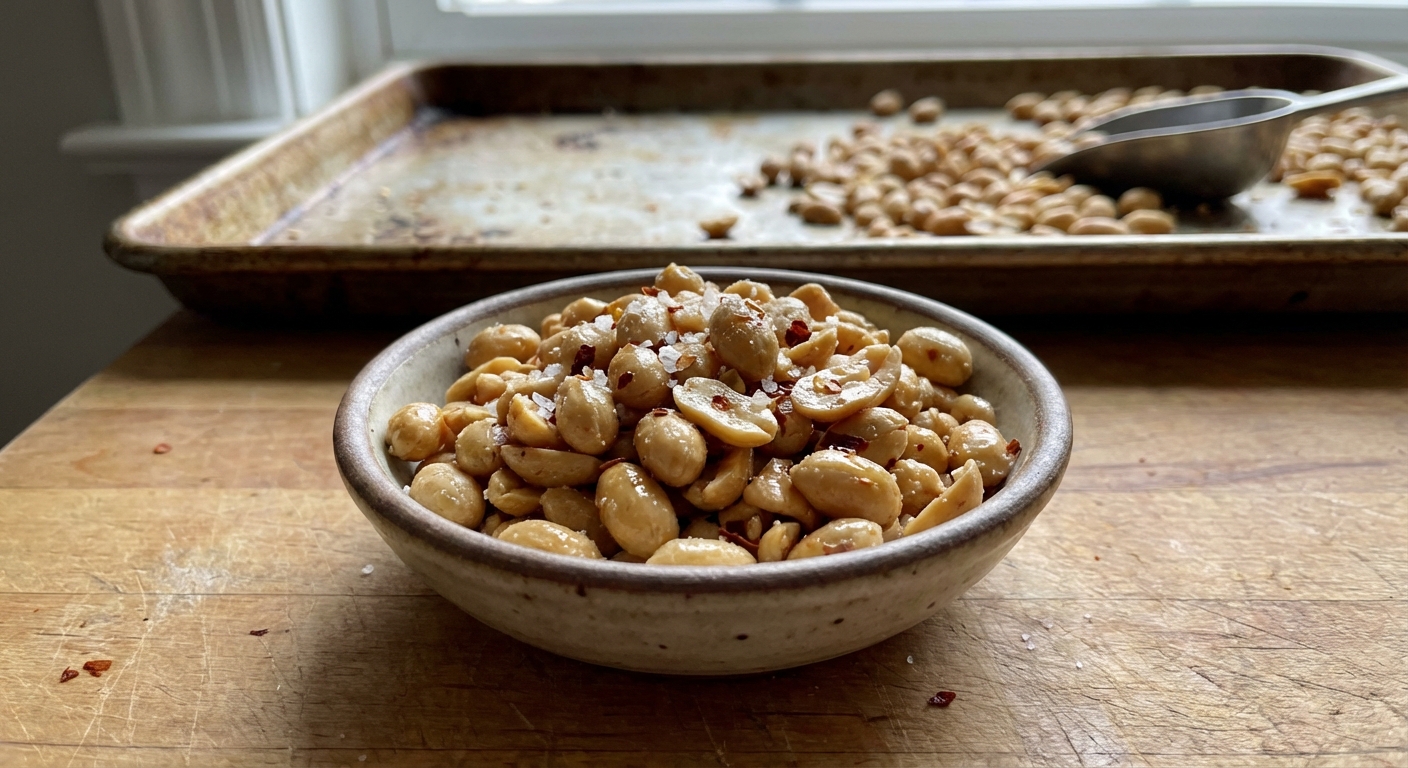
You can, but roast them first for best flavor and easier blending. Roast on a sheet pan at 350 F for 12 to 18 minutes, shaking once or twice, until fragrant and lightly deepened in color. Watch closely near the end because they can go from perfect to overdone fast. Cool 5 minutes, then blend while still warm.

How long should I blend for creamy peanut butter?

Plan on 4 to 8 minutes total, depending on your food processor and how smooth you want it. Scrape down the bowl as needed and let the motor rest if it gets hot.

Can I make it in a blender?

A high-powered blender can work, but a food processor is easier because it moves thick mixtures more reliably. If using a blender, use the tamper and stop often to scrape and avoid overheating.

Why is my peanut butter gritty?

It usually just needs more blending time, or your peanuts were not fully roasted. Keep processing until it turns glossy and flows. Salt will not change the texture, but a little more can help the flavor taste more balanced and less harsh.

What if my processor gets hot or I smell something toasted?

Stop and let it rest for 1 to 2 minutes, then continue. Thick nut butters can heat up quickly. Scraping often helps the mixture move and reduces strain on the motor. If it still refuses to loosen, add oil 1 teaspoon at a time.

Is this the same as “natural” peanut butter from the store?

Pretty close. Store versions may include salt and sometimes a touch of sugar. Some also add stabilizers to prevent separation. This homemade version is the pure, unstabilized style.

Any allergy notes?

This recipe contains peanuts. If you are making it for someone with allergies, avoid cross-contamination by washing equipment well and using ingredients that are processed in an allergy-safe facility.

The first time I made peanut butter at home, I was trying to be responsible and use up pantry stuff. Ten minutes later I was standing over the counter with a spoon, eating warm peanut butter straight from the processor like a raccoon who just discovered luxury. Now it is one of my favorite late-night kitchen tricks: blend a batch, swipe it on toast, and suddenly the day feels a little more put together.