Mom's Best Recipes
Recipe

Creamy Irish Oats

Nutty, chewy Irish oats (often steel-cut) cooked into a creamy bowl with just enough bite, plus easy toppings and make-ahead options.

Author By Matt Campbell
4.8
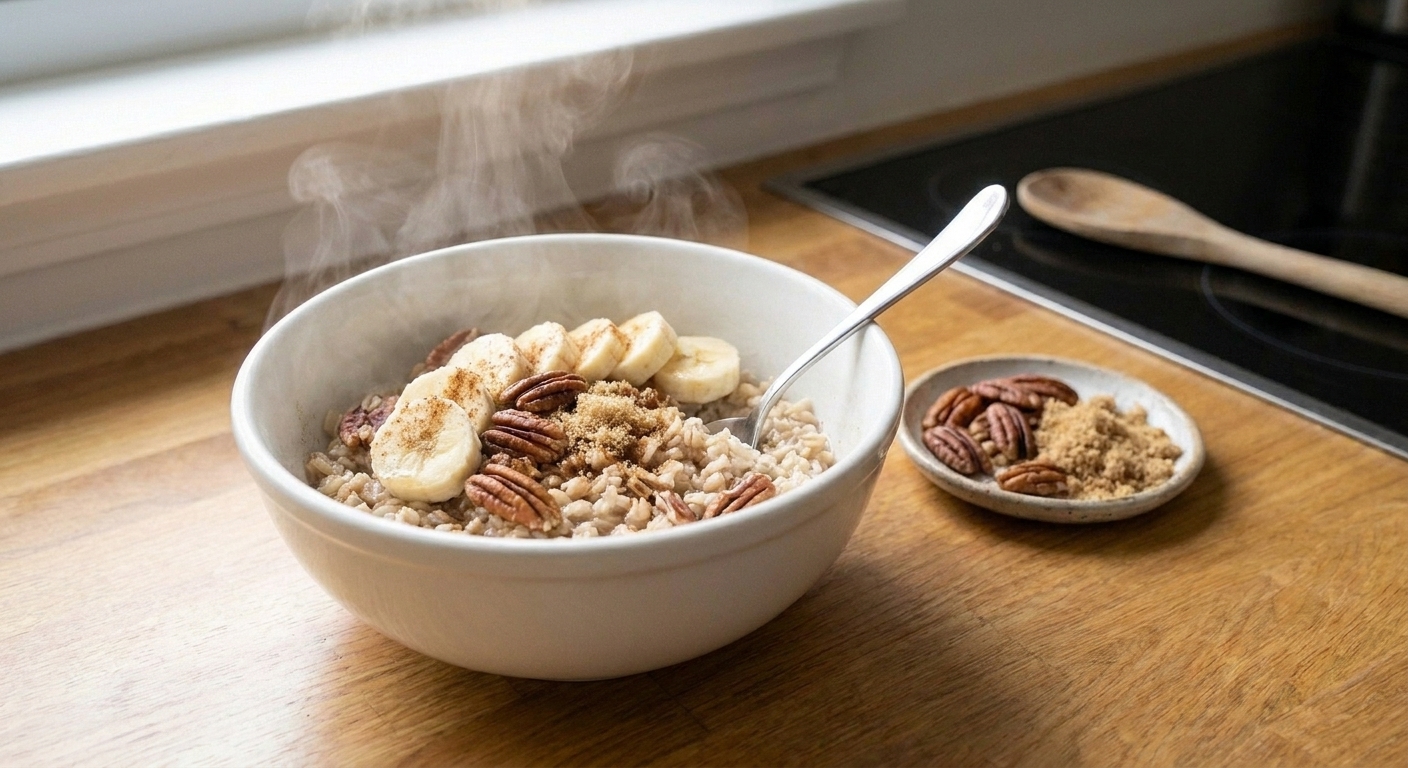
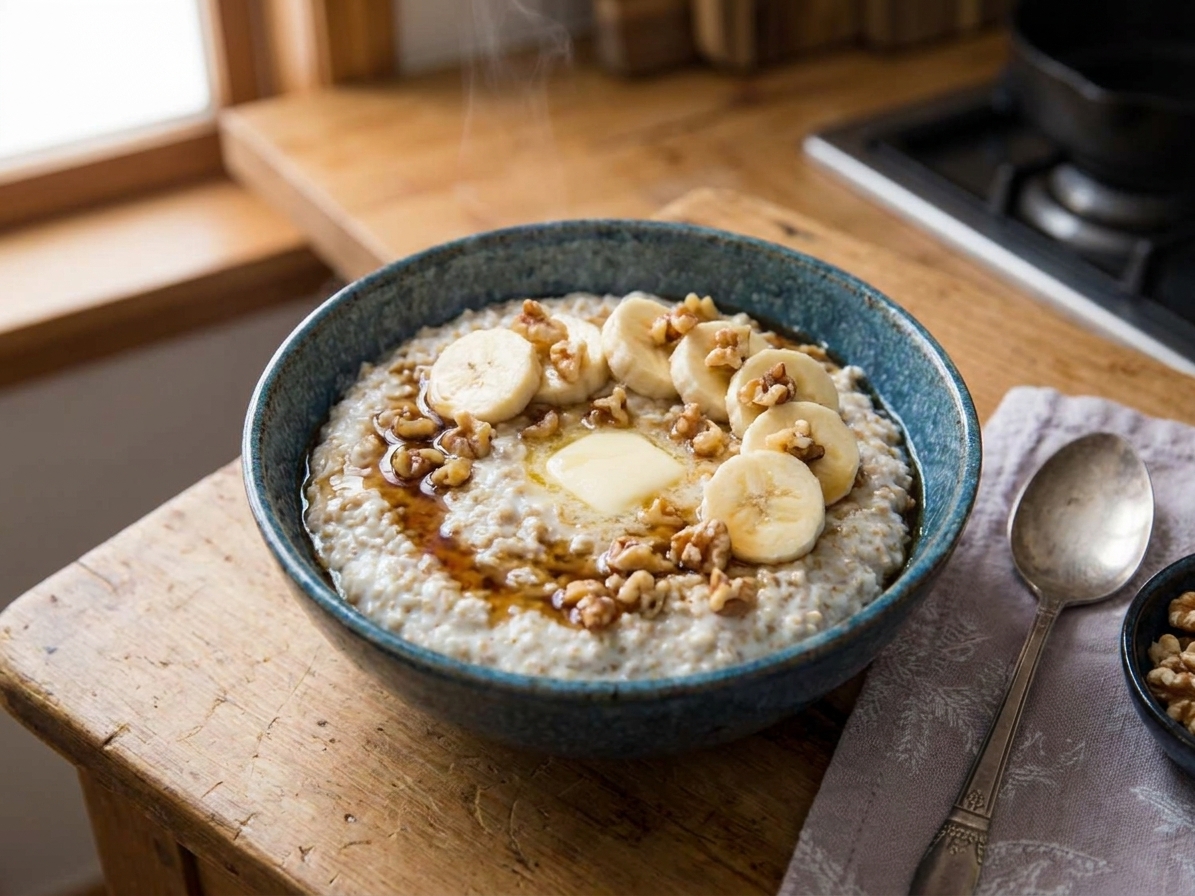
A warm bowl of creamy Irish oats topped with sliced banana, toasted walnuts, and a drizzle of honey on a light kitchen table

Irish oats are the oatmeal for people who like texture. They are nutty, a little chewy, and somehow feel both hearty and cozy at the same time. If rolled oats are a soft hoodie, Irish oats are a flannel shirt that actually has structure.

This is my go-to stovetop method for a bowl that lands in the sweet spot: creamy, not soupy, with that signature bite. You can keep it simple with butter and brown sugar, or go full weekend mode with toasted nuts and fruit. Either way, you are about to have a very good morning.

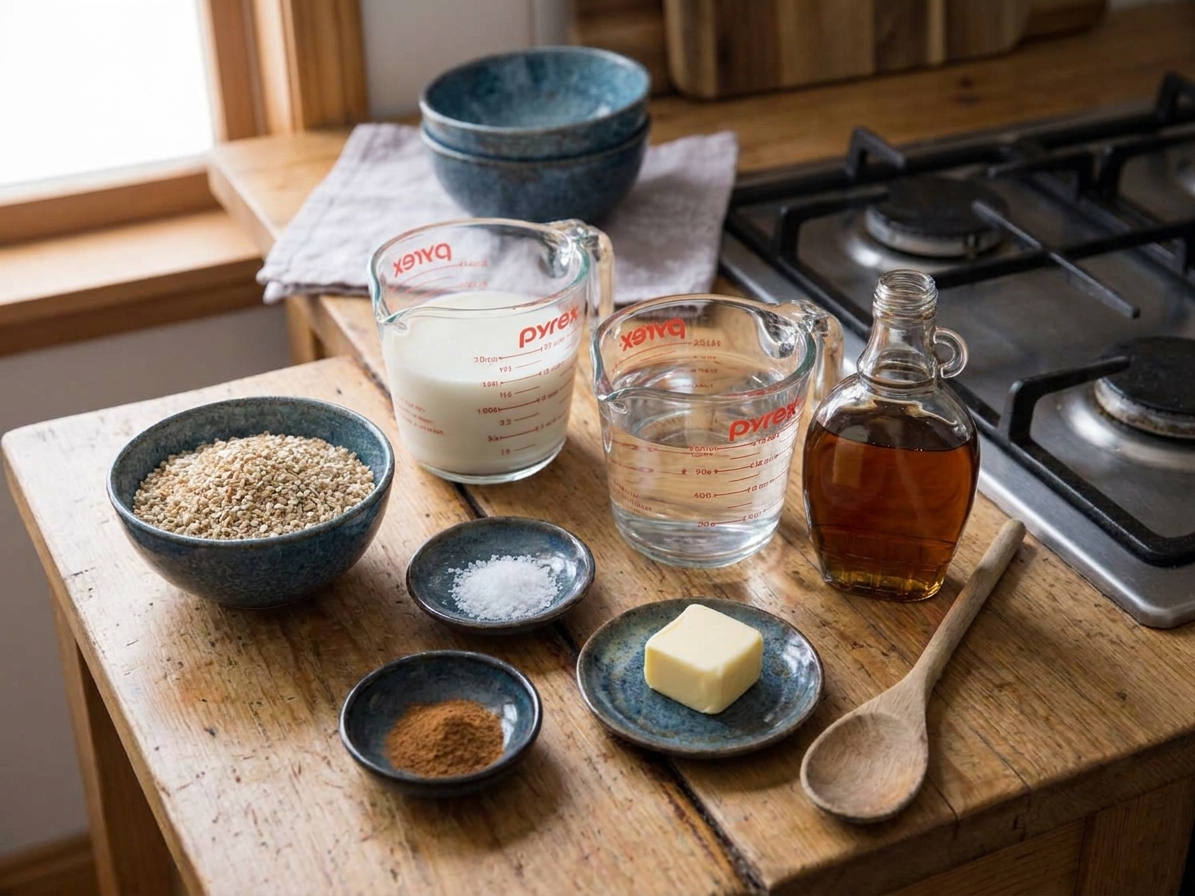
Measured ingredients for Irish oats on a kitchen counter including steel cut oats, milk, water, salt, cinnamon, butter, and maple syrup

Why It Works

  • Classic Irish oats texture: creamy base with a pleasantly chewy center, not mush.
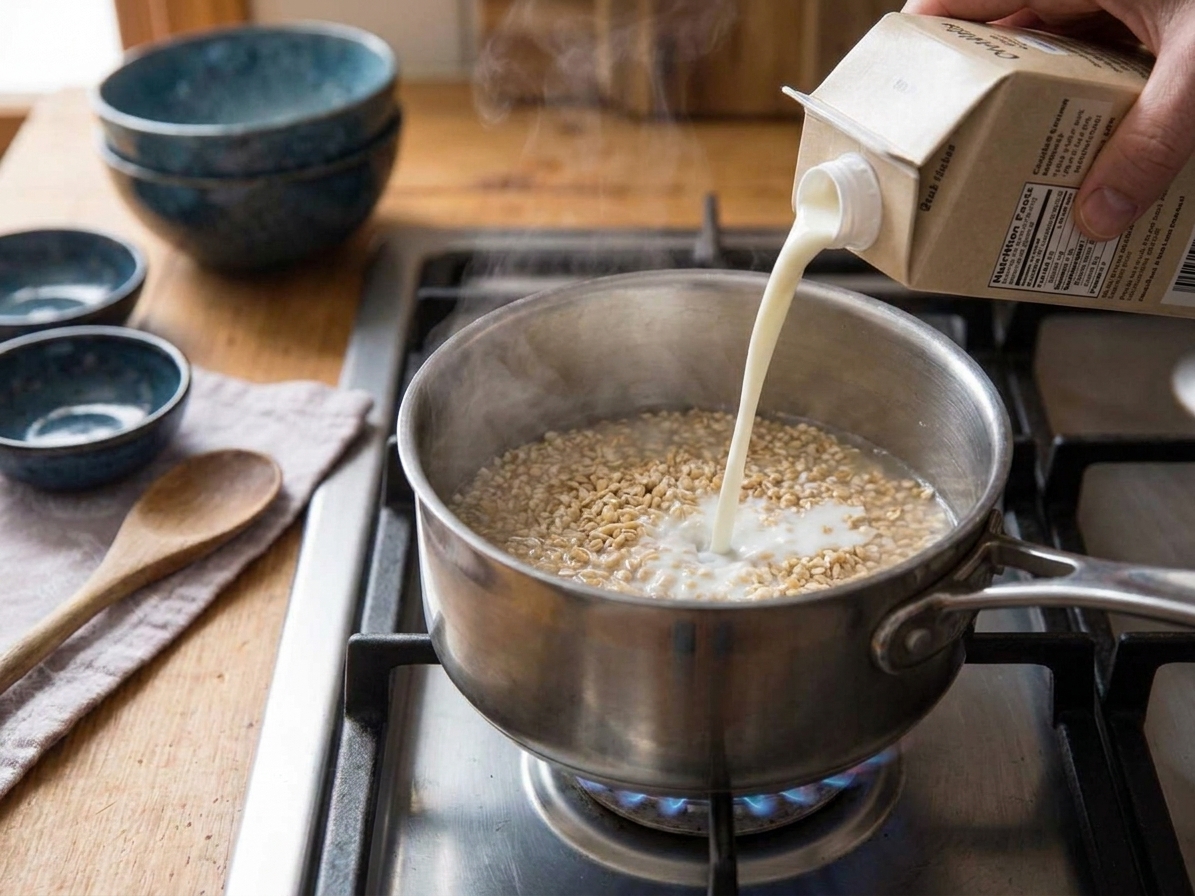
  • Flexible liquid ratio: use water for clean oat flavor, add milk for extra richness, or do a mix.
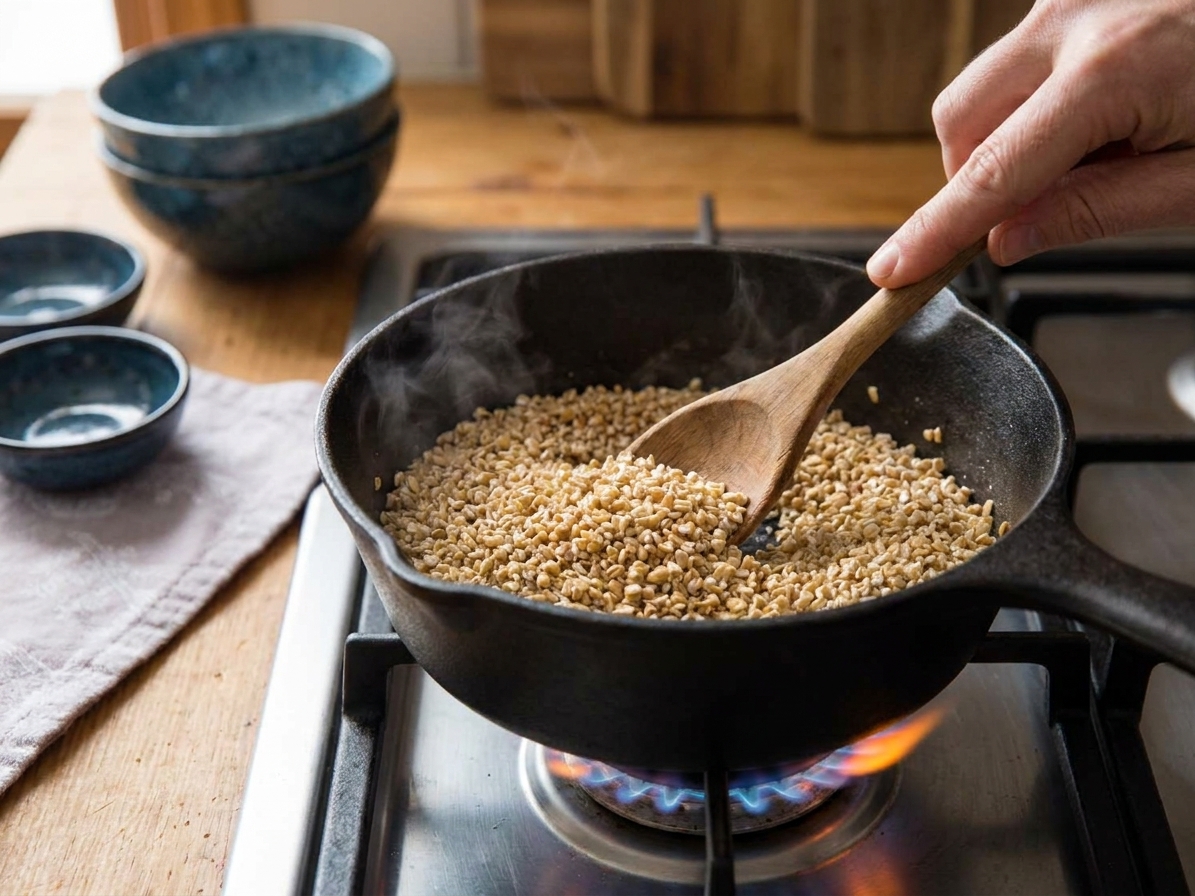
  • Low-drama method: a short toast step builds flavor fast and helps the oats taste nuttier.
  • Make-ahead friendly: leftovers reheat beautifully with a splash of milk or water.

Pairs Well With

Storage Tips

Refrigerate: Cool oats, then store in an airtight container for up to 5 days. If anything smells off or you see visible mold, toss it.

Reheat: Add a splash of milk or water (start with 1 to 4 tablespoons per serving, then add more until loosened) and warm on the stove over medium-low heat, stirring often, or microwave in 30-second bursts. Irish oats thicken a lot as they sit, so the splash is not optional if you want them creamy again.

Freeze: Portion into freezer containers or silicone muffin cups, freeze, then transfer to a bag. Freeze up to 2 months. Thaw overnight in the fridge or reheat from frozen with extra liquid.

Common Questions

Are Irish oats the same as steel-cut oats?

Often, yes. In the US, “Irish oats” is commonly used as a marketing or colloquial label for steel-cut (pinhead) oats, which are whole oat groats chopped into pieces (instead of rolled flat). Labeling is not tightly standardized, so check the package, but the cooking vibe is the same: chewy, hearty, and a longer cook time than rolled oats.

Why are my Irish oats bitter?

A little bitterness can happen if they are over-toasted or cooked too aggressively and scorched on the bottom. Keep the toast step to about 1 minute and use medium to medium-low heat once simmering. Also make sure your oats are fresh. Old oats can taste stale and slightly bitter.

How do I make them creamier without turning them to glue?

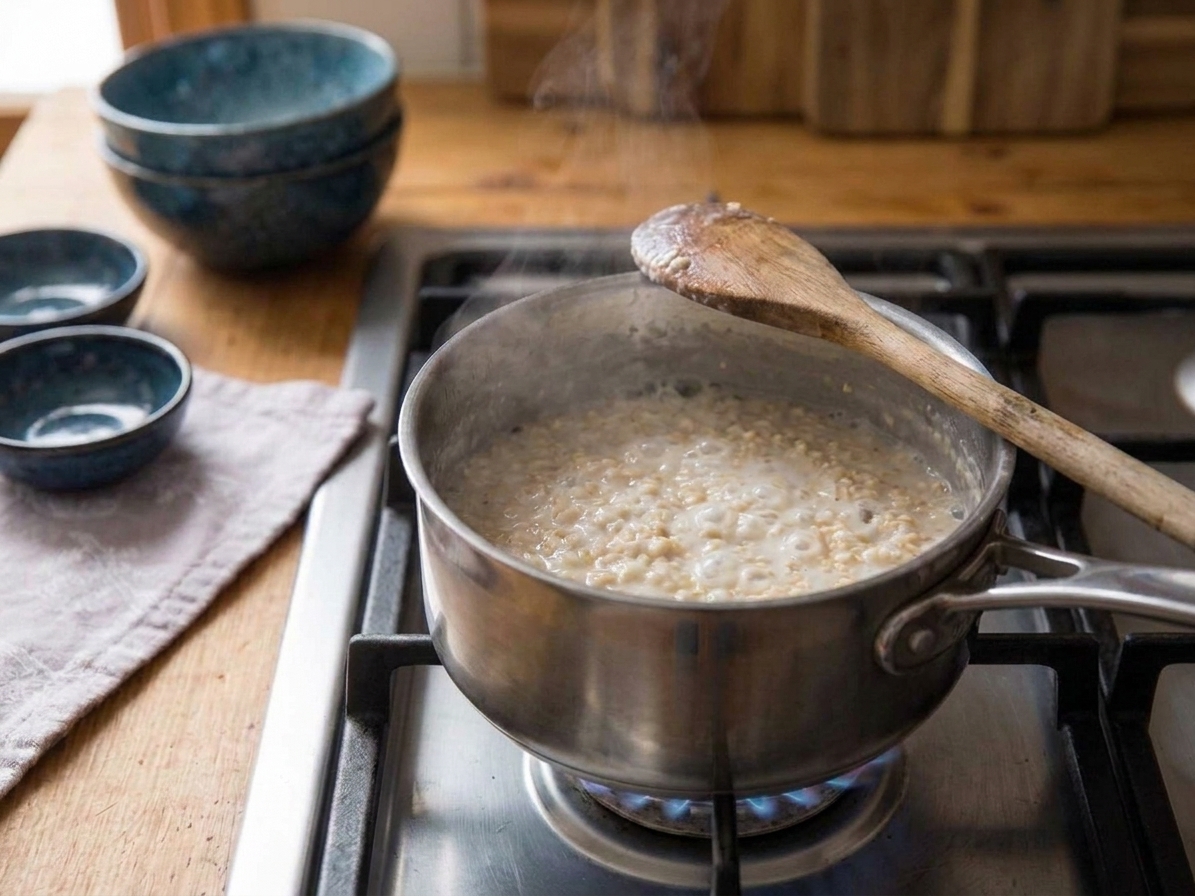
Use a water plus milk combo, simmer gently, and stir occasionally. For extra creaminess, stir in a tablespoon of butter at the end, or a spoonful of Greek yogurt when serving. Avoid a hard boil and nonstop stirring, which can make the texture pasty.

Can I make Irish oats in advance for the week?

Absolutely. Cook a batch, portion it out, and reheat with a splash of liquid. If you want the best texture, stop cooking when they are just a touch chewier than you like. Reheating finishes the job.

Can I cook Irish oats with only milk?

You can, but keep the heat low and stir more often so the milk does not scorch. If you are new to Irish oats, do half water, half milk first. It is more forgiving and still plenty creamy.

The first time I cooked Irish oats, I treated them like rolled oats: I cranked the heat, walked away, and came back to a pot that looked like it had plans to become spackle. Lesson learned. Irish oats want patience, a gentle simmer, and just enough stirring to keep them honest. Now they are my favorite kind of breakfast chaos, the good kind, where the kitchen smells like toasted oats and cinnamon and you feel like you have your life together for at least one bowl.