
Mom's Best Recipes
Recipe

Creamy Lemon Chicken and Asparagus

One-skillet chicken and asparagus with a creamy lemon Parmesan sauce that tastes fancy, but behaves like a weeknight dinner.

Author By Matt Campbell
4.8
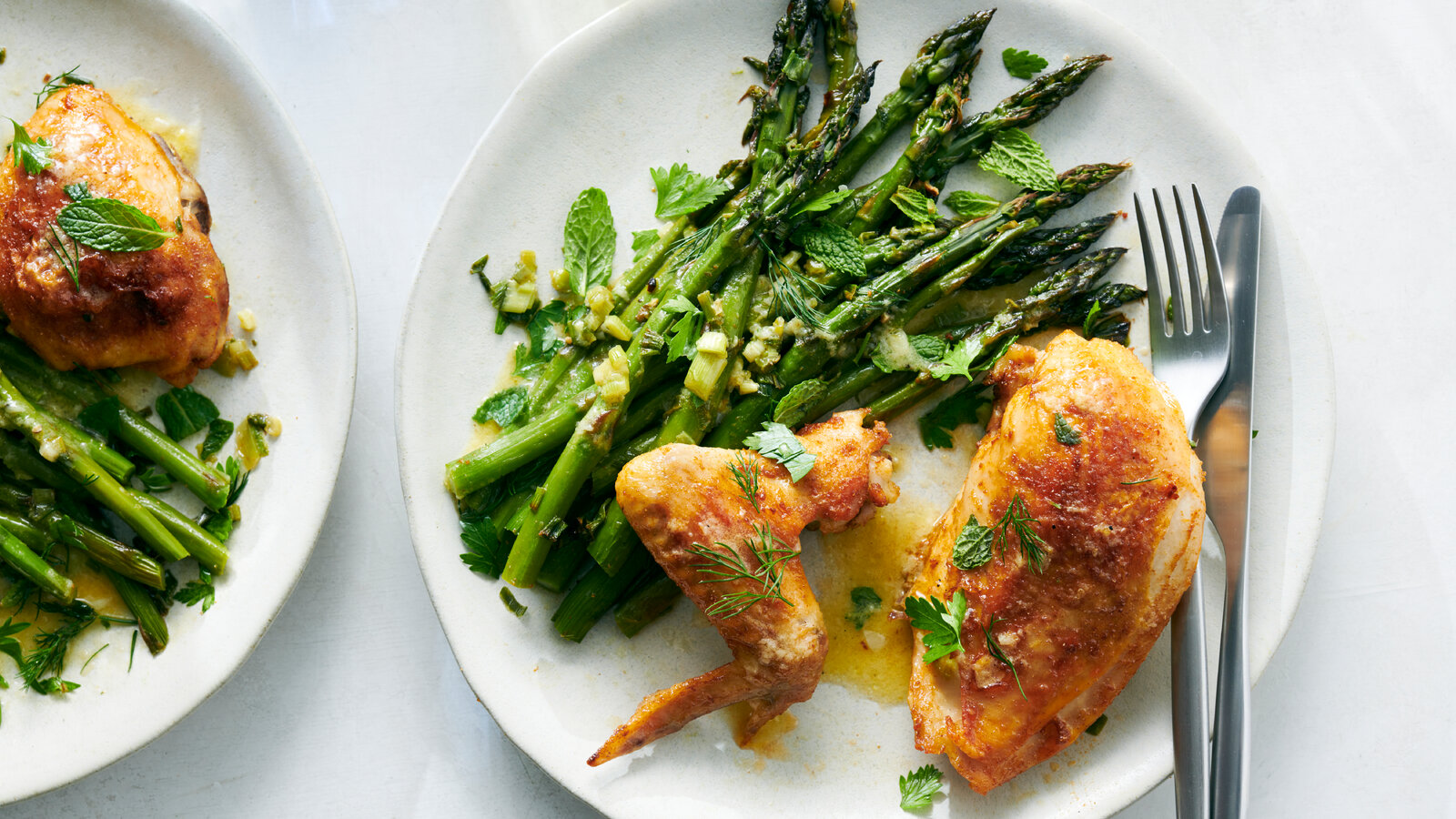
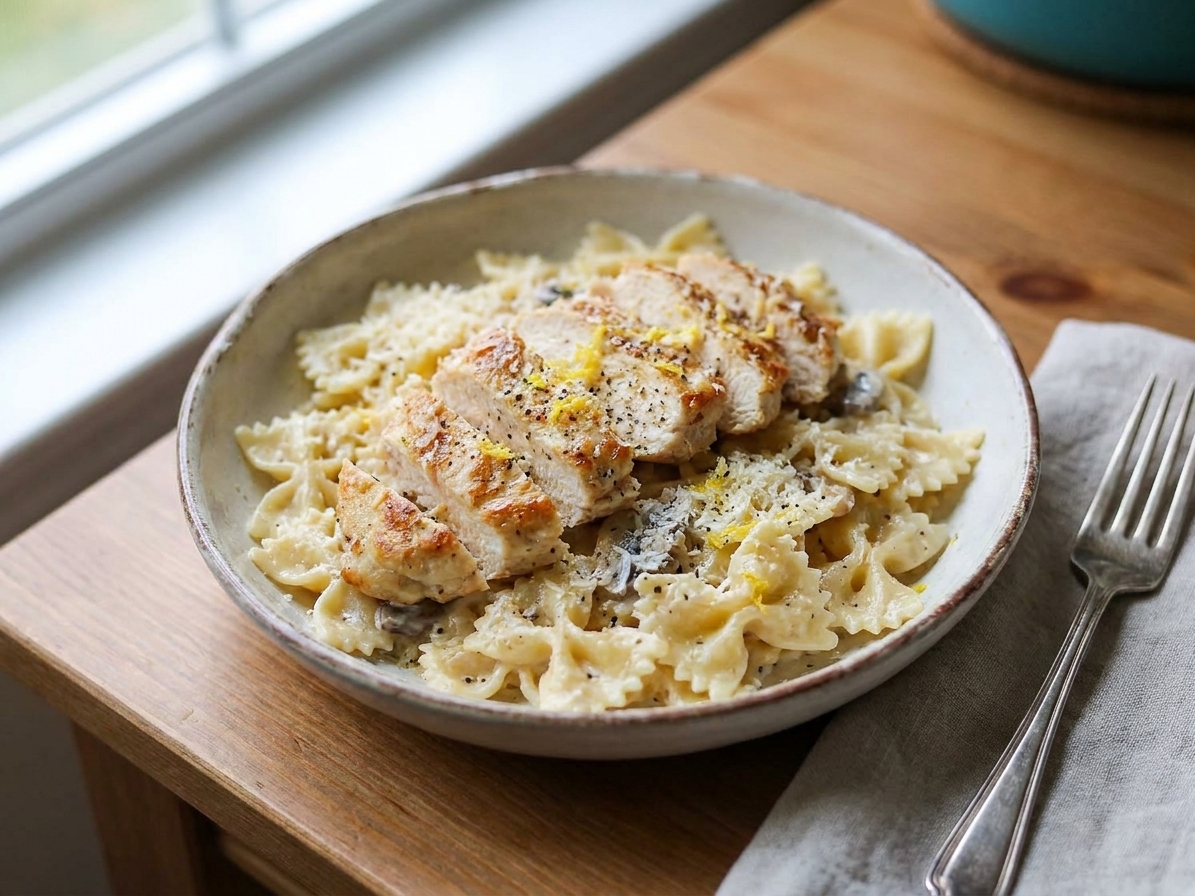
A cast iron skillet filled with sliced chicken and bright green asparagus in a creamy lemon sauce on a warm kitchen counter

This is my kind of dinner: chicken that stays juicy, asparagus that still has a little snap, and a sauce that makes you want to drag a piece of bread through the pan like you're cleaning up evidence. It's creamy, but not heavy. It's lemony, but not sharp. And it's all happening in one skillet, which is honestly the main character on weeknights.

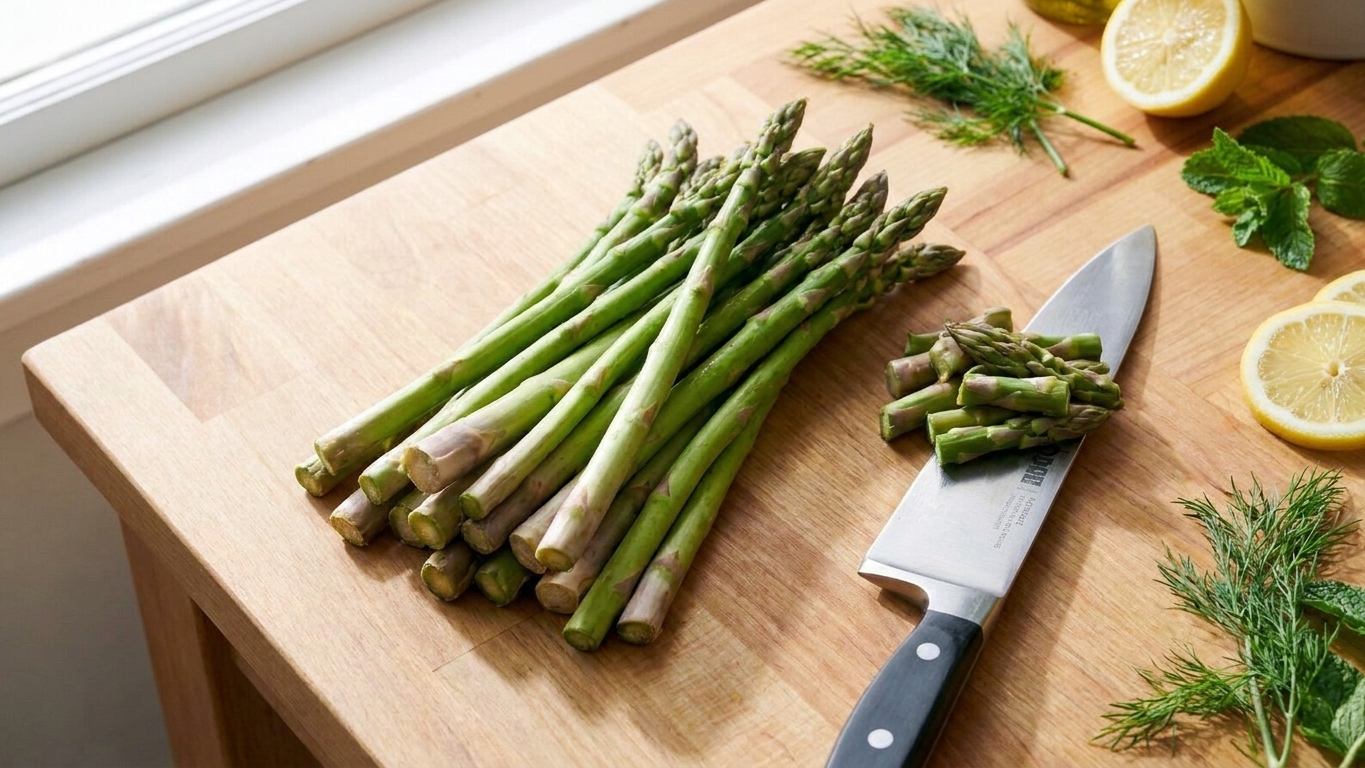
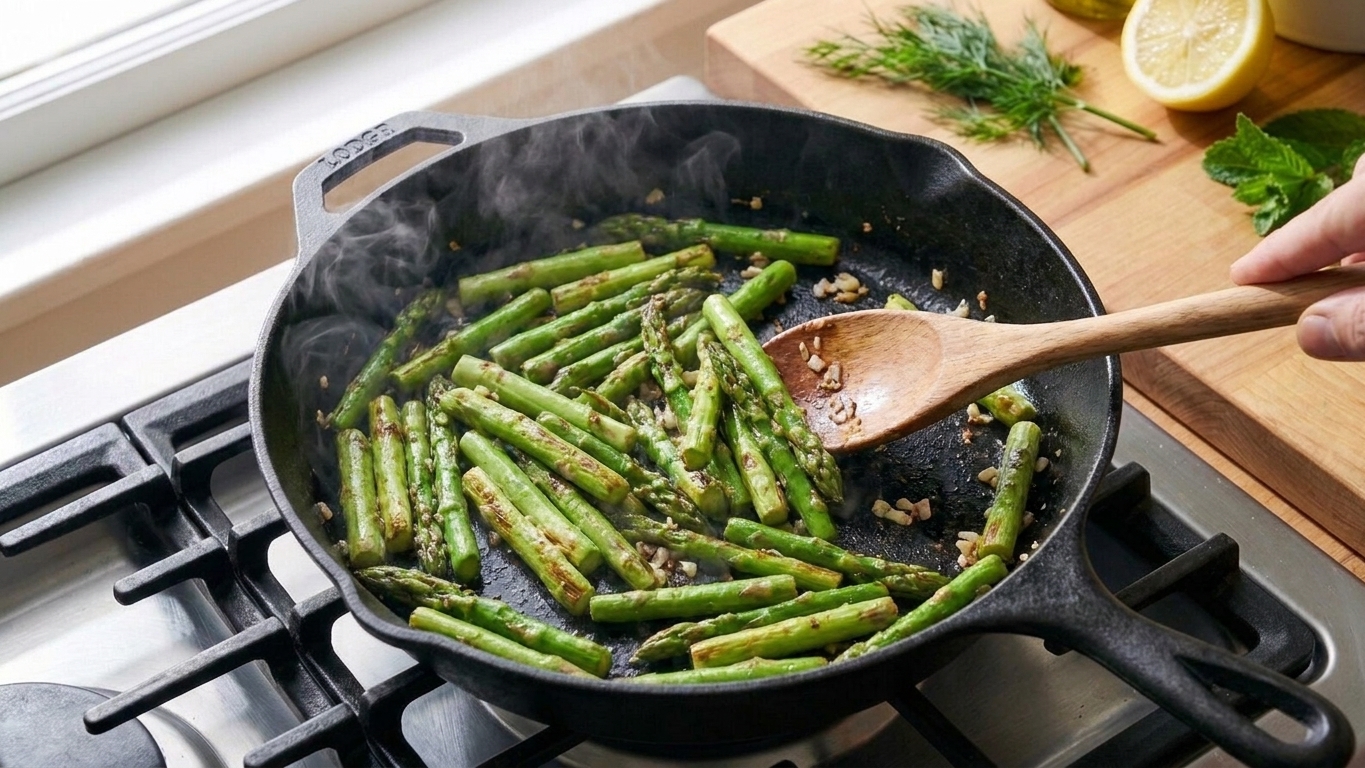
The trick here is simple: sear the chicken hard for crisp edges, pull it out before it dries out, then build the sauce in the same pan so every browned bit gets invited to the party. Toss the asparagus in at the end so it turns crisp-tender instead of sad and olive green. If you can stir and taste as you go, you've got this.
Chicken cutlets, fresh asparagus, lemon, garlic, cream, and Parmesan arranged on a clean kitchen counter with small bowls of salt and pepper

Why It Works

  • Big flavor from one pan: The sauce picks up all the browned bits left from searing the chicken.
  • Creamy, not cloying: A splash of cream and a handful of Parmesan give you richness, while lemon keeps everything bright.
  • Asparagus stays crisp-tender: It goes in near the end so it cooks fast and keeps its color.
  • Weeknight flexible: Use chicken cutlets, sliced breasts, or even thighs. The method holds.

Pairs Well With

Storage Tips

Refrigerate: Store leftovers in an airtight container for up to 3 days. Keep any extra sauce with the chicken so it stays moist.

Reheat: Warm gently in a skillet over medium-low heat with a splash of chicken broth or water to loosen the sauce. Microwaving works too. Use 50% power in 45-second bursts, stirring between, so the cream sauce is less likely to split.

Freezing: Cream sauces can get a little grainy after freezing, so I don't recommend it if you're chasing perfect texture. If you do freeze, thaw overnight in the fridge and reheat slowly with extra broth and a fresh squeeze of lemon to bring it back.

Common Questions

Can I use chicken thighs instead of breasts?

Yes. Boneless, skinless thighs are forgiving and stay juicy. Sear a few extra minutes per side, and make sure they hit 165 F in the thickest part. For the best texture, thighs are often even better around 175 to 185 F, but 165 F is the safety line.

How do I keep the sauce from curdling?

Keep the heat at medium-low once the cream goes in, and don't let it boil aggressively. Also, add the lemon juice at the end, off the heat if your stove runs hot.

What if my sauce is too thick?

Thin it with a splash of chicken broth, pasta water, or even water. Add a little at a time until it looks glossy and spoonable.

What if my sauce is too thin?

Let it simmer gently for a few minutes to reduce. Parmesan helps too, but add it gradually so you don't over-salt the sauce.

How do I fix a sauce that looks a little split?

Take the pan off the heat and whisk in a splash of cream or a small knob of cold butter until it comes back together. Then keep the heat low.

Can I swap the asparagus?

Totally. Broccolini, green beans, or baby spinach work great. If using spinach, stir it in at the very end so it just wilts.

Can I use half-and-half instead of heavy cream?

Yes, but the sauce will be thinner and a little less forgiving. Keep the heat low, and if you want it thicker, let it simmer a touch longer or whisk in a small cornstarch slurry (1 teaspoon cornstarch mixed with 1 tablespoon water) and simmer for 30 to 60 seconds.

I started making some version of chicken and asparagus when I was trying to cook like I meant it, but still keep things practical. I didn't have a fancy culinary school kitchen setup, so I leaned hard on what actually works at home: one pan, a good sear, and a sauce that can save a lot of sins.

This one is what I make when I want dinner to feel a little special without turning the kitchen into a full-on production. It's the kind of meal where you taste the sauce, add one more pinch of salt, and suddenly you're standing there eating asparagus straight out of the pan like it's normal behavior.