Common Questions
How do I clean morel mushrooms without ruining them?
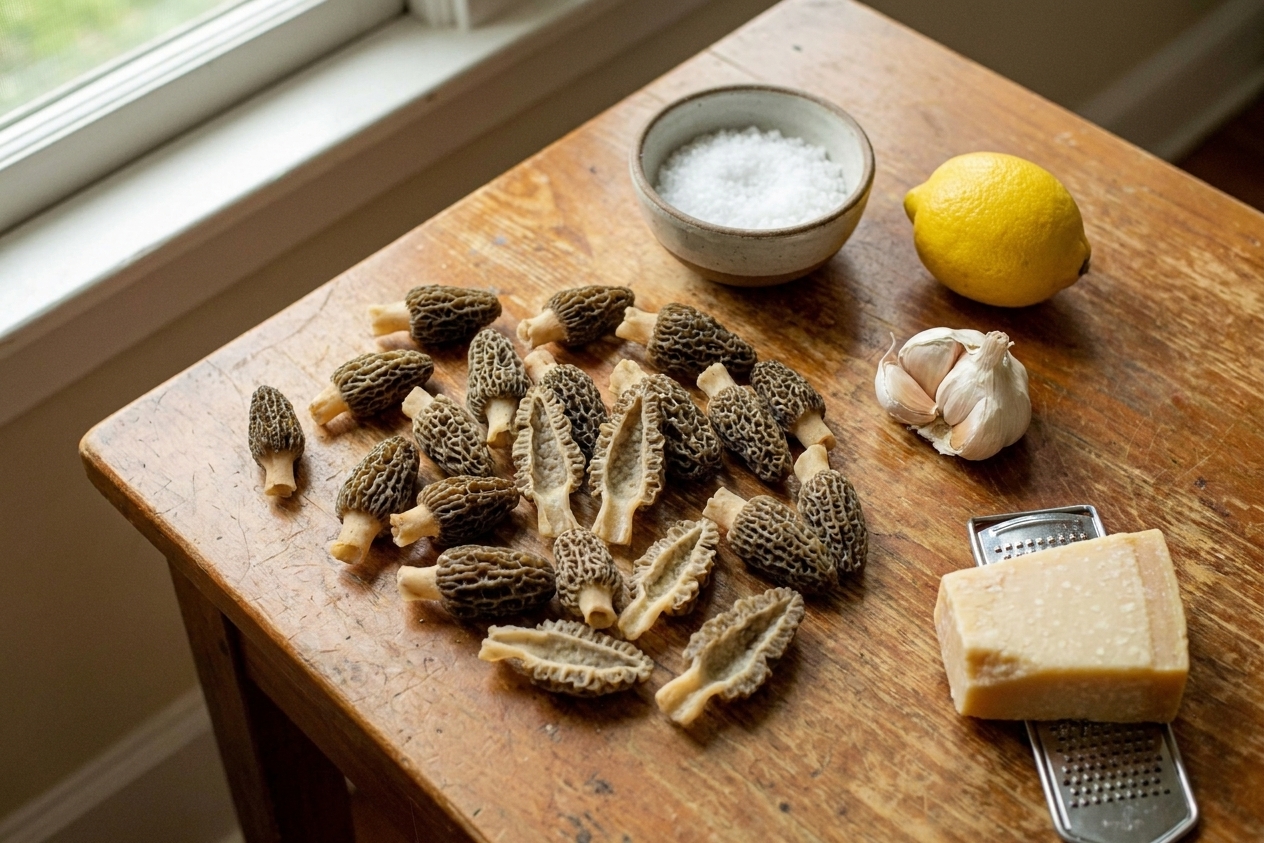
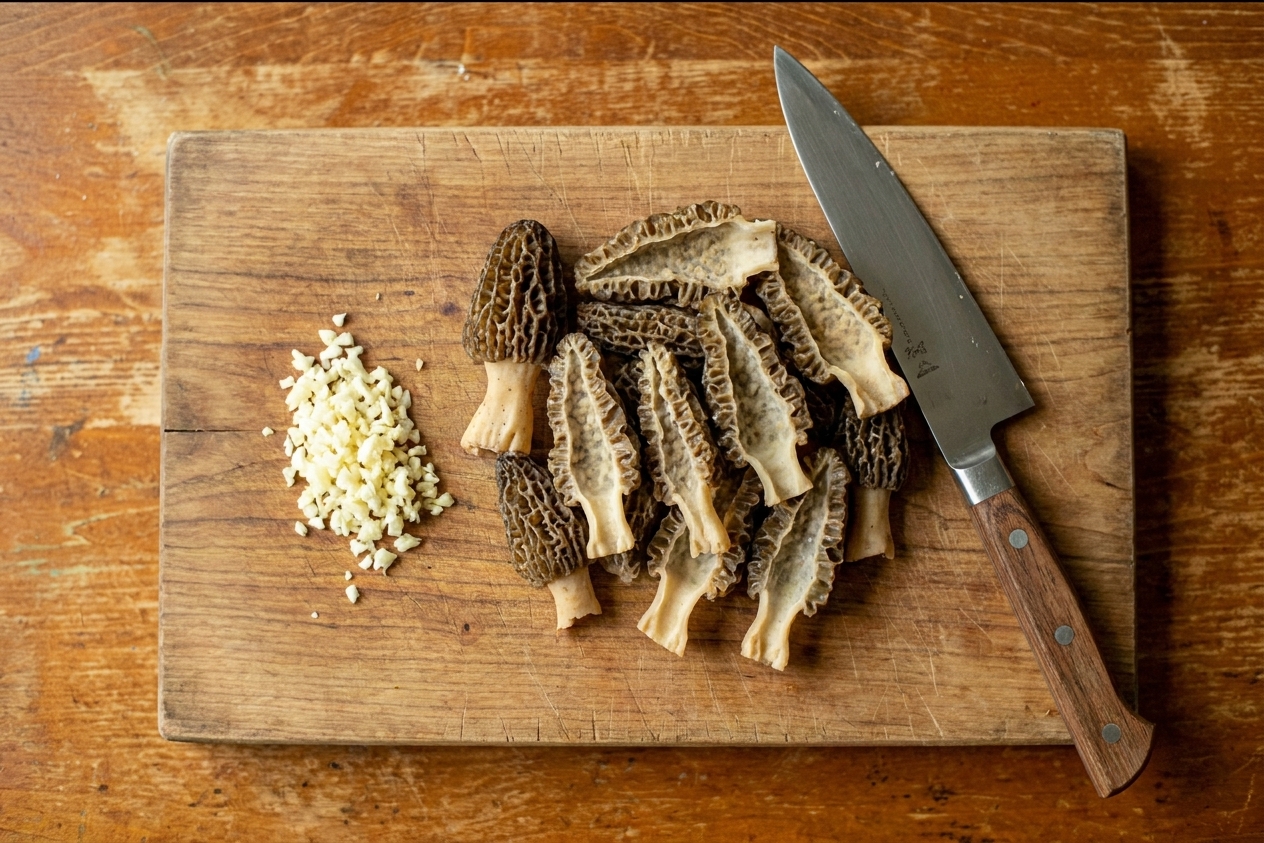
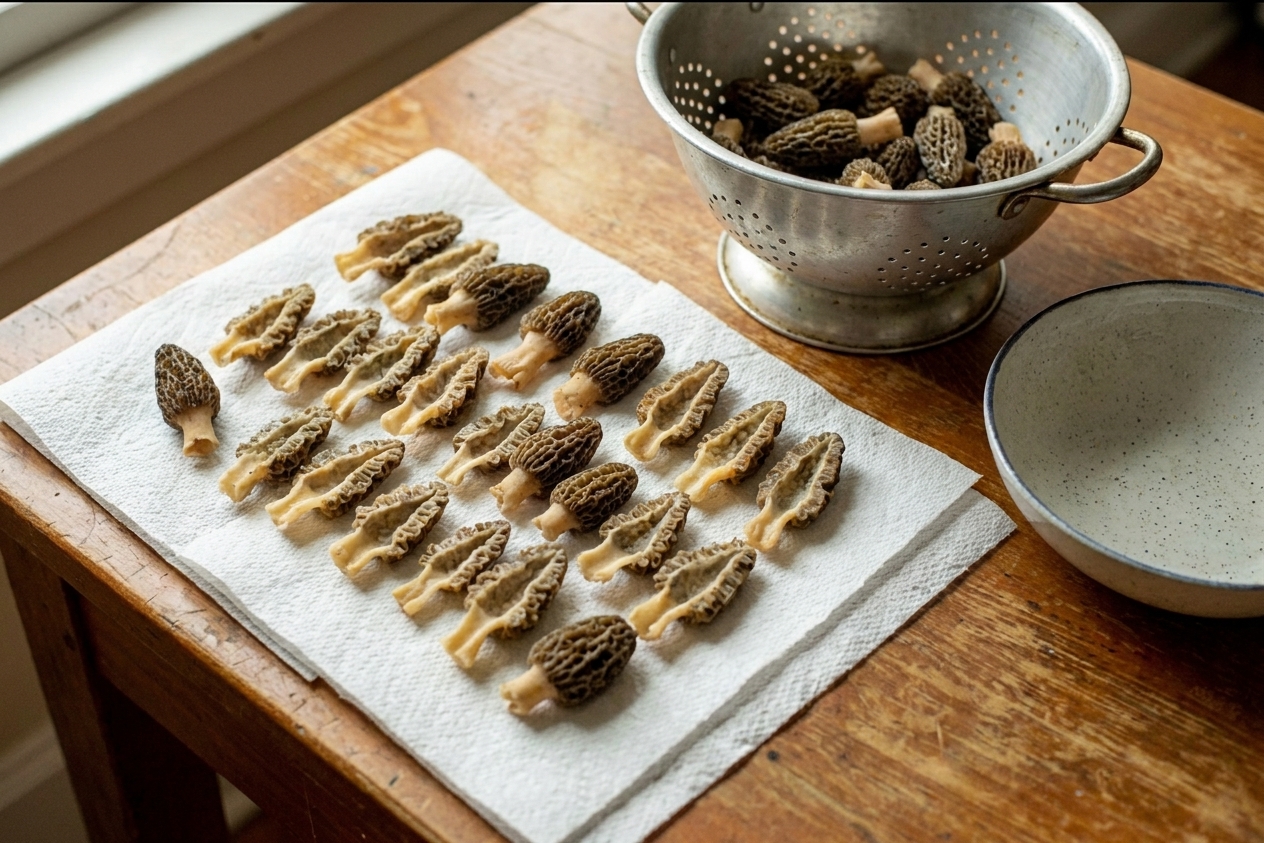
Morels have those honeycomb pockets, which are basically tiny debris collectors. If they look clean, a soft brush or a quick wipe is enough. If they are gritty, do a very fast rinse or swish in cold water, then dry well on paper towels. For extra grit, you can do a very brief soak (5 to 10 minutes max), swish, then lift the morels out and dry thoroughly. The key is quick in, quick out so they do not get waterlogged.
Can I use dried morels?
Yes, and it is honestly a great option. Rehydrate in hot water for 20 to 30 minutes, then lift them out gently and pat dry. Strain the soaking liquid through a coffee filter or a paper towel lined sieve to remove grit. If the liquid is grit-free and tastes pleasant (not sandy or bitter), you can add a small splash to the sauce for extra depth.
Are morels safe to eat?
Morels should be cooked, not eaten raw. Cooking improves texture and helps reduce the chance of stomach upset. Even with true morels, some people are sensitive, so if it is your first time, start with a modest portion and see how you feel. Also only use mushrooms from a trusted source. If you forage, be absolutely certain of identification since false morels exist and can be dangerous.
What pasta shape works best here?
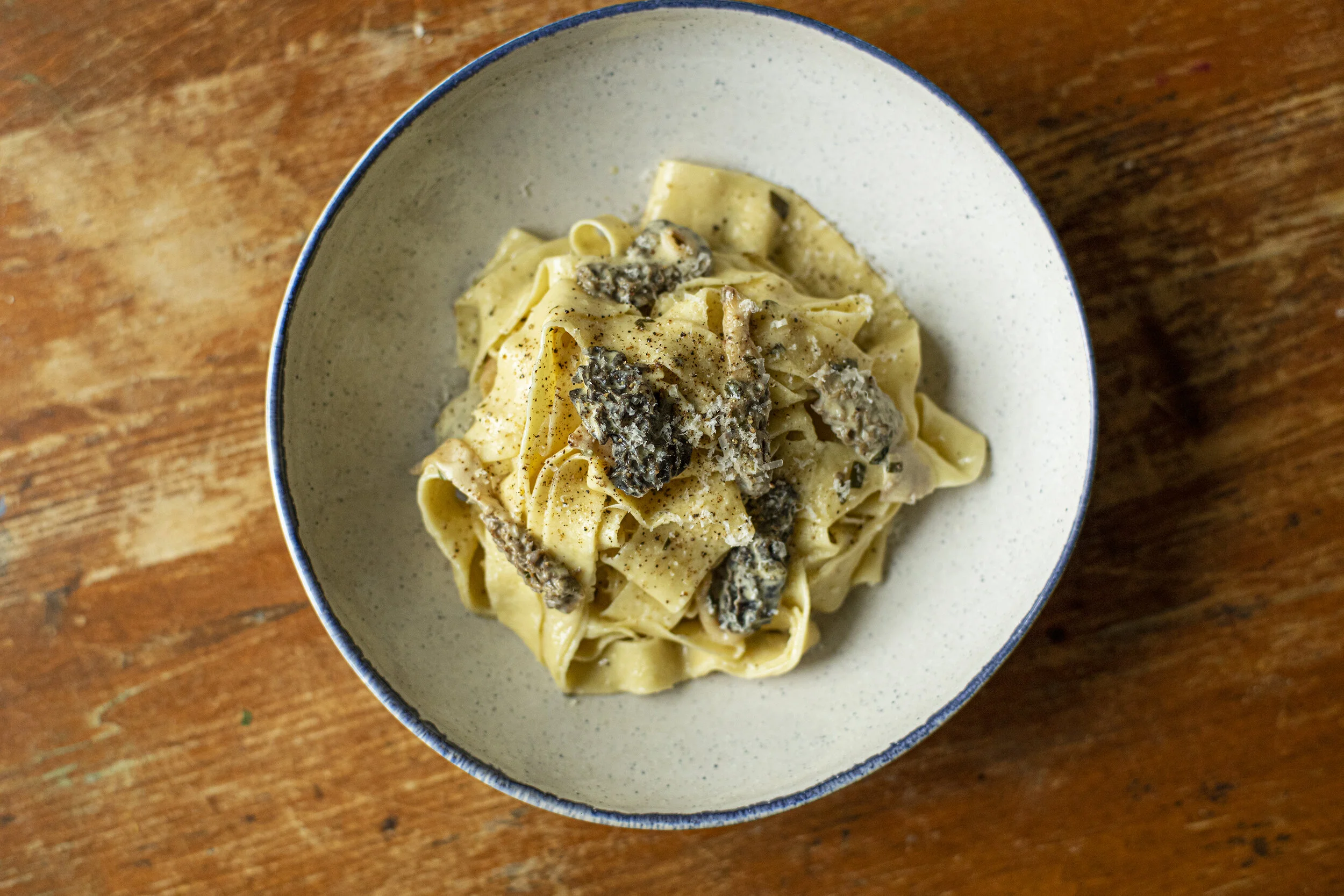
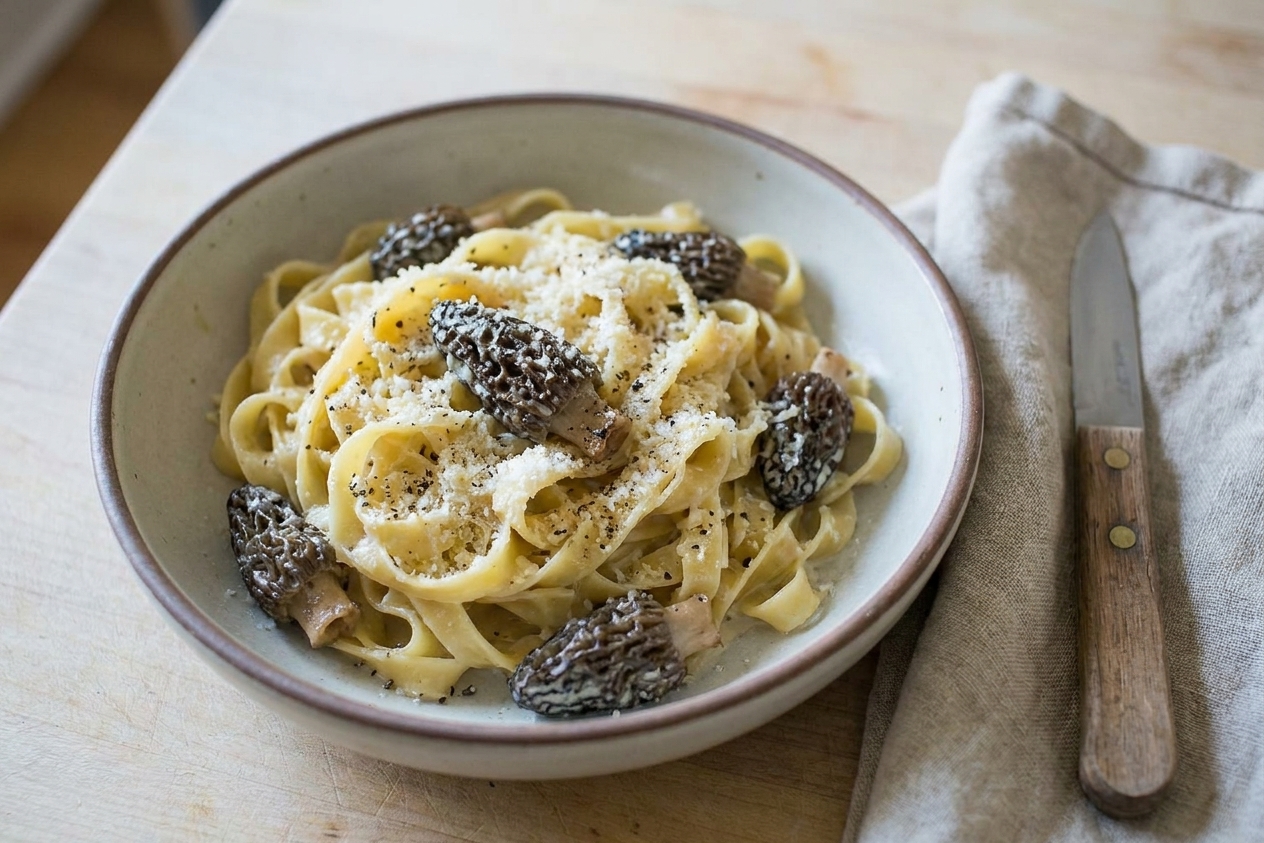
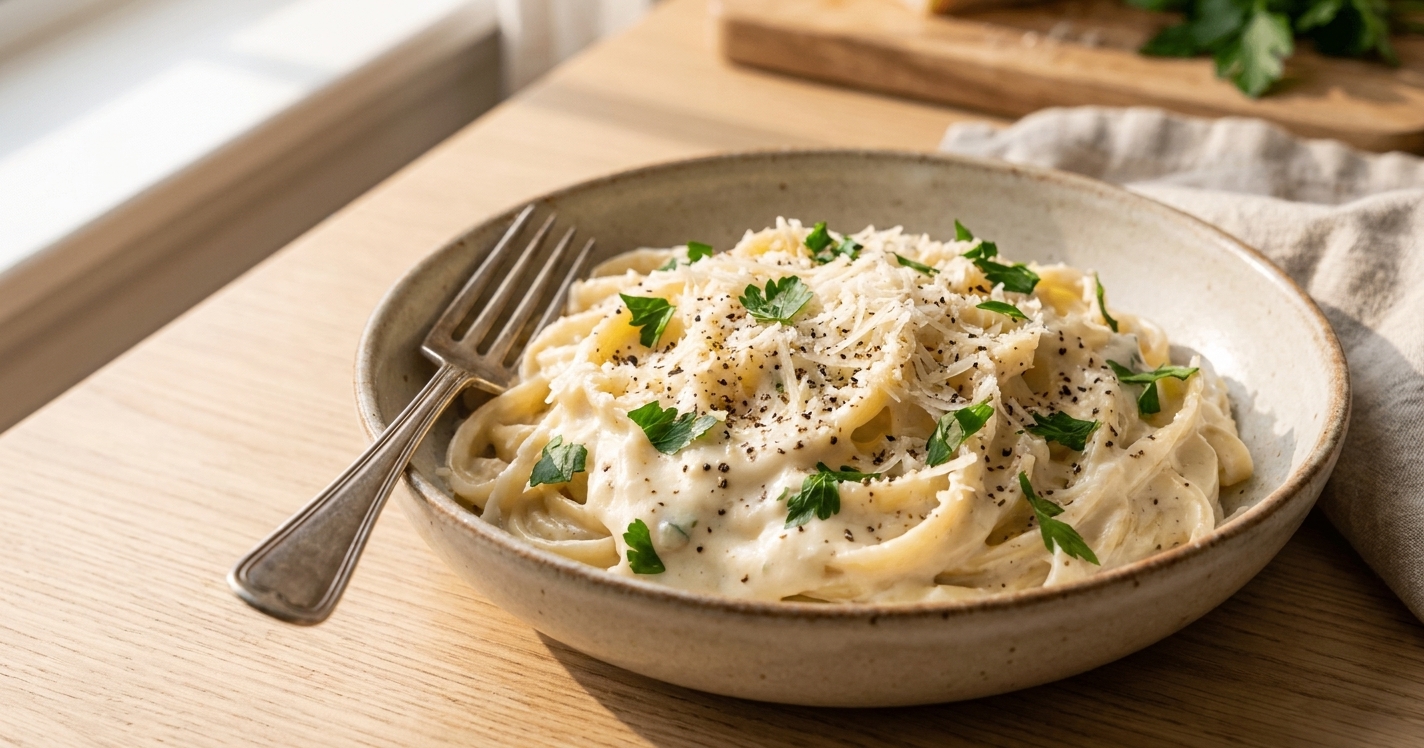
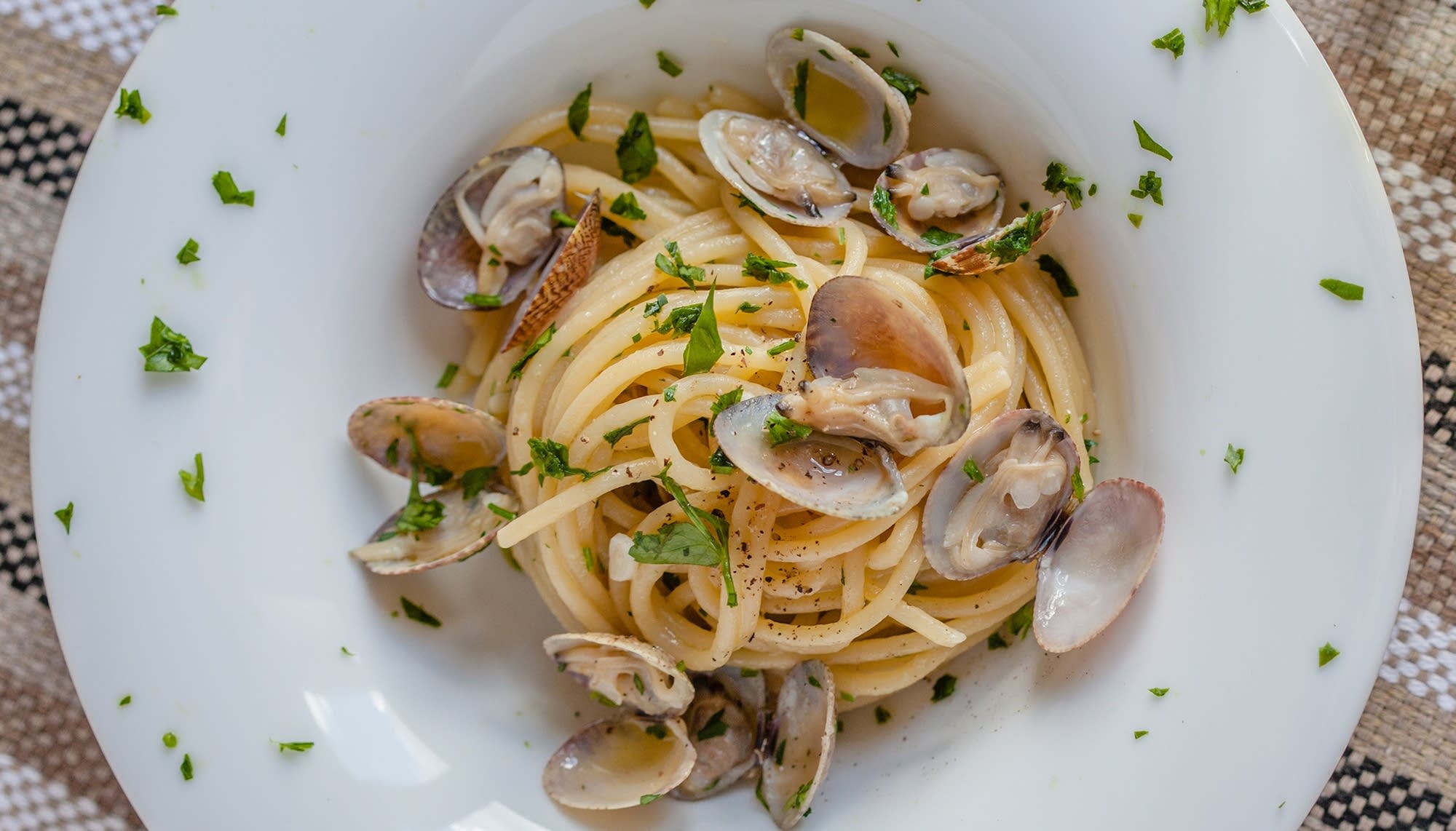
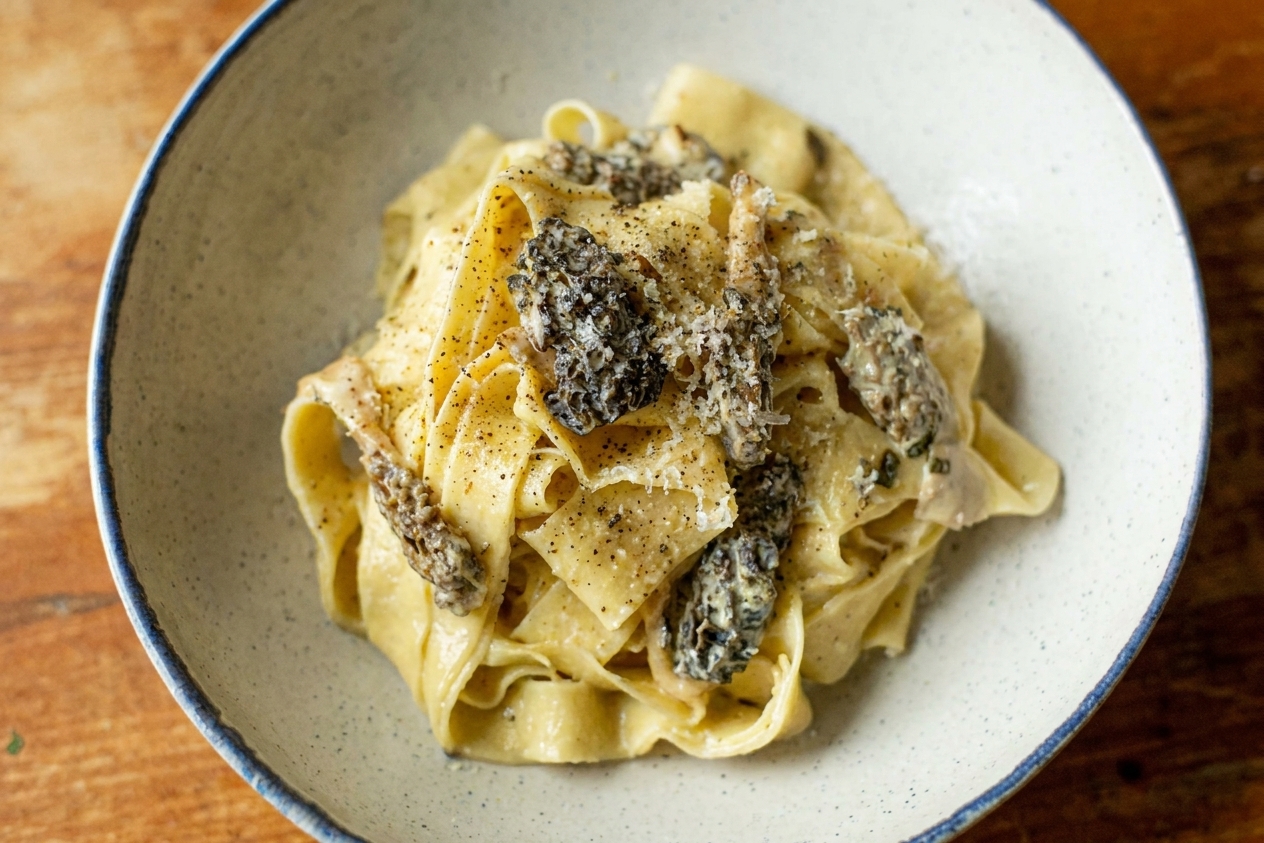
Tagliatelle, fettuccine, linguine, or pappardelle are perfect. The sauce is silky and loves wide noodles. In a pinch, spaghetti works great too.
My cream sauce looks greasy or split. Can I fix it?
Usually, yes. Pull the pan off the heat and stir in a splash of warm pasta water, a tablespoon at a time, until it emulsifies and turns glossy again. Keeping the heat medium-low when you add Parmesan also helps prevent splitting.