Mom's Best Recipes
Recipe

Creamy Salmon Chowder

Cozy, creamy chowder with tender salmon, potatoes, sweet corn, and a lemony dill finish.

Author By Matt Campbell
4.8
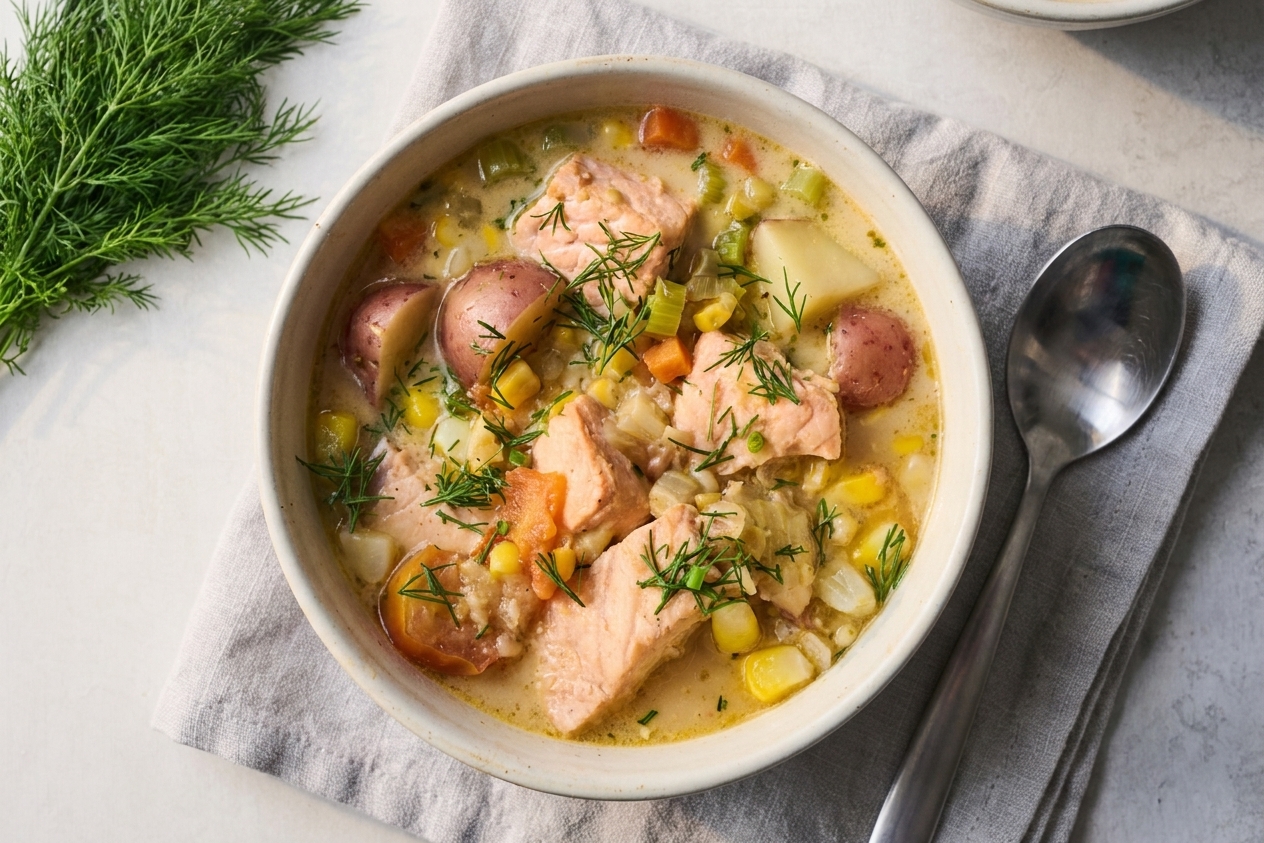
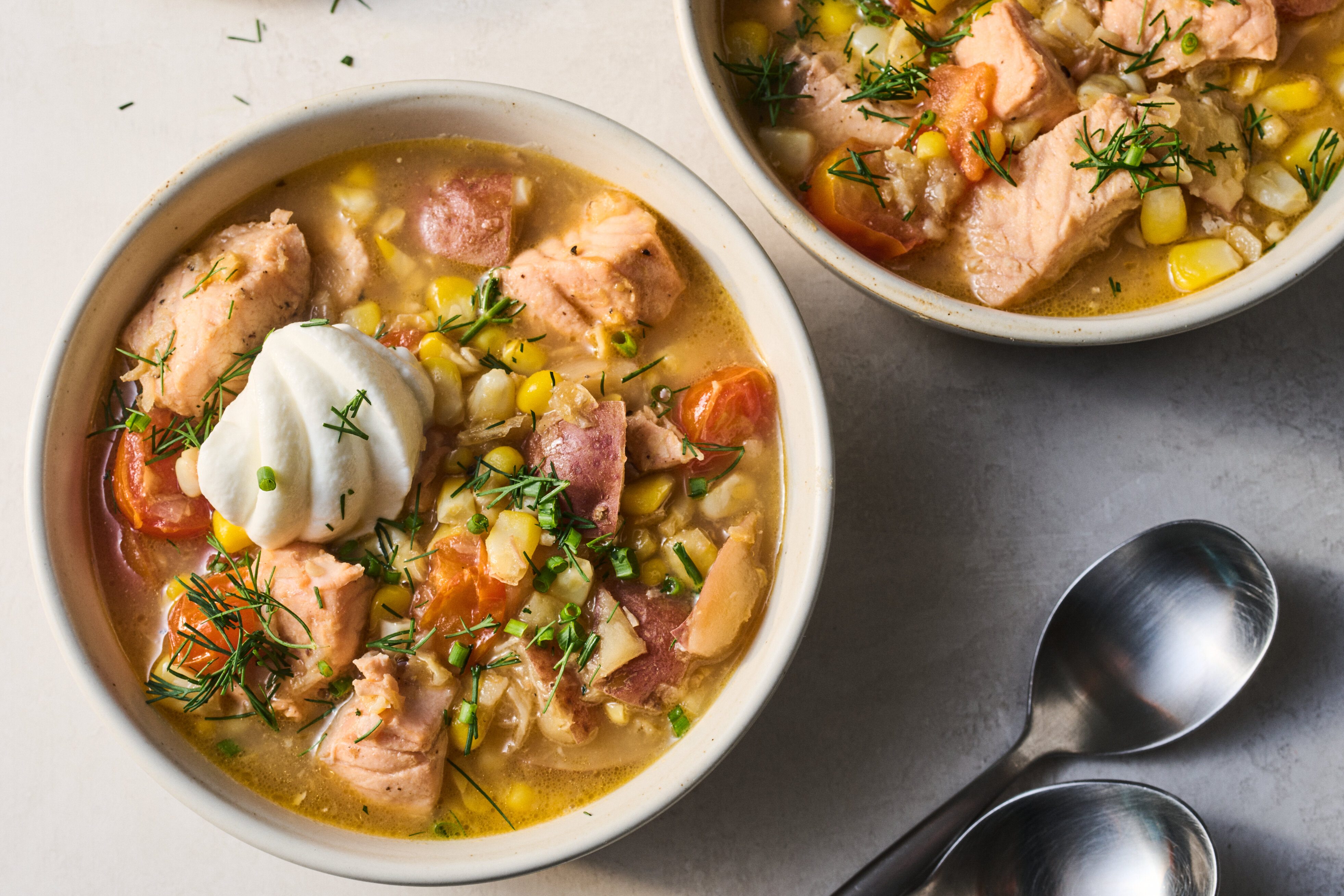
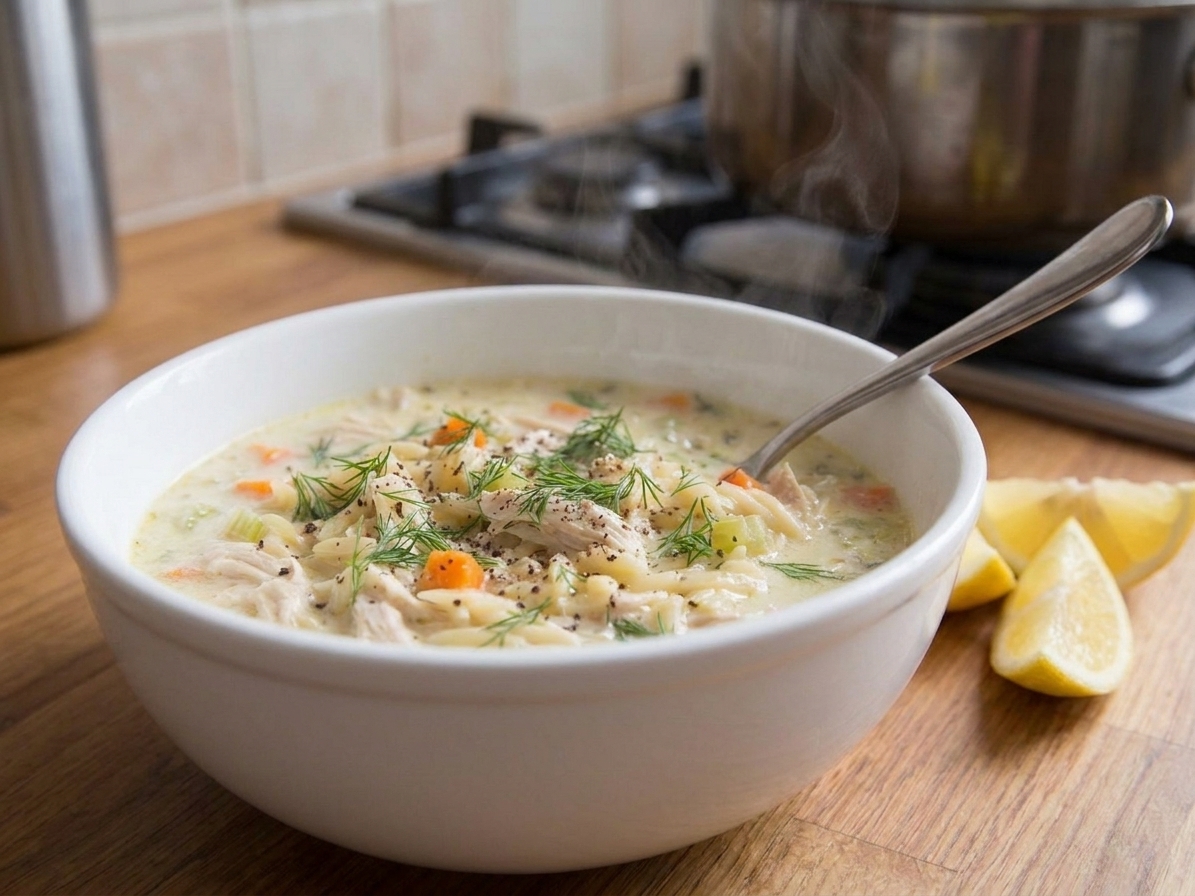
A steaming bowl of creamy salmon chowder with chunks of salmon, potatoes, and corn, topped with fresh dill and cracked black pepper on a wooden table with a spoon beside it

Salmon chowder is one of those meals that feels like you cooked all day, even if you absolutely did not. It is creamy without being heavy, loaded with cozy potatoes, and finished with a little lemon so every bite tastes alive instead of flat.

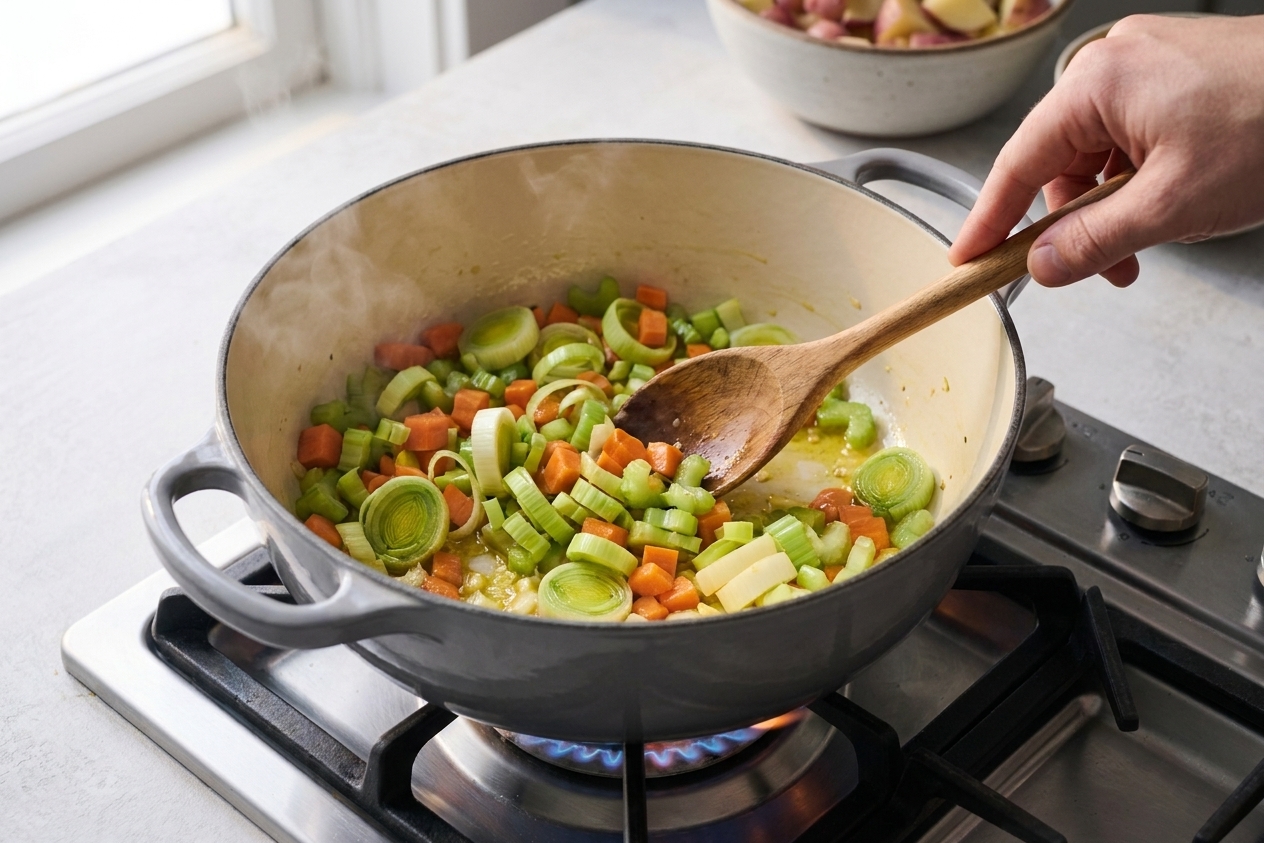
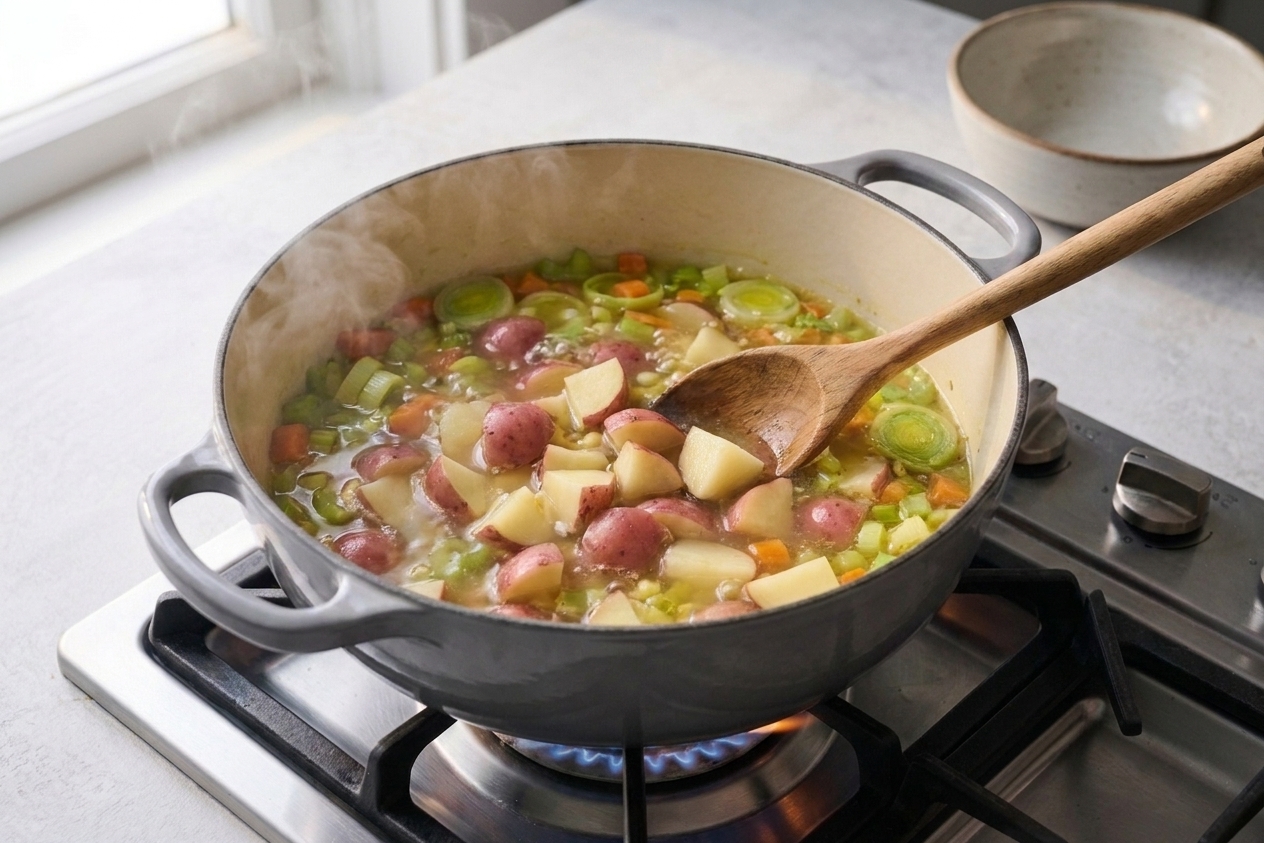
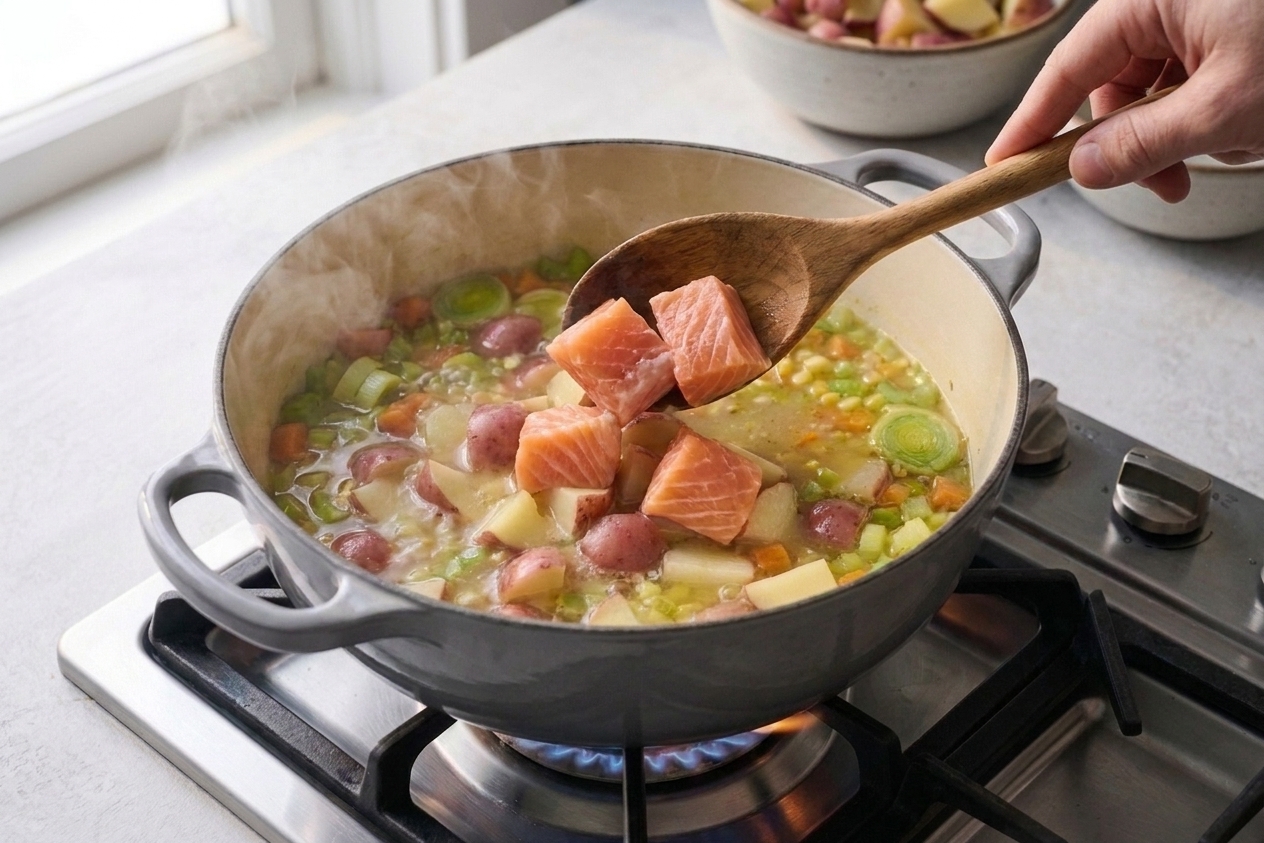
My version is weeknight-friendly and forgiving. You build a quick base with leeks (or onions), let the potatoes do some natural thickening, then gently poach the salmon right in the pot so it stays tender. This is the kind of soup that makes people hover near the stove “just to taste,” and honestly, I support that.
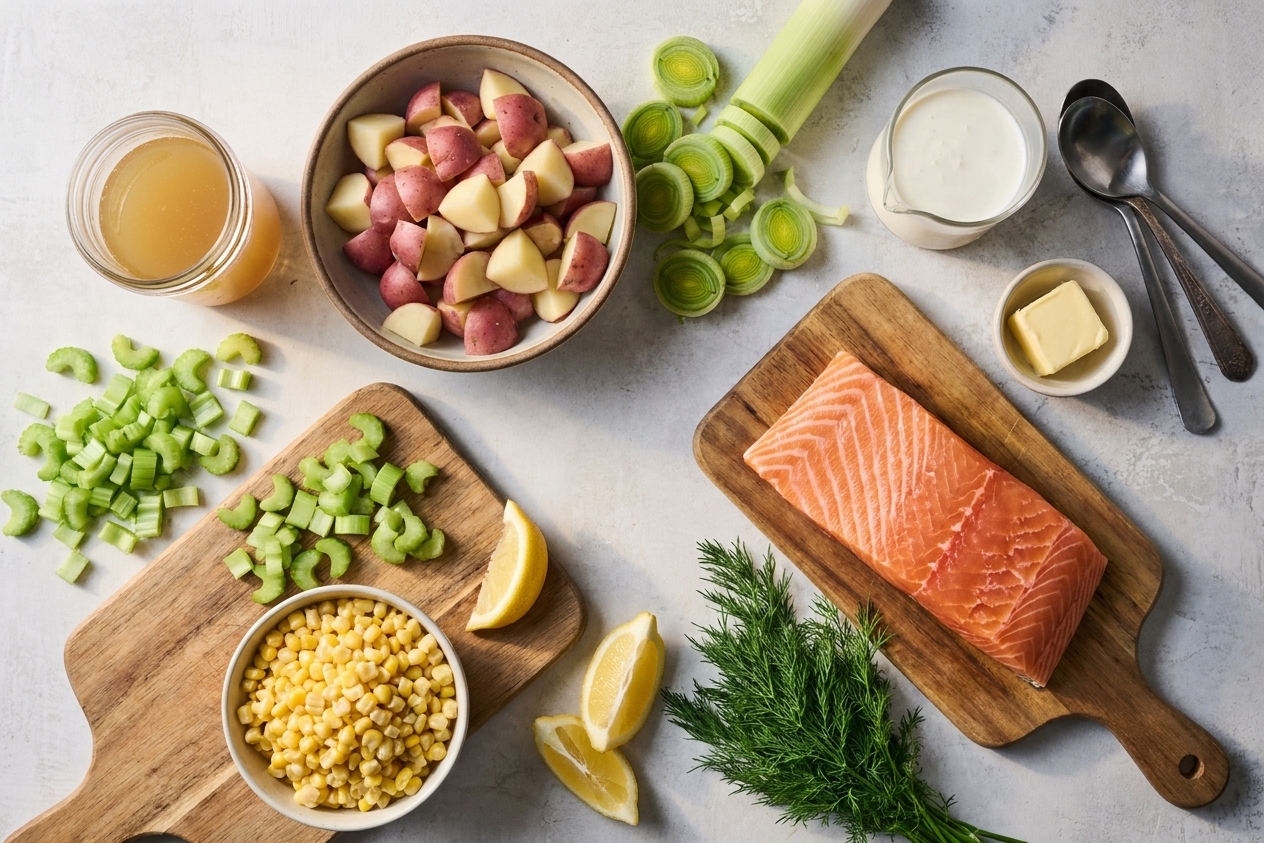
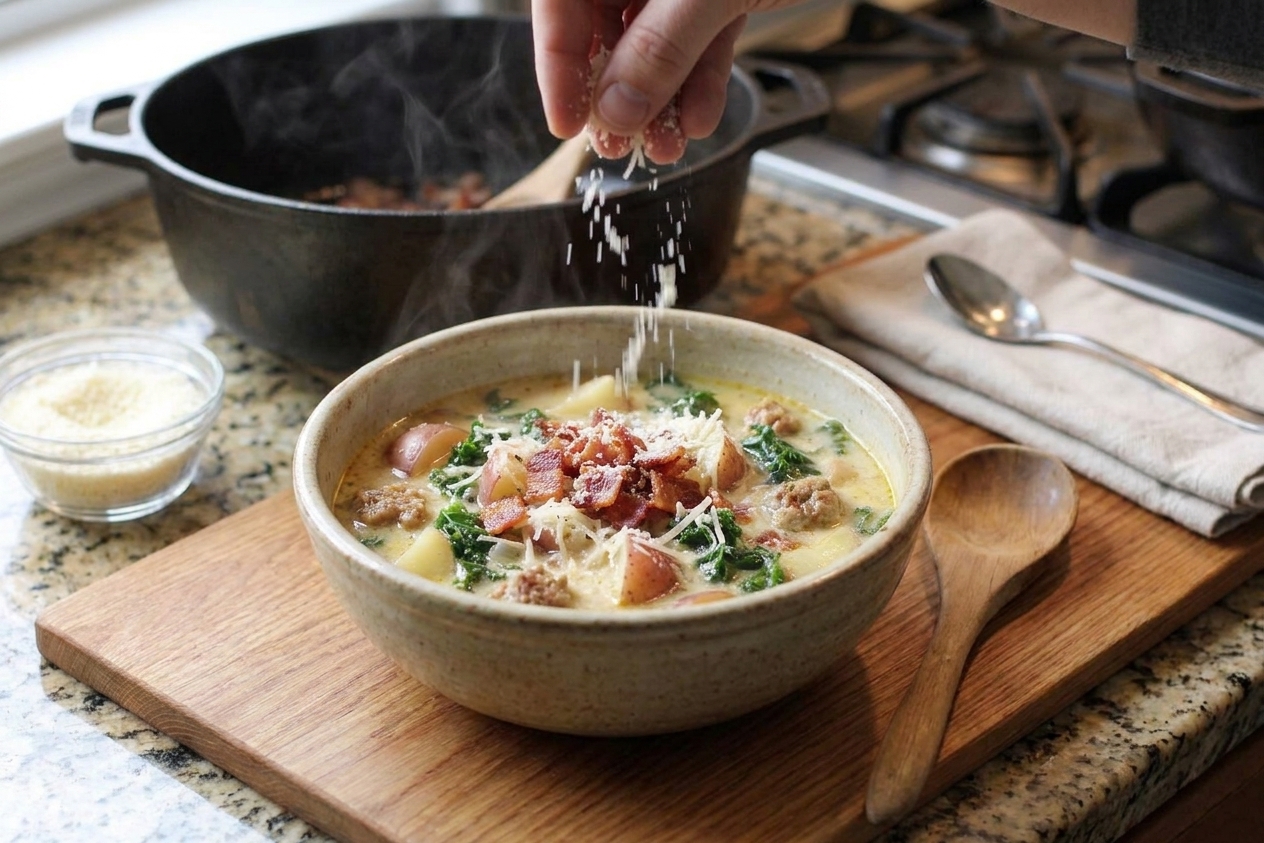
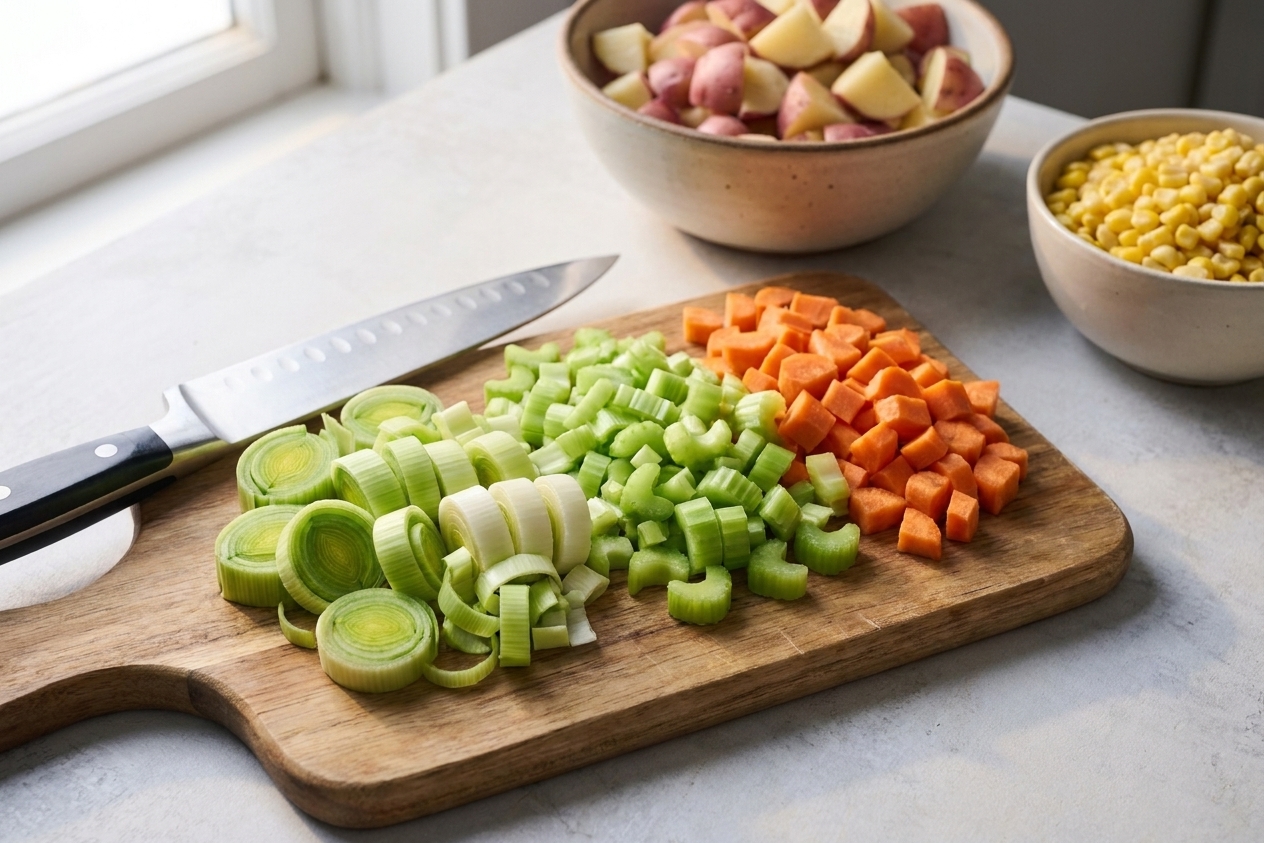
All ingredients for salmon chowder arranged on a bright kitchen counter, including salmon fillet, potatoes, leeks, corn, celery, broth, cream, lemon, and fresh dill

Why It Works

  • Salmon stays juicy: We add it near the end and cook it gently, so it flakes instead of drying out.
  • Thick, creamy texture without fuss: Potatoes and a small flour step give body, then a splash of cream finishes it.
  • Flavor that pops: A bay leaf, a little Old Bay (or smoked paprika), and lemon at the end keep it bright.
  • One pot, low drama: Minimal dishes and clear timing, which is exactly how chowder should behave.

Pairs Well With

Storage Tips

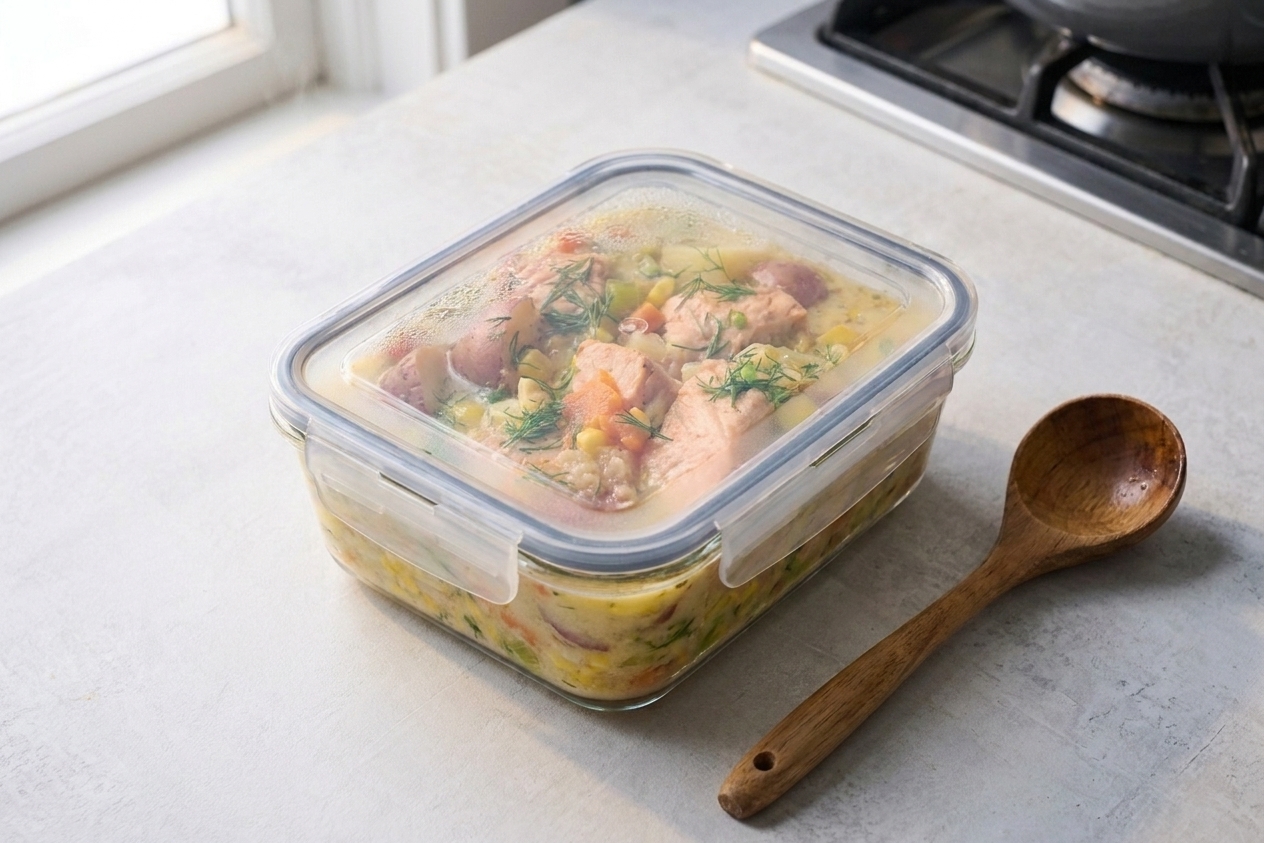
Refrigerate: Cool chowder quickly, then store in an airtight container for up to 3 days.

Reheat gently: Warm over low to medium-low heat, stirring often. Avoid a hard boil, which can make salmon tough and can cause cream to separate.

Freezing note: Cream-based soups can get a little grainy after freezing. If you want to freeze, do it anyway, just expect a texture change. For best results, freeze the chowder before adding cream, then add cream when reheating. Freeze up to 2 months.

A sealed glass meal prep container filled with salmon chowder cooling on a kitchen counter next to a small ladle

Common Questions

Can I use canned salmon?

Yes. Stir in drained canned salmon at the very end and heat just until warmed through. It will be more broken up than fresh salmon, but still delicious.

What kind of salmon is best?

Any works. I like sockeye for stronger salmon flavor and Atlantic for a richer, buttery bite. Just aim for a thicker fillet so it does not overcook instantly.

Can I make it dairy-free?

You can swap the butter for olive oil and use full-fat coconut milk or an unsweetened dairy-free creamer. Finish with lemon to keep it balanced. It will taste different, but still cozy.

How do I thicken chowder if it feels thin?

Two easy fixes: mash a few potato chunks against the side of the pot and stir them in, or simmer uncovered for a few minutes. If you want a stronger fix, whisk 1 tablespoon cornstarch with 2 tablespoons cold water and stir it in while simmering.

Why did my chowder curdle?

Usually high heat. Keep it at a gentle simmer and add the cream near the end. If it looks slightly split, take it off the heat and whisk in a tablespoon or two of cold cream to help bring it back together.

I originally went chasing the culinary degree route, then realized I learned faster by just cooking, messing up, fixing it, and cooking again. Chowder became one of my favorite “practice” dishes because it teaches you everything without being precious: sweating aromatics, building body, seasoning in layers, and knowing when to stop cooking fish so it stays tender.

This salmon chowder is the one I make when I want comfort but I also want a little edge, like the bright hit of lemon that makes you take another spoonful even though you are already full.