Mom's Best Recipes
Recipe

Creamy Stone-Ground Cheese Grits

Slow-stirred stone-ground grits with butter, cream, and a flexible cheese blend for a rich, spoon-coating bowl.

Author By Matt Campbell
4.8
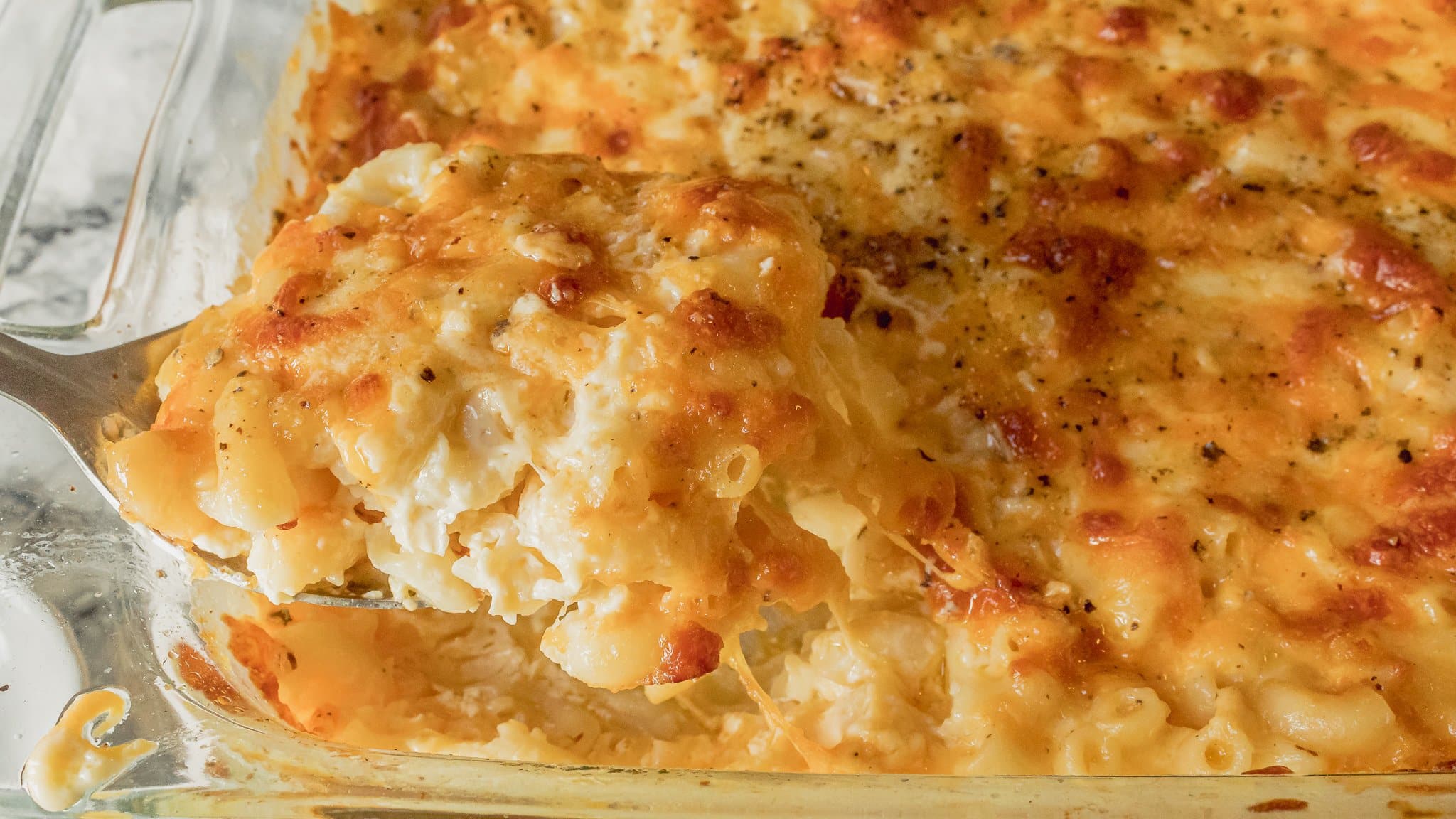
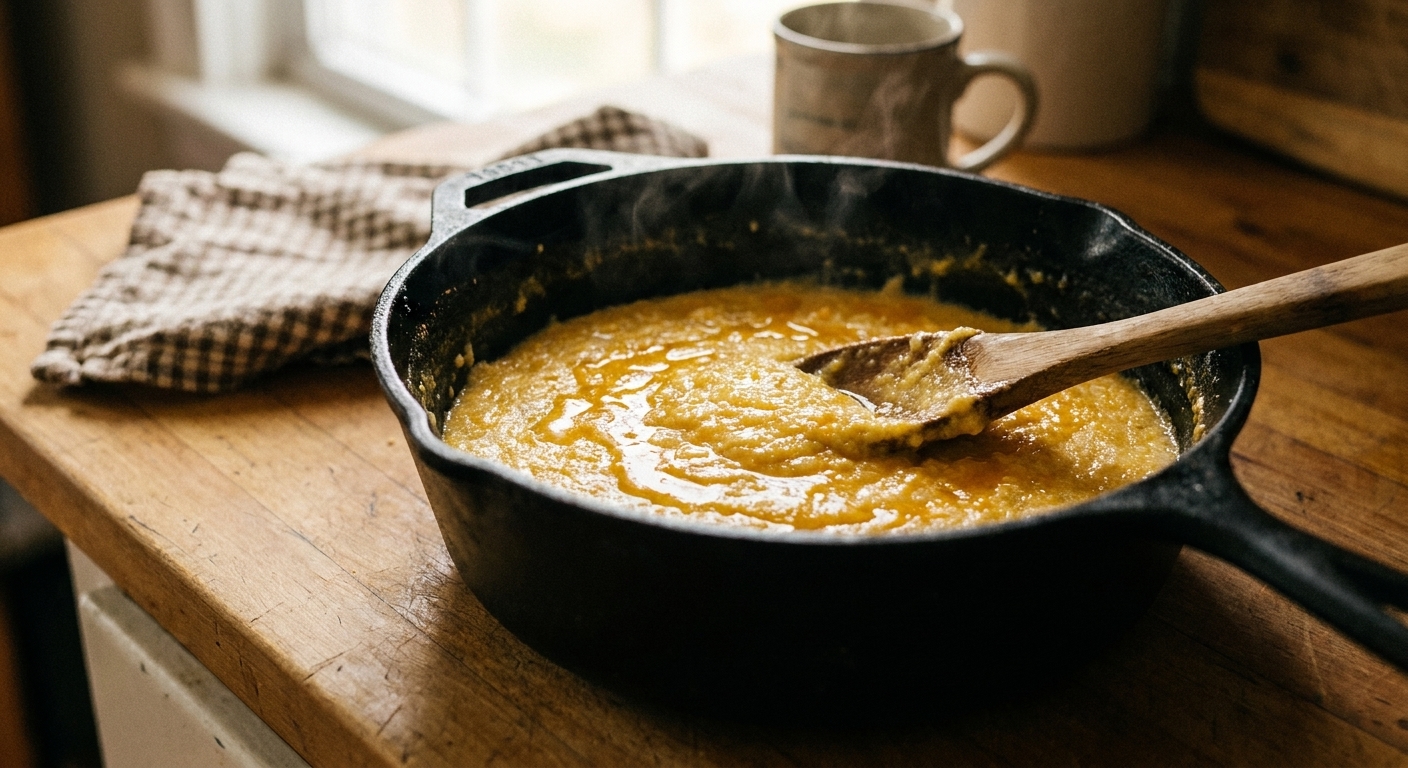
A close-up photograph of creamy stone-ground cheese grits in a black pot with a wooden spoon, glossy from butter and melted cheddar, on a warm kitchen counter

If shrimp and grits is the loud friend who shows up wearing sunglasses indoors, cheese grits are the cozy one who brings you a blanket and insists you sit down for a second. Same general family, totally different vibe.

These are creamy stone-ground cheese grits that taste like you put in way more effort than you actually did. We go low and slow, stir just enough, and finish with butter, cream, and a cheese situation you can customize based on what is in your fridge.

Stone-ground grits take longer than quick grits, but the payoff is real: deeper corn flavor, a better texture, and that satisfying, spoon-coating richness that makes you pause mid-bite like, okay wow.

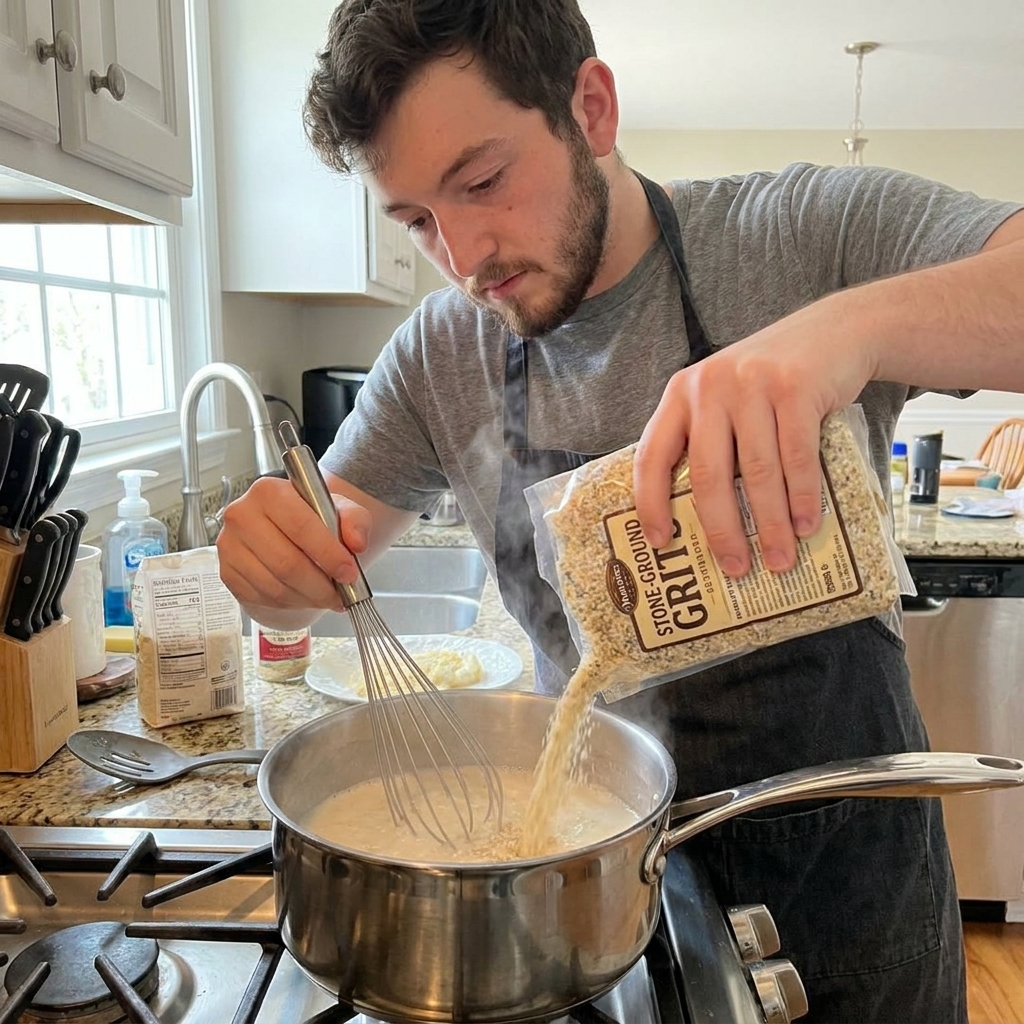
A real kitchen photo of a saucepan on a stovetop as someone whisks stone-ground grits into simmering milk and water to prevent lumps

Why It Works

  • Stone-ground texture that stays creamy: Slow hydration plus a gentle simmer keeps the grits tender without turning gluey.
  • No-lumps method: A whisk at the start and steady sprinkling means smooth grits early on. If lumps still happen, I give you a quick rescue.
  • Cheese that tastes like something: We use a blend approach so you get sharp flavor plus meltability, not a greasy layer on top. Shredding your own cheese helps, too.
  • Not shrimp and grits: This is a breakfast, brunch, or side dish base. You can dress it up, but it is intentionally not a surf and turf situation.

Pairs Well With

Storage Tips

How to Store and Reheat

Cheese grits thicken up in the fridge. That is normal. The best method is to reheat with a little extra liquid and bring them back to life.

Food safety note: Cool grits quickly and refrigerate within 2 hours. Reheat until hot and steaming throughout.

Fridge

  • Cool, then store in an airtight container for up to 3 to 4 days.

Freezer

  • You can freeze cooked grits for best quality for 1 to 2 months.
  • Freeze in portions. Thaw overnight in the fridge for best texture.

Reheat

  • Stovetop (best): Add grits to a saucepan with a splash of milk, water, or broth. Warm over low heat, stirring often, until creamy again. Add a small knob of butter at the end if you want them extra glossy.
  • Microwave (fast): Add a splash of liquid, cover, and heat in 30 second bursts, stirring each time.

Tip: If they seem grainy after reheating, they usually just need more time and a bit more liquid. If they still will not smooth out, whisk vigorously and consider adding a small splash of cream at the end.

Common Questions

Common Questions

What is the difference between stone-ground grits and quick grits?

Stone-ground grits are ground in a way that keeps more texture and a stronger corn flavor, and they usually take longer to cook. Quick grits are more processed to cook faster, which can mean a softer, less distinctive texture. For this recipe, stone-ground is the point.

Do stone-ground grits always take 30 to 35 minutes?

Not always. Some brands need a little more liquid and can take up to 45 minutes. Cook them until the grains are fully tender and the pot looks creamy and relaxed, then adjust with hot liquid as needed.

Can I make these with all water instead of milk?

Yes. They will be less rich, but still good. Use water or broth and finish with butter and a little extra cheese. If you have any dairy at all, even a small splash of milk or cream at the end helps.

How do I prevent lumps in grits?

Bring your liquid to a gentle simmer, then slowly rain in the grits while whisking. Keep whisking for the first minute, then switch to a spoon and stir often as they cook.

Help, I already have lumps. How do I fix them?

Two easy saves: whisk vigorously for 30 to 60 seconds, or use an immersion blender for a few quick pulses. If the grits are too thick to smooth out, add a splash of hot liquid and whisk again.

What cheeses melt best in grits?

For creamy melt: white American, fontina, mozzarella, or Monterey Jack. For flavor: sharp cheddar, smoked gouda, Parmesan, or pecorino. I like a blend so you get both. For the smoothest melt, shred your own cheese if you can. Pre-shredded cheese can melt a little grainy because of anti-caking agents.

Are cheese grits the same as shrimp and grits?

Nope. Shrimp and grits is a full dish with sauce, seasoning, and usually a savory topping. Cheese grits are a base and a comfort side. You can add things, but the intent is different.

I love shrimp and grits, but sometimes I do not want a whole production. I just want a bowl of something warm that tastes like it has my back. Cheese grits do that. They are the kind of food you can make half-asleep on a Saturday morning, then accidentally keep taste testing until breakfast turns into brunch.

My favorite part is the moment the grits finally relax, when the spoon drags through the pot and the whole thing looks glossy and calm. That is when I start adding cheese like I am conducting an orchestra. A little sharp cheddar for punch, something melty for the vibe, and enough butter to make future me feel appreciated.