Mom's Best Recipes
Recipe

Creamy Stovetop Mac and Cheese

Silky cheddar sauce, cozy noodles, and optional buttery crumbs for crisp edges without turning on the oven.

Author By Matt Campbell
4.8
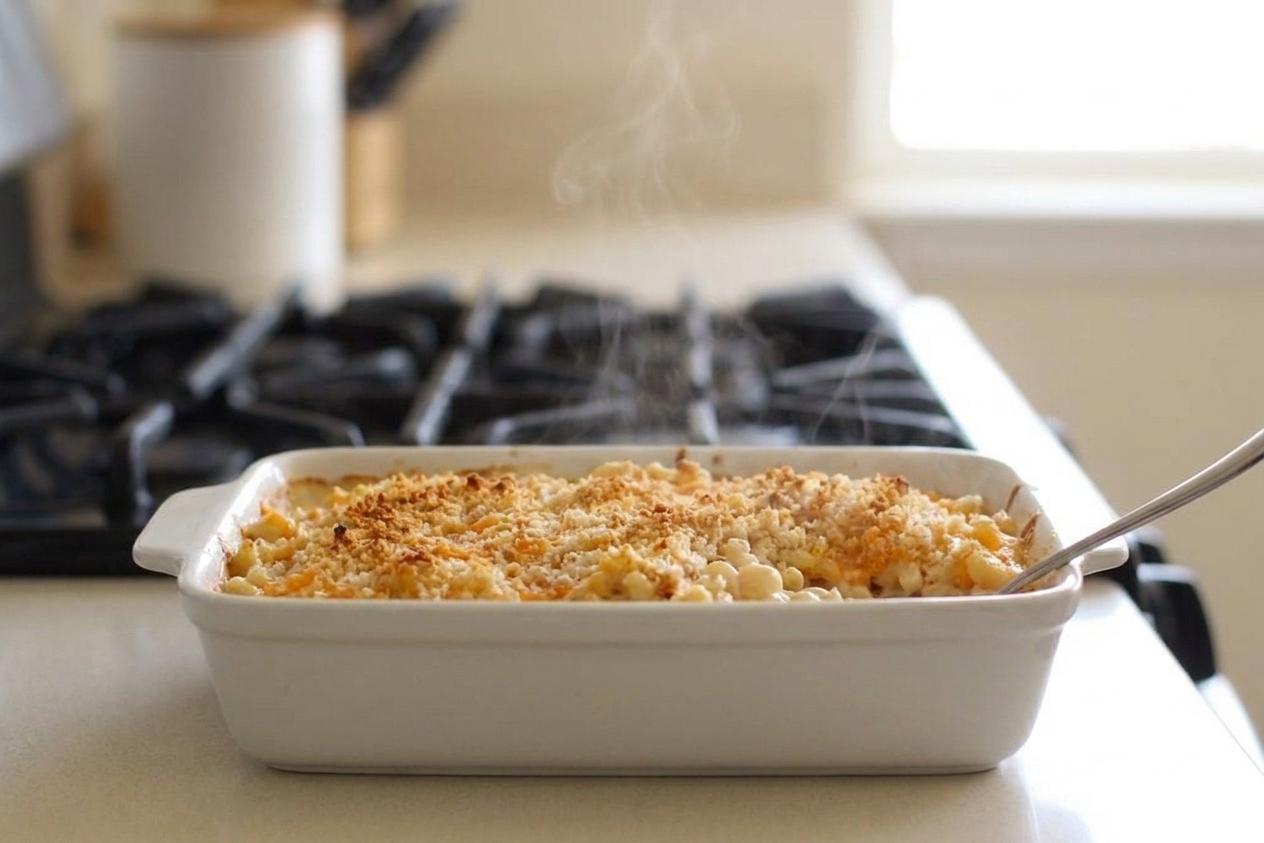
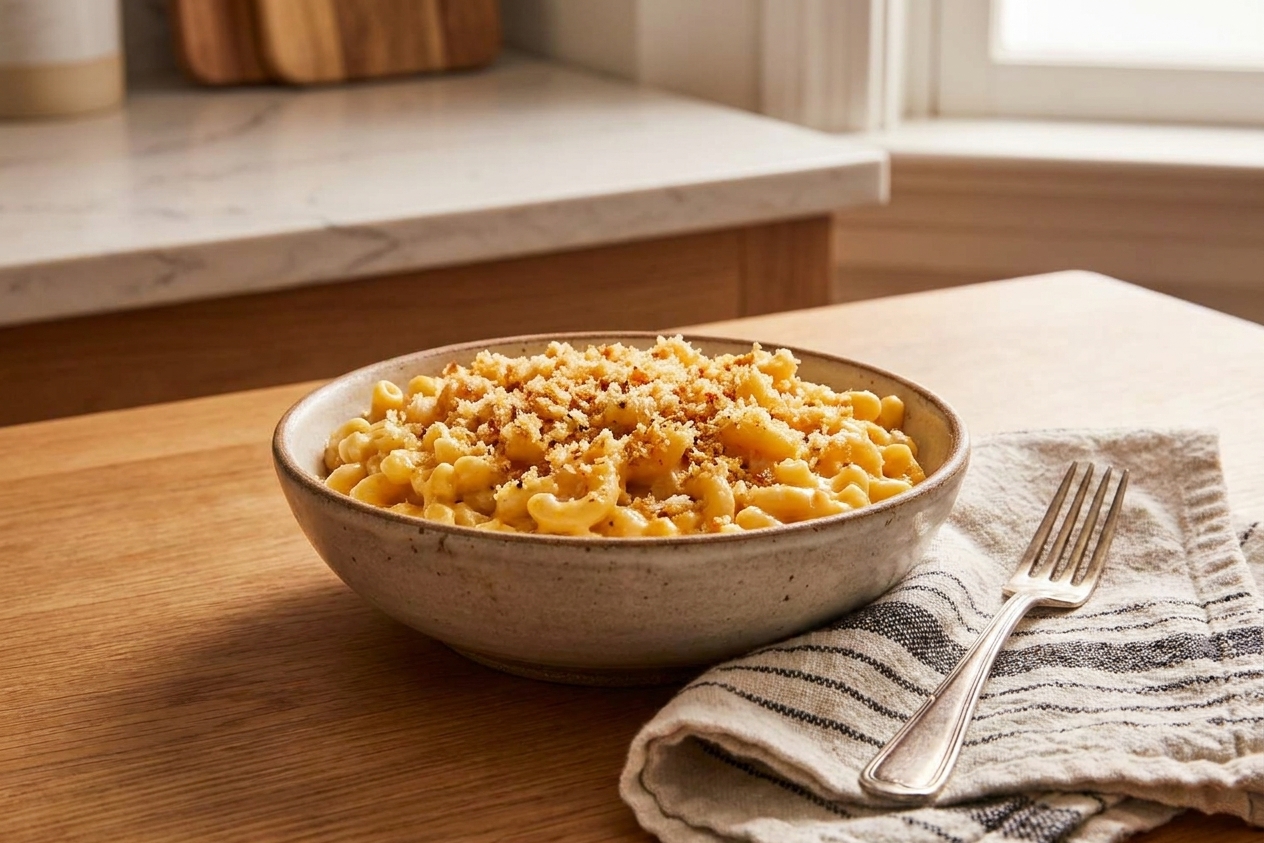
A cast iron skillet filled with creamy stovetop mac and cheese, topped with toasted buttery breadcrumbs, sitting on a warm-toned kitchen counter under soft natural light

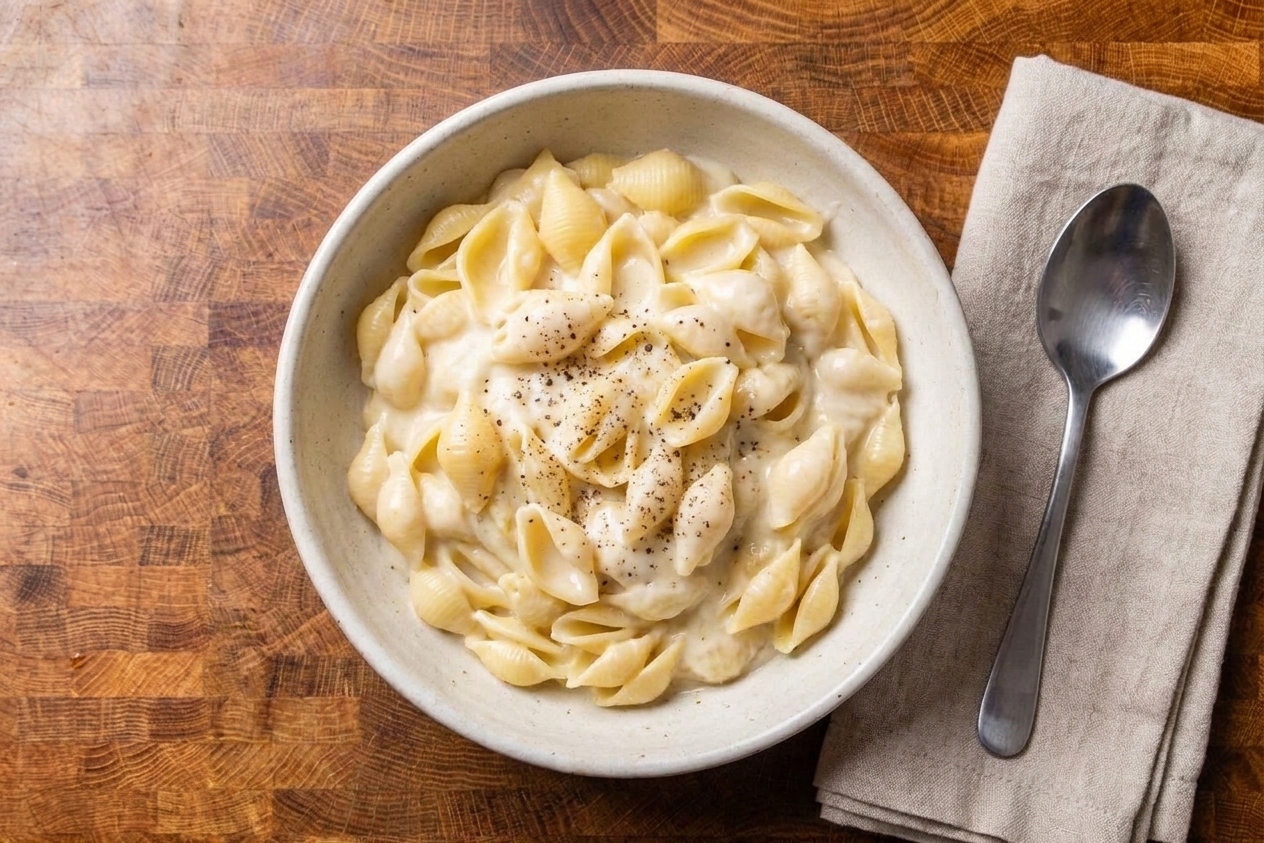
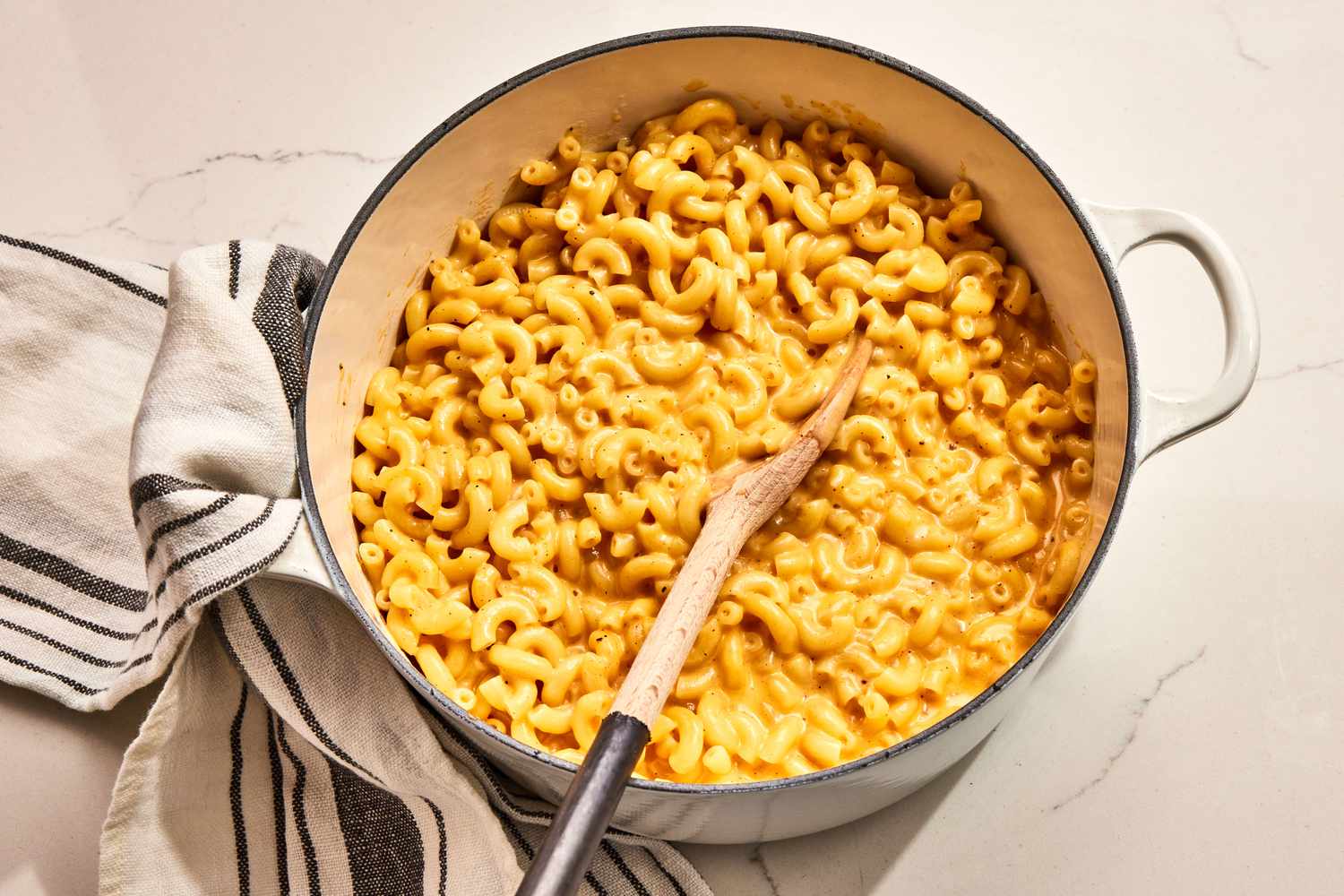
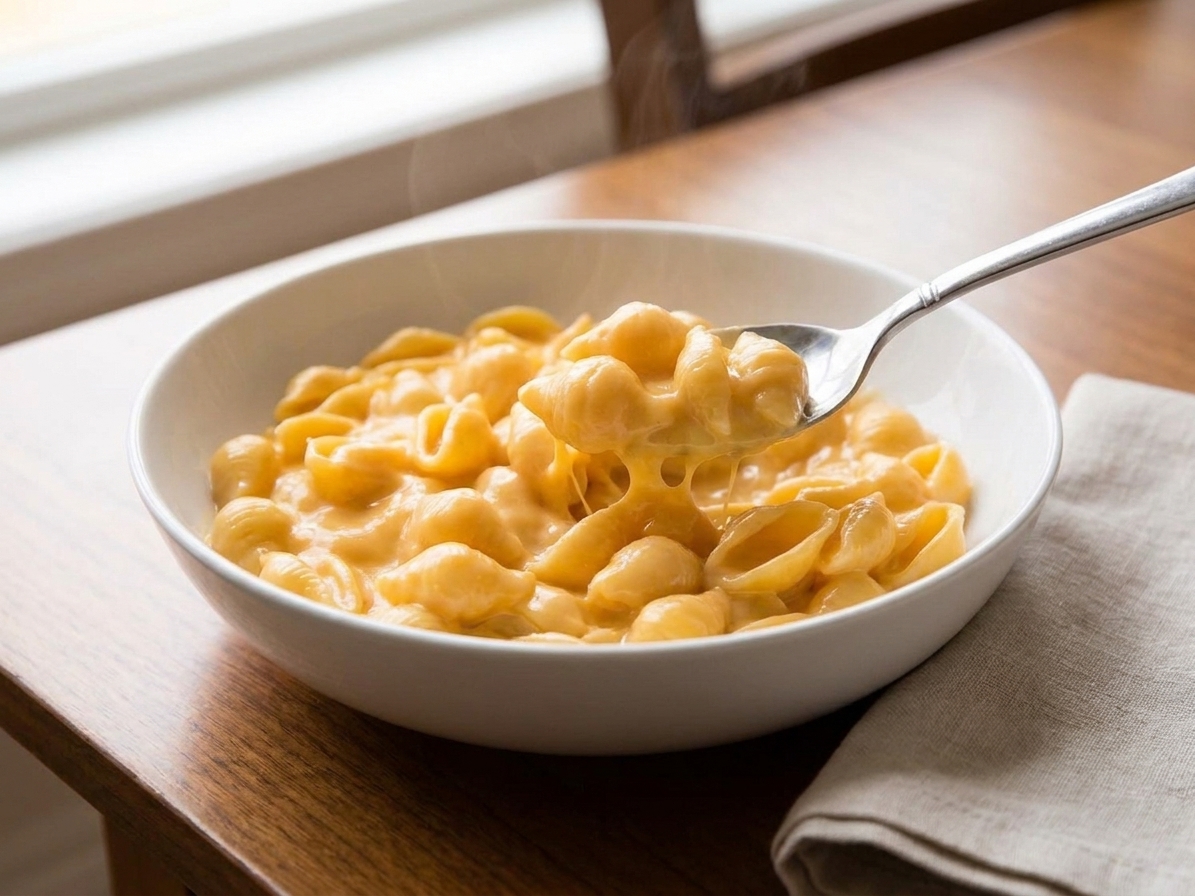
Some comfort foods are a whole production. This one is the opposite. It is creamy, glossy, aggressively cozy mac and cheese that tastes like you tried harder than you did. The sauce is built fast (but not rushed), the cheddar melts smooth (no sad grainy situation), and the whole thing lands in that sweet spot of bright and rich thanks to a tiny hit of Dijon and optional hot sauce.

This is the version I keep coming back to when I want a meal that feels like a hug but still has personality. Think: velvety sauce, cozy carbs, and if you go for the crumb topping, those little crisp edges that make you pause mid-bite like, okay wow.
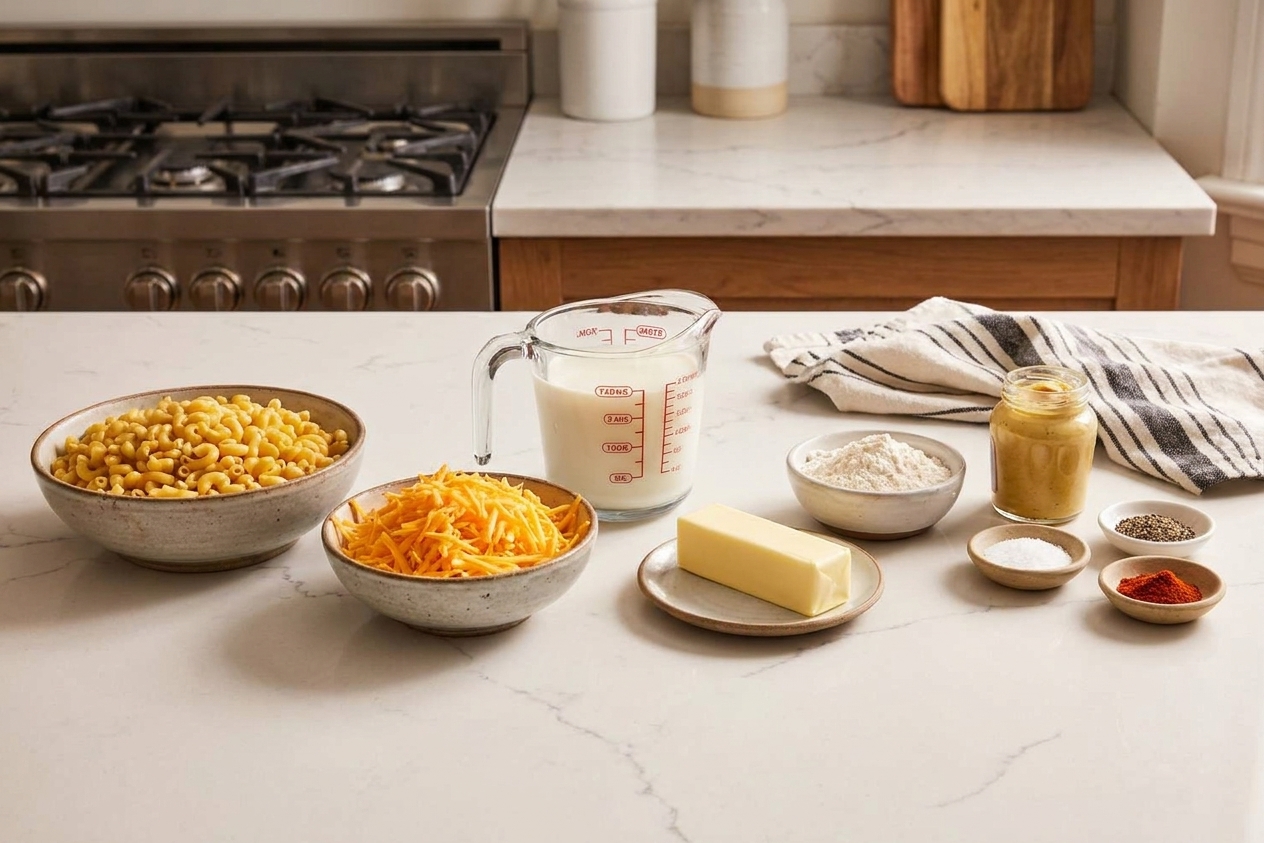
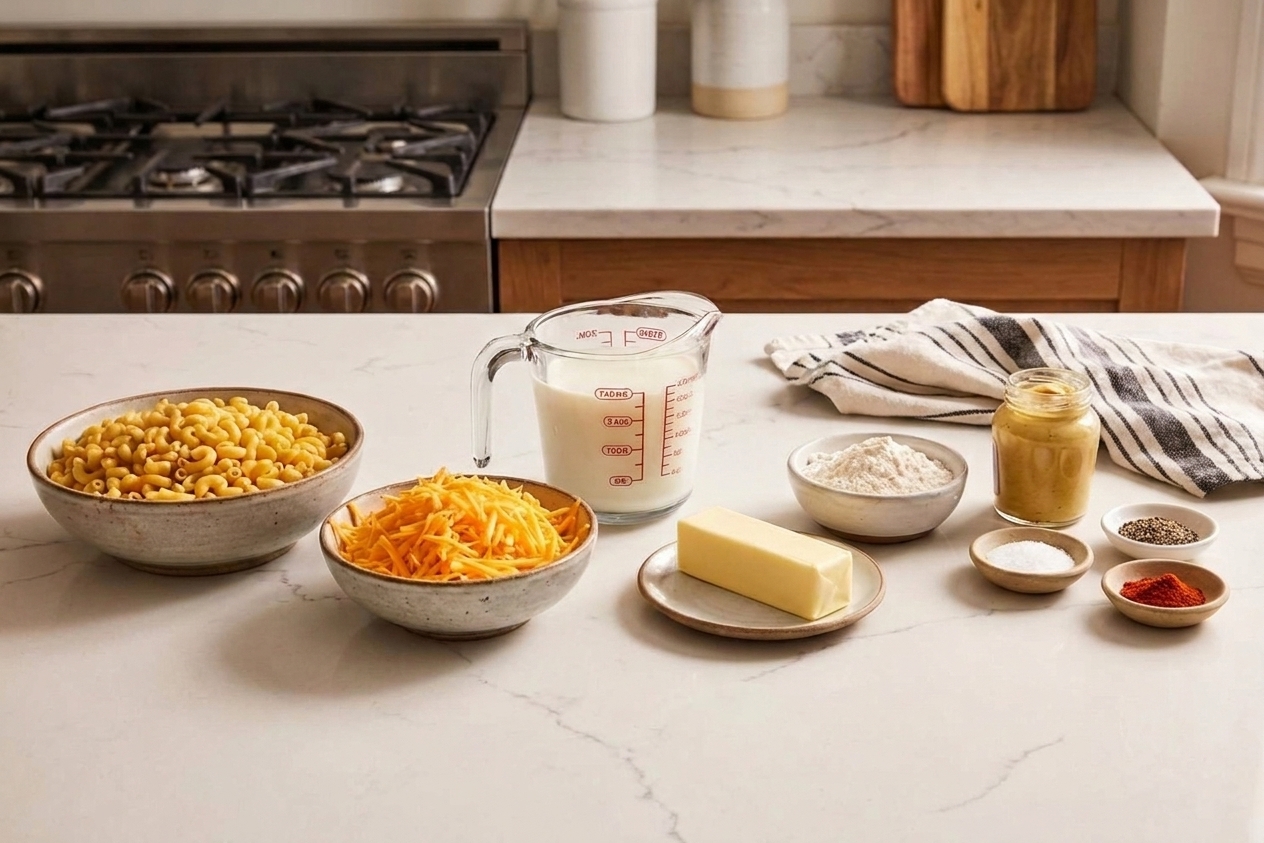
A neat lineup of ingredients for mac and cheese including elbow macaroni, shredded cheddar, milk, butter, flour, Dijon mustard, and seasonings on a clean kitchen counter in warm light

Why It Works

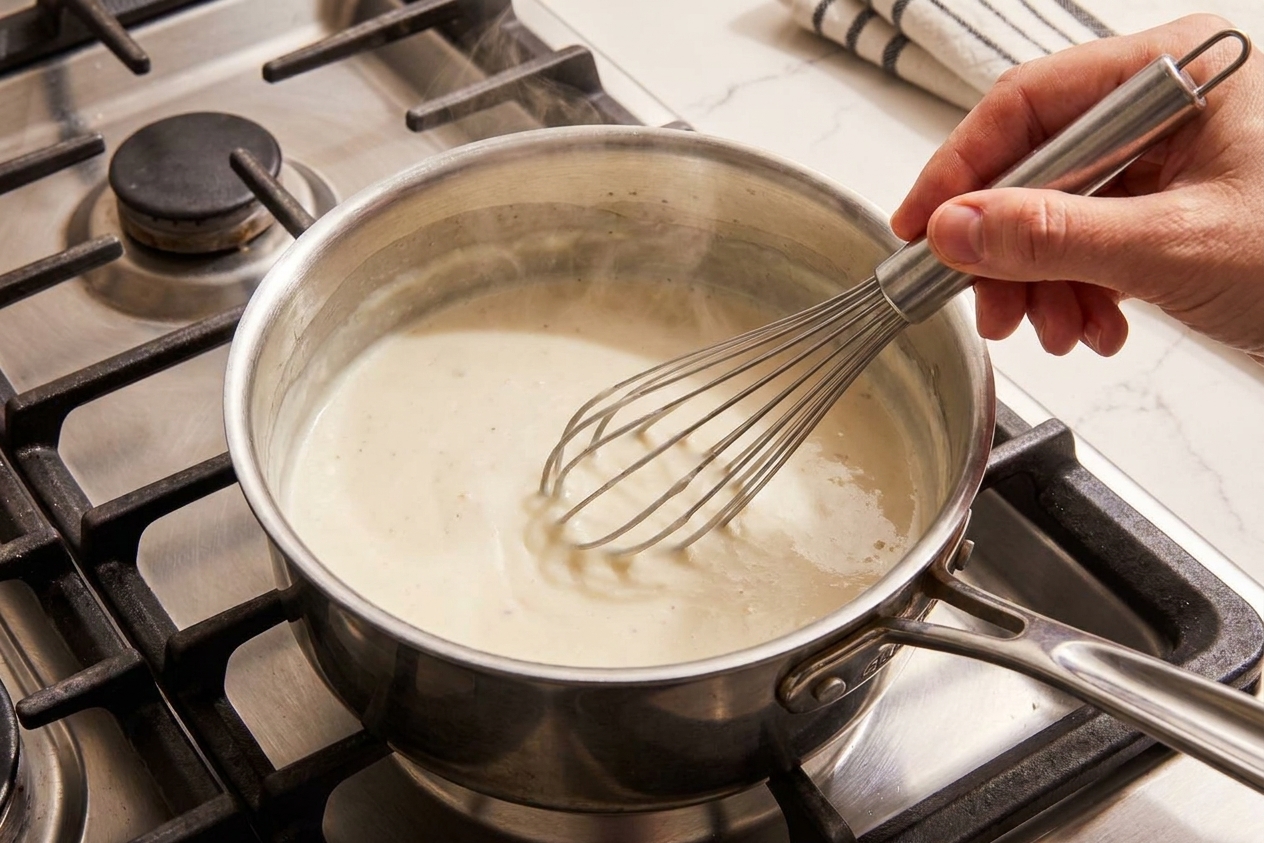
  • Stovetop sauce that stays smooth: A quick roux plus gentle heat keeps things glossy. Turn the burner off if the pot feels too hot when you add the cheese, and avoid boiling after the cheese goes in.
  • Big flavor with normal ingredients: Sharp cheddar, a little Dijon, and garlic powder give you that restaurant-style pop without fancy stuff.
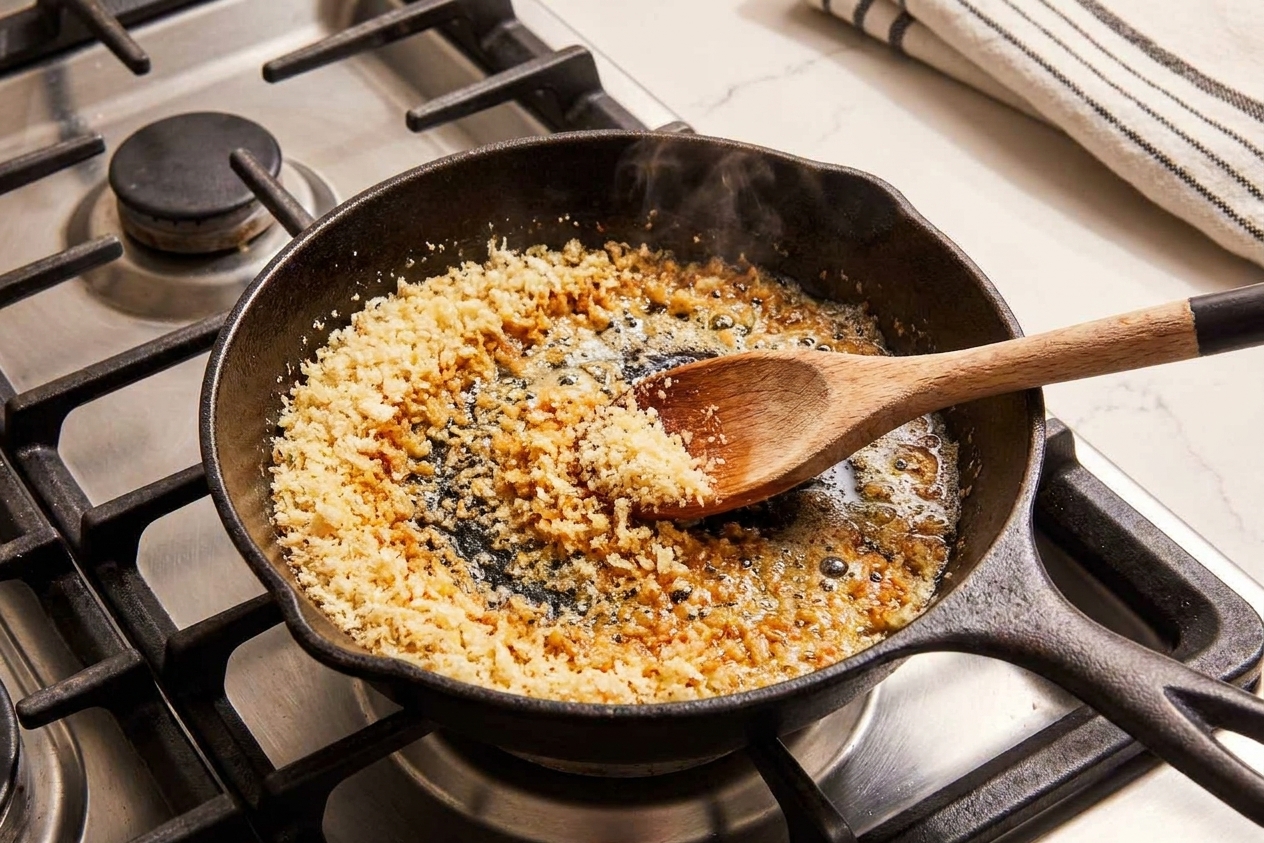
  • Optional crunch without baking: Toasted buttery breadcrumbs deliver the crisp-edge vibe in minutes.
  • Weeknight flexible: Works with elbows, shells, cavatappi, or whatever pasta you have.

Pairs Well With

Storage Tips

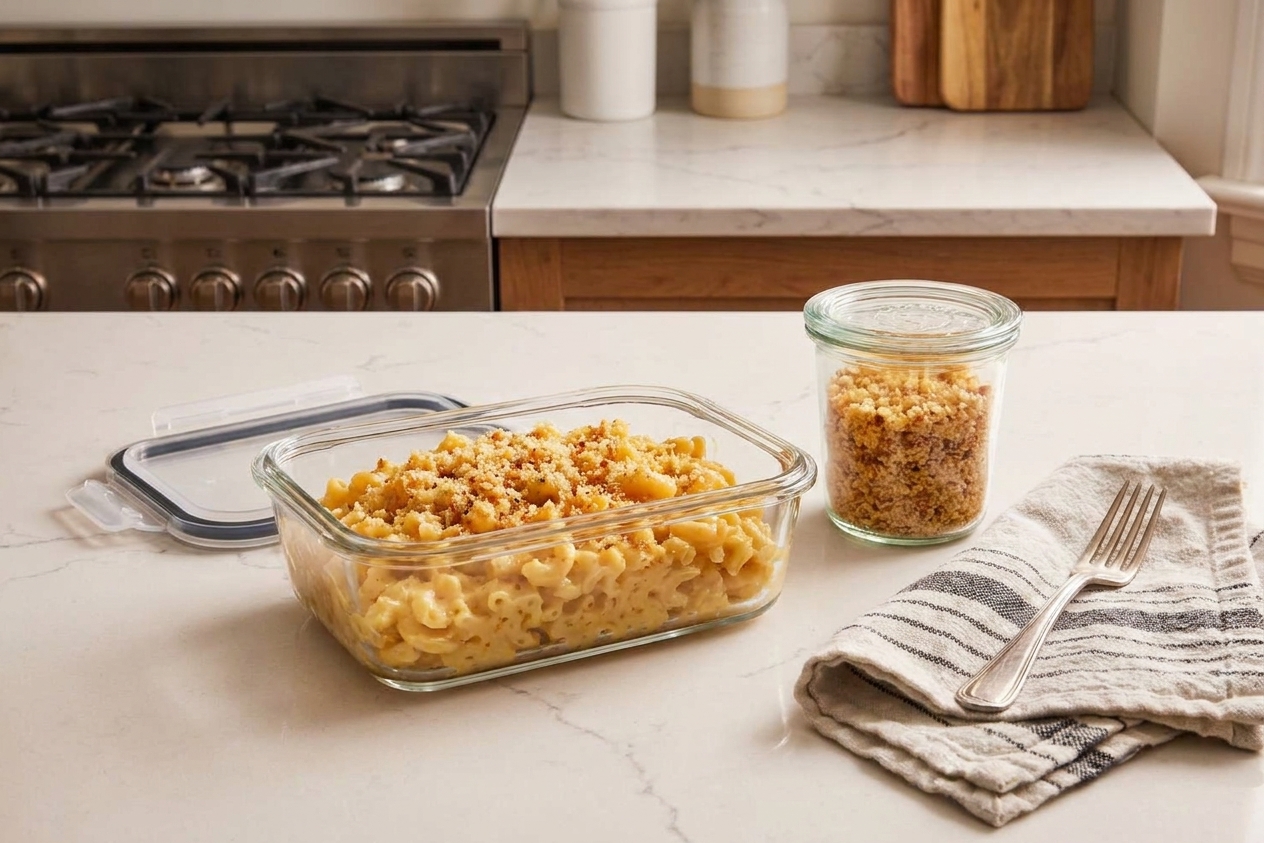
Refrigerate: Cool promptly, then store in an airtight container for 3 to 4 days (keep your fridge at 40°F or below). If you made the breadcrumbs, keep them separate in a small container so they stay crunchy.

Reheat (best method): Warm in a saucepan over low heat with a splash of milk (start with 1 tablespoon per cup). Stir gently until creamy again. Keep the heat low and do not let it boil.

Microwave: Add a splash of milk, cover loosely, and heat in 30-second bursts, stirring each time.

Freeze: You can, but the texture is a little less silky. Freeze in portions up to 2 months. Thaw overnight in the fridge and reheat low and slow with milk.

A glass meal prep container filled with leftover mac and cheese, with a small jar of toasted breadcrumbs beside it on a kitchen counter

Common Questions

Why did my cheese sauce turn grainy?

Most often it comes down to heat or the cheese itself. Common culprits: the sauce was too hot when the cheese went in (or it boiled after), the cheese was pre-shredded with anti-caking additives, or you used a very aged cheese as the main player. Fix it by lowering the heat, stirring in a splash of warm milk, and melting in a small handful of freshly shredded cheese with the burner off.

What is the best cheese for mac and cheese?

For the most reliable melt: sharp cheddar for flavor plus monterey jack for extra smoothness. You can also use a little fontina or gouda. Super-aged cheeses are delicious, but use them as a small accent since they can turn grainy.

Can I make this without flour?

Yes. Skip the roux and instead stir 2 to 3 ounces of cream cheese into warm milk, then melt in the cheddar with the burner off. It is a different vibe but still very creamy.

How do I keep stovetop mac and cheese creamy for serving?

Keep it on the very lowest heat and stir occasionally. If it starts tightening up, add a splash of milk or reserved pasta water. The key is gentle heat and no boiling once the cheese is in.

Can I add protein or veggies?

Absolutely. Stir in shredded rotisserie chicken, chopped ham, peas, or sautéed broccoli. Just keep additions warm so they do not cool the sauce too much.

I did not study culinary arts in the most traditional way, but I have always chased the same thing: that moment when a simple dish makes people go quiet because it is that good. This mac and cheese is my go-to when I want to cook like a friend you actually want in your kitchen, relaxed, curious, and just chaotic enough to sprinkle in a little Dijon and call it a day.

I started making it in tiny apartments where my “prep space” was basically a cutting board balanced near the sink. The recipe stuck because it is dependable. It forgives a distracted cook, it handles substitutions, and it delivers that creamy, cozy payoff every single time.