Mom's Best Recipes
Recipe

Creative Kimchi Jjigae Recipe

A veggie-forward kimchi stew with silky tofu, plenty of vegetables, and a flavor-packed broth that tastes like it simmered all day (without actually doing that).

Author By Matt Campbell
4.8

Kimchi jjigae is one of those dishes that looks like it should be complicated, then you make it once and realize it is basically the cozy hoodie of Korean cooking. It is spicy, tangy, savory, and deeply comforting in a way that makes rice feel non-negotiable.

This is my lighter, veggie-forward spin: plenty of vegetables, a light but bold broth, and tofu for that soft, creamy contrast that makes each bite feel complete. You can still add pork or tuna if you want, but this version is designed to taste big even when you keep it lighter. The trick is letting the kimchi do what it does best: build flavor fast.
Why It Works

  • Bright, layered broth from sautéed kimchi plus gochujang and gochugaru, so it tastes simmered without the wait.
  • Wholesome, veggie-forward balance with zucchini, mushrooms, and optional greens that melt into the soup.
  • Protein that fits your life: tofu by default, with easy add-ins like pork, shredded chicken, or canned tuna.
  • Weeknight friendly and forgiving. If your kimchi is extra sour, this stew gets even better.

Pairs Well With

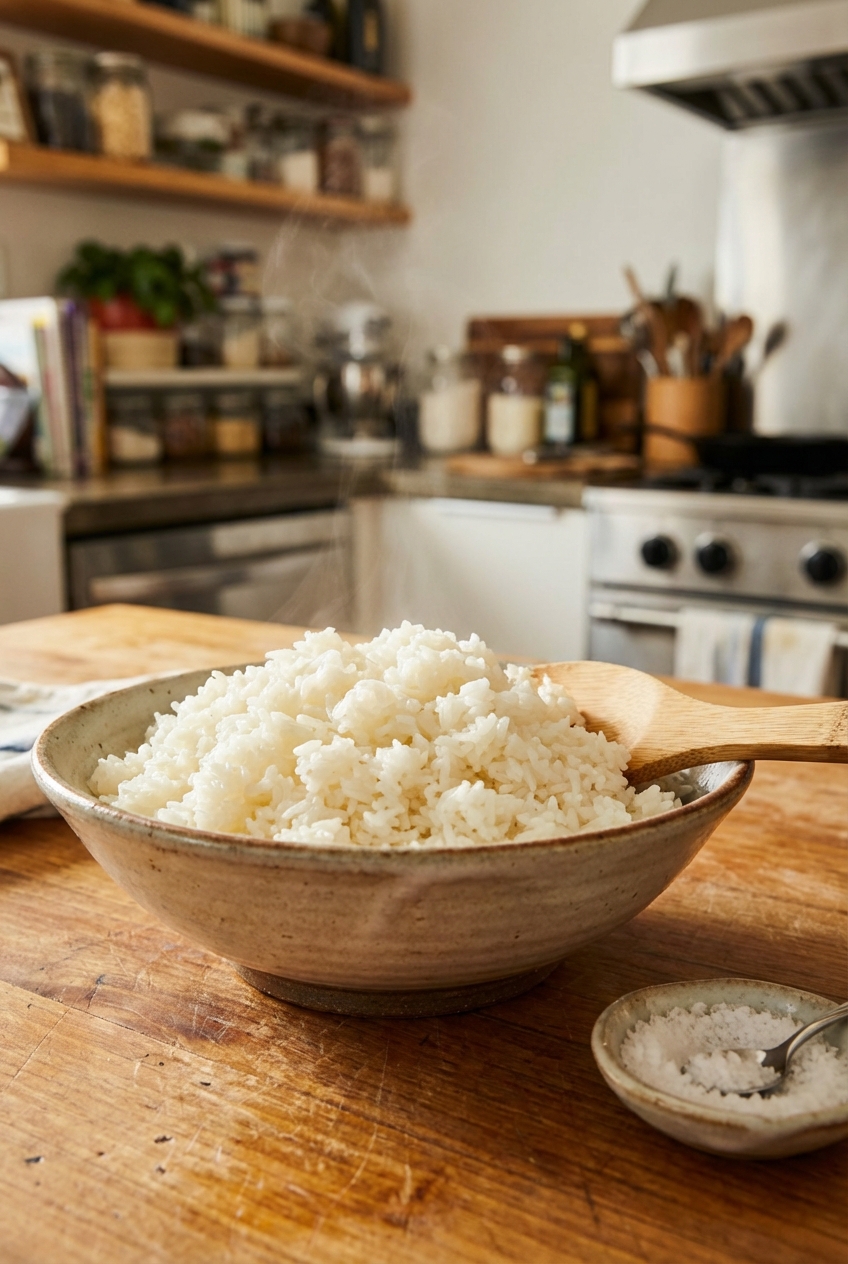
  • Steamed Rice

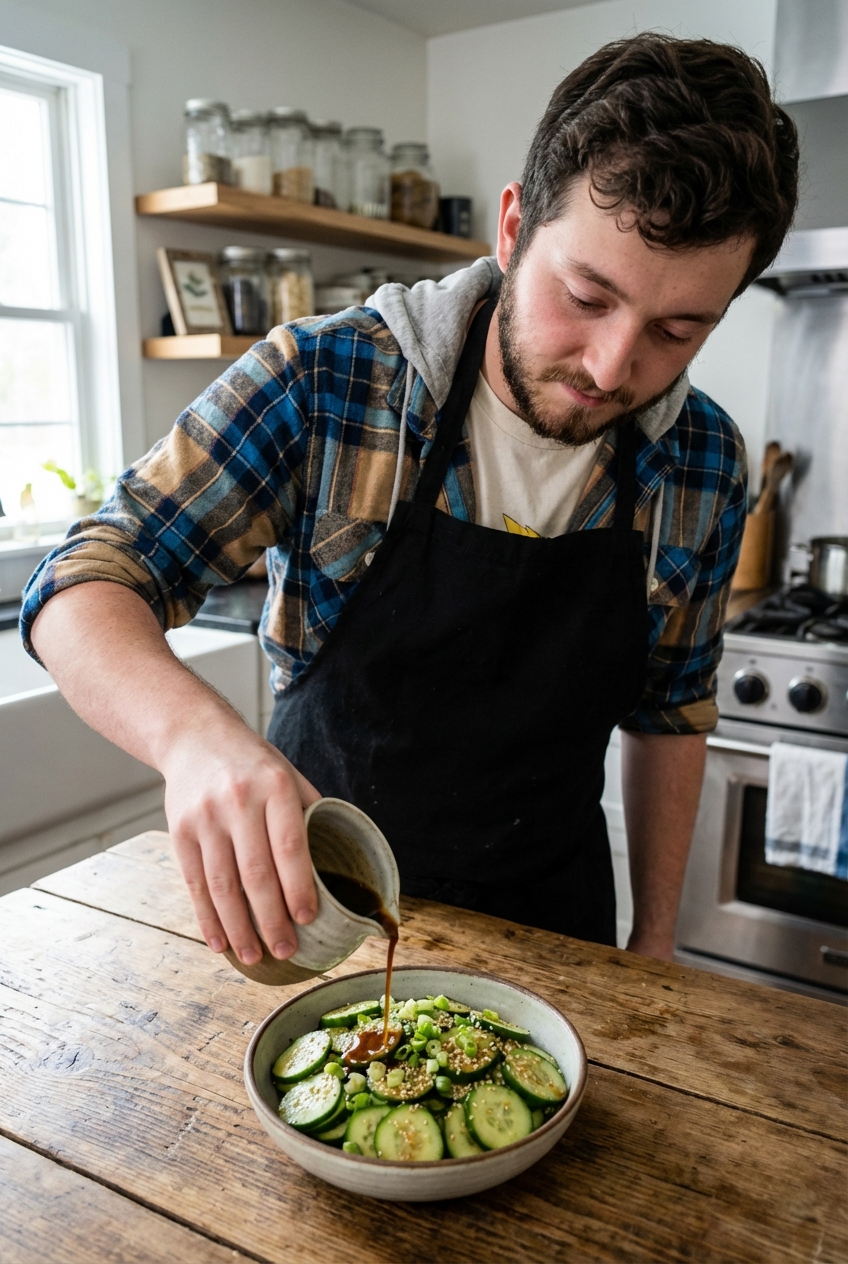
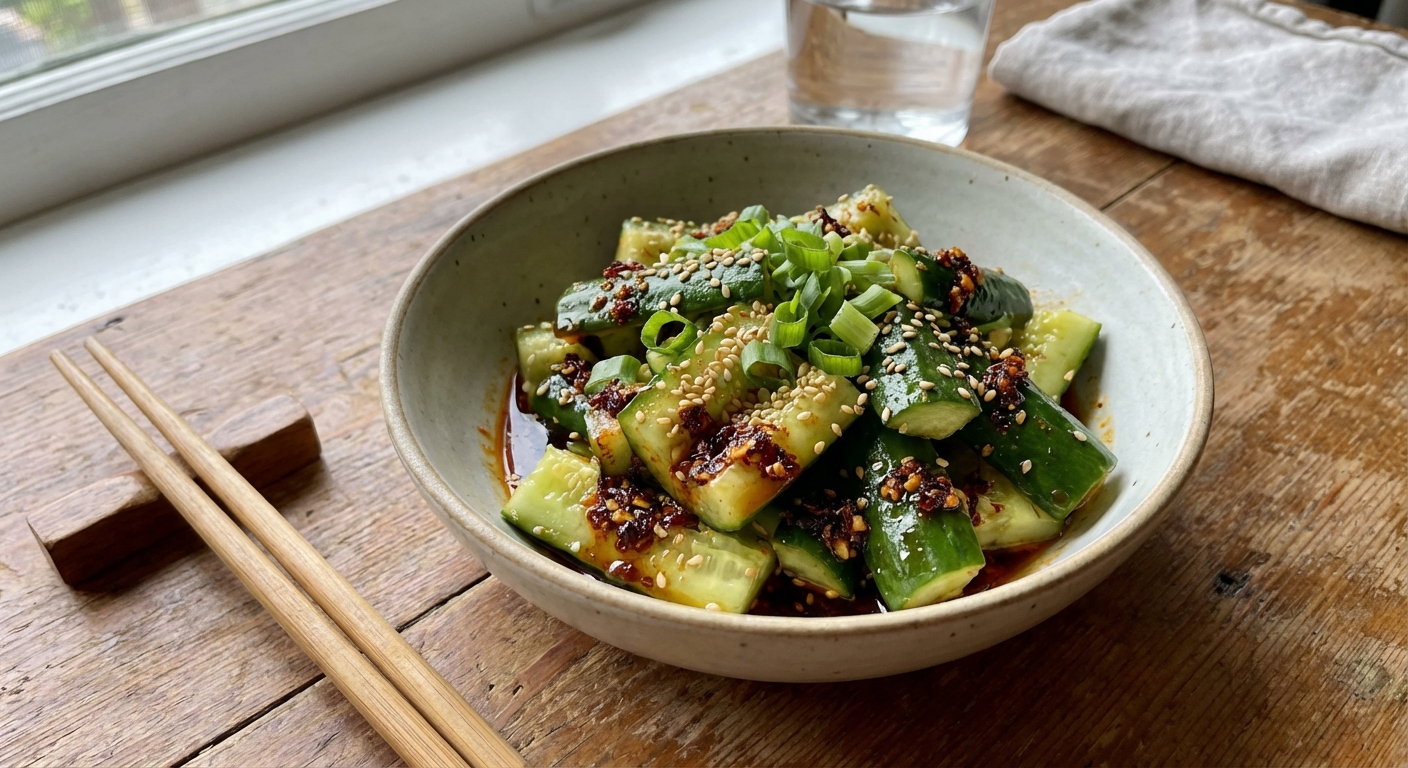
  • Korean Cucumber Salad

  • Scallion Pancakes

  • Quick Pickled Radish

Storage Tips

Refrigerate: Cool the stew, then store in an airtight container for up to 4 days. The flavor actually deepens overnight, so leftovers are a flex.

Reheat: Warm gently on the stove over medium-low until bubbling. Add a splash of water or broth if it thickened.

Freeze: Freezing works, but it is best within 1 to 2 months for flavor and texture. Tofu can turn a little spongy after thawing. If that texture bugs you, freeze the broth and veg, then add fresh tofu when reheating.

Food safety note: Reheat until steaming hot throughout.

Common Questions

What kind of kimchi is best for kimchi jjigae?

Older, more fermented kimchi is ideal. The sourness is the point. If your kimchi is very fresh and mild, add 1 to 2 teaspoons rice vinegar or a little extra kimchi juice to wake it up.

Is kimchi jjigae healthy?

It can be. This version is veggie-forward and uses tofu for protein. Kimchi has live cultures when raw, but cooking kills most of them. You still get fiber, big flavor, and a satisfying meal without needing lots of oil. Sodium note: kimchi, gochujang, and soy sauce can add up, so start with less soy sauce and kimchi juice, then add to taste.

How do I make it less spicy for kids?

Use a mild kimchi, skip the gochugaru, and start with only 1 teaspoon gochujang. You can also serve it with plenty of rice and a fried egg on top to mellow the heat.

Can I make it without gochujang?

Yes. It will be a little less deep and slightly less sweet. Add an extra teaspoon of gochugaru and a bit more soy sauce, then taste and adjust.

What protein can I add if I want it heartier?

Classic options: thin sliced pork belly or shoulder, canned tuna, or leftover shredded chicken. Add pork early to brown, or stir tuna in near the end so it stays tender.

Is this recipe vegetarian?

It can be, but it depends on your kimchi. Many store-bought kimchi are made with fish sauce or salted shrimp. If you want vegetarian or vegan kimchi jjigae, choose vegan kimchi and use vegetable broth or kelp broth.

The first time I made kimchi jjigae at home, I treated it like a precious, complicated restaurant thing. Then I realized the whole vibe is actually: use what you have, let the kimchi carry the conversation, and keep tasting until it makes you sit up straight. Now it is one of my go-to reset meals. If my fridge looks chaotic and my energy is low, this stew is how I turn random vegetables and a jar of kimchi into something that feels like a win.