Mom's Best Recipes
Recipe

Crispy Korean Fried Chicken

Extra-crunchy, double-fried chicken with a glossy gochujang sweet-heat sauce or a punchy soy-garlic glaze. Weeknight doable, party legendary.

Author By Matt Campbell
4.9
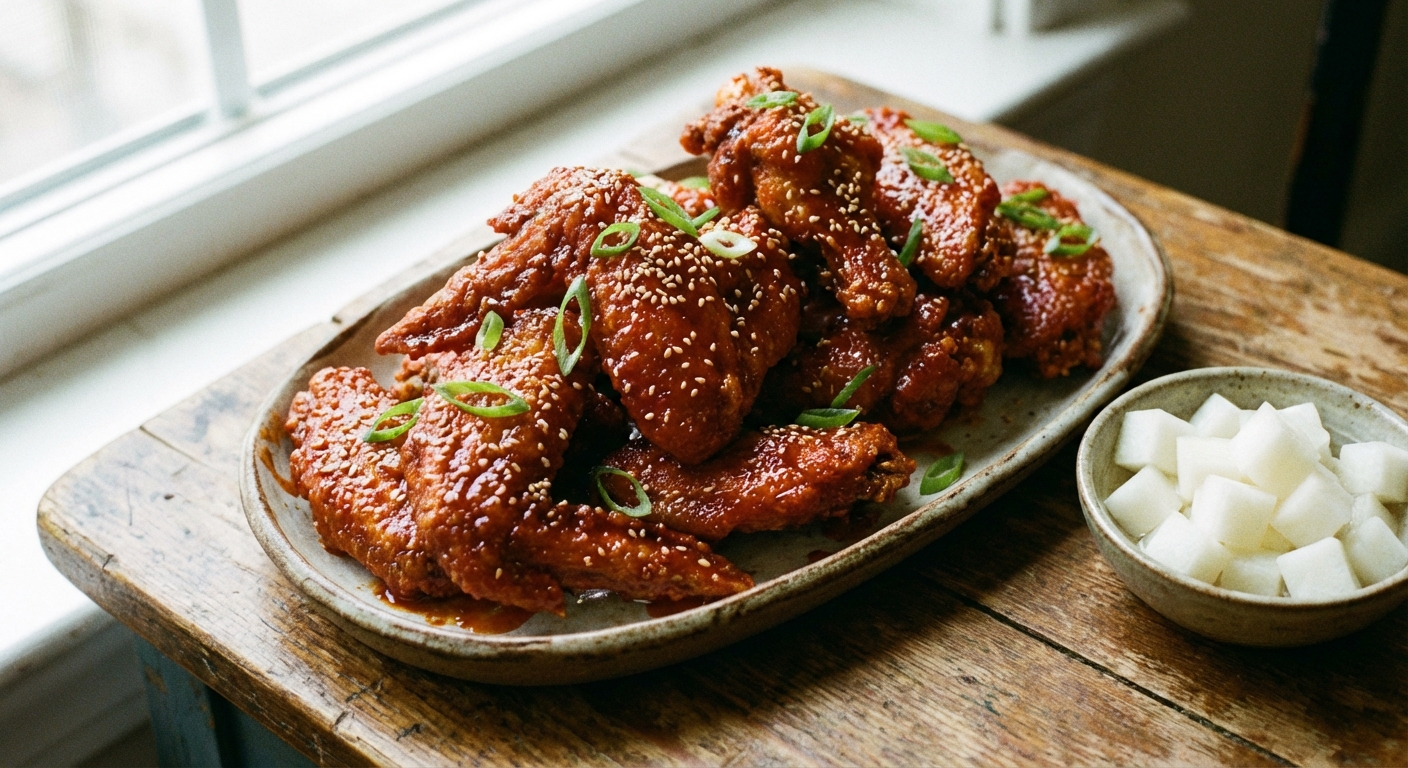
A single real photograph of crispy Korean fried chicken wings piled on a platter, glossy red gochujang sauce on some pieces and sesame seeds with sliced scallions scattered over, with a small bowl of pickled radish on the side

If you have ever eaten Korean fried chicken and immediately felt betrayed by every other fried chicken you have ever met, hi. Same. This is the kind of chicken that crackles when you tap it with tongs, stays crunchy longer than it has any right to, and wears sauce like a shiny little jacket instead of turning into a soggy mess.

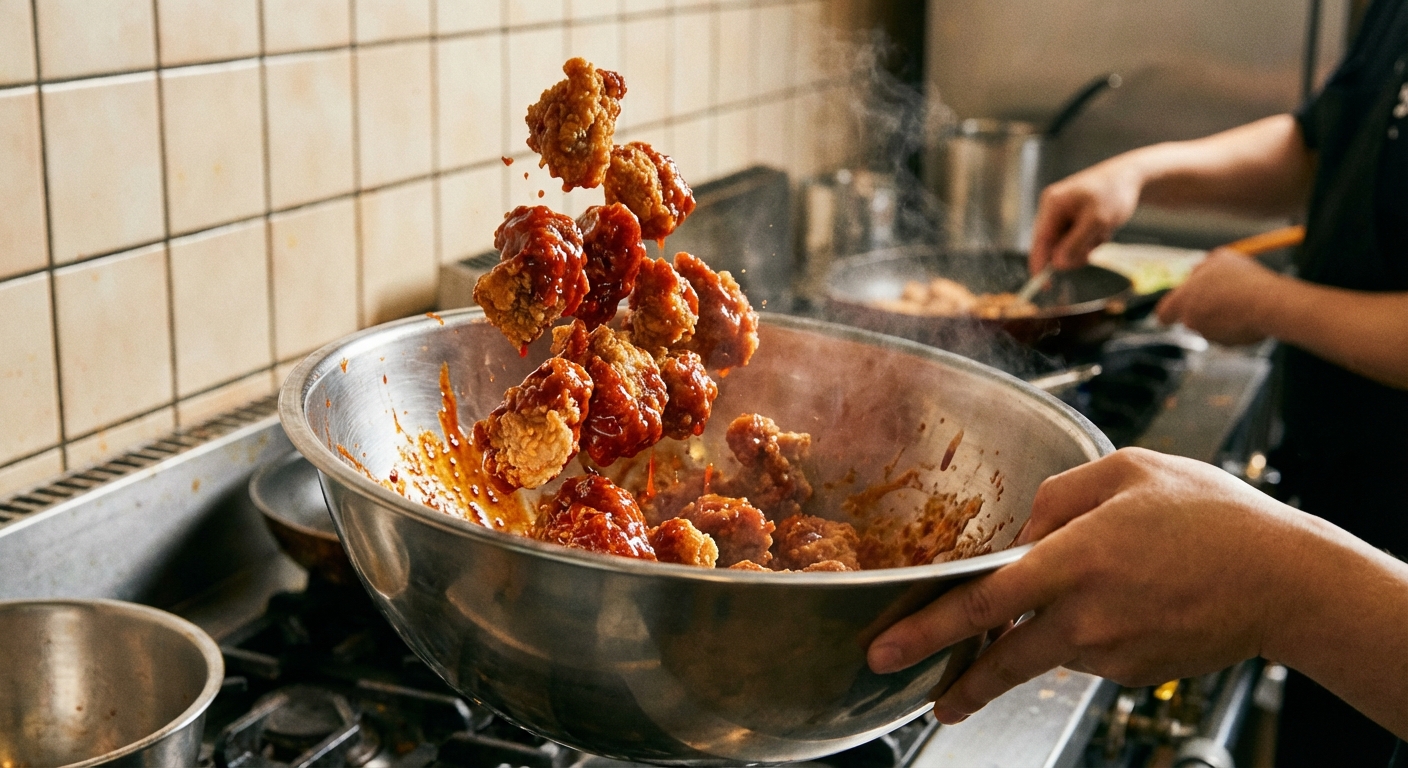
We are doing the classic double-fry for that shatter-crisp shell, then tossing in either yangnyeom (sweet, spicy gochujang glaze) or a soy-garlic situation that tastes like it should come with a warning label. Serve it with cold drinks and something tangy like pickled radish, because a little balance goes a long way.
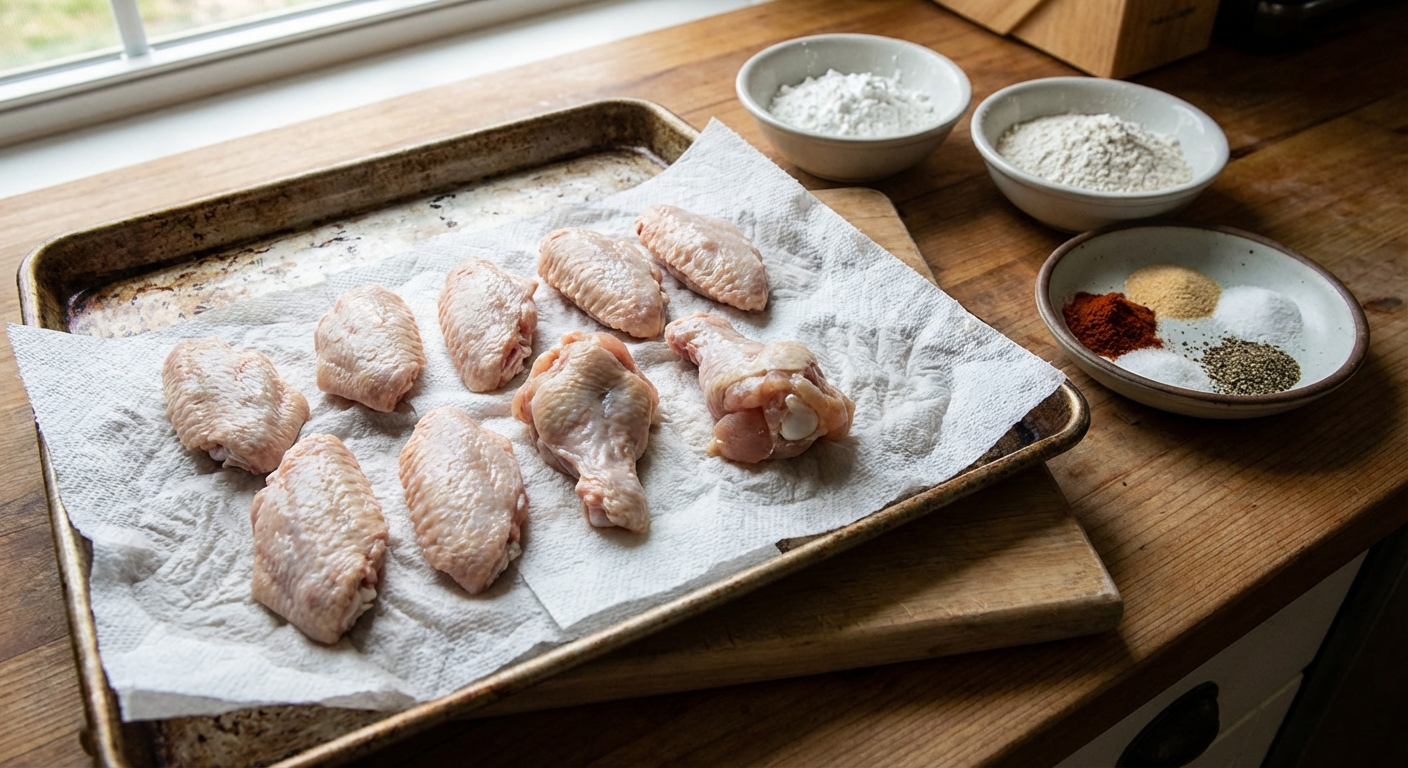
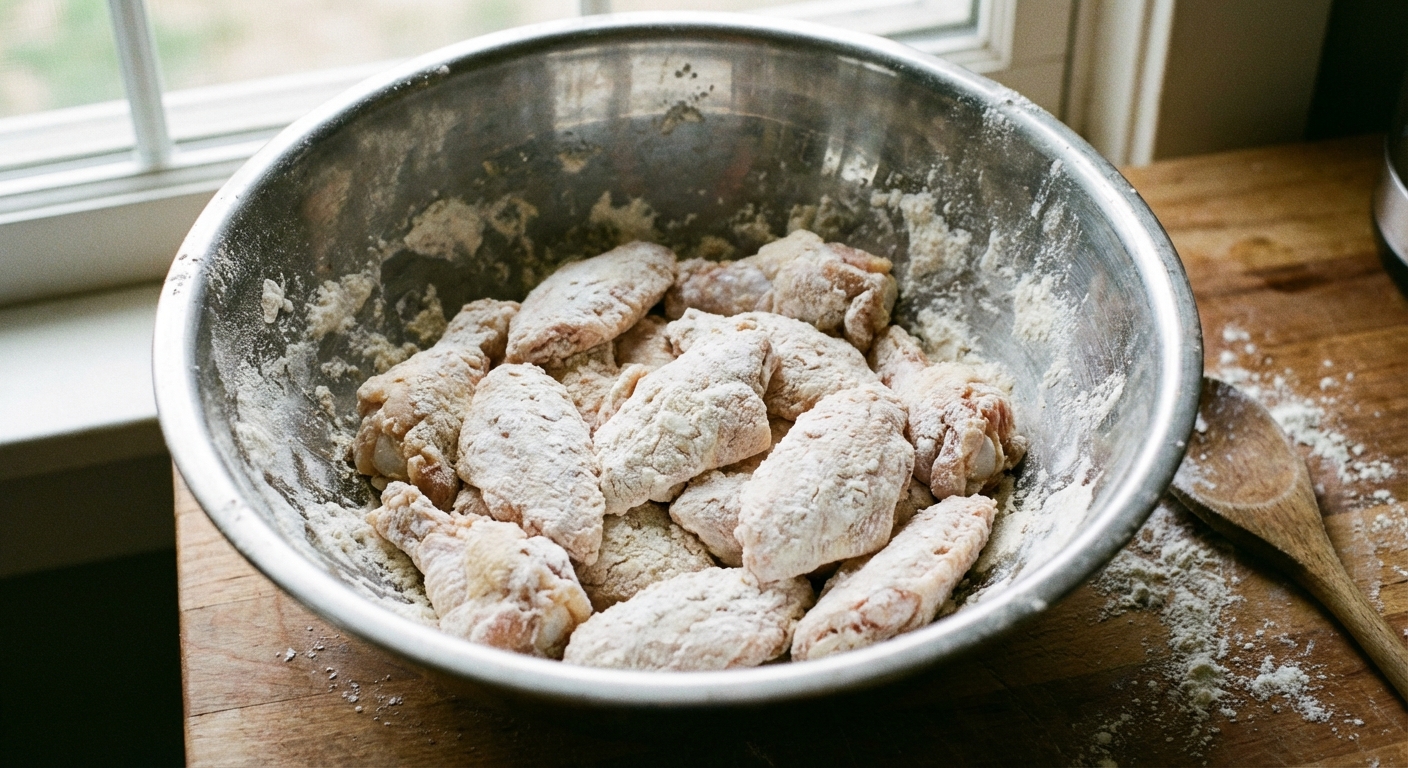
A single real photograph of raw chicken wings and drumettes patted dry on a sheet pan with paper towels, with small bowls of cornstarch, flour, and seasonings nearby

Why It Works

  • Cornstarch-forward coating creates a thin, brittle crust that stays crisp, especially after saucing.
  • Double frying drives off moisture and sets the crust, giving you that signature crunch with a light, crackly bite.
  • Fast sauces that cling: we reduce them just enough so they glaze instead of puddle.
  • Real-life flexible: wings, drumettes, or boneless thighs all work with the same method and a couple timing tweaks.

Storage Tips

Fried chicken leftovers are a choose-your-own-adventure, but here is how to keep the crunch as alive as possible.

Fridge

  • Store in an airtight container up to 3 days. If you can, keep sauce separate and toss right before eating.
  • Line the container with paper towel to catch condensation.

Reheating (best results)

  • Oven or toaster oven: 400°F (205°C) for 10 to 15 minutes on a rack over a sheet pan. Flip once.
  • Air fryer: 375°F (190°C) for 6 to 10 minutes, shaking halfway through.
  • Warm sauce separately, then toss or drizzle after reheating.

Freezer

  • Freeze unsauced chicken in a single layer, then transfer to a bag for up to 2 months.
  • Reheat from frozen at 400°F (205°C) for 18 to 22 minutes, flipping once.

Common Questions

Do I really have to double fry?

For true Korean-fried-chicken crunch, yes. The first fry cooks the chicken and sets the coating. The second fry makes it audibly crispy. If you only fry once, it will still be good, but it will not be that.

Why cornstarch and flour together?

Cornstarch brings the crisp, brittle texture. A little flour adds structure and helps prevent a coating that is too fragile. Think of it as crunch with a seatbelt.

Why is there egg in a mostly dry coating?

It is a light binder. A thin egg-and-water film makes the starch mixture cling so you get an even crust that stays put in the oil.

Can I use boneless chicken?

Yes. Use boneless skinless thighs cut into 1.5-inch pieces. Fry about 3 to 4 minutes for the first fry, then 2 to 3 minutes for the second fry, depending on size and how well your oil temperature rebounds. Start checking early and use a thermometer. Aim for 165°F (74°C) in the thickest piece.

What oil is best for frying?

Use a neutral, high-heat oil like canola, peanut, or vegetable oil. Avoid extra-virgin olive oil here. If you use peanut oil, keep allergies in mind.

How do I keep the coating from falling off?

  • Pat the chicken very dry.
  • Let the coated chicken rest 10 minutes before frying so the starch hydrates and grips.
  • Do not overcrowd the pot. Bubbling oil needs elbow room.
  • Let the oil return to the target temperature between batches.

Is gochujang very spicy?

It is usually more sweet and savory than fiery, but brands vary. Start with the amount listed, then add more for heat. You are the boss of your tongue.

Any quick safety tips?

  • Fill your pot no more than halfway with oil to prevent boil-overs.
  • Lower chicken in gently with tongs or a spider. Never drop it in.
  • Keep a lid nearby to smother a flare-up. Do not use water on an oil fire.
  • Make sure chicken is patted dry. Water and hot oil are not friends.

Any allergy or gluten notes?

  • Gluten: Use tamari (or gluten-free soy sauce) and a gluten-free all-purpose flour blend.
  • Peanut: Choose canola or vegetable oil instead of peanut oil if needed.

The first time I tried to make Korean fried chicken at home, I did what every overconfident home cook does. I used a random batter, fried it once, drowned it in sauce, and then stared at my sad, soggy wings like they had personally wronged me. Later, I learned the secret was not “more sauce” or “hotter oil” or “positive affirmations.” It was double frying and a cornstarch-forward coating.

Now this is my midnight-leftover-makeover move. Cold wings get a quick air-fry glow-up, then I toss them in warm glaze and suddenly it looks like I planned my life. I did not. The chicken did the work.