Mom's Best Recipes
Recipe

Crispy Pork Tonkatsu

Golden, crunchy panko pork cutlets with a tangy-sweet tonkatsu sauce, fluffy short-grain rice, and a pile of ice-cold shredded cabbage for the perfect bite.

Author By Matt Campbell
4.8
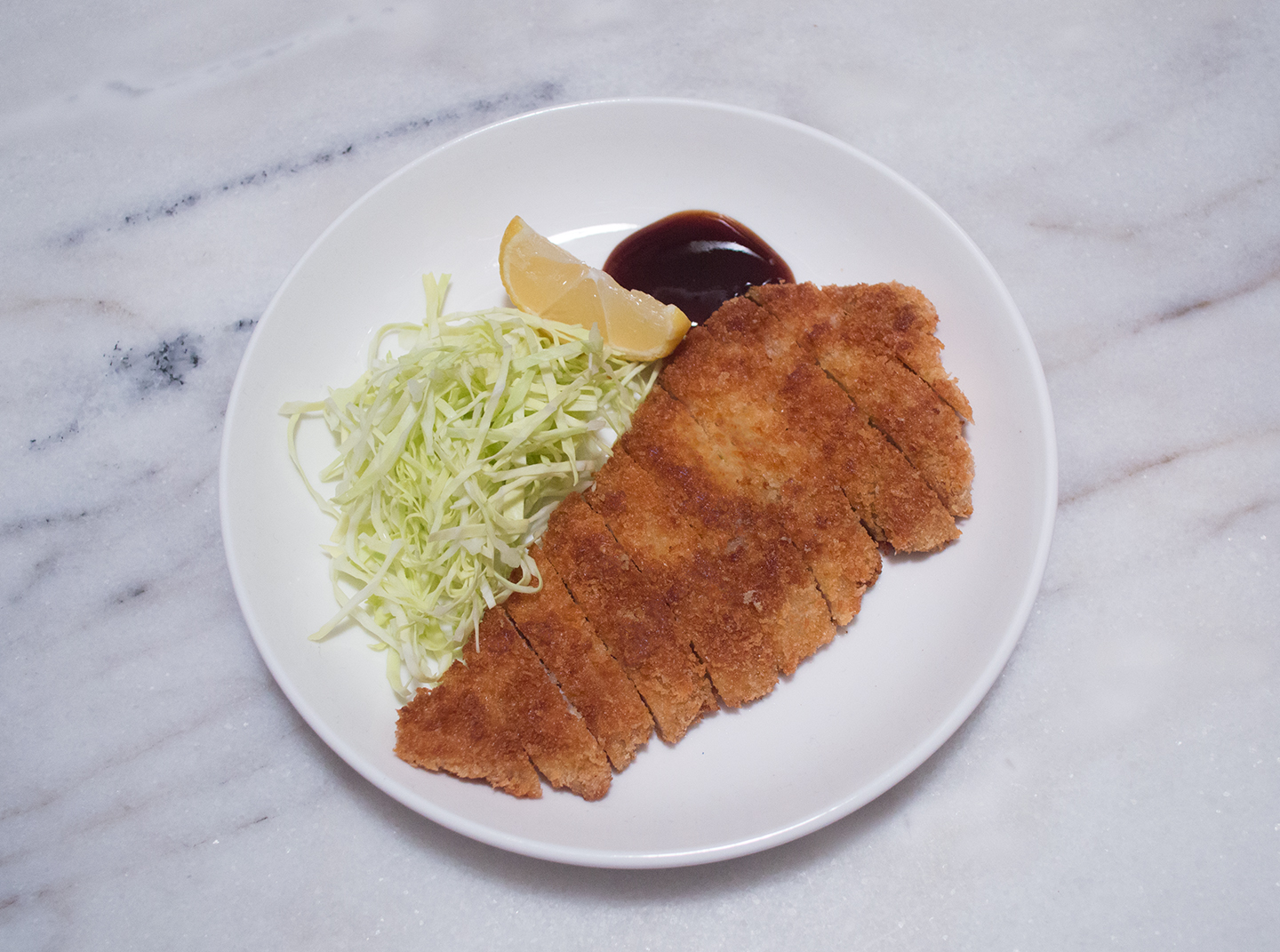
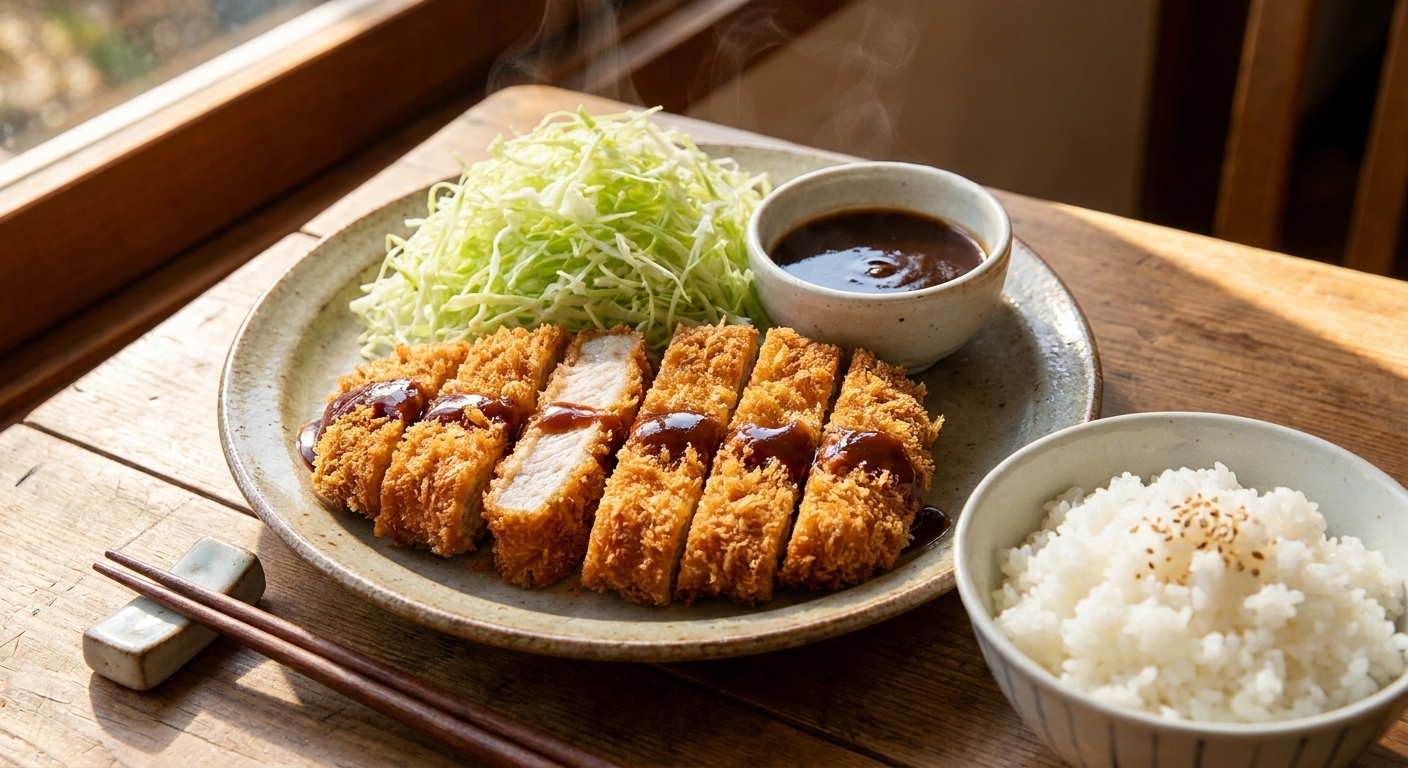
A real photo of a golden-brown pork tonkatsu cutlet sliced into strips on a plate with a mound of finely shredded cabbage, a small bowl of tonkatsu sauce, and a bowl of short-grain rice in warm natural light

Tonkatsu is one of those dishes that feels like a restaurant flex, but it is secretly a weeknight-friendly operation if you respect two things: oil temperature and panko. When you nail it, you get that loud, crisp crust, juicy pork, and a sauce that tastes like it has been hanging out in your fridge for years (in a good way).

We are doing the classic plate build: panko-crusted pork cutlet, a generous puddle of tonkatsu sauce, a snowdrift of finely shredded cabbage, and short-grain rice. I will also walk you through the cues that matter, like what the oil should look and sound like when it is ready, plus how to dodge the usual problems: soggy crust, dry pork, and the sneaky one, cutlets that curl up like they are trying to escape the pan.

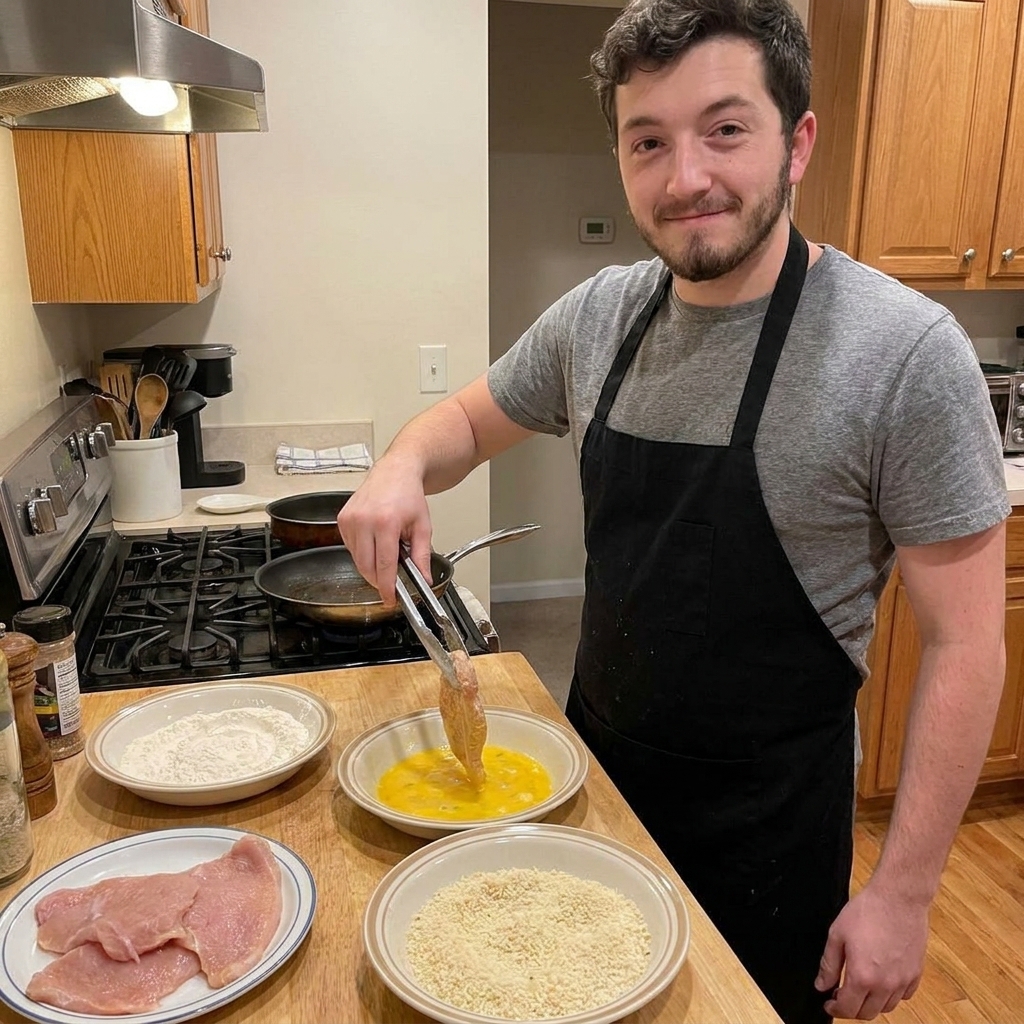
A real photo of a breading station on a kitchen counter with flour, beaten eggs, and panko breadcrumbs in separate shallow bowls, ready for frying cutlets

Why It Works

  • Extra-crisp crust: Using Japanese panko plus a quick rest after breading helps the coating cling and fry up crunchy instead of patchy.
  • Juicy pork: Thin cutlets cook fast. We fry just until golden, then rest and slice so the juices stay where they belong.
  • Oil temp you can actually manage: You get a thermometer target, plus visual cues (how the bubbles behave) so you can recover if the oil dips.
  • Sauce options: Make a simple shortcut tonkatsu sauce or a richer house version that tastes shockingly legit.

Pairs Well With

Storage Tips

How to Store Leftovers (So the Crust Stays Crunchy)

  • Store components separately: Keep cutlets, cabbage, rice, and sauce in separate containers if possible. Sauce is a crust killer.
  • Refrigerate: Store tonkatsu in an airtight container for up to 3 days.
  • Best reheat: Re-crisp on a wire rack set over a baking sheet at 400°F for 8 to 12 minutes, flipping once. Or use an air fryer at 375°F for 5 to 8 minutes.
  • Avoid the microwave: It will soften the crust fast. If you must, microwave briefly to warm the center, then crisp in a toaster oven or skillet.
  • Cabbage: Keep it dry and cold. If it gets watery, squeeze gently in a clean towel and refresh with a little cold water, then spin or pat dry.

Common Questions

Common Questions

What cut of pork is best for tonkatsu?

The classic picks are pork loin (the standard) and pork fillet/tenderloin (extra tender, very common). If you want a juicier, more forgiving cutlet, pork shoulder also works great, even if it is not the most traditional. For a first-timer, I like loin cutlets because they cook evenly. If you tend to overcook pork, shoulder forgives you more.

How hot should the oil be?

Aim for around 350°F. Anywhere in the 340°F to 360°F zone works, depending on your pan and stove. The goal is steady, lively bubbling that does not die when the cutlet goes in. Visual cue: when you drop in a panko crumb, it should sizzle immediately with steady bubbles, not a violent foam and not a sad, slow fizz.

Do I need to do a two-stage fry?

No, you can absolutely nail tonkatsu with a single fry at about 350°F. A two-stage fry (a slightly lower first fry, brief rest, then a quick hotter finish) can add extra insurance for crunch, but it is optional for home cooks.

How do I keep the crust from going soggy?

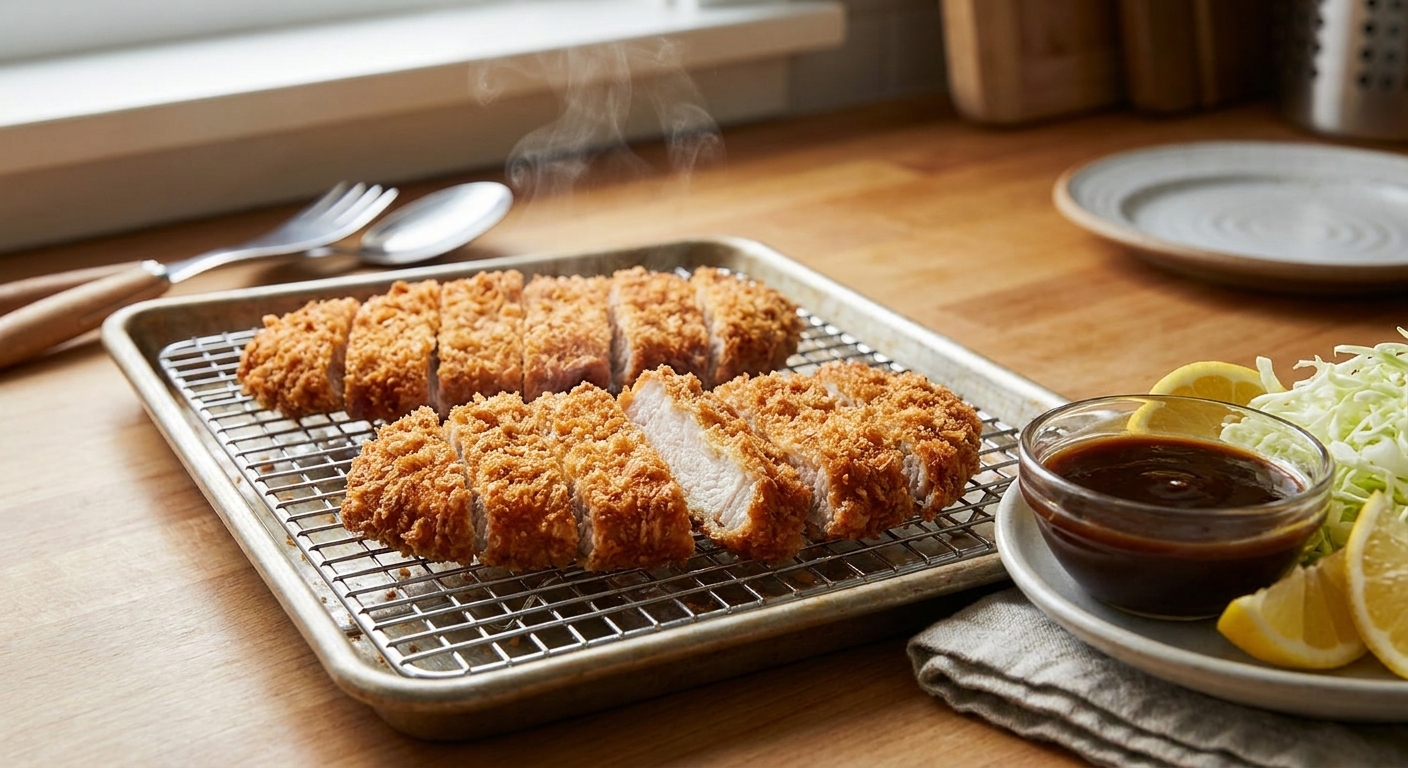
Three big fixes: do not crowd the pan, let the breaded cutlets rest 5 to 10 minutes before frying, and drain on a wire rack, not paper towels. Paper towels trap steam, and steam is the enemy of crunch.

How do I avoid dry pork?

Pound to an even thickness, keep the oil in range, and pull the cutlets when the center hits 145°F. Then rest for 3 to 5 minutes before slicing. If you slice too soon, juices run out and the pork eats drier.

My cutlets curl up. How do I stop that?

Classic tonkatsu problem. If your cutlets have a fat cap or a tight edge, make a few small snips along the fatty edge (or lightly score the edges) before breading. That keeps the cutlet flatter so it fries evenly and looks less like it is trying to fold itself in half.

Can I bake tonkatsu instead of frying?

You can, but the texture is different. For a baked version, toast the panko first with a little oil until lightly golden, then bake at 425°F until the pork hits 145°F. It is good, just not that classic shatter-crisp fry.

Is tonkatsu sauce the same as katsu sauce?

Yep. In many stores it is labeled either way. The flavor is a sweet-savory mix that is often compared to thick Worcestershire meets BBQ sauce, but more balanced and less smoky.

The first time I made tonkatsu at home, I treated it like schnitzel: hot oil, quick fry, done. The pork was fine, but the crust went from crunchy to kinda sleepy by the time I sat down. The fix was ridiculously simple: give the breading a few minutes to hydrate and cling, fry around 350°F, and always drain on a rack. Now it is one of my favorite “I want something cozy but still crisp” dinners, especially when I shred the cabbage super thin and let the sauce do its tangy, glossy magic.