Mom's Best Recipes
Recipe

Crispy Roast Duck

Crispy, lacquered skin, juicy duck, and a tangy-sweet glaze you will want to swipe off the cutting board. A home-friendly method with clear steps and restaurant-style crunch (without pretending you built a Beijing duck oven in your apartment).

Author By Matt Campbell
4.8

Peking duck at home sounds like one of those recipes that starts with confidence and ends with you eating cereal over the sink. But here is the truth: you do not need a restaurant oven or a hanging rack in a Beijing alley to get that crackly, glossy skin and tender meat.

This version is built for real kitchens. We scald the duck first to tighten the skin, then let it air-dry uncovered so the skin can actually do its crispy thing. After that, a two-temperature roast renders fat, then finishes hot for that shattery bite.

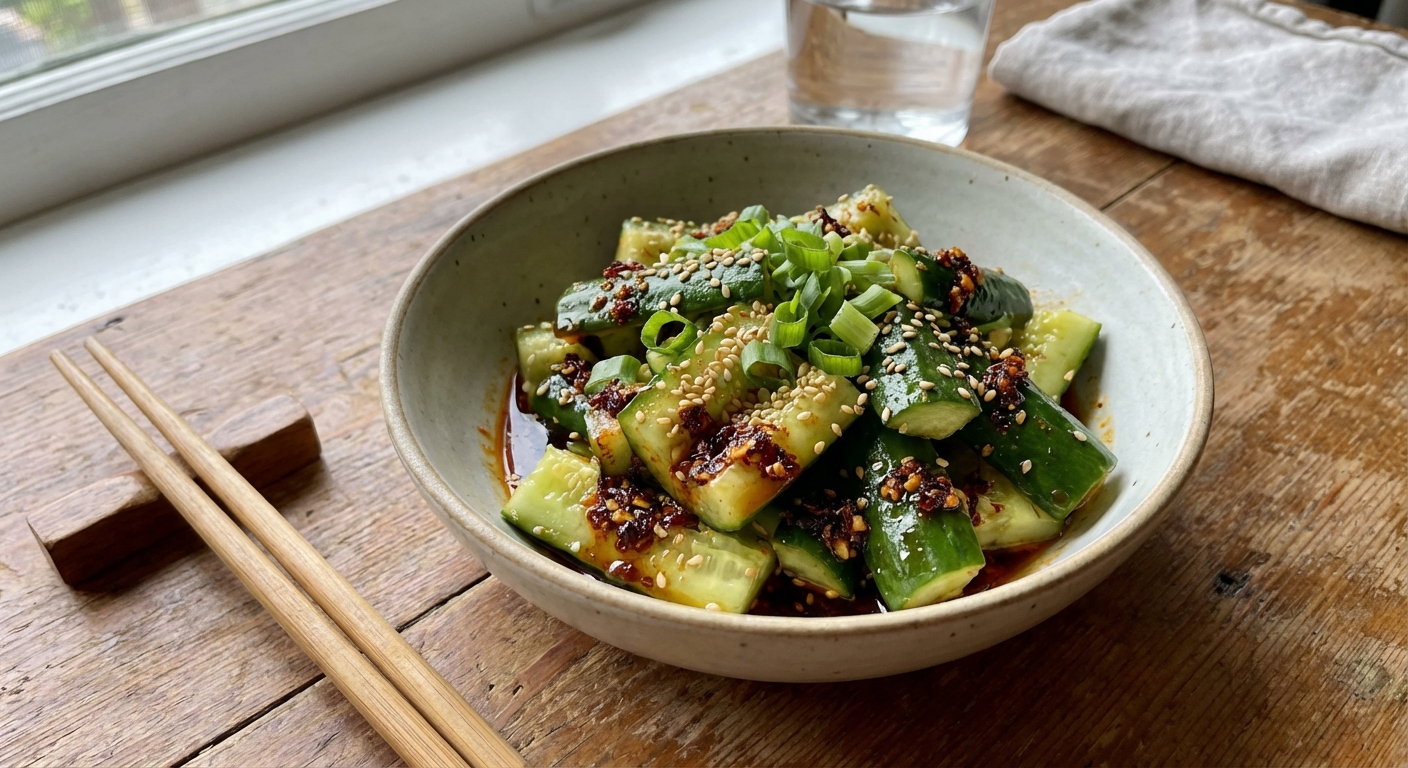
And because I am incapable of leaving well enough alone, we finish with a tangy-sweet glaze that tastes like the love child of plum sauce and a bright vinegar kick. It plays perfectly with pancakes, scallions, and cucumbers, and it also makes leftover duck feel like a brand new meal.

Why It Works

  • Crispy skin you can hear: Scalding plus uncovered drying tightens the skin and sets you up for that signature crackle.
  • Juicy meat, not over-roasted: A lower roast renders fat, then a higher finish crisps the skin without drying the breast.
  • Tangy-sweet flavor that cuts richness: The glaze brings vinegar brightness and fruitiness to balance the duck fat.
  • Clear, manageable steps: Most of the “magic” happens the day before, which is the secret to looking calm while cooking something impressive.

Pairs Well With

Storage Tips

Fridge: Store sliced duck in an airtight container up to 3 to 4 days. Keep skin pieces separate if you can, since moisture softens crispness.

Freeze: Freeze shredded or sliced meat up to 2 months. Wrap tightly, then bag. Freeze the tangy-sweet glaze separately.

Best reheat for crisp skin: Arrange pieces skin-side up on a rack over a sheet pan. Reheat at 400°F for 8 to 12 minutes until hot and the skin re-crisps. Microwave is fine for meat, but it will make the skin sad.

Leftover glow-up ideas:

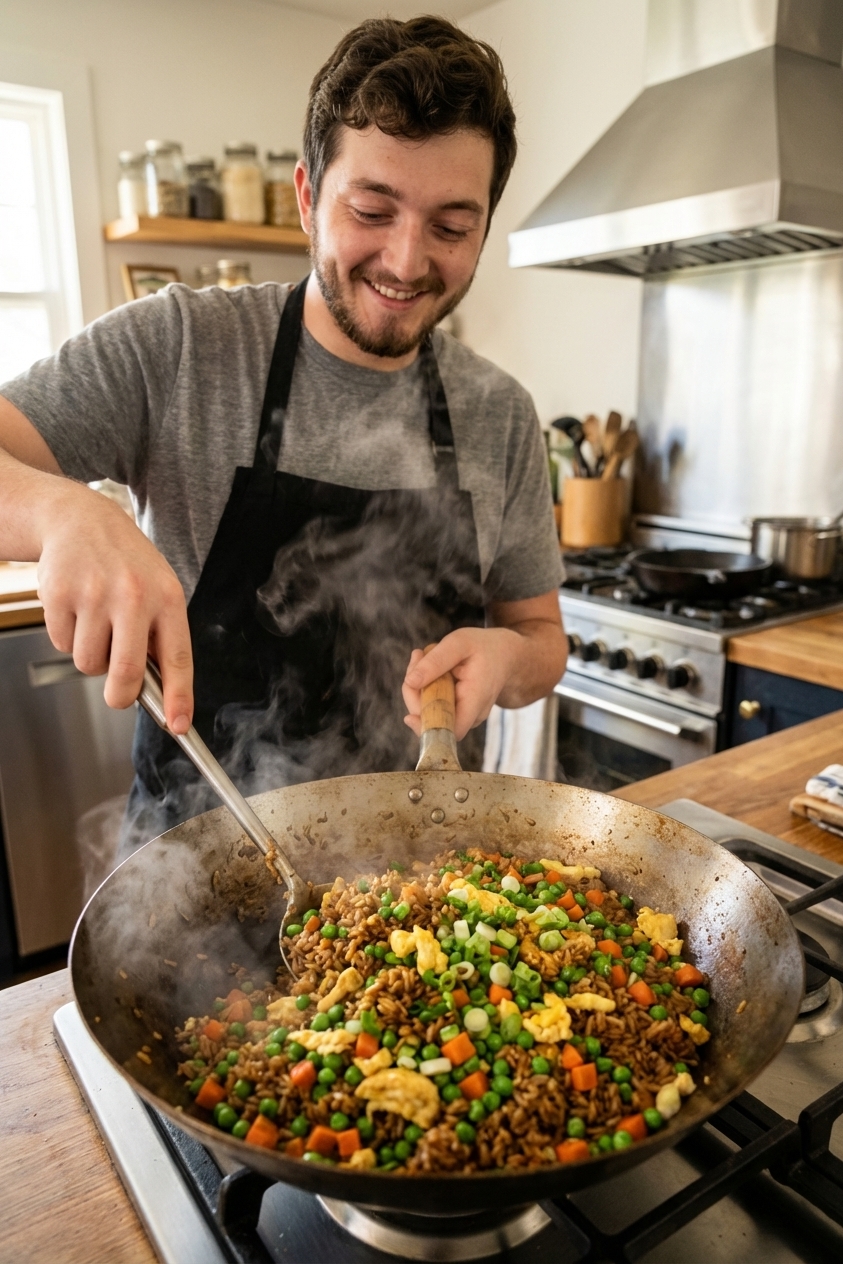
  • Duck fried rice with scallions and a splash of the glaze.
  • Rice bowls with cucumbers, quick pickled onions, and extra sauce.
  • Duck noodle soup using store-bought broth plus ginger and soy.

Common Questions

Is this truly “authentic” Peking duck?

This is a Peking-inspired crispy roast duck built for home kitchens. Classic restaurant Peking duck often involves inflating or separating the skin from the meat, hanging the bird to dry, and brushing with a maltose syrup. Here, we borrow the parts that matter most at home: scalding to tighten the skin, uncovered air-drying, and a two-temperature roast for rendered fat and crackly skin.

Do I need a special oven or to hang the duck?

No. Hanging is traditional and helps airflow, but you can get excellent results on a rack set over a sheet pan. The real home-kitchen keys are drying the skin and rendering fat slowly.

Where do I find a whole duck?

Look for frozen whole duck at Asian markets, Costco or similar warehouses, and many larger grocery stores near the poultry freezer. Aim for 5 to 6 pounds.

Is the hot-water pour really necessary?

It is optional, but it helps a lot. The main job is tightening and shrinking the skin so it can crisp more dramatically later. (It may also melt a little surface fat, but think “tighten” more than “render.”) If you do it, do it before the overnight dry so the skin can fully dry again.

Should I put spices or oil on the skin?

For the crispiest skin, keep the outside simple. Oil slows drying, and sugar or spices on the exterior can burn at high heat. Put the aromatics and seasonings in the cavity, then let airflow do its job on the skin.

Can I make the glaze ahead?

Yes. Make it up to 1 week ahead and refrigerate. Warm gently before serving.

What should the internal temperature be?

For food safety, target 165°F in the thickest part of the thigh. That said, duck legs get more tender as they climb higher, so if you have time, letting the thigh reach 175 to 185°F can give you softer, more pull-apart leg meat. (The breast will typically be lower and still juicy because duck has more fat than chicken.)

How many people does one duck actually feed?

A 5 to 6 lb duck is rich and a little bony. It comfortably serves 4 hungry people as a main, or 6 if you are doing pancakes plus sides.


The first time I tried to make Peking duck, I treated it like a regular roast chicken with big dreams. The meat was fine, but the skin was giving “leather jacket,” not “crispy lacquer.” The fix was not fancy gear. It was patience and airflow. Scald it, dry it uncovered, roast in stages. Now it is one of my favorite dinner-party flexes because it looks dramatic, tastes like a celebration, and the leftovers make you feel like you hacked the week.