Mom's Best Recipes
Recipe

Crispy Sourdough Discard Crackers

Turn leftover starter into crispy, cozy, actually exciting food. This is my go-to discard playbook, plus one can’t-mess-it-up cracker recipe you’ll make on repeat.

Author By Matt Campbell
4.8
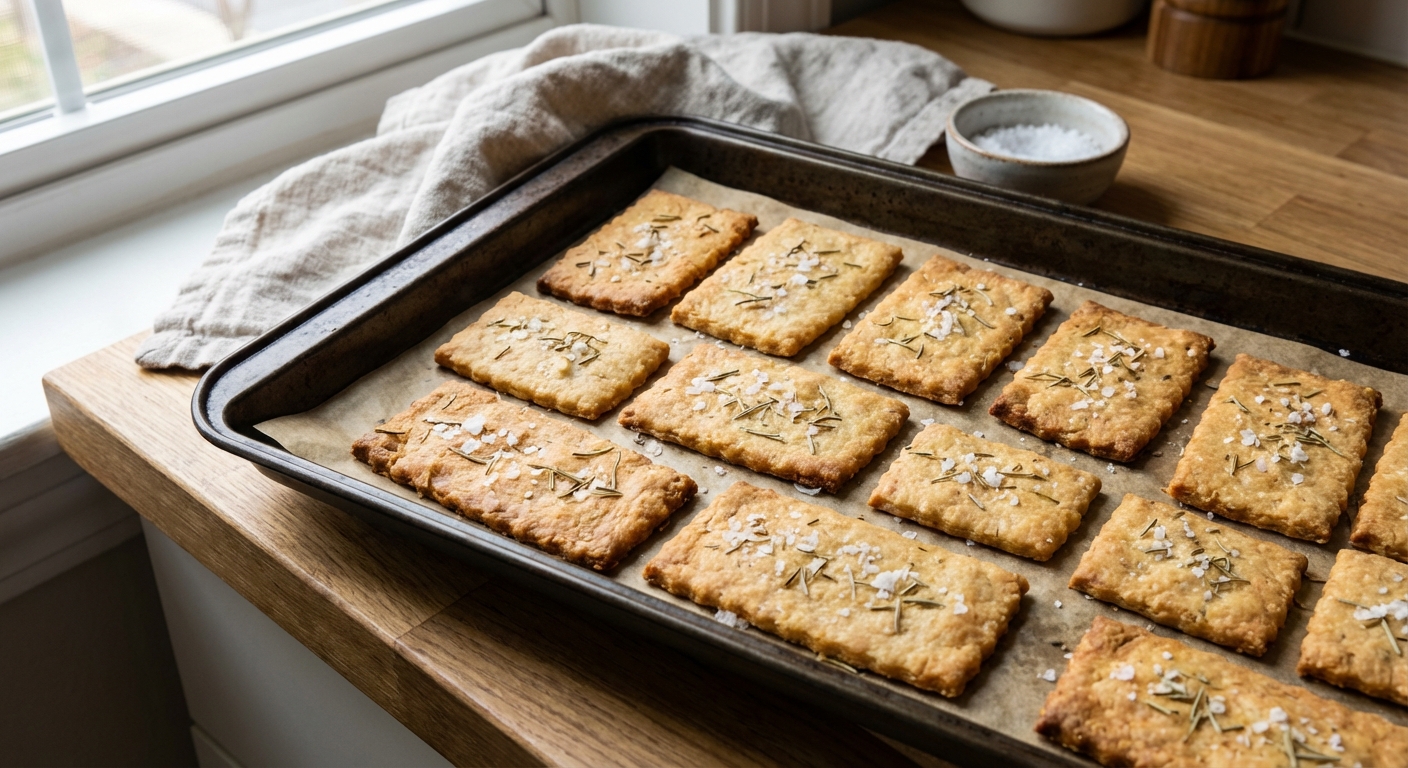
A real photo of golden sourdough discard crackers sprinkled with flaky salt and rosemary on a baking sheet

Sourdough discard is the kitchen equivalent of finding money in your coat pocket. It is already fermented, already flavorful, and begging to become something snacky, crisp-edged, and deeply comforting. The only problem is the name. “Discard” sounds like trash. In reality, it is a shortcut to better pancakes, faster flatbreads, extra-crunchy crackers, and cookies with that subtle tang that makes you go back for a second just to confirm what you’re tasting.

This page is a no-waste cheat sheet and a very specific starting point: crispy sourdough discard crackers. No fancy ingredients. No stress. Just the kind of home cooking that makes your starter feel like it is paying rent.
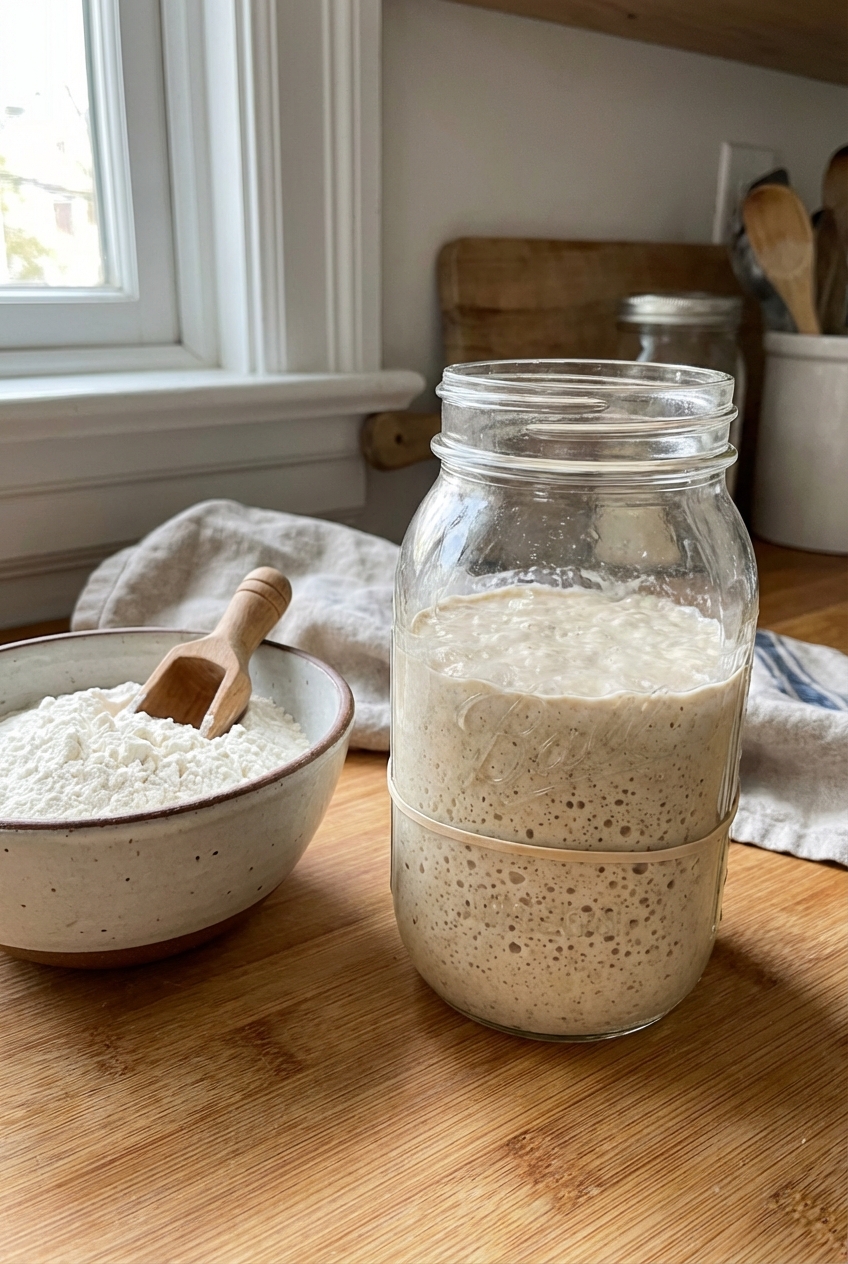
A real photo of a glass jar of sourdough starter on a kitchen counter next to a bowl of flour

Why It Works

  • No waste, maximum payoff: discard brings acidity and flavor that acts like a built-in seasoning boost.
  • Better texture: fermentation adds snap to baked snacks like crackers and brings tenderness to batters.
  • Flexible timing: this works with unfed starter straight from the fridge.
  • Accessible pantry vibe: flour, butter or oil, salt, and whatever toppings you like.

Pairs Well With

Storage Tips

Room temperature: Store fully cooled crackers in an airtight container for 3 to 5 days. Add a folded paper towel inside if your kitchen is humid to help keep them snappy.

To re-crisp: If they soften, spread on a sheet pan and bake at 300°F for 5 to 8 minutes. Cool again before storing.

Freezing: Not my favorite for crackers because they can pick up freezer smell, but it works. Freeze airtight up to 1 month, then re-crisp in a low oven.

Common Questions

What is sourdough discard?

It is the portion of starter you remove before feeding to keep the jar from growing into a science fair project. It is still flour and water, just more fermented and often more acidic than active, bubbly starter.

Do I have to use active starter for discard recipes?

Usually no. Most discard recipes are designed for unfed starter. For recipes that rely on rise from wild yeast alone (like true sourdough bread), you want active starter. For pancakes, crackers, muffins, and quick breads, discard is perfect.

My discard is very runny or very thick. Does it matter?

Yes, a little. Hydration varies a lot by starter and by how long it has been sitting. For crackers, you want a soft, rollable dough that is not gluey. Use the flour range in the recipe as your steering wheel: start with the base amount, then add more 1 tablespoon at a time until it feels like soft play dough and rolls cleanly between parchment.

Can I use discard straight from the fridge?

Yes. Cold discard works great here. If it is extremely thick when cold, let it sit on the counter 10 to 15 minutes so it loosens up.

What are the best sourdough discard recipes besides crackers?

My top picks for “no waste, big reward” are: pancakes or waffles, banana bread or muffins, pizza dough (discard adds flavor even if you use a little yeast), scallion pancakes, and chocolate chip cookies for a subtle tang.

I used to treat discard like a chore. Feed the starter, toss the extra, move on. Then one night I wanted a crunchy snack and had exactly zero patience for a grocery run. I stirred discard with olive oil, salt, and a little garlic powder, rolled it out way too thick, and baked it anyway. The result was not perfect. Still, the flavor was so good that I tried again the next day, added more flour so the dough actually behaved, rolled it thinner, and suddenly I had crackers with real attitude: crisp edges, a tiny sour tang, and that “just one more” energy. Now, making these feels like turning kitchen leftovers into a flex.