Mom's Best Recipes
Recipe

Crispy Teriyaki Chicken

Golden, crunchy chicken tossed in a glossy homemade teriyaki glaze that hits sweet, savory, and just enough ginger bite. Weeknight-friendly, restaurant vibes, no deep fryer required.

Author By Matt Campbell
4.8
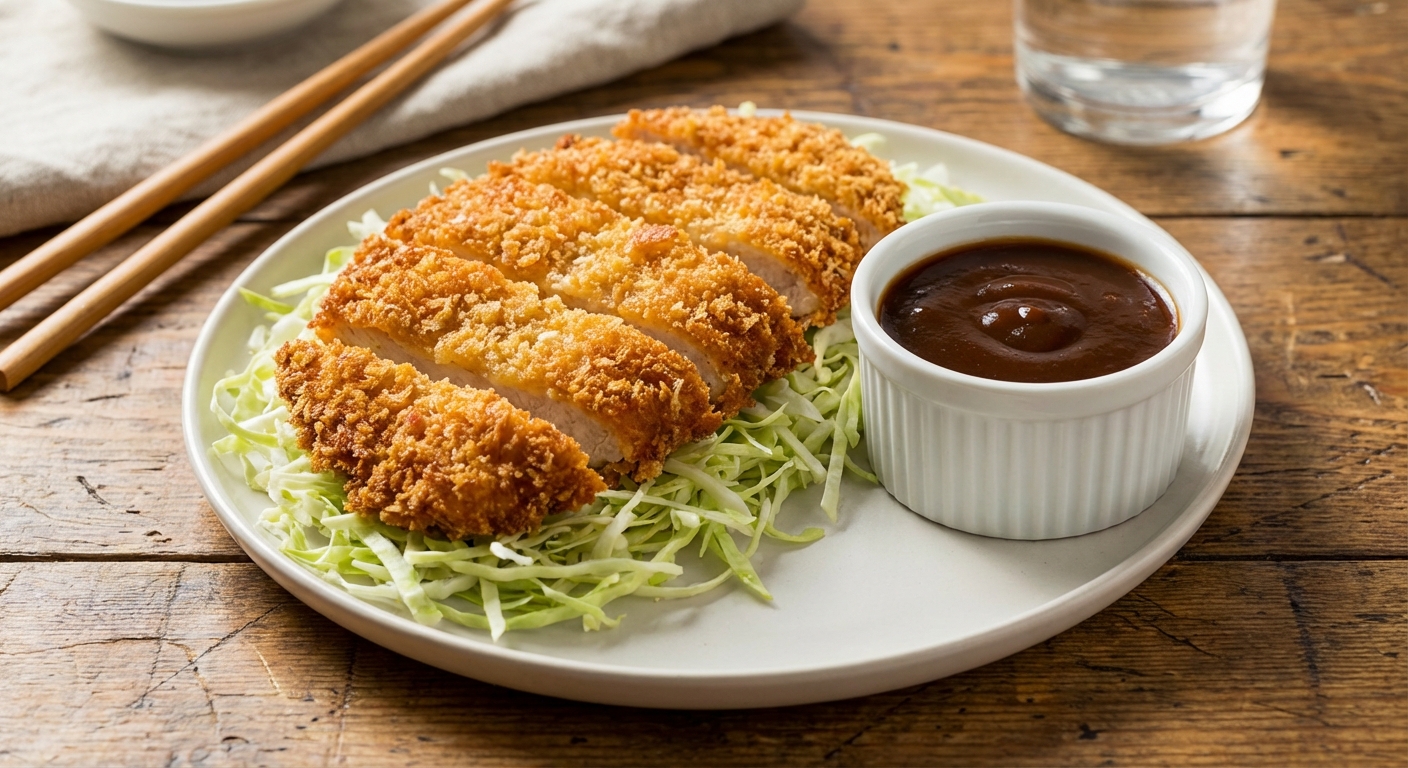
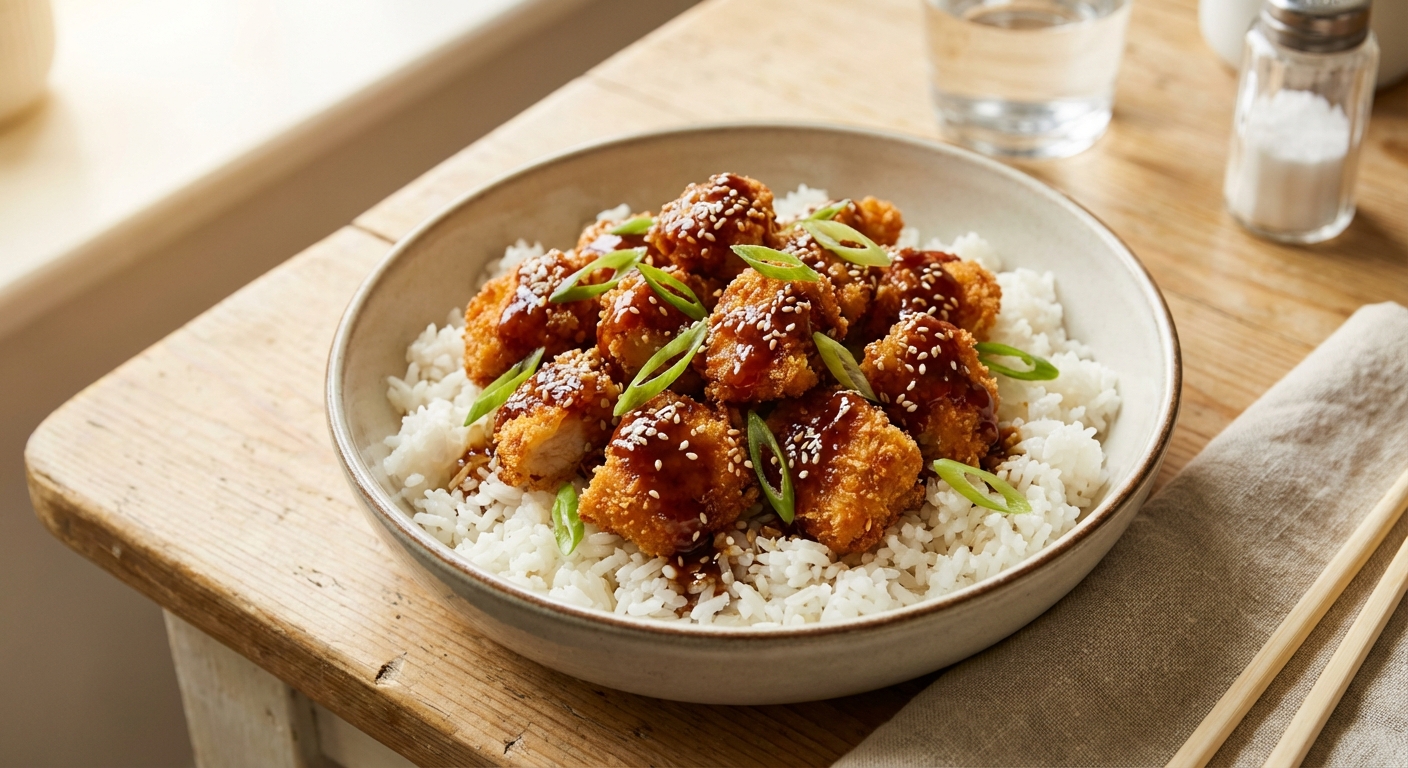
A real photo of crispy breaded chicken teriyaki pieces glazed in a shiny sauce, served over steamed rice with sliced scallions and sesame seeds on a neutral kitchen table

If you want chicken teriyaki flavors that actually earn the name, it needs two things: a sauce that tastes like you cooked it on purpose, and chicken with edges that crackle when you bite in. This is that recipe, with a crispy, katsu-style twist.

We’re going for a cozy, hearty bowl situation: crunchy chicken, fluffy rice, and a glossy teriyaki glaze that clings instead of pooling sadly at the bottom. The trick is simple. We crisp the chicken first, then toss it in sauce at the last second so it stays crunchy where it counts.

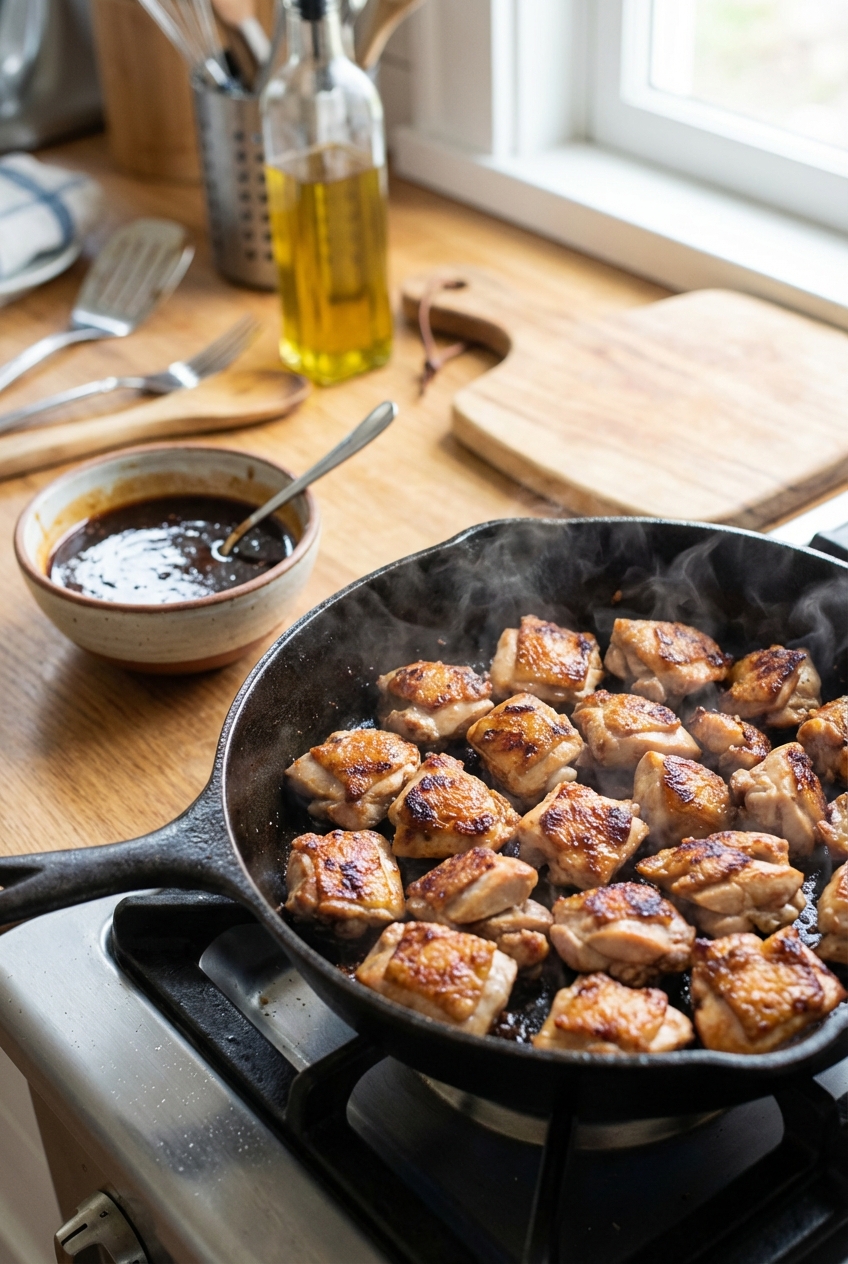
A real photo of a skillet with bite-sized pieces of chicken browning until crisp, with a small bowl of teriyaki sauce nearby on the counter

Why It Works

  • Crispy, crunchy chicken thanks to a quick cornstarch dredge and a hot pan.
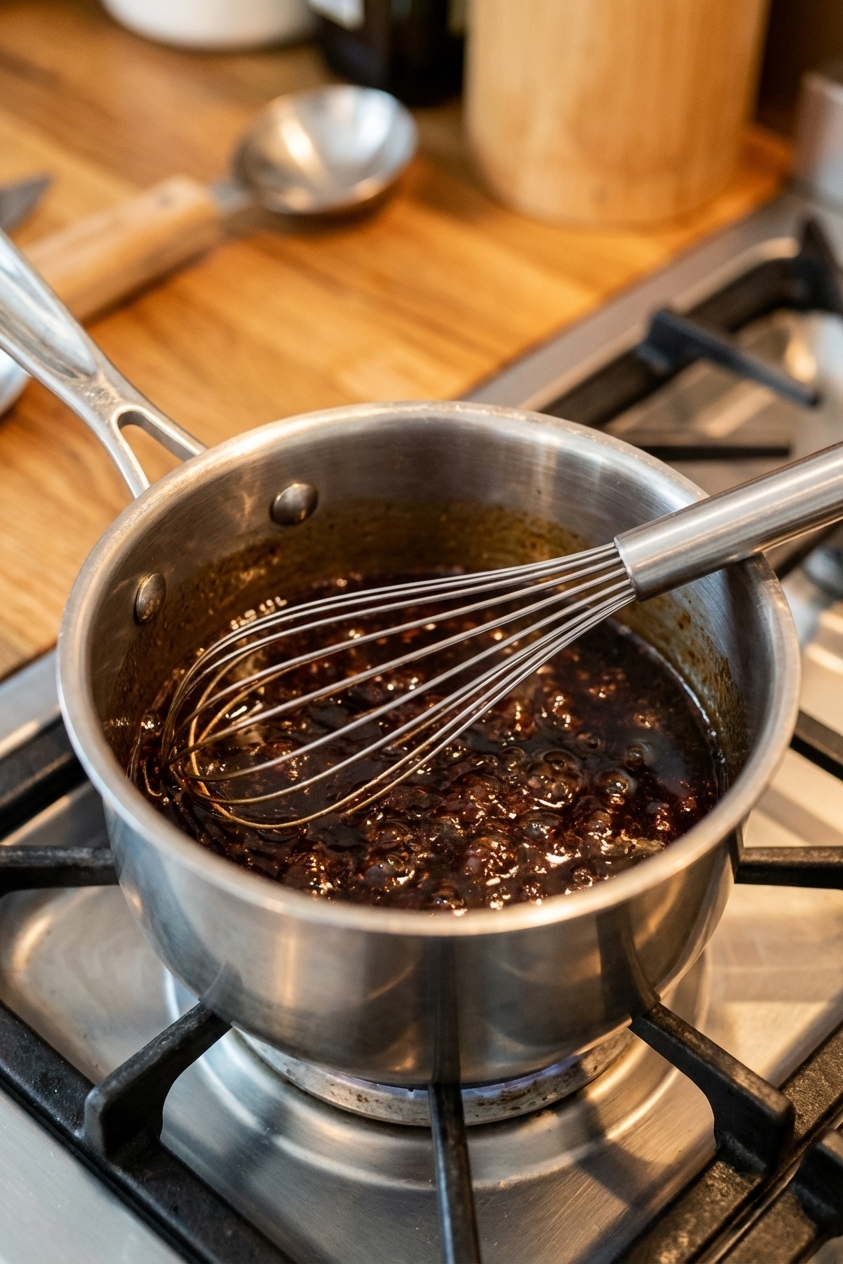
  • Thick, glossy teriyaki that is homemade in minutes and tastes brighter than bottled.
  • No soggy regret because we glaze at the end, off the heat, so the coating stays snappy.
  • Accessible ingredients you can find at any grocery store, with easy swaps if you are missing something.

Pairs Well With

Storage Tips

Best move: store the chicken and sauce separately if you can. Crunch hates the fridge, but we can help it bounce back.

Refrigerator

  • Chicken: airtight container, up to 3 days.
  • Sauce: jar or container, up to 5 days.
  • Rice: spread on a tray or shallow container so it cools fast, then refrigerate within 1 hour. Keep up to 4 days.

Freezer

  • Chicken: freeze on a sheet pan, then bag it. Best within 2 months.
  • Sauce: freezes well for up to 3 months.

Reheating (so it stays crispy)

  • Air fryer: 375°F for 5 to 8 minutes, shaking halfway.
  • Oven: 425°F on a rack or sheet pan for 8 to 12 minutes.
  • Then warm the sauce separately and toss right before eating.

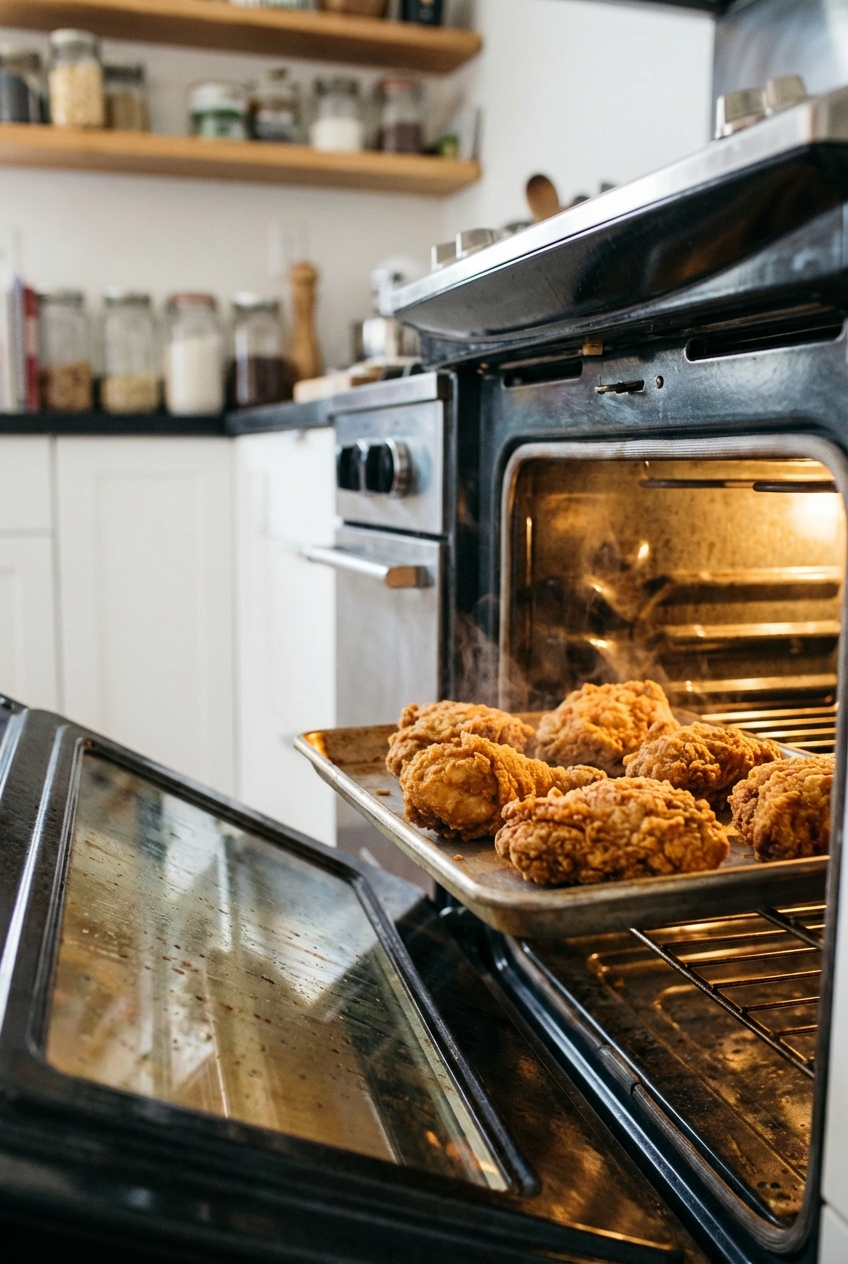
A real photo of crispy chicken pieces reheating on a sheet pan in an oven with the door slightly open

Common Questions

Is this traditional chicken teriyaki?

This is a crispy, katsu-style riff: breaded and pan-fried, then glazed. Classic Japanese teriyaki is usually unbreaded and pan-seared or grilled with a soy, mirin, sake, sugar-style sauce. This version is about crunch plus a glossy glaze, and it is very much on purpose.

Can I use chicken thighs instead of breasts?

Yes, and they are fantastic here. Thighs stay juicy and are harder to overcook. Just trim extra fat and keep pieces bite-sized so they crisp evenly.

How do I keep the chicken crunchy after adding sauce?

Two rules: make sure the chicken is fully crisped first, and toss with sauce off the heat right before serving. If it sits in sauce too long, the coating will soften. Still tasty, just less crunchy.

Is teriyaki sauce supposed to have sesame oil in it?

Not required, but a small drizzle at the end adds aroma. Think of it as a finishing move, not the base.

My sauce is too thin. What did I do wrong?

Probably nothing. Simmer 30 to 90 seconds longer, or mix 1 teaspoon cornstarch with 1 tablespoon cold water and whisk it in while simmering until glossy.

Can I make this gluten-free?

Yes, with a few swaps. Use gluten-free tamari instead of soy sauce, and use gluten-free panko (check the label) or swap in crushed rice cereal or cornflake crumbs. Also make sure your vinegar and cornstarch are certified gluten-free if needed.

Does this make enough sauce for all the chicken?

Yes, it is enough to glaze everything. If you like extra sauce for drizzling, double the sauce or reserve a few spoonfuls before you toss and use it at the table.

Chicken teriyaki was one of the first “restaurant-style” things I tried to nail at home, back when I was more interested in results than perfect technique. I kept making the same mistake: I would drown the chicken in sauce too early and wonder why my “crispy” dinner turned into tender, saucy chicken. Which is not bad, but it is not the point.

This version is my grown-up fix. Get the crunch first, glaze at the end, and taste the sauce like you mean it. It is the kind of dinner that makes the kitchen feel alive without turning it into a full-contact sport.