Why do my stir fry vegetables turn out soggy?
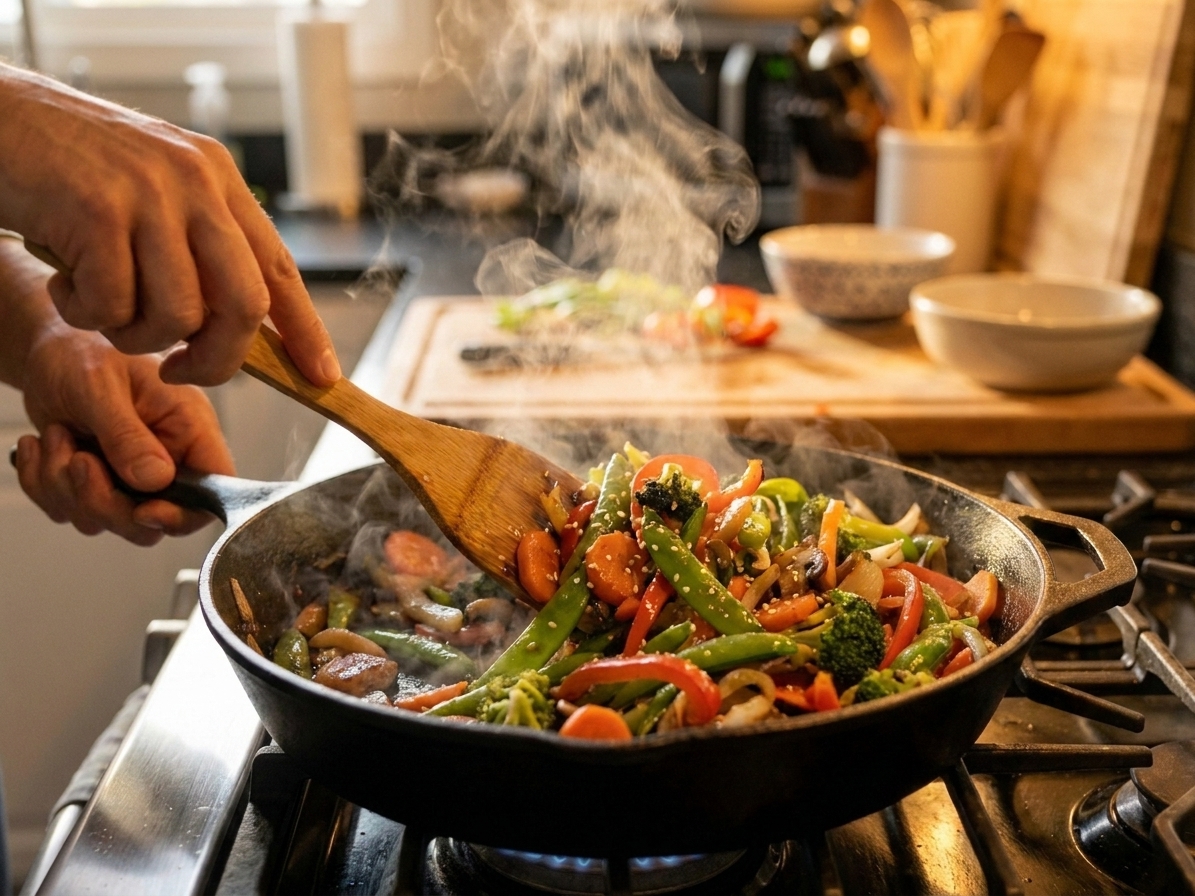
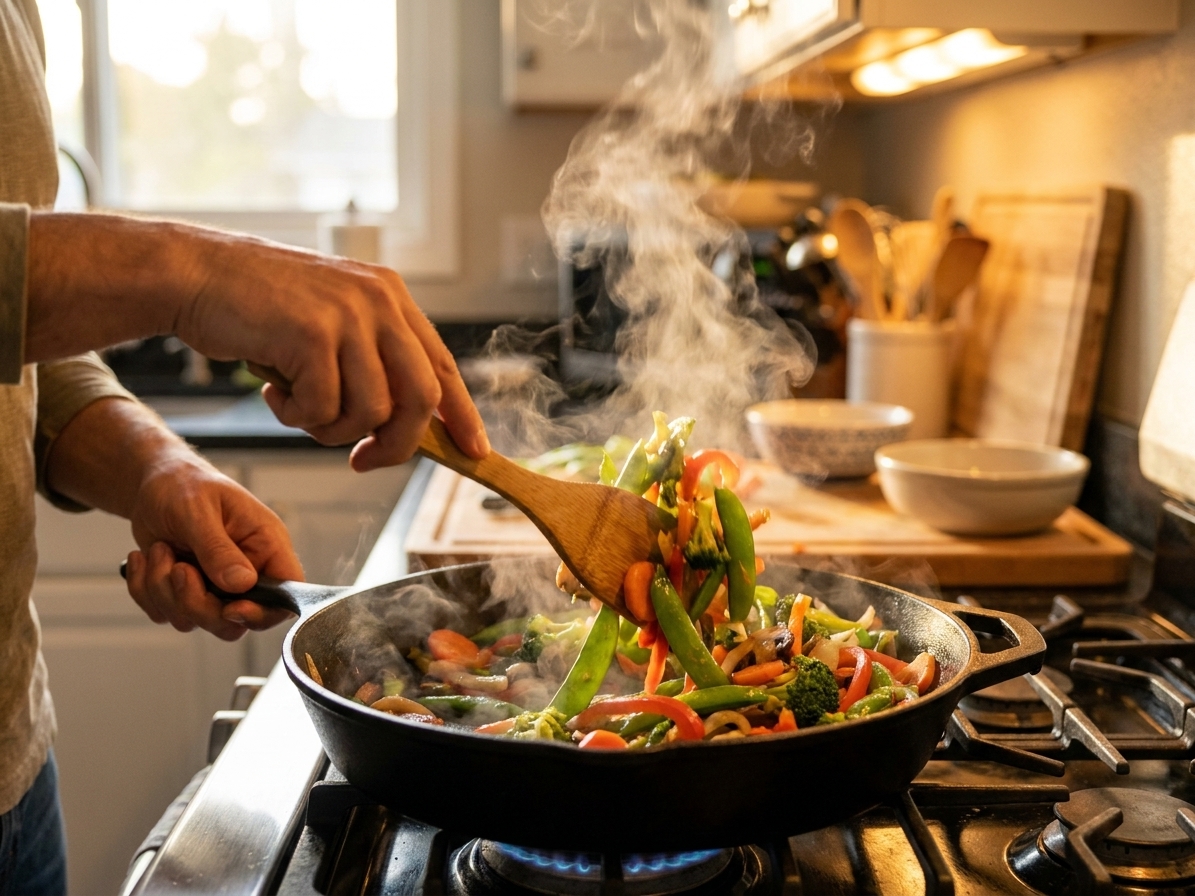
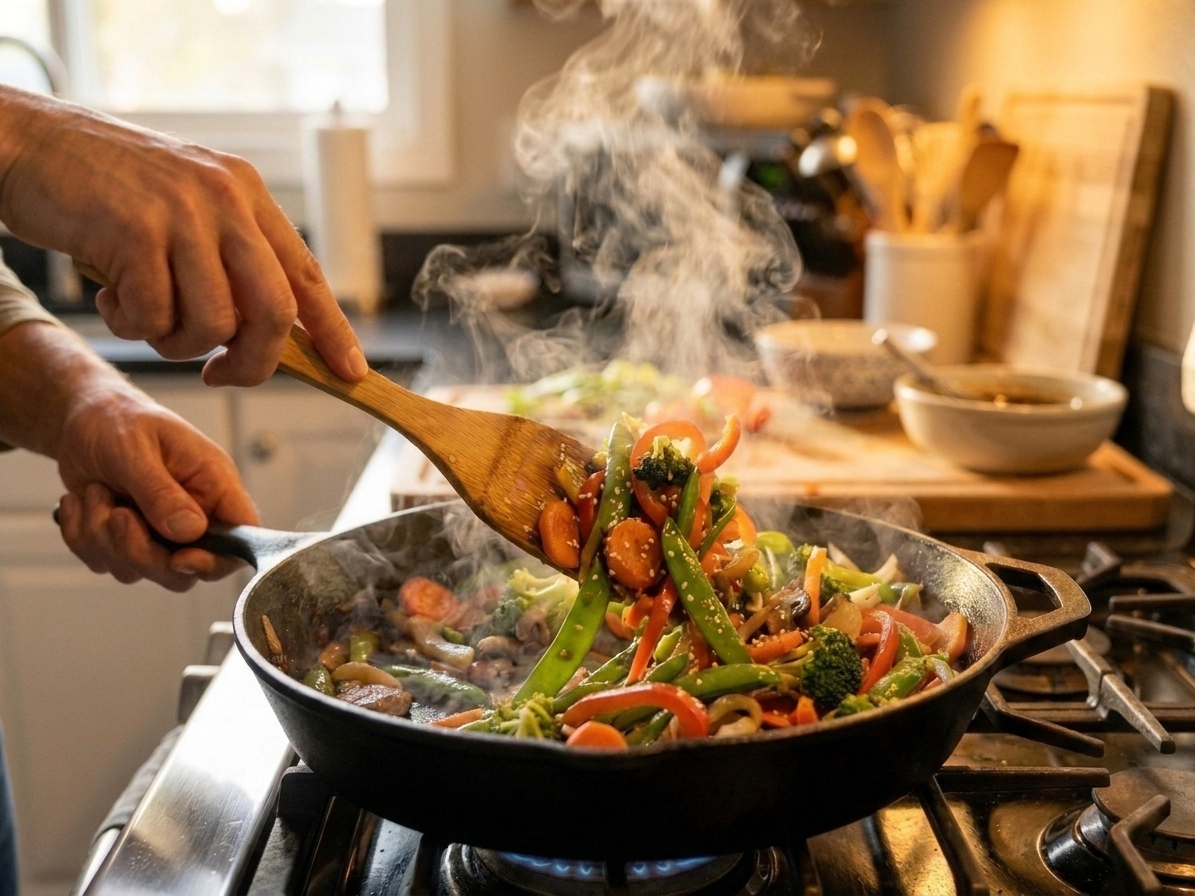
Usually it is one of three things: the pan is not hot enough, the pan is crowded, or the veggies were wet. Pat vegetables dry, preheat the pan until it is properly hot, and cook in batches so moisture can evaporate fast instead of pooling.
What vegetables are best for stir fry?
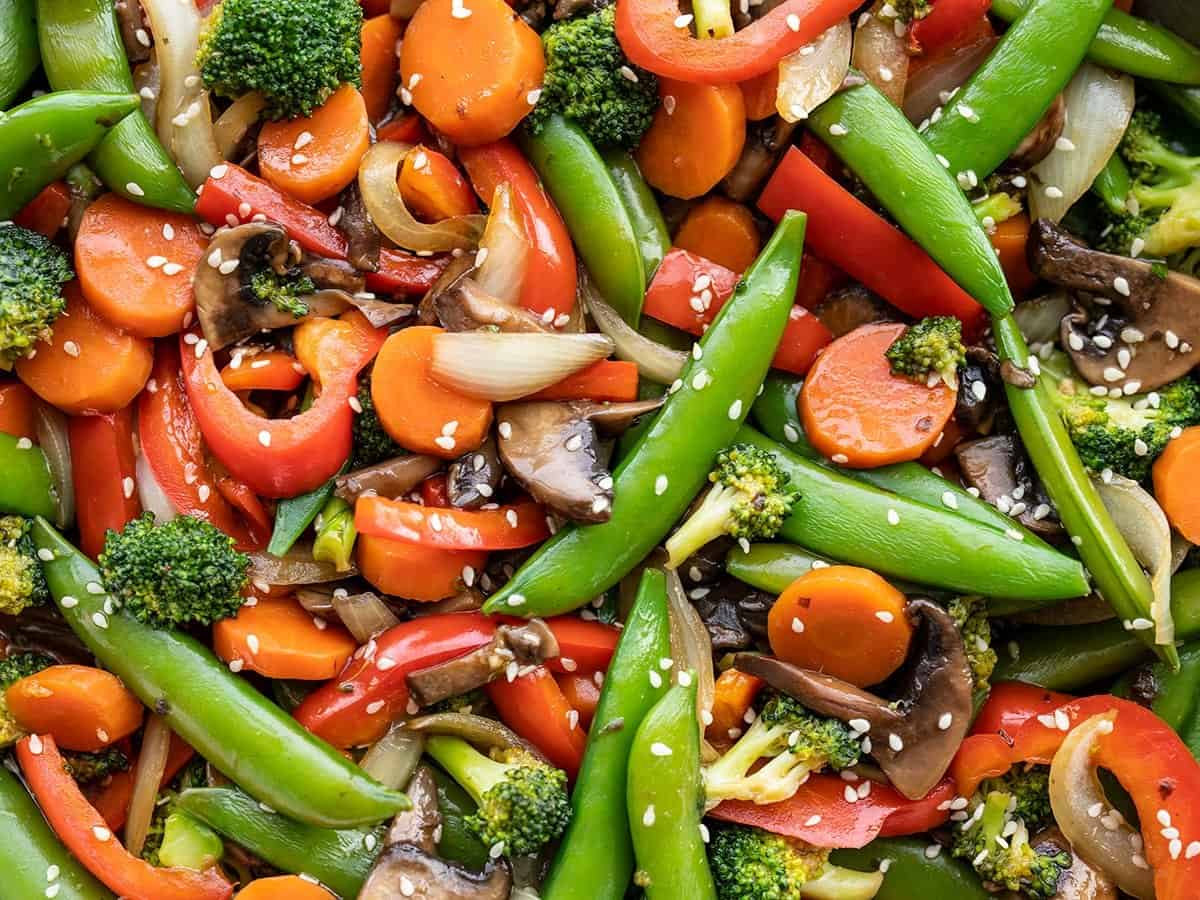
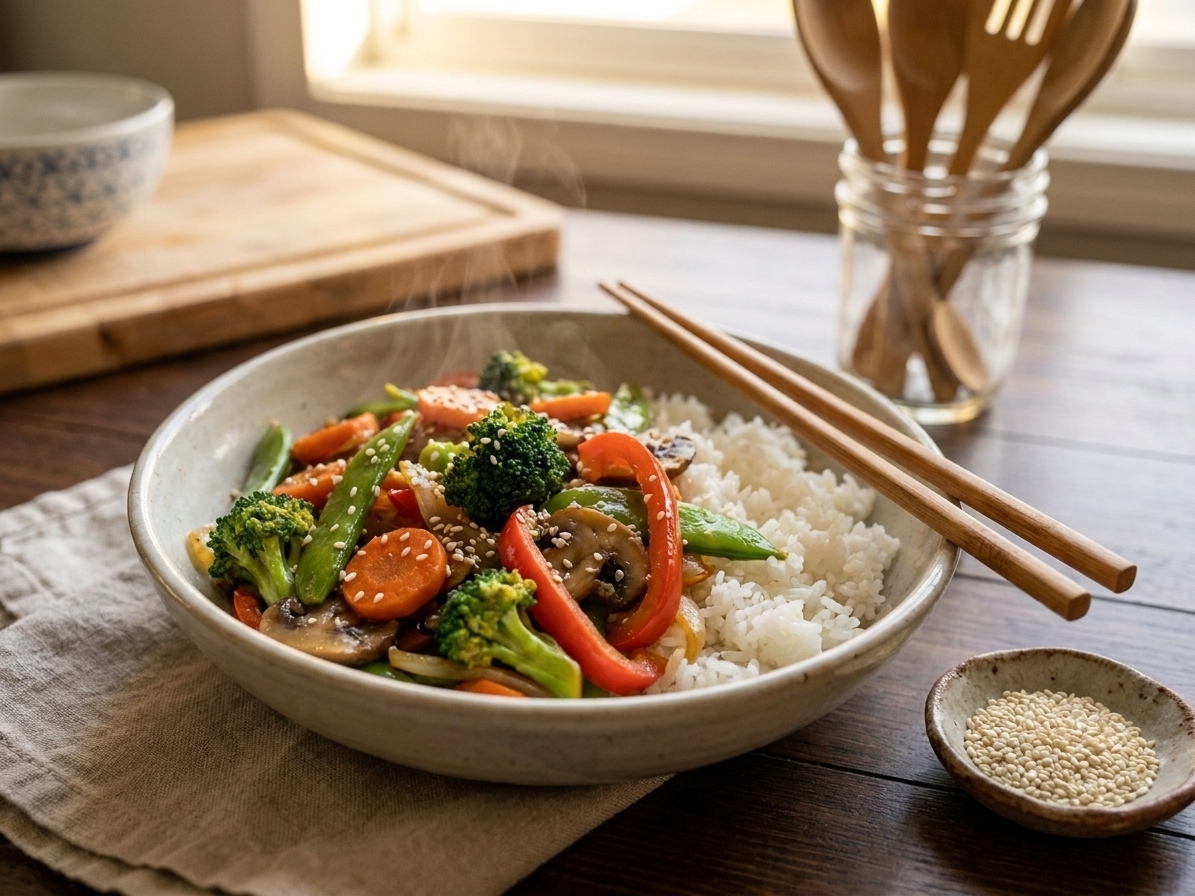
Go for sturdy, quick-cooking vegetables: broccoli, bell peppers, snap peas, green beans, carrots, mushrooms, zucchini, cabbage, and onions. Softer greens like spinach work too, just add them at the very end.
How do I cut veggies so they cook evenly?
Small details matter here. Slice carrots thin (coin-thin or on a bias) so they go crisp-tender fast. Keep broccoli florets on the smaller side, with similar thickness stems, so they cook at the same pace as the rest of the pan.
Can I use frozen vegetables?
Yes. Use them straight from frozen. Cook in a hot pan with a bit of oil until any water cooks off, then add sauce. Frozen veggies will be a little softer, but you can still get good flavor and a glossy finish.
Do I need a wok?
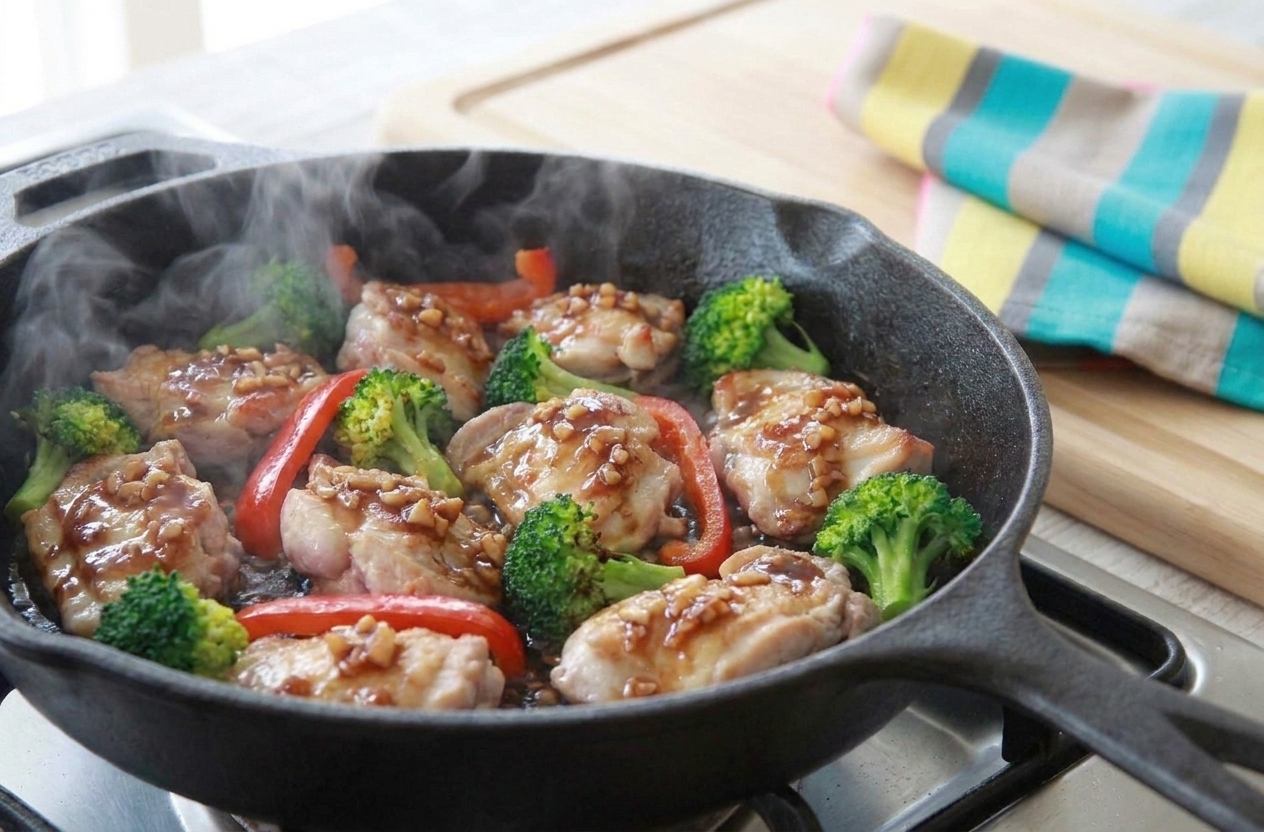
Nope. A large skillet works great. Cast iron or stainless steel gives you better browning. Nonstick is fine for convenience, but you will get less sear. If you are using a skillet, batch cooking is your best friend.
My stove is not super powerful. What should I do?
Use medium-high heat instead of max, and give the pan a little more time to reheat between batches. You can also cook slightly smaller batches so the pan stays hot and the veggies fry instead of steam.
How do I add protein?
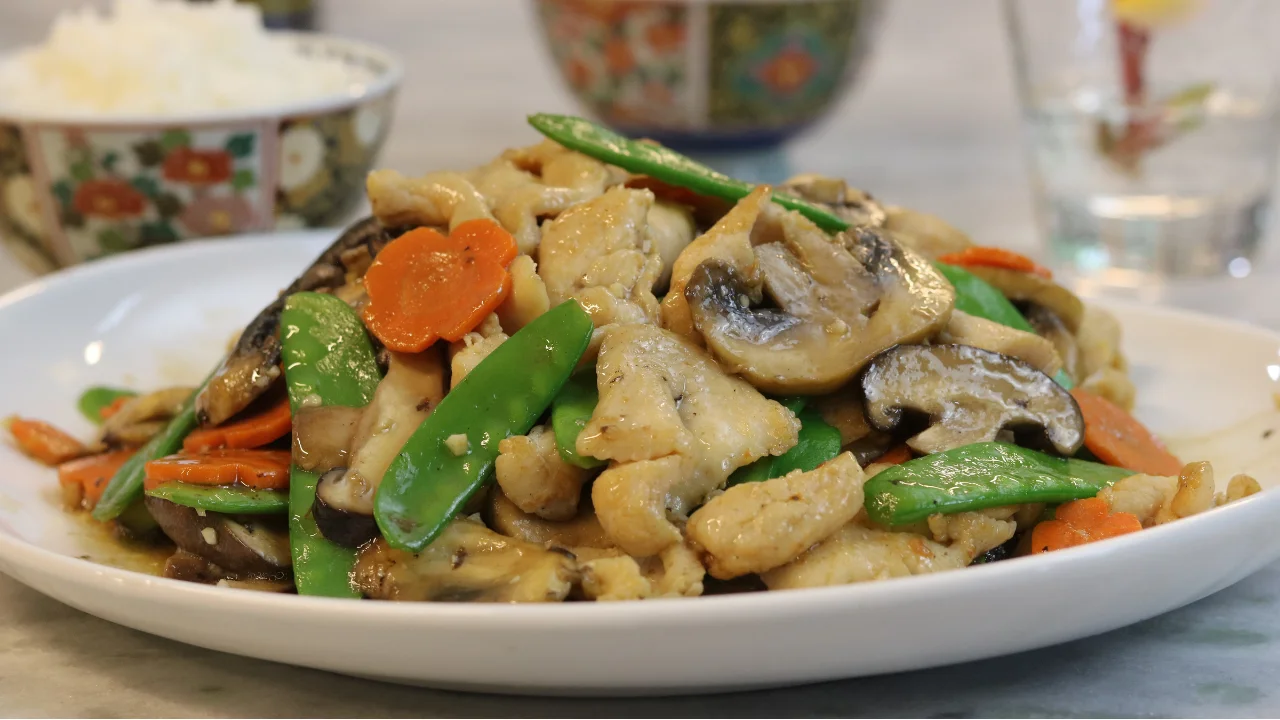
Quick options: pan-sear sliced chicken, shrimp, tofu, or thin steak first, remove to a plate, then stir fry the vegetables in batches and add the protein back in with the sauce.