Mom's Best Recipes
Recipe

Crusty Sourdough Bread Loaf

A crackly, golden sourdough boule with a chewy crumb and that tangy, bakery-level flavor, made with simple ingredients and clear, low-drama steps.

Author By Matt Campbell
4.8
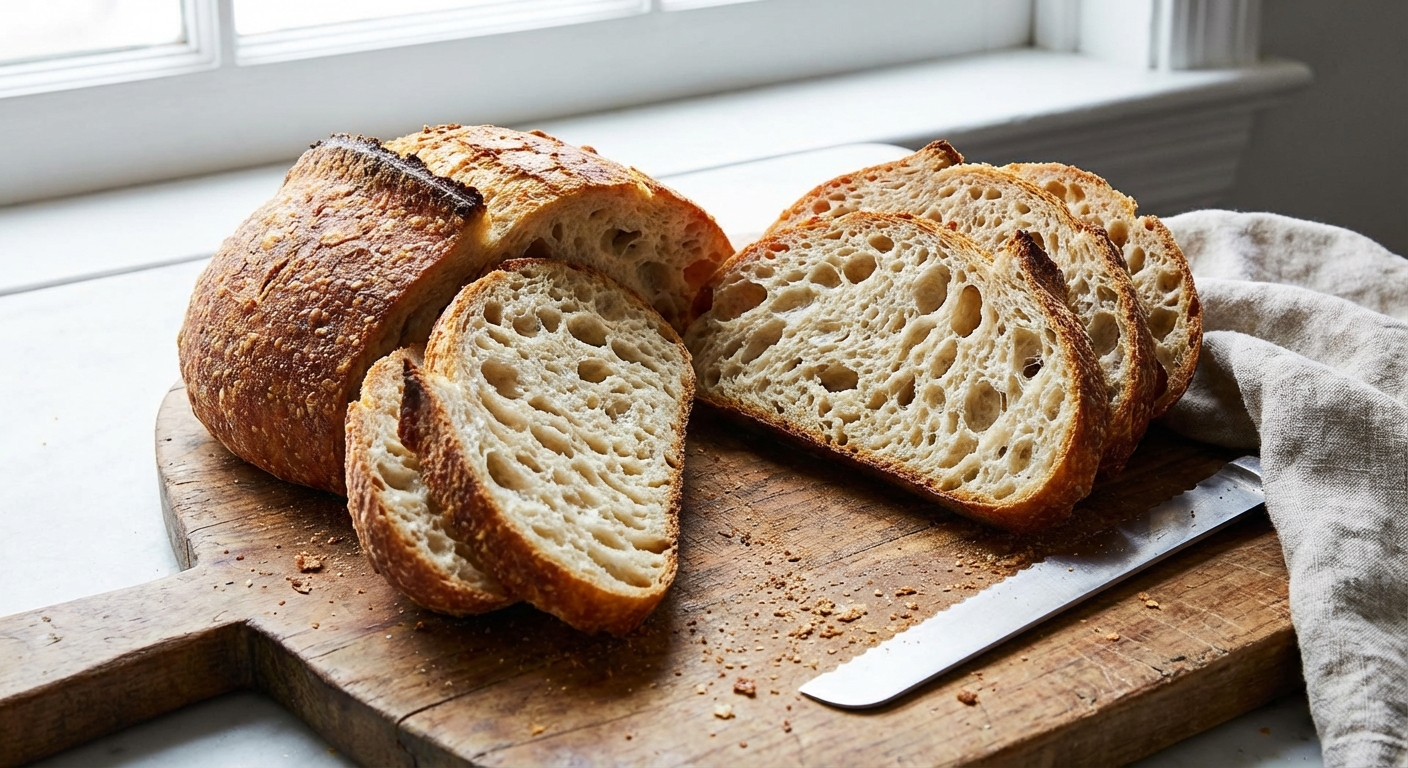
A golden-brown crusty sourdough boule on a wooden cutting board with a few sliced pieces showing an airy crumb

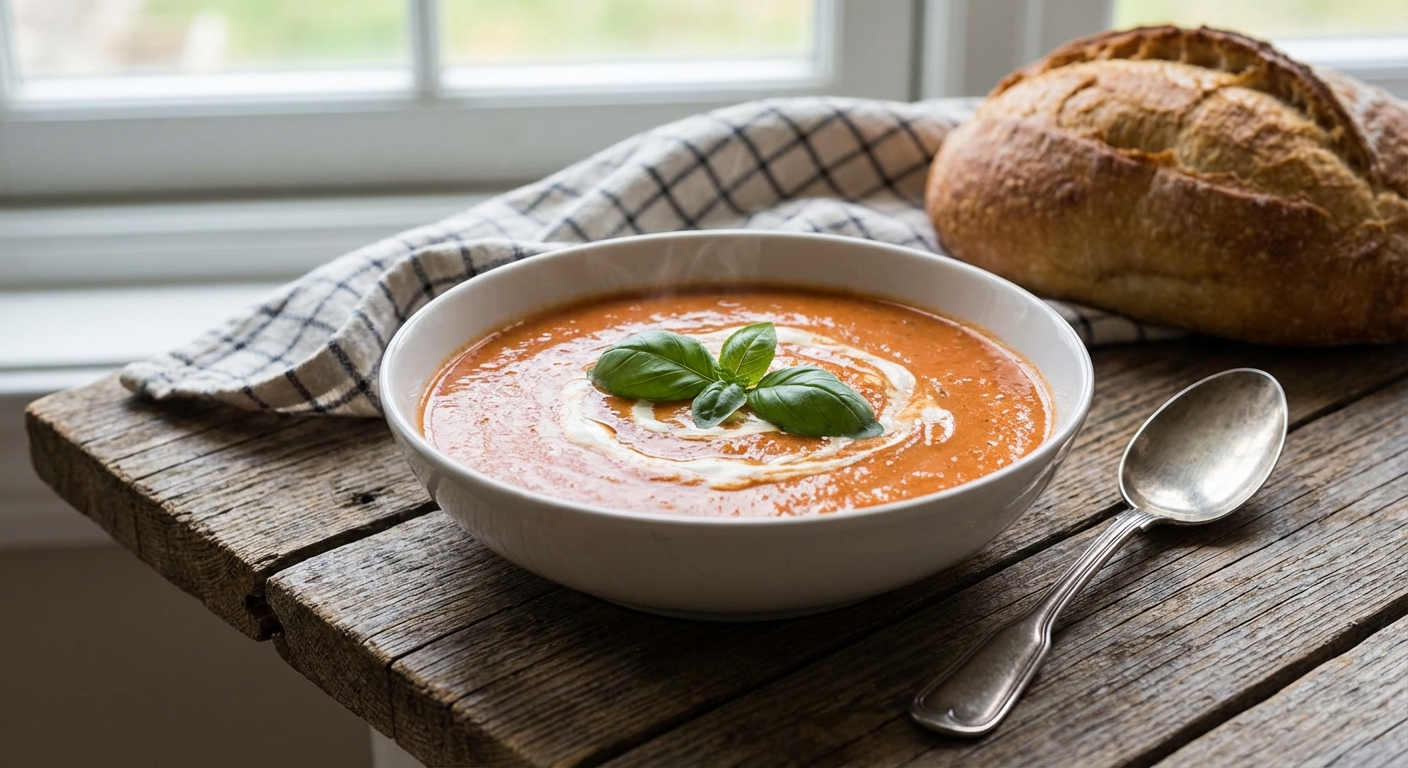
If you have ever picked up a sourdough loaf and thought, “How is this both a weapon and a cloud,” welcome. This is the crusty sourdough bread loaf I make when I want that deep, caramelized crust, a chewy center, and the kind of aroma that makes neighbors suddenly remember your name.

This recipe is designed for real life. It is mostly hands-off, uses pantry staples, and gives you plenty of little checkpoints so you are not just staring at dough, whispering, “Do something.” You will build strength with a few gentle folds, let time do the heavy lifting, then bake it hot in a Dutch oven so the crust goes full crackle-mode.

Heads up: sourdough runs on a living starter and a schedule that cares deeply about temperature. I give you time ranges and visual cues so you can adjust like a calm bread wizard, even if you are wearing sweatpants.
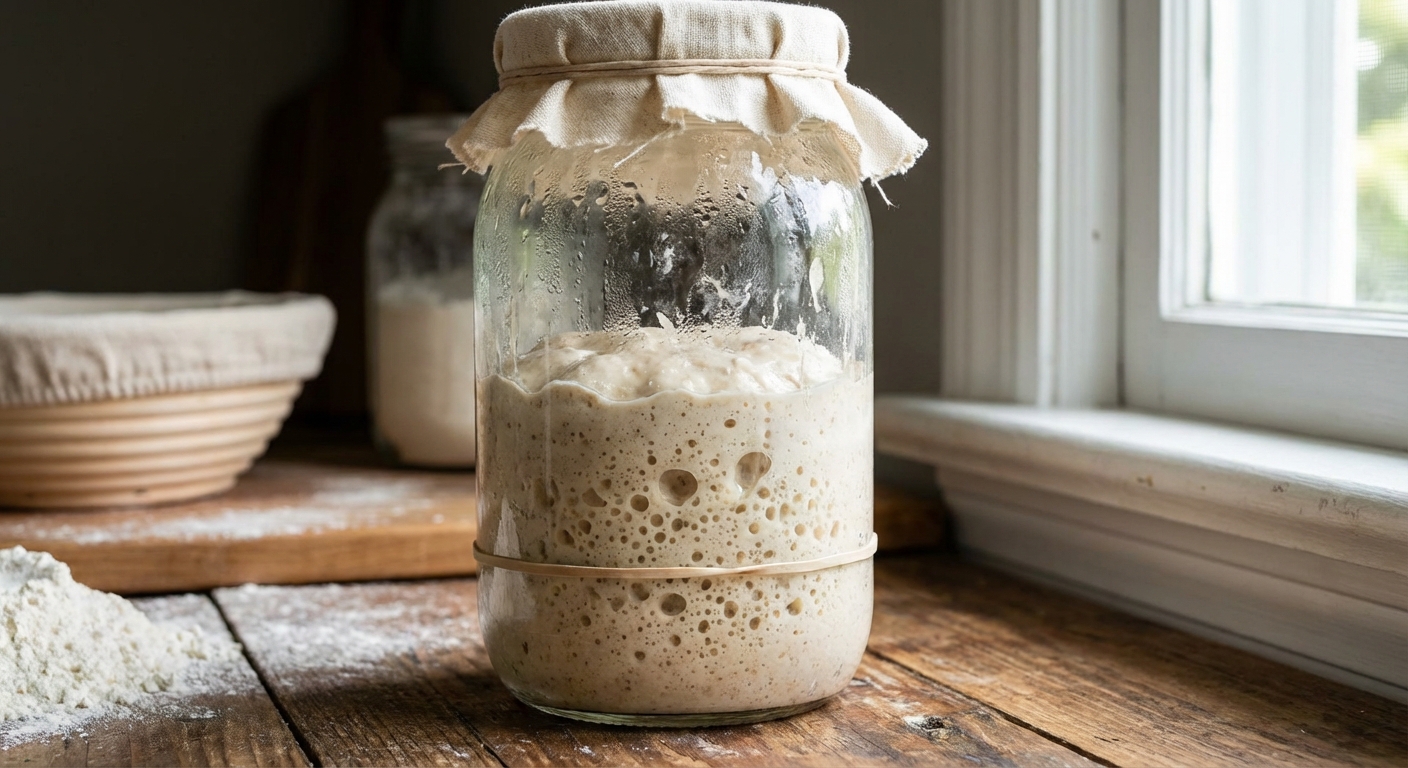

A glass jar of active sourdough starter at peak rise with bubbles on the surface on a kitchen counter

Why It Works

  • High heat plus steam (from the covered Dutch oven) gives you that blistered, shattery crust without needing a fancy oven setup.
  • Stretch and folds build gluten strength gently, which means a better rise and a nice open crumb without kneading yourself into a new personality.
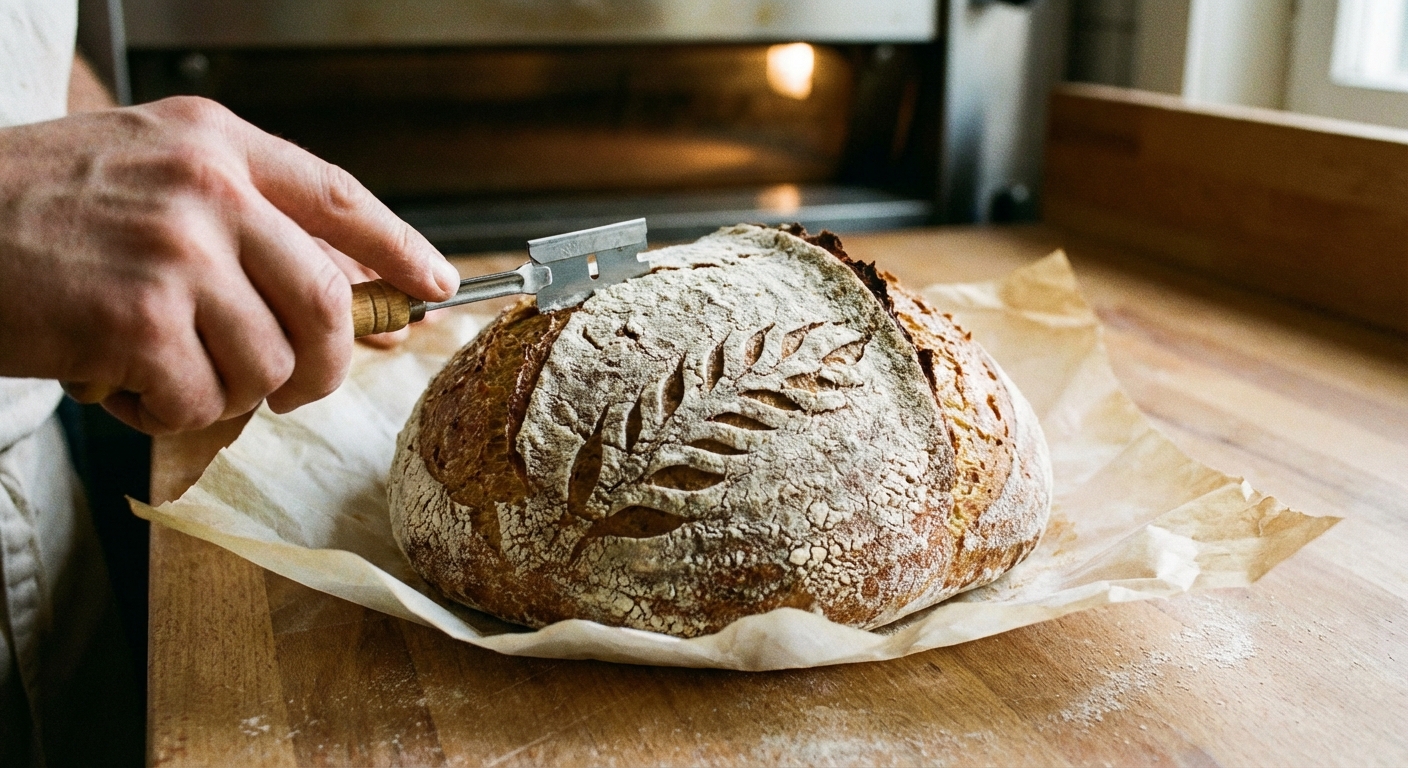
  • Cold overnight proof improves flavor and makes the dough easier to score, which also helps it spring upward instead of spreading out.
  • Simple hydration (about 75%) keeps the crumb chewy and the dough manageable, even if you are newer to sourdough.

Storage Tips

How to Store Sourdough So It Stays Great

  • Day 1 to 2: Store cut-side down on a cutting board, or wrap loosely in a clean kitchen towel. This keeps the crust crisp.
  • Day 3 to 4: Move to a paper bag, or a bread box if you have one. Avoid airtight plastic unless you want a soft crust.
  • Freeze: Slice the loaf, then freeze slices in a freezer bag. Toast straight from frozen. This is the best “future you” gift.
  • Refresh: To revive a whole loaf, mist the crust lightly with water and bake at 375°F (190°C) for 10 to 15 minutes, directly on the rack.

Leftover hero move: Sourdough that is a little stale becomes top-tier toast, croutons, panzanella, and grilled cheese that crunches loud enough to be heard in the next room.

Common Questions

Common Questions

How do I know my starter is ready to bake with?

Use it at peak. It should be bubbly, doubled (or close) in volume, and smell pleasantly tangy. If you drop a spoonful into water, it often floats, but the best test is still rise and bubbles.

My dough feels sticky. Did I mess up?

No. Sourdough starts sticky. Give it 15 minutes of rest after mixing, then do your folds with slightly wet hands. It will tighten up as the gluten develops.

Do I have to cold proof overnight?

You do not have to, but it helps a lot. Cold proofing improves flavor, makes scoring easier, and gives you better oven spring. If you are baking same day, let the shaped dough rise at room temperature until it passes the poke test (see instructions).

What if I do not have a Dutch oven?

You can bake on a preheated sheet pan or baking stone with steam. Put a metal pan on the lower rack and pour in boiling water right after loading the bread. The crust will still be great, just a little less dramatic.

Why did my loaf turn out dense?

Most common culprits are an underactive starter, underproofing, or a cool kitchen that slowed fermentation. Next time, give bulk fermentation more time and watch the dough, not the clock. You want noticeable rise and a dough that looks aerated and jiggly.

How do I keep the bottom from getting too dark?

Place a baking sheet on the rack below your Dutch oven, or set the Dutch oven on top of a room-temperature sheet pan once you uncover it. Also check that your oven is not running hot.

The first sourdough loaf I made that actually looked like a loaf, I carried it around my kitchen like a trophy. I set it down, listened to the crust crackle as it cooled, and felt extremely powerful for someone who still had flour stuck to their elbow. Now this is my go-to: the loaf I bake when I want to turn a random Tuesday into “we live in a charming little bakery now,” even if dinner is just eggs and whatever is lurking in the fridge.