Mom's Best Recipes
Recipe

Cured Salmon Gravlax

Silky, citrusy gravlax with dill, pepper, and a simple cure. Zero cooking, big brunch energy, and it makes you look wildly put-together.

Author By Matt Campbell
4.8
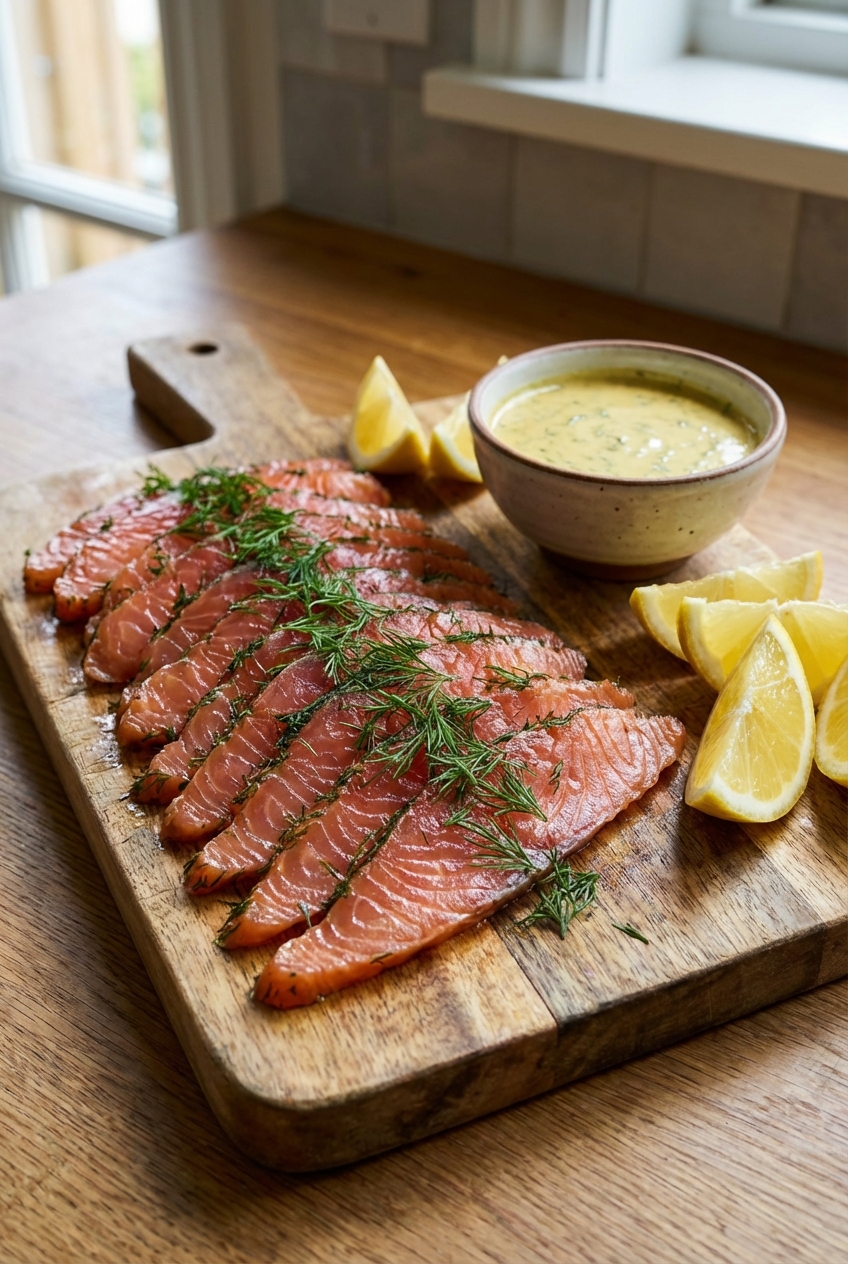
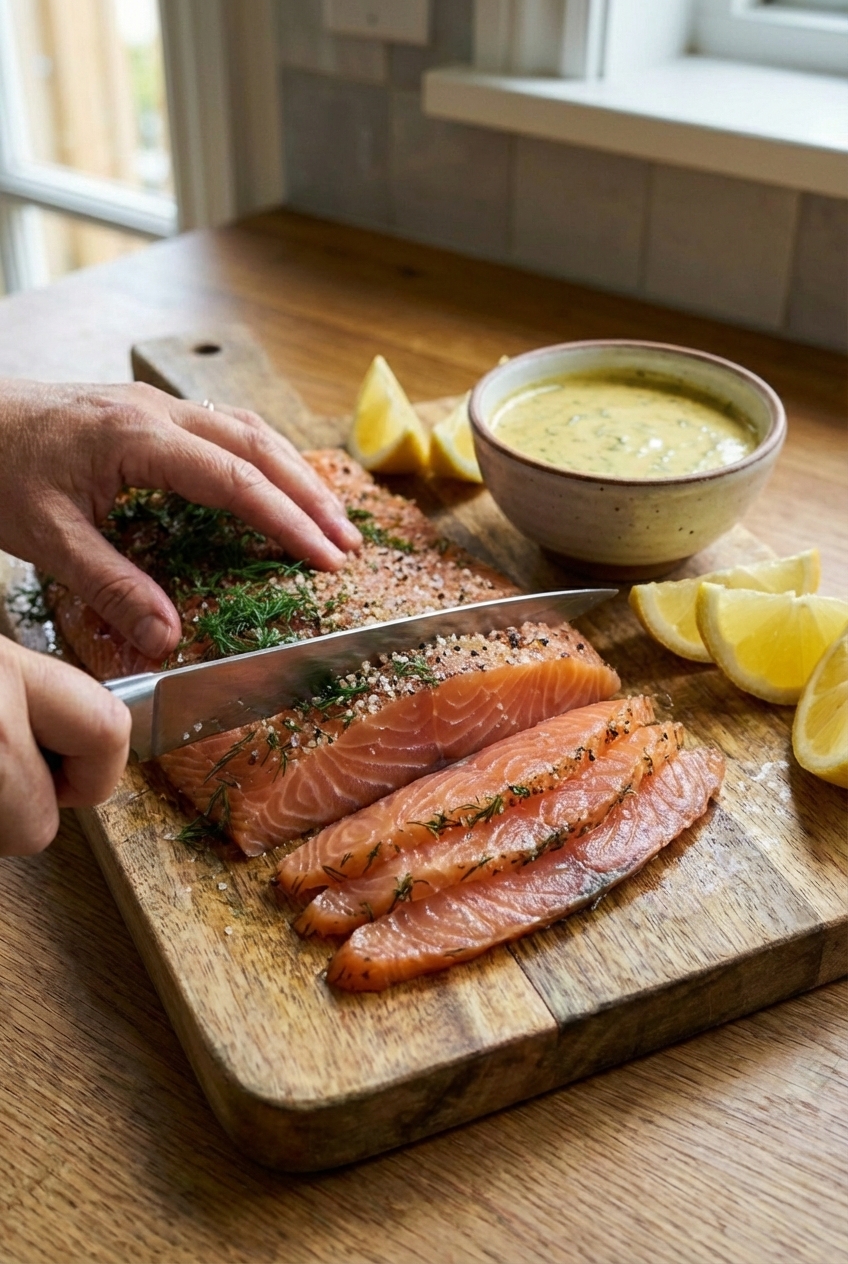
Thin slices of cured salmon gravlax fanned on a cutting board with fresh dill, lemon wedges, and cracked black pepper

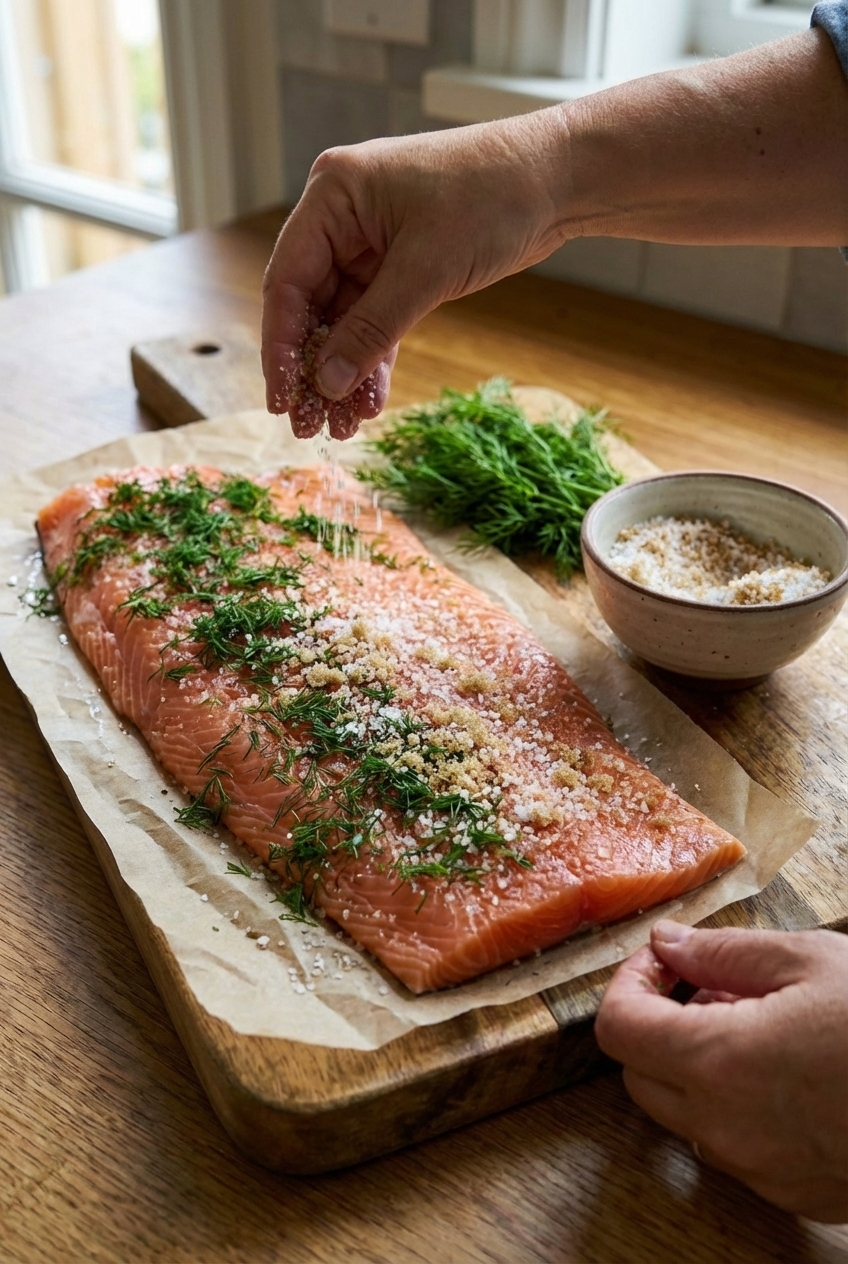
Gravlax is the easiest way to feel like you have your life together, even if your fridge is a little chaotic and you are currently eating standing up. You rub a salmon fillet with a salt and sugar cure, tuck it into the refrigerator, and then wait while time does the work. No stove. No smoke. No drama. Just glossy, sliceable salmon that tastes like it came from a fancy Scandinavian brunch where everyone owns matching mugs.

This version leans bright and herbaceous: dill, lemon zest, and a gentle hit of crushed coriander. It is salty-sweet in the best way, with a clean citrus finish and that buttery salmon texture that makes bagels feel like an event. Serve it on toast with cream cheese, fold it into scrambled eggs, or eat it straight from the cutting board like you are “just testing a slice.” I support you.

Food safety note: This recipe is for curing only, not cooking. Curing does not reliably kill parasites or harmful bacteria. Use the freshest, high-quality salmon you can buy, keep it properly chilled, and consider sourcing fish that has been previously frozen for raw consumption (ask your fishmonger). If you are pregnant, older, immunocompromised, or serving someone who is, talk to a medical professional before eating raw or cured fish.

Why It Works

  • Balanced cure: A reliable salt to sugar ratio seasons the fish without turning it into a salt lick.
  • Great texture: The cure draws out moisture, concentrating flavor and giving you that classic firm, silky gravlax slice.
  • Bright flavor: Lemon zest and dill keep it fresh, while coriander and pepper add depth without bullying the salmon.
  • Make-ahead magic: Most of the work happens while you do literally anything else.

Storage Tips

Gravlax is a meal-prep flex, but it likes the cold and hates air.

Refrigerator

  • Wrap tightly in plastic wrap or store in an airtight container.
  • Keep it on a cold shelf of your fridge, not in the door.
  • Best within 3 to 5 days after you finish curing and rinse or wipe it clean (the clock starts once it is cured). With excellent handling and a very fresh fillet, it can last up to 7 days, but trust your senses and stay conservative if you are serving guests.

Freezer

  • Yes, you can freeze it. Wrap in plastic, then a freezer bag, and press out as much air as possible.
  • Freeze up to 1 month for best texture.
  • Thaw overnight in the fridge. Do not thaw on the counter.

Serving tip

  • Slice what you need and re-wrap the rest. Less air exposure keeps it silky and clean-tasting.

Common Questions

What kind of salmon should I buy for gravlax?

Look for very fresh salmon from a reputable fish counter. Ask for a center-cut fillet for even thickness. “Sushi-grade” is not a regulated term, but it can signal careful handling. If the fish smells strongly fishy, pick something else.

Do I need to freeze the salmon first?

Curing is not cooking, and it does not reliably kill parasites or pathogens. Freezing can reduce parasite risk, but home freezers may not reliably maintain the required temperatures long enough. If you want extra reassurance, ask your fishmonger whether the salmon has been previously frozen specifically for raw consumption (per parasite-destruction guidance). For reference, FDA-style guidance often cited includes freezing at -4°F (-20°C) for 7 days (in a freezer capable of holding that temp), or -31°F (-35°C) until solid and held at -31°F (-35°C) for 15 hours (commercial equipment).

Can I cure a whole side of salmon?

Yes. Increase the cure proportionally and use a larger dish. The main thing is keeping the fillet thickness relatively even so the cure timing stays consistent.

How long should I cure gravlax?

36 to 48 hours is the sweet spot for most fillets. At 24 hours it is softer and milder. Past 60 hours it can get noticeably firm and salty.

How do I know it is ready?

It should feel firmer to the touch, look a bit deeper in color, and slice cleanly. At 36 hours it is silky and flexible. At 48 hours it is more set and easier to shave into thin sheets. If it still feels very soft and raw-squishy, give it another 8 to 12 hours.

Should I rinse the cure off?

I like a quick rinse under cold water and a very thorough pat-dry. If you prefer a more intense cure, you can wipe it off instead. Either way, dry it well before slicing.

Why is there liquid in the pan?

That is normal. The salt pulls moisture from the fish, creating a brine. Drain it when you flip the salmon halfway through for cleaner flavor and easier handling.

What is the best way to slice gravlax?

Use a long, sharp knife and slice on a bias into thin sheets. If it feels squishy, chill it for 20 to 30 minutes first, then slice.

Do I remove the skin?

Leave the skin on while curing for easier handling. After curing, slice down to the skin and leave it behind, or peel it off in one go by starting at a corner and sliding your knife between skin and flesh at a shallow angle.

The first time I made gravlax, it was because I wanted brunch vibes without brunch effort. I had exactly one plan: impress future-me. So I cured salmon overnight, forgot about it like a champ, and then pulled it out the next day to find it had transformed into something that tasted expensive. Now it is my go-to for hosting, holidays, and any morning where I want a bagel to feel like it has a résumé.