Mom's Best Recipes
Recipe

Restaurant-Style Dal Makhani

Creamy whole black urad and kidney beans simmered with tomato, butter, and cream, finished with a sizzling tadka for that true restaurant vibe.

Author By Matt Campbell
4.8
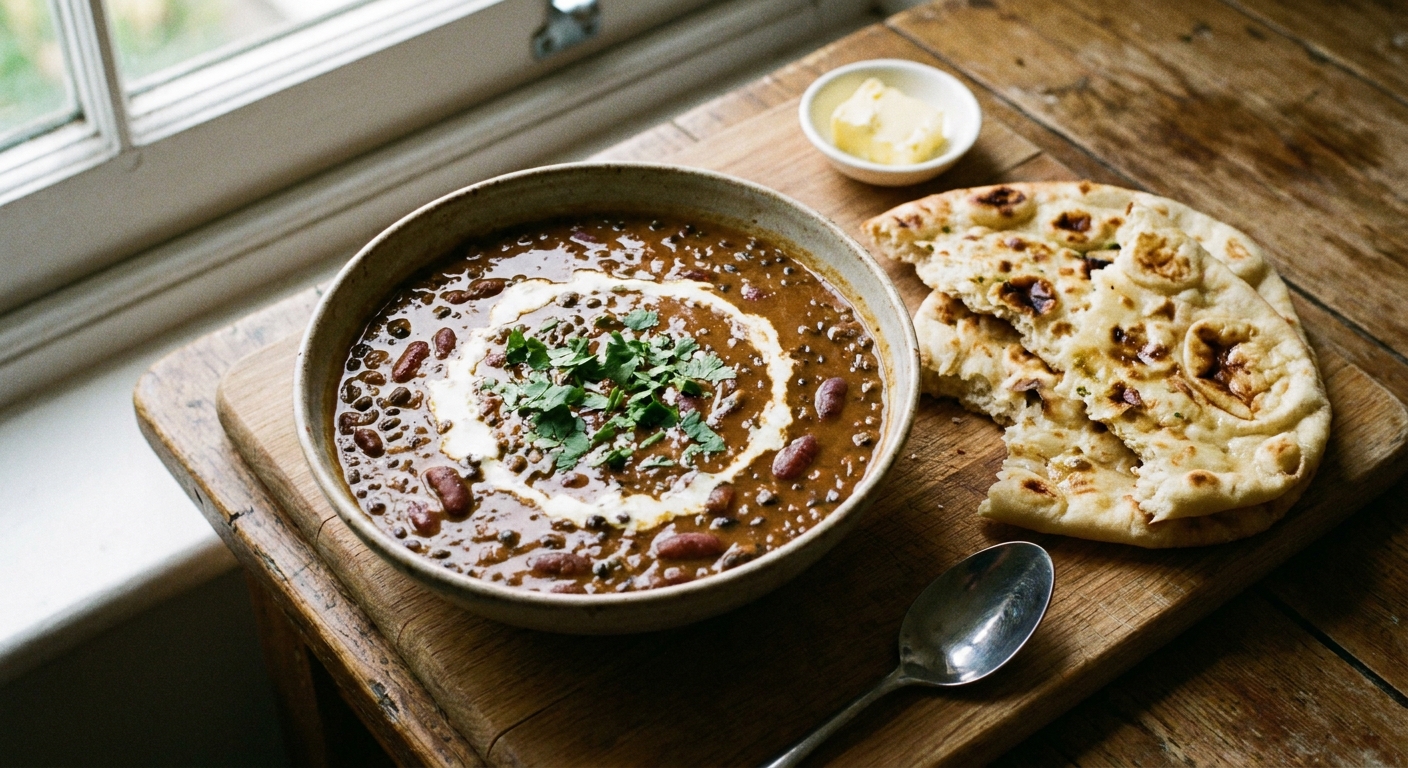
A bowl of restaurant-style dal makhani with glossy whole black urad and kidney beans, finished with a swirl of cream and cilantro, served with warm naan on a wooden table, natural light food photography

Dal makhani is one of those dishes that tastes like it took all day because, honestly, it kind of did. But in the best way. You simmer whole black urad and kidney beans until they turn plush and creamy, then you hit them with tomato, butter, and a little cream. The result is rich, cozy, and somehow still bright enough to keep you going back for “just one more scoop.”

This is restaurant-style dal makhani for real home kitchens: accessible ingredients, clear steps, and two paths depending on your mood and your schedule. Want hands-off? Use the Instant Pot. Want that slow stovetop magic and more control? We do that too. Either way, we finish with a quick tadka so it tastes like you paid for it.
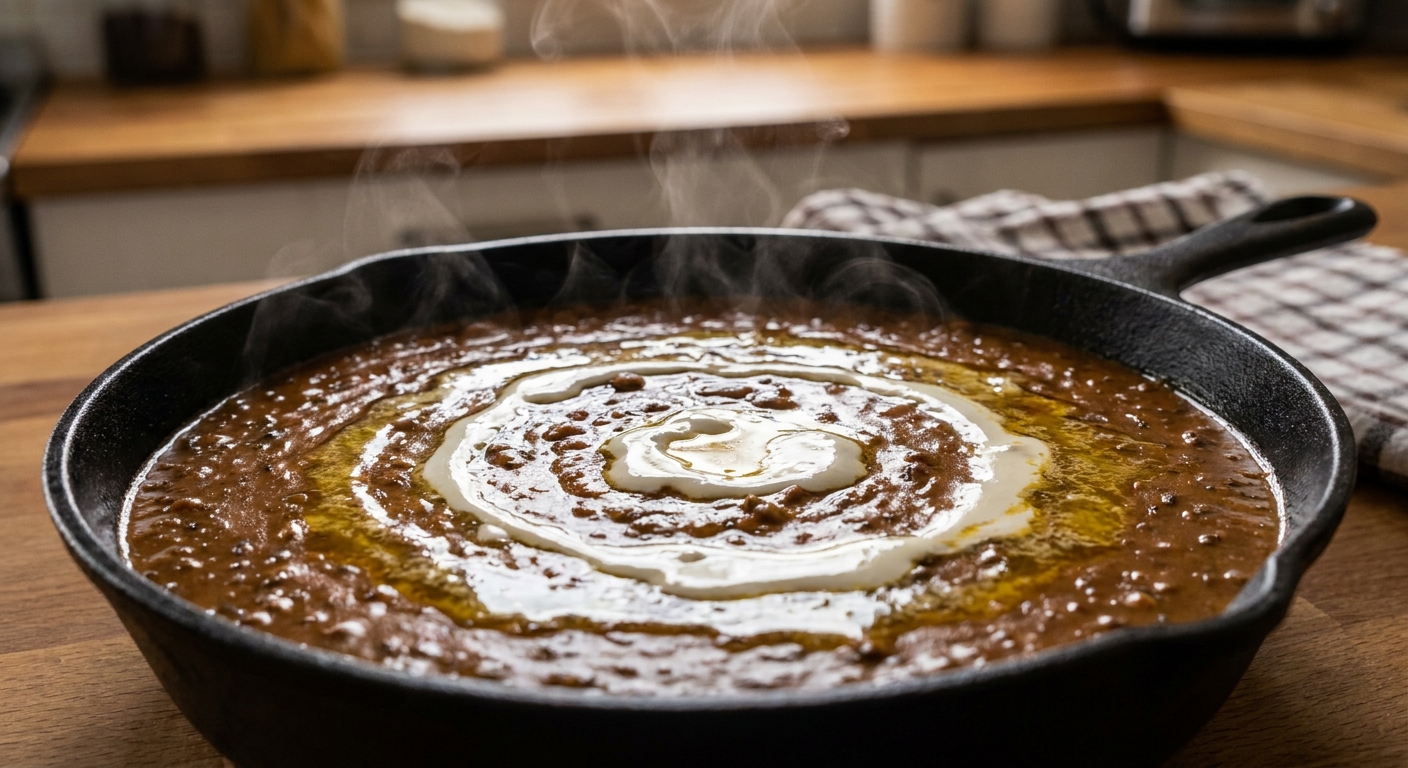
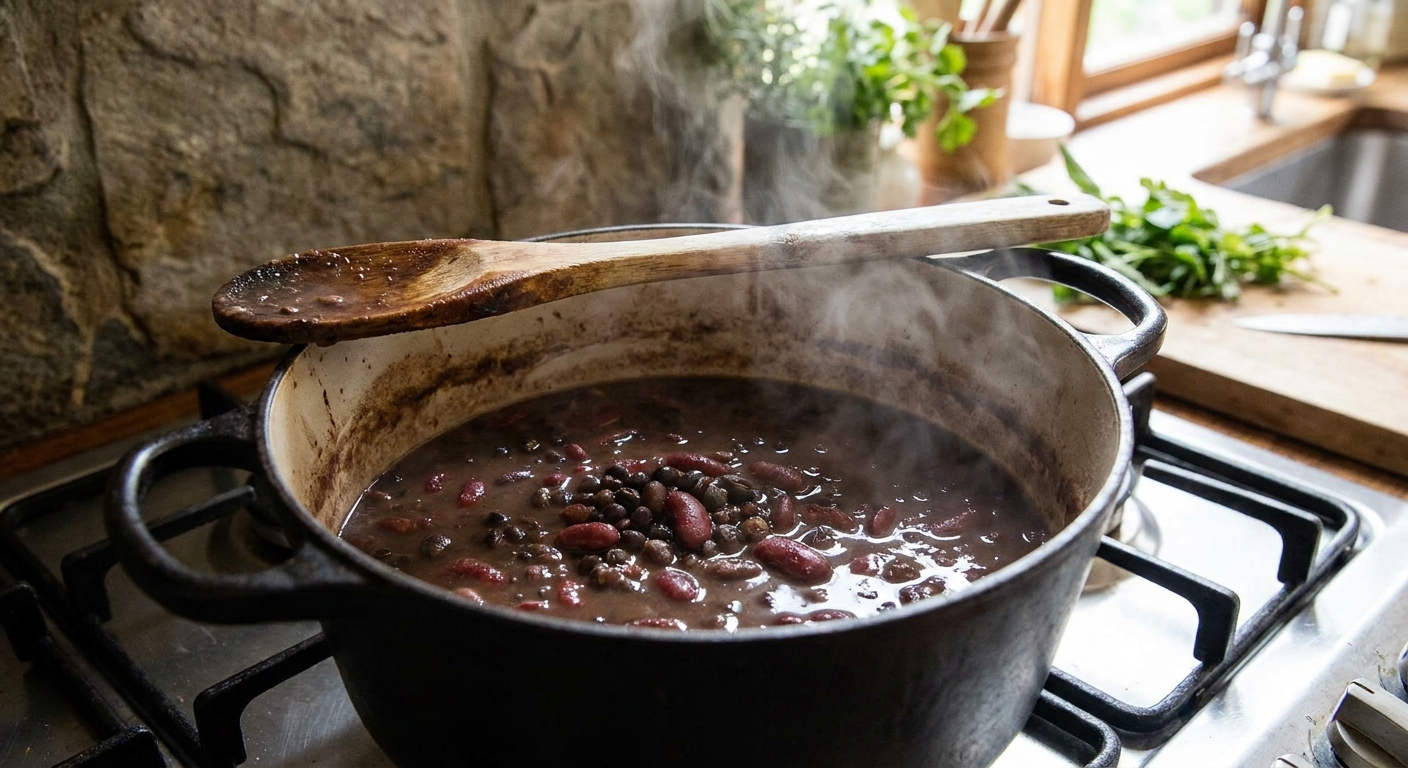
Close-up of dal makhani in a pan, showing a glossy surface with melted butter and a swirl of cream, steam rising in a home kitchen

Why It Works

  • Long simmer flavor without mystery: A simple onion-tomato masala plus slow cooking turns urad into a naturally creamy base.
  • Two reliable methods: Instant Pot for speed and consistency, or stovetop for that classic slow-cooked depth.
  • That restaurant finish: Butter, cream, and a sizzling tadka bring the aroma and shine that makes dal makhani feel special.
  • Freezer friendly: It reheats beautifully, so you can cook once and eat like a genius later.

Pairs Well With

Storage Tips

How to Store Dal Makhani

  • Fridge: Cool completely, then store in an airtight container for up to 4 days. It will thicken as it sits. That is normal and honestly a little magical.
  • Reheat: Warm on the stovetop over medium-low, adding a splash of water as needed. Stir often so the bottom does not scorch. Microwave works too, just stir halfway through.
  • Freezer: Freeze in containers or zip-top bags for up to 3 months. Leave a little headspace because it expands.
  • Freezer pro tip: If you know you are freezing it, consider adding only half the cream now and stirring the rest in after reheating. It keeps the texture extra smooth.

Texture note: Dal makhani gets thicker day two. If you want it looser, add water a tablespoon at a time and simmer for 3 to 5 minutes.

Common Questions

Common Questions

Is dal makhani the same as dal?

Not exactly. “Dal” is the broad category. Dal makhani is a specific creamy dish made with whole black urad (sabut urad), finished with butter and cream. Some versions also include rajma (kidney beans).

Do I have to soak the urad and beans?

For best texture and cook time, yes. Soaking helps them cook evenly and become creamy without blowing out. If you forget, you can still cook them, but plan on longer cook time and slightly less consistent texture.

Can I use canned kidney beans?

Yes. Use 1 (15-ounce) can kidney beans, rinsed and drained. Add them after the whole black urad is fully tender. In the Instant Pot method, stir them in after pressure cooking and simmer 10 to 15 minutes so they absorb flavor.

Why did my kidney beans take forever?

Kidney beans are the wildcard. Older beans can take significantly longer to soften, even after soaking. If the urad is done but the rajma is still chalky, just keep cooking until the beans are truly soft. You can also cook rajma separately if needed.

How do restaurants get it so creamy without blending?

It is a combo of fully cooked urad, time, and frequent stirring. The beans break down and thicken the pot naturally. Butter and cream make it richer, but the urad does the real work.

Do I need kasuri methi?

You do not need it, but it is one of those small moves that makes the whole pot taste more “restaurant.” Crush it between your palms and add near the end.

How spicy is this?

Mild by default. Add extra chili powder or a sliced green chile if you want more heat.

The first time I tried to make dal makhani at home, I treated it like any other lentil dish. I cooked it, tasted it, thought “nice,” and then wondered why it did not hit like the restaurant version. The missing ingredient was not a secret spice. It was patience. Dal makhani wants time, low heat, and a little stirring attention like you are keeping it company.

Now it is my go-to when I want something comforting that also makes the kitchen smell like I have my life together. I usually make a big batch, freeze half, and feel extremely smug about it later when dinner is basically just “heat and eat.”