Mom's Best Recipes
Recipe

Dal Tadka

Creamy lentils simmered with aromatics and finished with a sizzling cumin, garlic, and chili tadka.

Author By Matt Campbell
4.8
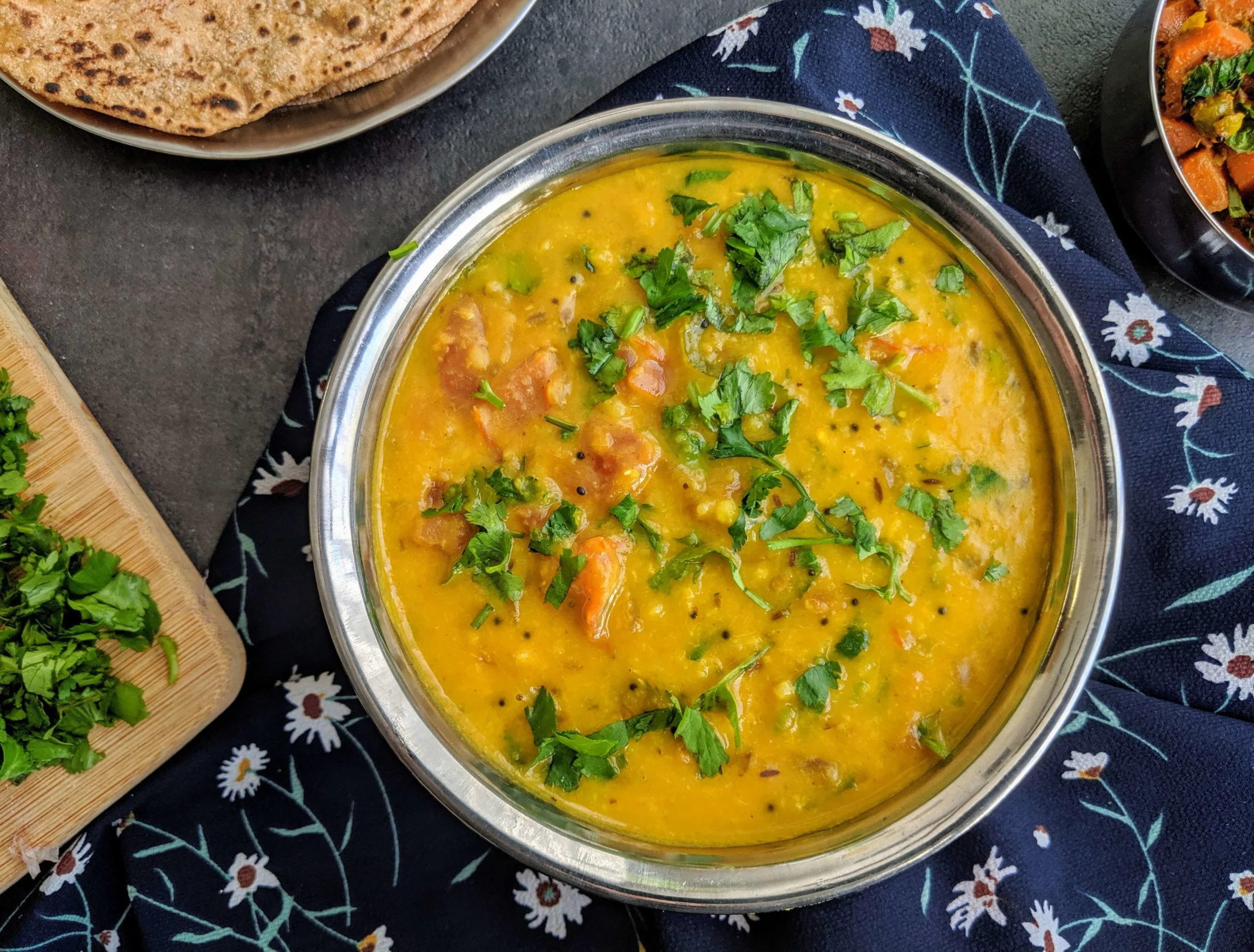
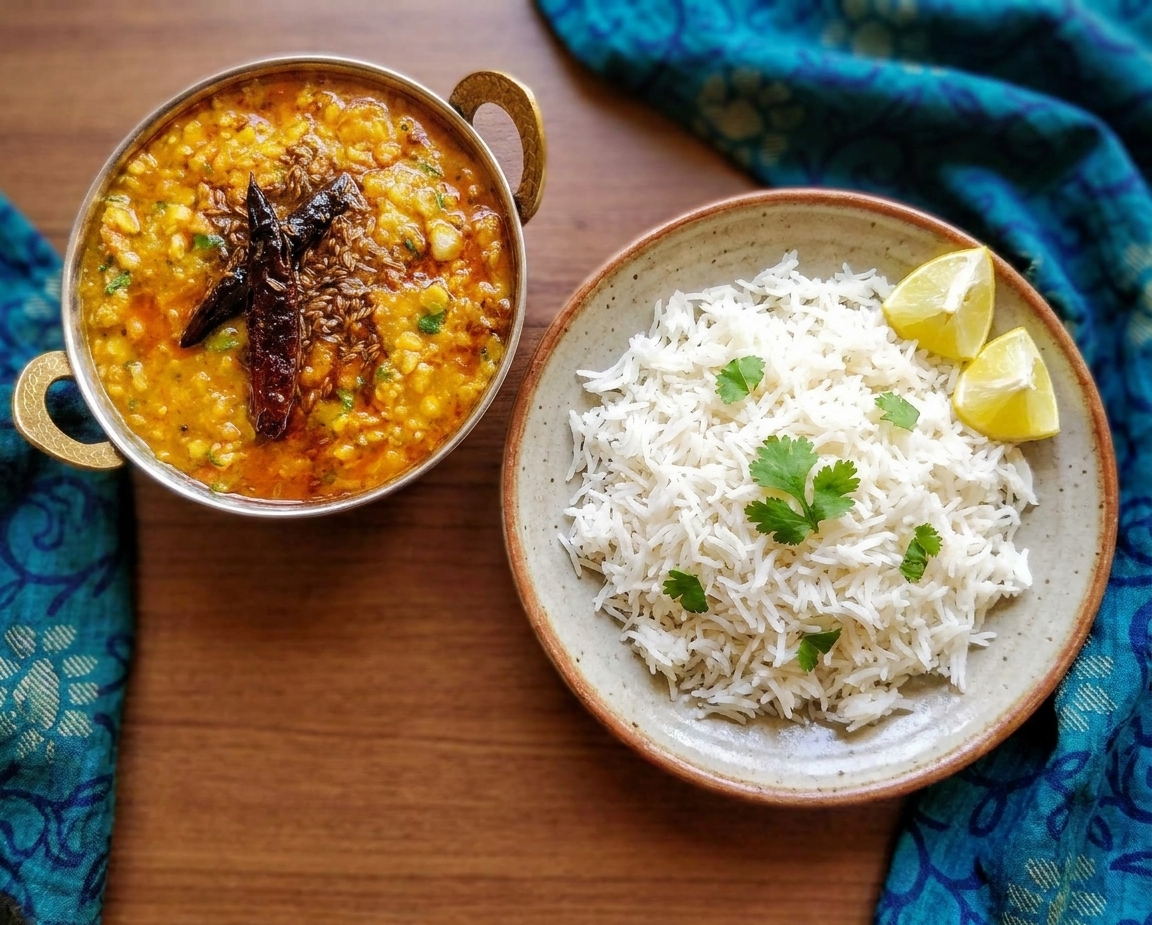
A bowl of dal tadka topped with sizzling cumin-garlic tadka, chopped cilantro, and a wedge of lemon on a simple wooden table

Dal tadka is one of those dishes that proves a pantry can be powerful. You simmer lentils until they go creamy and cozy, then you hit them with the fun part: a hot, crackling tempering of spices and aromatics called tadka. It blooms cumin, garlic, and chili in ghee or oil, and the second it hits the dal you get that little sizzle that basically says, “Yep, dinner’s going to be good.”

This version keeps ingredients accessible and the instructions straightforward, but it still delivers bright flavor, a gentle heat, and that restaurant-style finish. Serve it with rice, roti, or whatever carb is currently earning your trust.

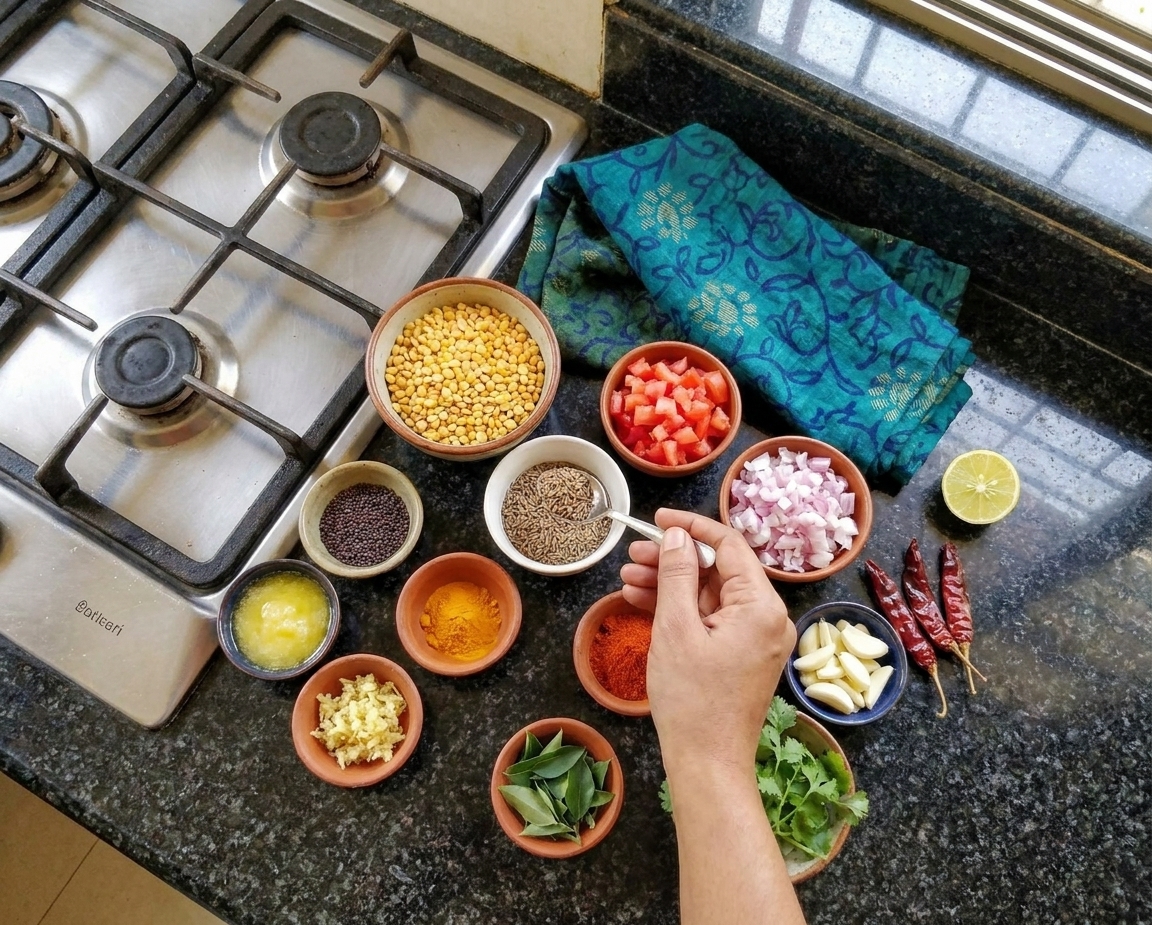
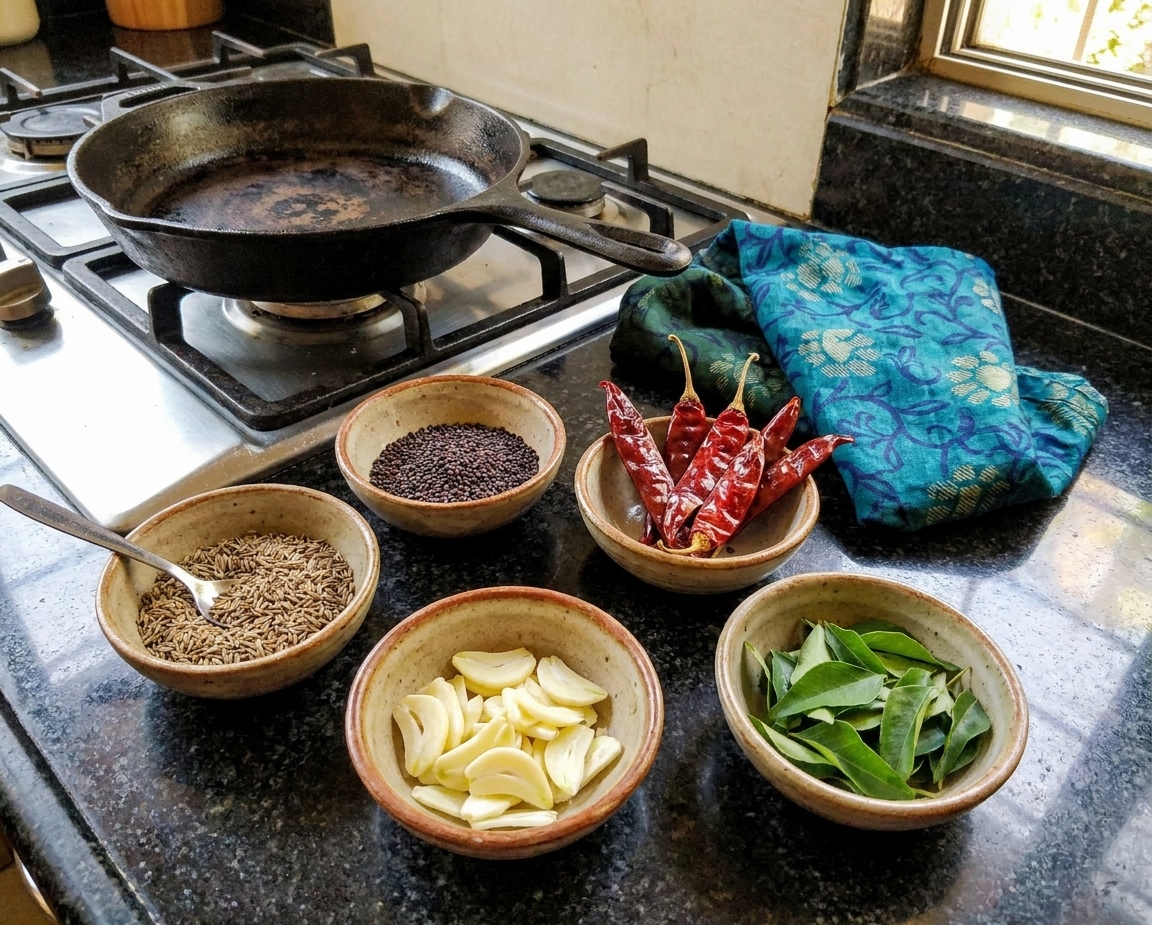
Measured ingredients for dal tadka on a kitchen counter including lentils, tomatoes, onion, garlic, ginger, spices, cilantro, lemon, and ghee

Why It Works

  • Two layers of flavor: the dal is seasoned as it simmers, then the tadka adds a fresh, toasty top note right at the end.
  • Big comfort, not heavy: lentils get naturally creamy, and a squeeze of lemon keeps everything bright.
  • Flexible texture: keep it thick like stew or loosen it into a pourable dal you can spoon over rice.
  • Meal-prep friendly: it reheats like a champ and often tastes even better the next day.

Pairs Well With

Storage Tips

Refrigerate: Cool completely, then store in an airtight container for up to 4 days. Dal thickens as it sits, so plan to add a splash of water when reheating.

Freeze: Freeze in portions for up to 3 months. Thaw overnight in the fridge or warm gently from frozen with a little water, stirring often.

Reheat: Warm on the stove over medium-low, stirring and adding water until creamy again. For best flavor, make a quick mini tadka (cumin + garlic in oil) and spoon it over leftovers.

Diet note: Use oil instead of ghee to keep it vegan.

Common Questions

What lentils should I use for dal tadka?

Dal tadka is commonly made with toor dal (split pigeon peas), but you will also see it made with moong dal (split yellow mung) or a toor + moong mix in plenty of homes and restaurants. All are delicious.

Can I substitute yellow split peas?

Yes, in a pinch. Just know it is not a perfect 1:1 swap: yellow split peas usually take longer to get fully tender and can taste a bit more earthy and starchy. Expect an extra 10 to 20 minutes of simmering and add more water as needed.

Do I need to soak the dal?

Not required, especially for toor dal. If you have time, a 20 to 30 minute soak can help it cook a little faster and more evenly. Either way, rinse until the water runs mostly clear.

What is tadka, exactly?

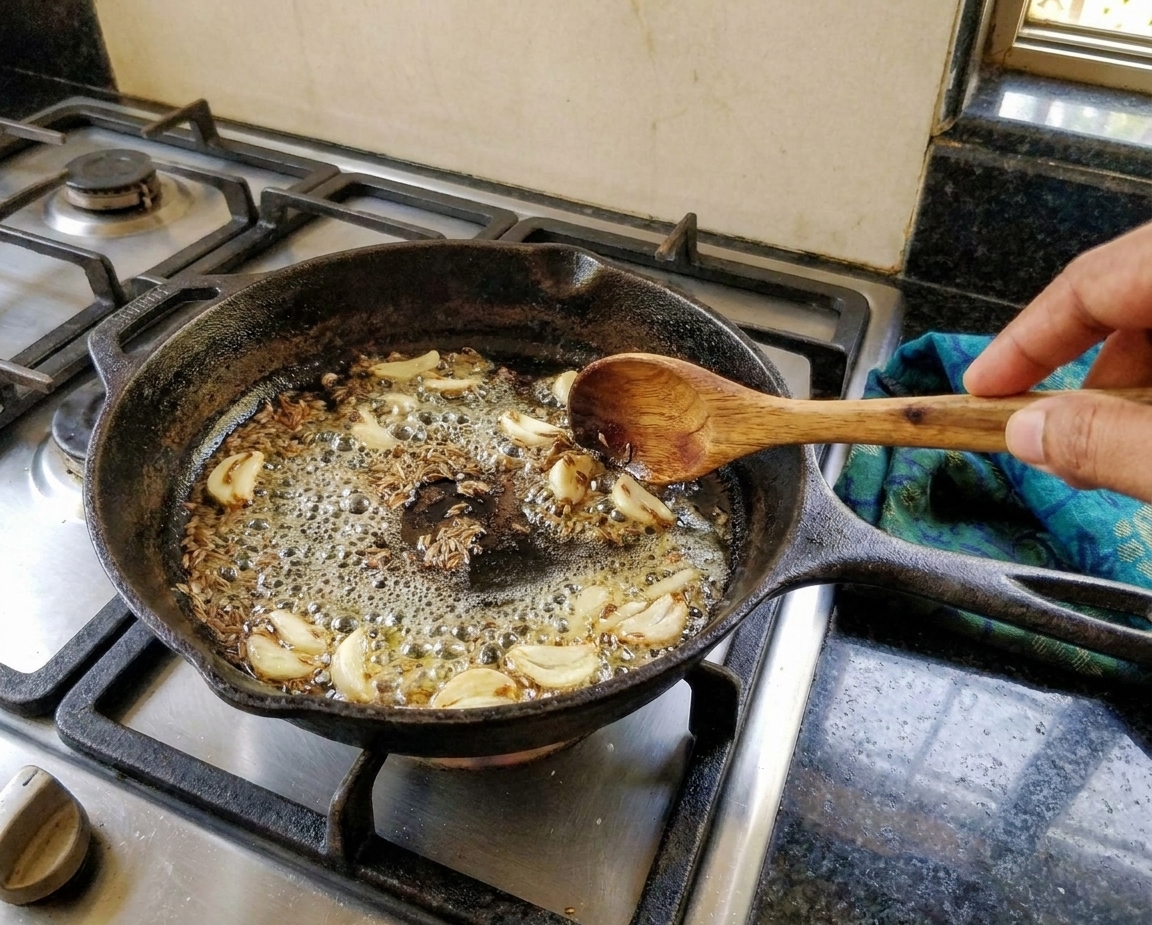
Tadka (also called tempering) is when you heat ghee or oil and briefly fry whole spices and aromatics so they bloom. It’s fast, loud, and extremely worth it.

Can I make it without ghee?

Yes. Use a neutral oil or coconut oil. Ghee adds a nutty richness, but the dal will still be great without it.

How do I make dal tadka more restaurant-style?

Three easy upgrades: use ghee for the tadka, add kasuri methi (dried fenugreek leaves) at the end, and finish with lemon plus lots of cilantro. Also, do not under-salt the dal.

Why did my dal turn out bland?

Usually it’s one of these: not enough salt, the spices were old, or the tadka was not hot enough to really bloom. Make sure the ghee is shimmering before the cumin goes in, and add the garlic only until just golden.

Is dal tadka spicy?

It can be mild. For gentle heat, use 1 dried chili and keep the Kashmiri chili powder minimal. For more heat, add a fresh green chili or increase the Kashmiri chili powder.

Is hing gluten-free?

Sometimes, sometimes not. Many brands cut asafoetida with wheat flour. If you are gluten-free, look for a labeled gluten-free hing or skip it.

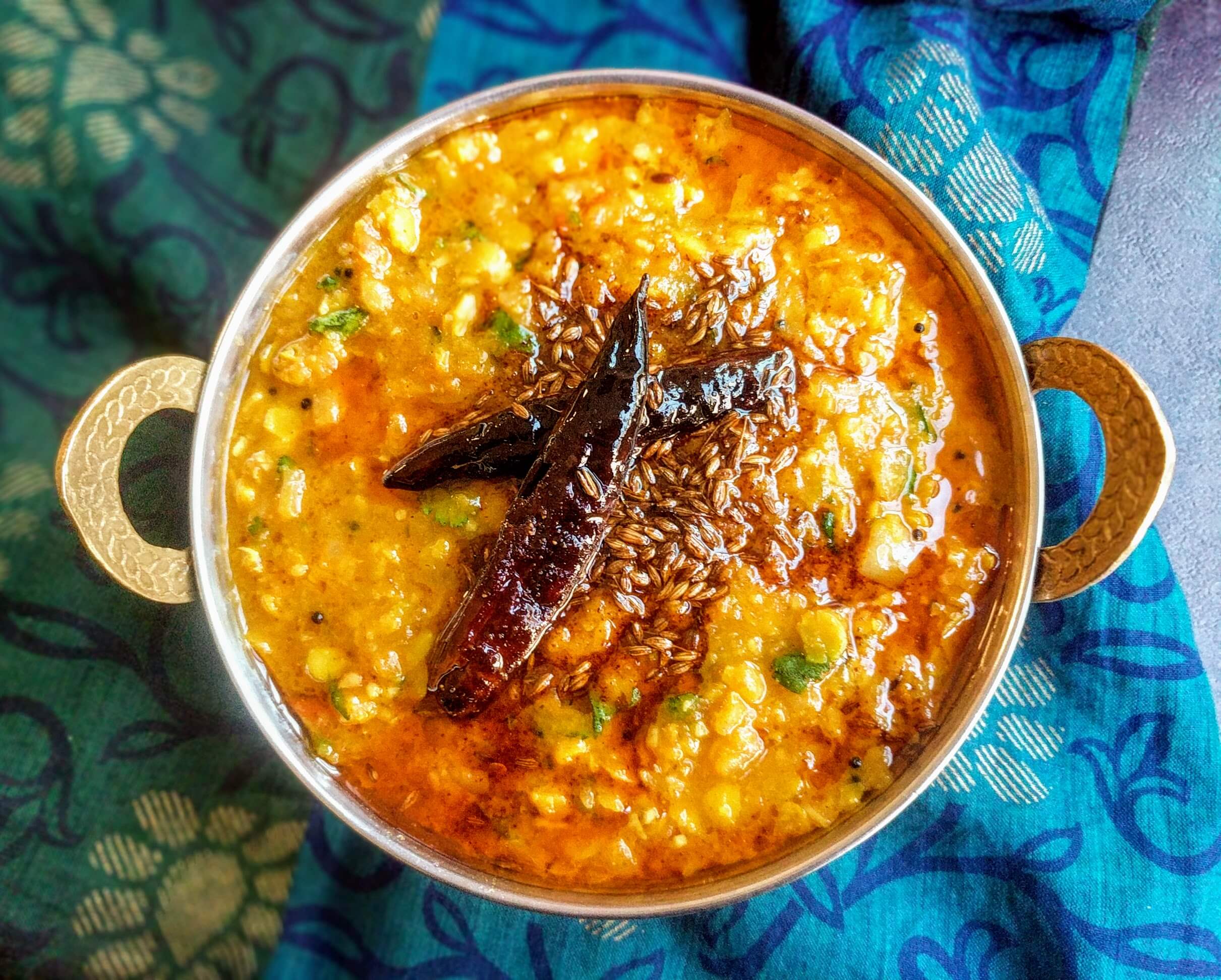
Dal tadka is my kind of kitchen magic trick. It’s humble food that still has a moment. The first time I really nailed it, I remember standing over the stove holding a tiny pan of sizzling cumin and garlic, feeling like I was about to pour the finishing move into a pot of lentils. And when it hit the dal and the whole kitchen smelled toasty and buttery and alive, I was sold. It’s the dish I make when I want comfort, but I also want to feel like I did something.