Mom's Best Recipes
Recipe

Decadent Filet Mignon Steak

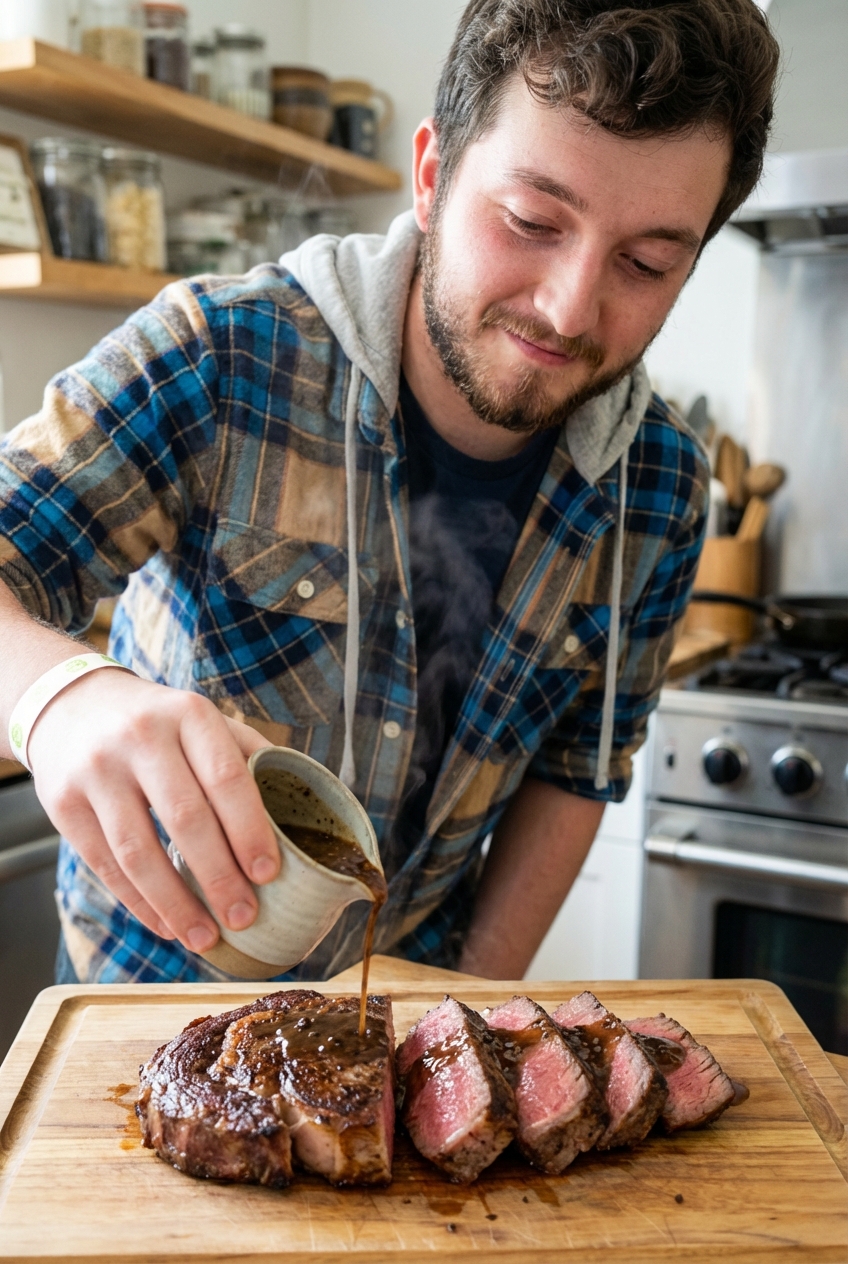
A butter-basted filet mignon with crisp edges, a tender, springy center, and a quick pan sauce that tastes like a steakhouse night without the steakhouse bill.

Author By Matt Campbell
4.8

Filet mignon has a reputation for being the fancy steak, but it is secretly one of the most weeknight-friendly cuts you can cook at home. It is small, it cooks fast, and it loves a simple game plan: dry it well, season it well, sear it hard, then butter-baste like you mean it.

Now, about that “tender and springy” vibe. Filet is naturally tender, but the texture you are actually chasing is pillowy in the middle with a little pleasant resistance when you bite. Not chewiness, not toughness. Just that juicy, steakhouse-style bounce that lets you know you nailed the temp. That comes from two things: (1) not overcooking it, and (2) letting it rest so the juices stay put instead of running all over your cutting board.

This recipe leans into bright, cozy steakhouse energy with a quick pan sauce that is basically: drippings + butter + a hit of acidity. It is low drama, high reward, and yes, tasting as you go is encouraged.
Why It Works

  • Crisp edges, tender center: A hot pan plus a dry surface gives you that browned crust without drying out the middle.
  • Velvety and springy, not mushy: A controlled cook and a proper rest keep the texture plush and satisfying.
  • Butter-basted flavor: Filet is mild, so we build flavor with browned butter, garlic, and herbs right in the pan.
  • Quick pan sauce: A splash of wine or broth plus butter turns those browned bits into something you want to spoon over everything.

Pairs Well With

Storage Tips

Filet mignon is best fresh, but leftovers can still be great if you reheat gently. The goal is to warm it without cooking it again.

Refrigerate

  • Cool steak completely, then store airtight for up to 3 days.
  • Store sauce separately if you can. It reheats more predictably.

Freeze

  • Wrap tightly (plastic wrap, then a freezer bag) and freeze up to 2 months.
  • Thaw overnight in the fridge before reheating.

Reheat without wrecking the texture

  • Skillet: Slice steak, then warm in a pan on low with a spoonful of sauce or a splash of broth. Pull it as soon as it is warm.
  • Oven: Wrap in foil with a tiny splash of broth, warm at 250°F until just heated through.
  • Cold option: Thin slices over a salad with a punchy vinaigrette is a very underrated move.

Common Questions

Why is my filet tough if it is supposed to be tender?

Usually it is one of three things: the steak was overcooked, it did not rest long enough, or it was cooked straight from the fridge. Let it sit at room temp for 30 minutes, aim for medium-rare to medium, and rest 5 to 10 minutes.

What does “tender and springy” mean for steak?

Think velvety and resilient, not rubbery. Filet should feel plush, with a little satisfying bounce when you bite. You get that by cooking to the right internal temperature, slicing against the grain, and using enough salt for good structure and flavor.

Do I need a cast iron skillet?

No, but it helps. Any heavy stainless steel pan works great. Avoid nonstick for this, since you want a strong sear and good fond for the sauce.

What internal temp should I target?

  • Rare: 120 to 125°F (pull at 115 to 120°F)
  • Medium-rare: 130 to 135°F (pull at 125 to 130°F)
  • Medium: 140 to 145°F (pull at 135 to 140°F)

Temps rise a bit while resting, so pull early.

Can I make this without alcohol?

Yes. Swap wine for beef broth, then finish the sauce with a squeeze of lemon or a teaspoon of vinegar to bring back that brightness.

How do I know when to flip the steak?

When it releases easily from the pan and has a deep brown crust. If it is sticking hard, give it another 30 to 60 seconds.

The first time I cooked filet at home, I treated it like it was made of glass. Low heat, lots of hovering, and I still ended up with a steak that was somehow pale and overdone at the same time. Tragic.

Now I cook filet like a confident friend who shows up with butter and good intentions: hot pan, solid sear, and a quick baste that makes the kitchen smell like a restaurant you had to make reservations for. The best part is that plush, tender bite when you slice into a perfect medium-rare center. It is a reminder that simple techniques beat complicated ones almost every time.