Mom's Best Recipes
Recipe

Decadent Schnitzel: Tender and Juicy

A cozy, golden schnitzel with a tender bite, crisp edges, and a lemony pan sauce that makes you want to drag every last crumb through it.

Author By Matt Campbell
4.8
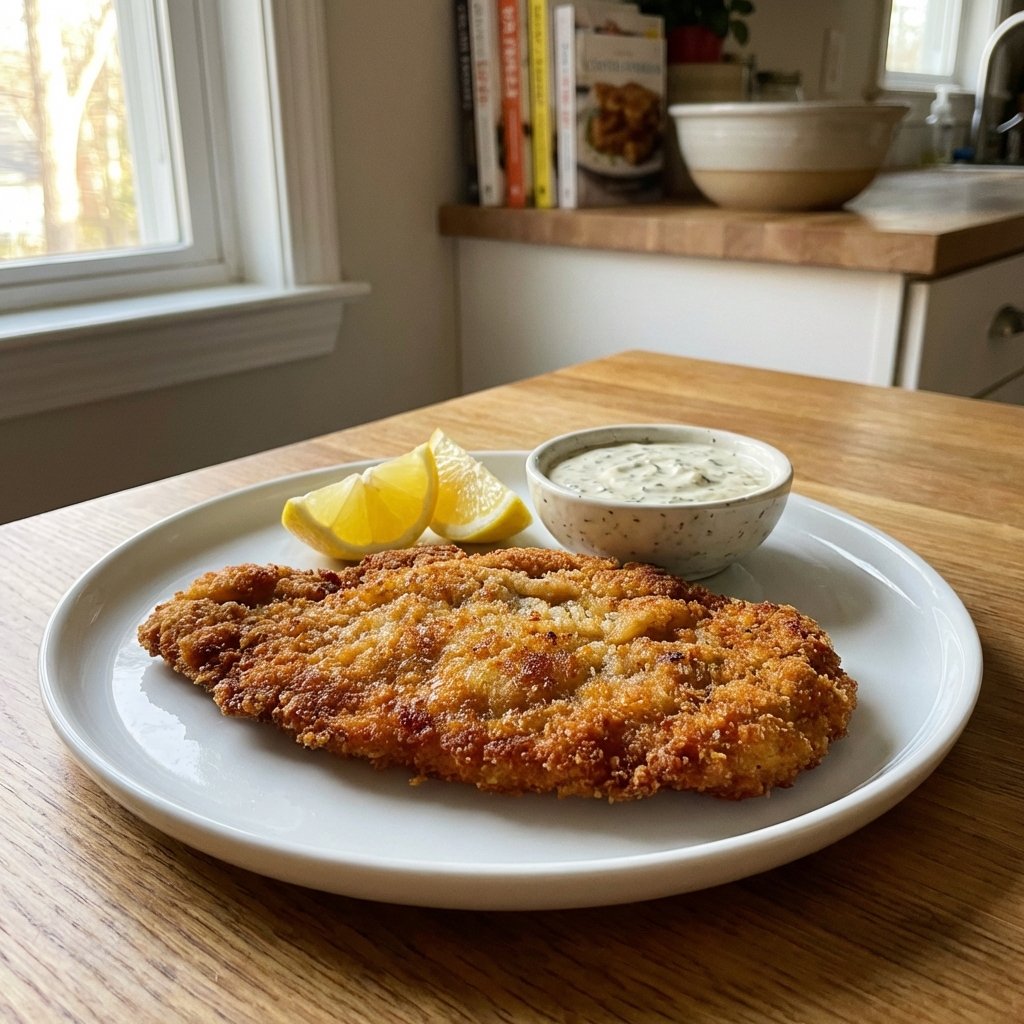
A golden schnitzel on a white plate with lemon wedges and a small bowl of creamy sauce, shot in warm natural light

If you have ever had schnitzel that tasted like a fried napkin, we are fixing that today. This one is decadent in the best way: a crisp, blistered crust that crackles when your knife hits it, and a center that stays tender and juicy instead of dry and chalky.

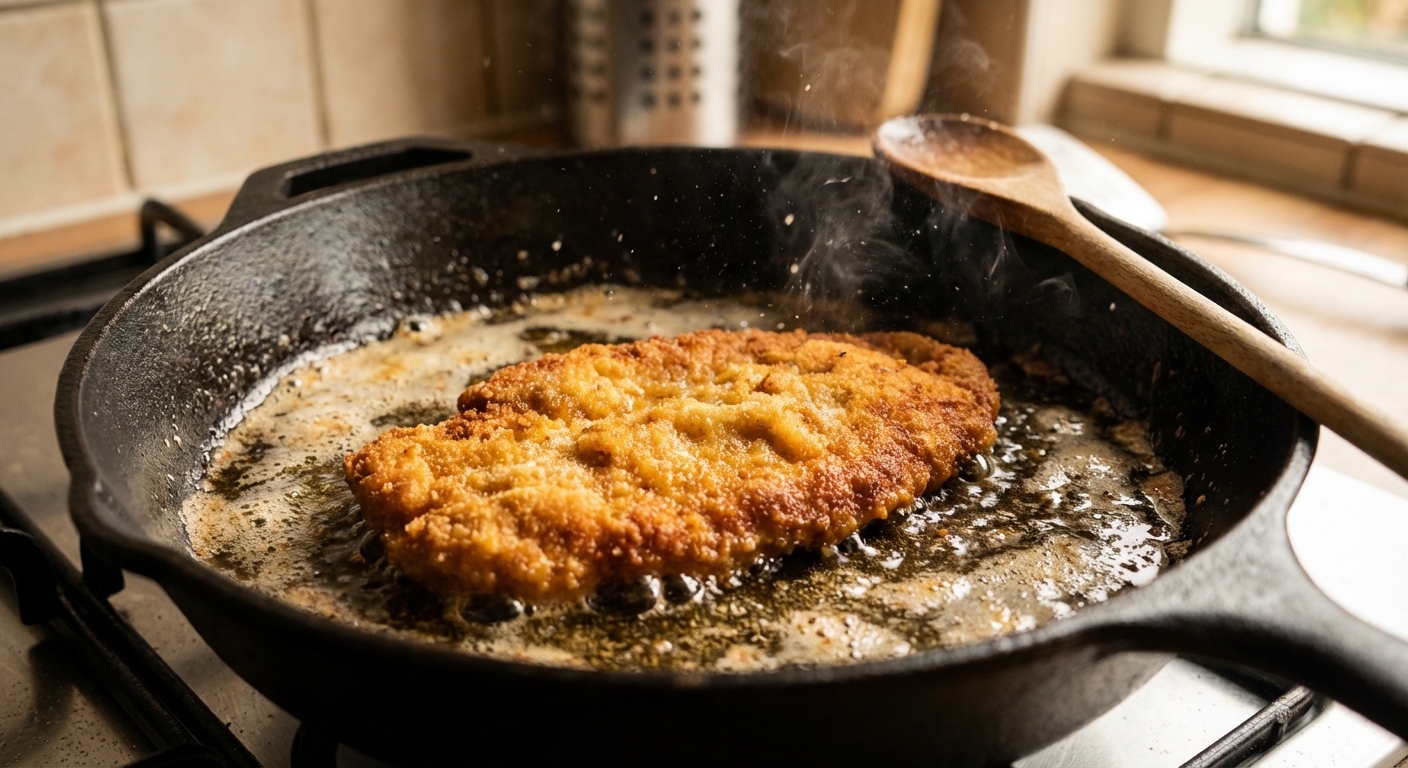
The trick is not fancy ingredients. It is a few low-drama habits that pay off fast: pound the cutlets evenly, season every layer, use fine breadcrumbs, and fry in enough fat that the crust can actually float and crisp. Then we finish with a quick lemony pan sauce that tastes like you tried way harder than you did.
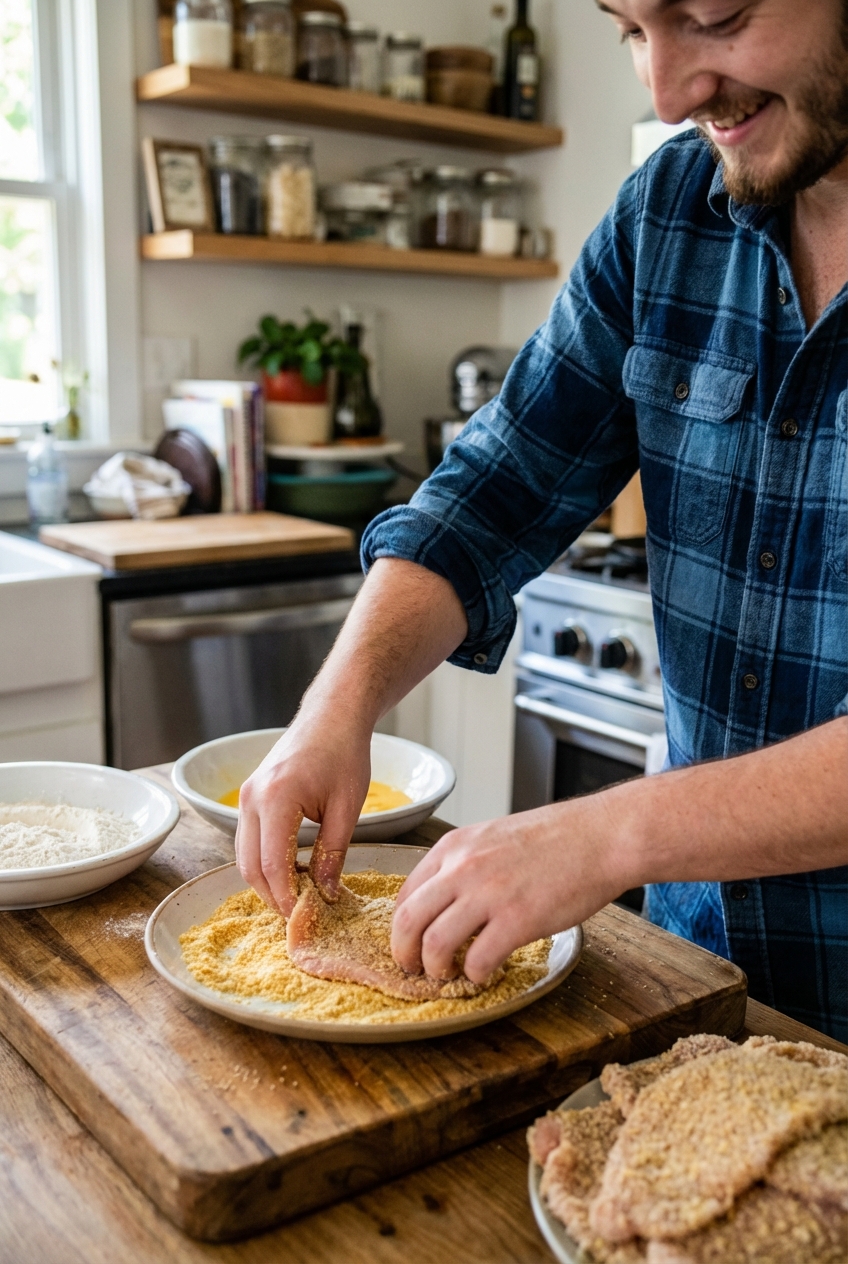
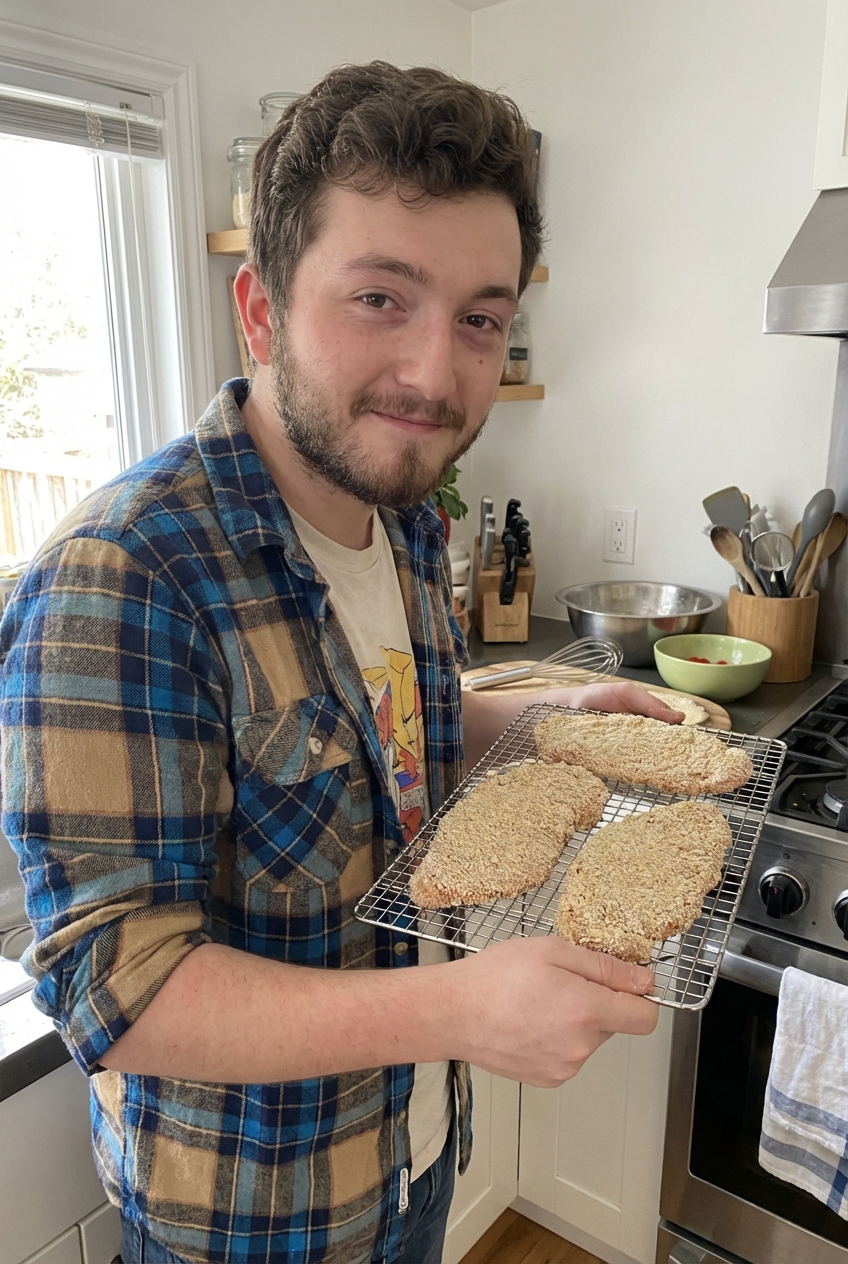
Hands breading a thin pork cutlet in breadcrumbs on a wooden cutting board

Why It Works

  • Tender, juicy cutlets because we pound evenly and avoid overcooking.
  • A satisfying bite, meaning juicy meat that feels substantial, not dry and stringy.
  • Crisp edges and an airy crust from fine crumbs and shallow frying in enough oil.
  • Big flavor since the meat, flour, egg, and crumbs all get seasoned.
  • A bright, quick pan sauce that cuts the richness and makes leftovers worth reheating.

Pairs Well With

Storage Tips

Schnitzel is peak fresh, but leftovers can still be very good if you re-crisp it properly.

Fridge

  • Cool completely, then store in an airtight container for up to 3 days.
  • Place parchment between pieces to keep the crust from turning into one big soggy group project.

Freezer

  • Freeze cooked schnitzel on a sheet pan until firm, then transfer to a freezer bag. Keeps well for up to 2 months.
  • Thaw overnight in the fridge for best texture.

How to reheat (keep it crisp)

  • Oven: 400°F for 10 to 14 minutes on a wire rack over a sheet pan.
  • Air fryer: 375°F for 6 to 8 minutes, flipping once.
  • Avoid the microwave unless you enjoy soft breading and regret.

Sauce storage: Keep sauce separate and refrigerate up to 4 days. Rewarm gently and add a splash of broth or water if it tightens up.

Common Questions

Why is my schnitzel tough?

Usually one of three things: the cutlet was uneven (thin spots overcook), the oil was not hot enough (it absorbs oil and dries out), or you cooked it too long. Aim for 145°F internal for pork or veal, and 165°F for chicken.

What cut of meat should I use?

For classic vibes, use veal cutlets. For a more accessible weeknight version, use pork loin cutlets (boneless chops pounded thin) or chicken breast sliced and pounded.

Can I bake it instead of frying?

You can, but it will not be the same. If baking, spray generously with oil and bake at 450°F on a rack until golden, flipping once. Still tasty, just less shatter-crisp.

Do I have to use breadcrumbs?

Breadcrumbs are the classic. Use fine, dry breadcrumbs for the best coverage. Panko gives a crunchier, spikier crust. If you want a tender center with crisp edges, fine crumbs are the move.

What oil is best for frying schnitzel?

Use a neutral oil with a higher smoke point like canola, avocado, grapeseed, or vegetable oil. A little butter at the end adds flavor, but do not start with straight butter or it can burn.

The first time I made schnitzel at home, I thought I was being responsible by using less oil. The result was a sad, pale cutlet that tasted like it had been steamed in disappointment. Once I accepted the shallow fry situation and started seasoning every layer, schnitzel became one of my favorite “I want comfort but I also want crunch” dinners. Now it is my go-to when I want something that feels restaurant-y without turning my kitchen into a full production.