Mom's Best Recipes
Recipe

Donna’s Vegan Biotin Hair Vitamin Gummies

A DIY vegan, fruit-juice gummy that lets you add biotin to your routine, with clean ingredients, clear steps, and zero kitchen drama.

Author By Matt Campbell
4.6
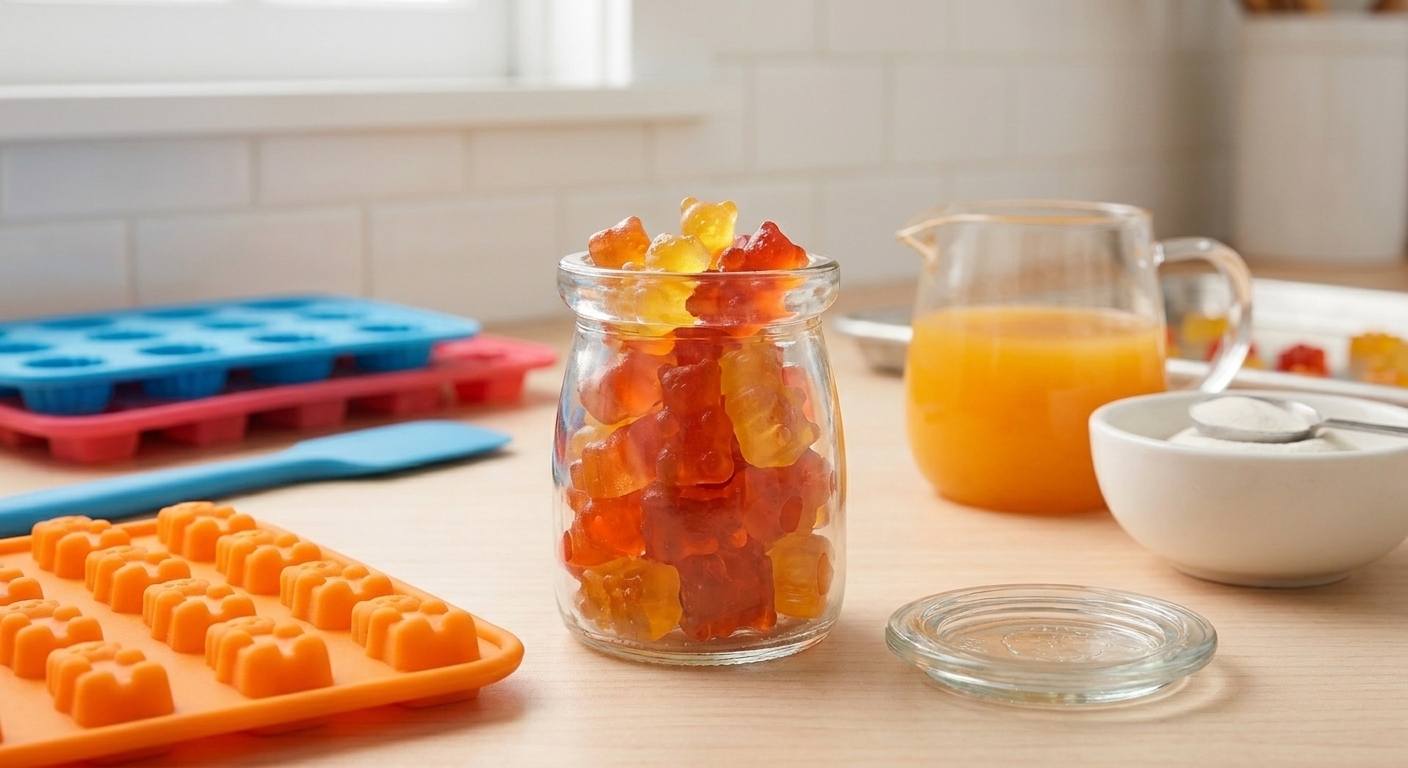
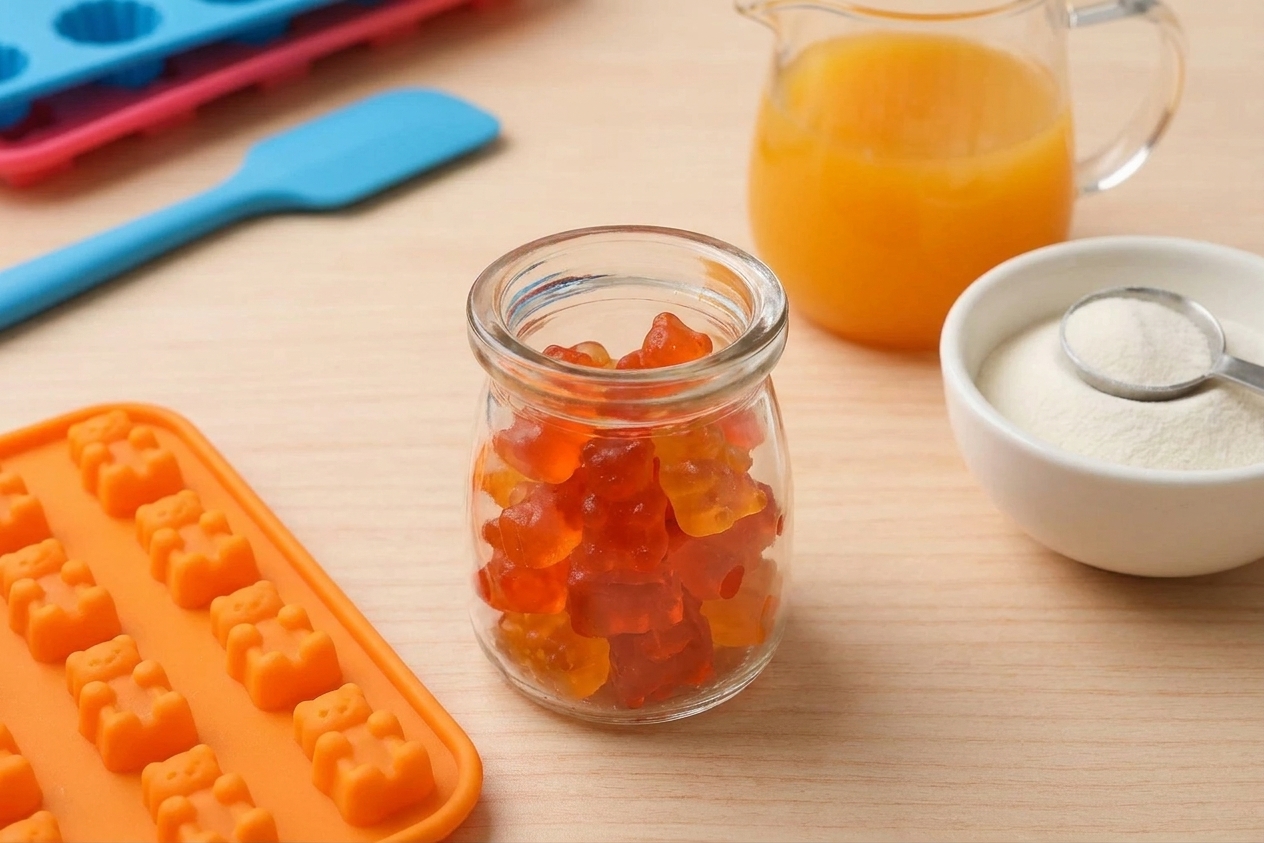
A small glass jar filled with homemade orange-red vegan gummy vitamins on a bright kitchen counter with a silicone gummy mold nearby

I love a recipe that feels like a tiny life upgrade. Not a total reinvention, just one small habit that is easy to keep. These DIY vegan biotin hair vitamin gummies are my kitchen version of Donna’s style of hair gummies: fruity, bouncy, and honestly kind of fun to make.

Important note, because we are friends and friends keep it real: I am not a medical professional. Biotin is a supplement, and supplements can interact with meds and lab tests. If you are pregnant, nursing, managing a condition, or you have questions about dosage, check with your clinician first. What I can do is help you make a solid vegan gummy base that sets beautifully and tastes like something you would actually take every day.

This recipe uses agar agar (seaweed-based) instead of gelatin, so it stays fully vegan. One quick heads-up: agar gummies tend to be a little firmer and less stretchy than gelatin gummies, in a good, “clean bite” kind of way. The key is a quick boil to activate the agar, then cooling the mix a bit before adding your biotin to minimize any potential nutrient loss.

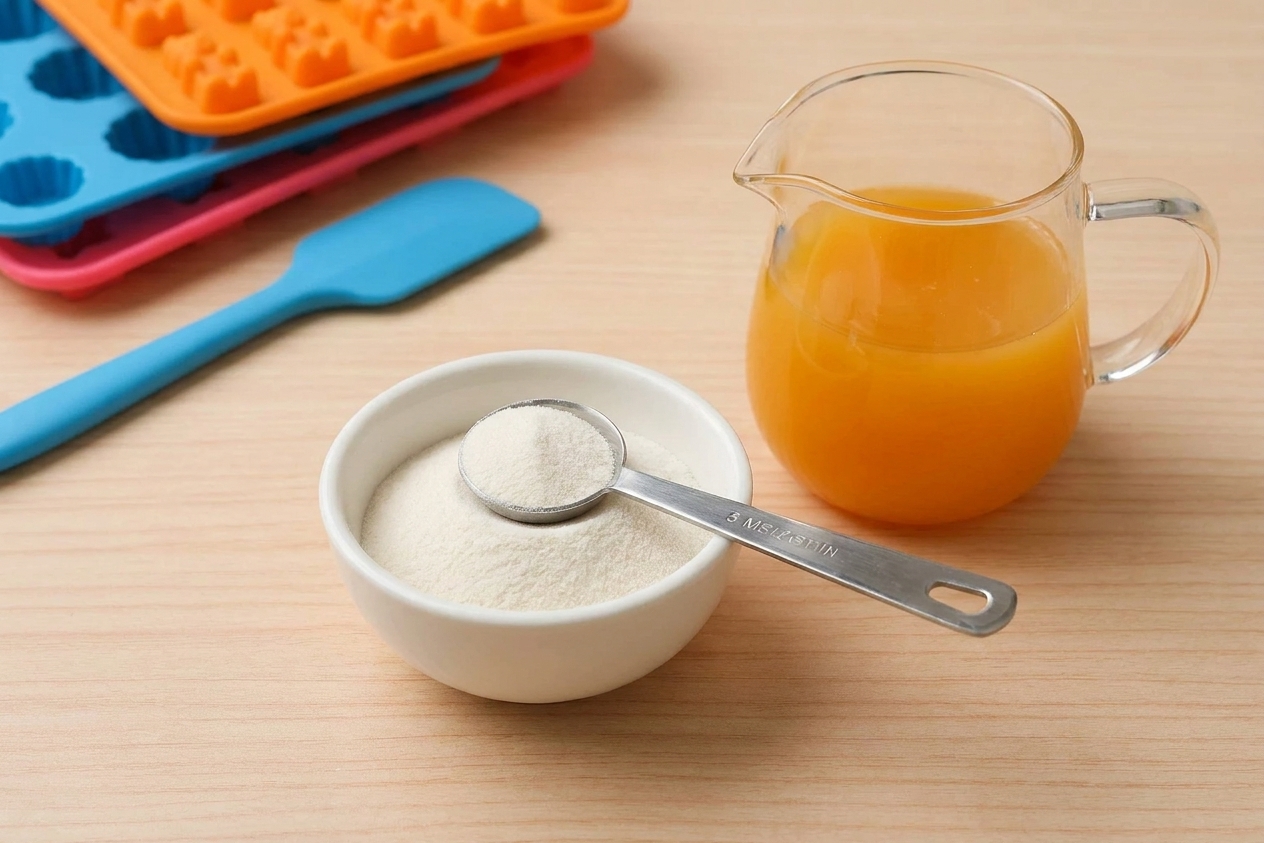
A bowl of agar agar powder with a measuring spoon and a small pitcher of fruit juice on a clean kitchen counter

Why It Works

  • Vegan set you can trust: agar gives you a firm, clean bite that holds up at room temp better than gelatin gummies.
  • Bright flavor, not vitamin-y: fruit juice plus a little citrus keeps the gummies tasting like a treat.
  • Simple method: boil to activate agar, cool slightly, then pour. No candy thermometer required.
  • Flexible: adjust sweetness, use different juices, and choose your own biotin format (powdered capsule contents works best).

Pairs Well With

Storage Tips

Fridge: Store gummies in an airtight container in the refrigerator for up to 7 to 10 days for best quality. Keep them in a single layer or separate layers with parchment to prevent sticking.

Freezer: Freeze for up to 2 months for best quality. Thaw in the fridge overnight. Texture can be a little less bouncy after freezing, but they still work.

Room temperature: Agar gummies can sit out briefly, but for best texture and freshness, I keep them chilled, especially if your kitchen runs warm.

Quick spoilage check: If you notice an off smell, visible mold, or the gummies start weeping a lot of liquid and getting slimy, toss the batch and make a fresh one.

Tip: If condensation forms in the container, leave the lid slightly ajar for 10 minutes, then reseal. Moisture is the enemy of a nice gummy chew.

Common Questions

Are these the same as Donna’s vegan biotin hair vitamin gummies?

This is a DIY, inspired-by recipe, not an exact clone and not affiliated with any brand. Brands use proprietary flavoring, acids, sweeteners, and stabilizers. What you are getting here is a clean, home-kitchen gummy base that you can reliably set and supplement.

How much biotin do I add for this batch?

This recipe makes about 30 small gummies (depending on mold size). Decide how much biotin you want per gummy, then scale up to the whole pot.

Simple formula:
Total biotin to add = (desired biotin per gummy) × 30

Example (in mcg): If you want 2,500 mcg per gummy, you would add 75,000 mcg total to the batch (2,500 × 30). If your capsules are 5,000 mcg each, that is 15 capsules worth (75,000 ÷ 5,000).

Or think in servings:

  • If 1 gummy = 1 daily serving: add 30 servings worth of biotin to the batch.
  • If 2 gummies = 1 daily serving: add 15 servings worth of biotin to the batch.

Quick capsule example: If your label says 1 capsule daily, and you want 1 gummy per day, open and add 30 capsules to the mixture. If you want 2 gummies per day, add 15 capsules.

If you are unsure what dose is right for you, check with your clinician.

What if my mold makes more or fewer than 30 gummies?

Totally normal. Mold cavities vary a lot, so your yield might be 24, 30, 40, you name it. If dosing really matters to you, do a quick test: fill one cavity with water and measure it (teaspoons or ml), then you can estimate how many gummies your mold will make from 1 cup of liquid. Then adjust the biotin using the same formula: (desired biotin per gummy) × (your estimated number of gummies).

What kind of biotin should I use?

The easiest option is biotin capsules that you can open and pour in. Biotin tablets are harder to dissolve and can feel gritty. Liquid biotin can work too, but check the label for added acids or sweeteners that might change the set.

Does heat ruin biotin?

Biotin is generally considered fairly heat-stable compared with some vitamins, but I still like to play it safe. I boil only to activate the agar, then cool the mixture for a few minutes before adding your biotin to minimize any potential loss. You want it warm and fluid, not ripping hot.

Why didn’t my gummies set?

  • Not enough agar or the agar did not fully boil. Agar needs a real, rolling boil to activate.
  • Too much acid can weaken the gel, especially if the mixture is very acidic and/or boiled longer than instructed. Stick to the amounts listed the first time through.
  • Low-sugar juices can set softer. Add a touch more agar if needed.

Why are my gummies rubbery?

That is usually too much agar or over-reducing the mixture. Next batch, reduce agar by 1/4 teaspoon, and avoid simmering longer than instructed.

Can I make these sugar-free?

You can, but texture and flavor change. Start with unsweetened juice and use a sweetener that dissolves well (like allulose or a liquid sweetener). Keep expectations realistic: homemade sugar-free gummies can taste a little more supplement-like.

Any safety things I should know about biotin?

Biotin supplements can interfere with certain lab tests (including some thyroid and cardiac tests). The risk can be higher with high-dose biotin. If you have upcoming bloodwork, tell your clinician and the lab that you take biotin and ask if you should pause it beforehand.

I am the kind of cook who will absolutely commit to a new habit if it tastes good. If it tastes like chalk and regret, I will forget it exists by Thursday. The first time I tested these, I made them way too firm and they bounced off my cutting board like tiny, stubborn hockey pucks. A couple tweaks later, I landed on this version: bright, citrusy, and chewy enough that you actually enjoy taking them. It is the same energy I bring to sauces and soups: if we are doing it daily, it has to be delicious.