Mom's Best Recipes
Recipe

Dosha Spice Stew

A one-pot lentil and sweet potato stew with a choose-your-own spice finish inspired by Ayurvedic doshas: Vata (warming), Pitta (cooling), or Kapha (light).

Author By Matt Campbell
4.8
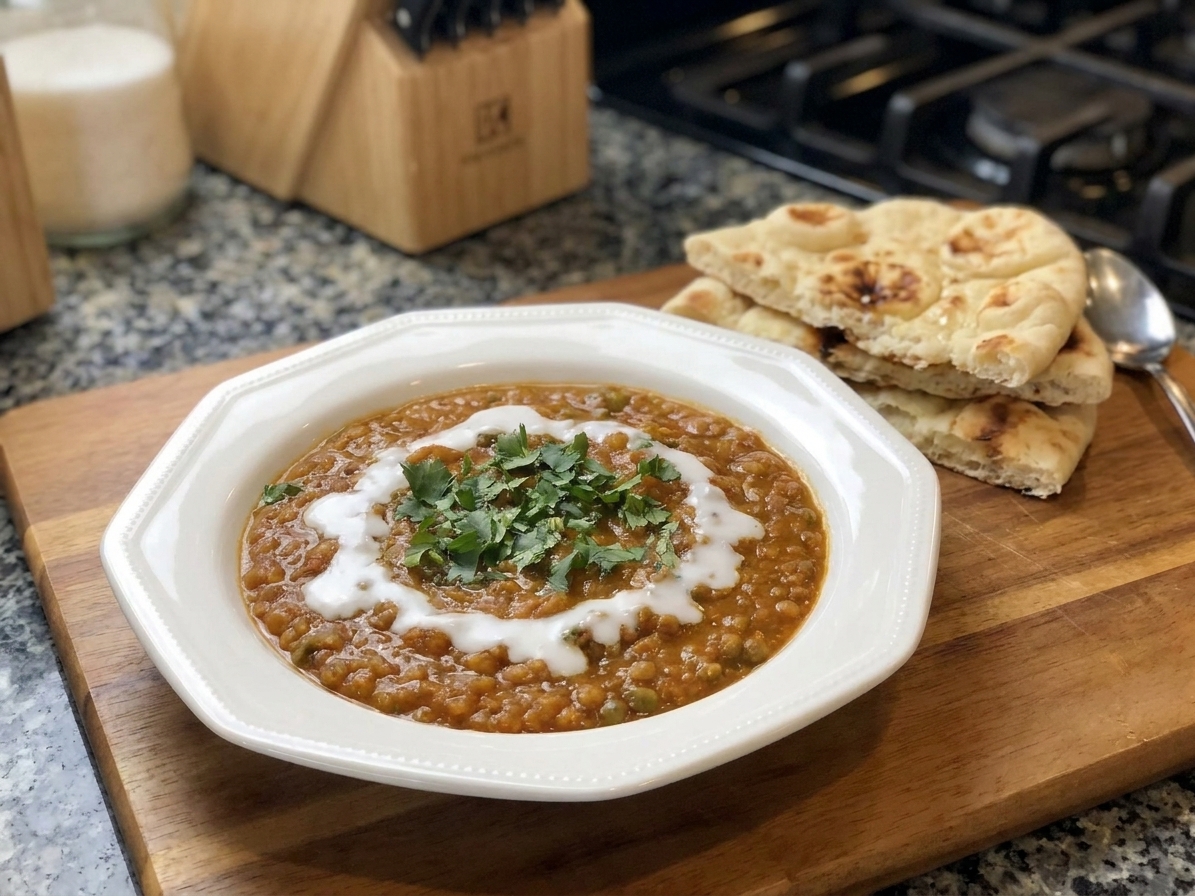
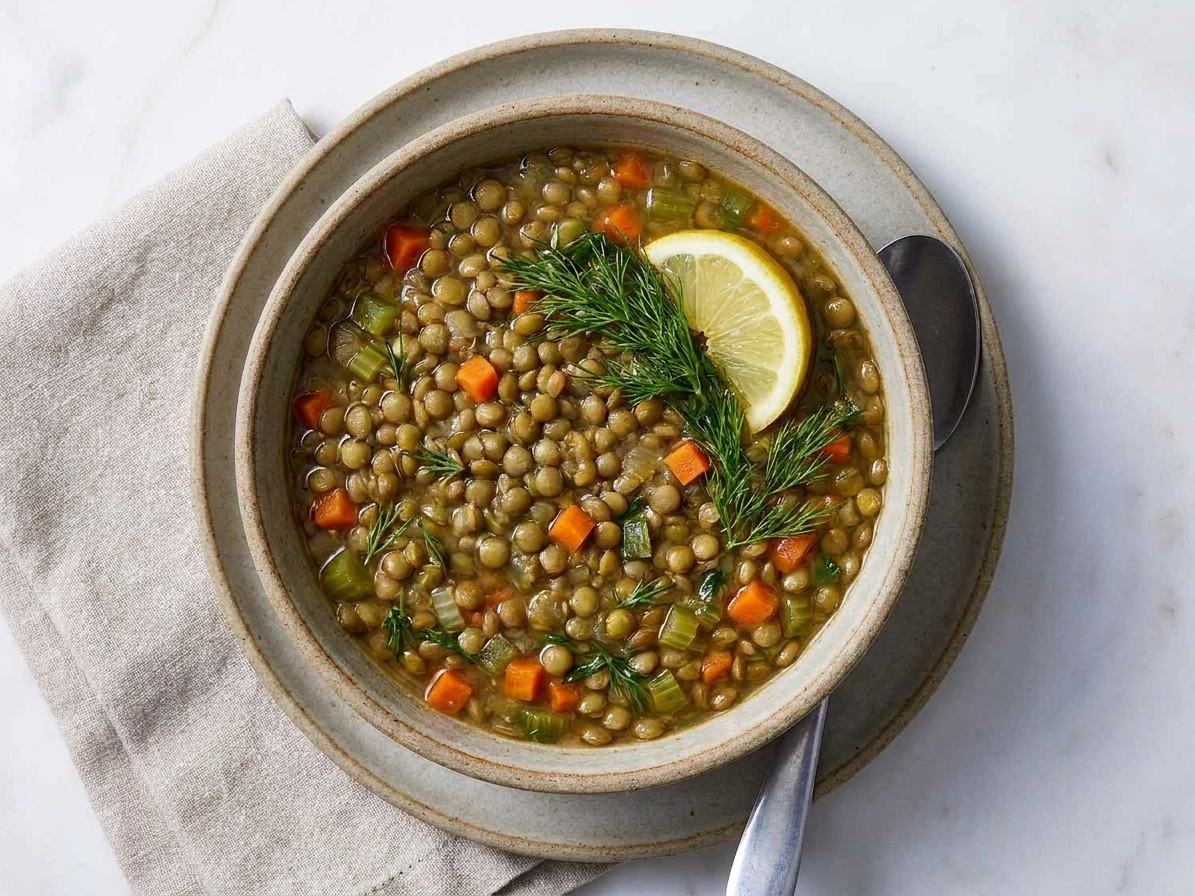
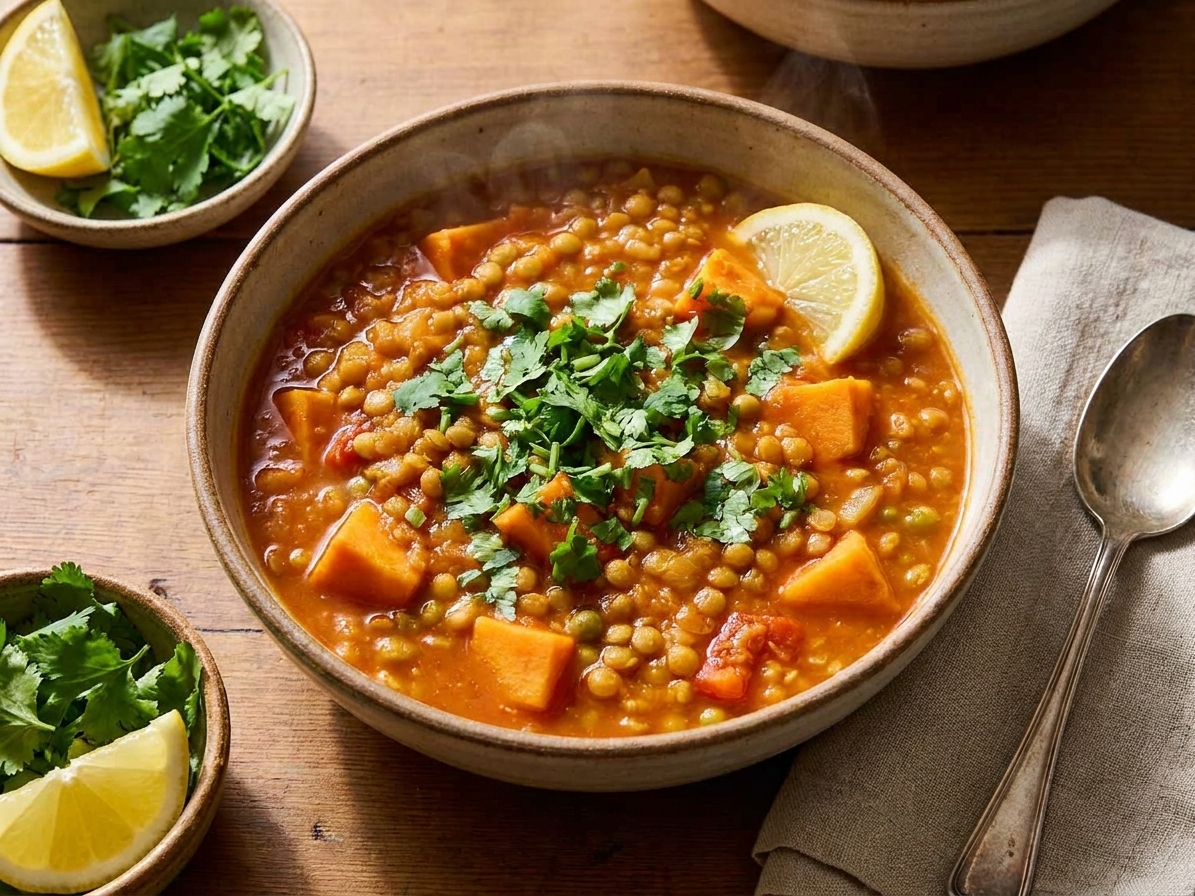
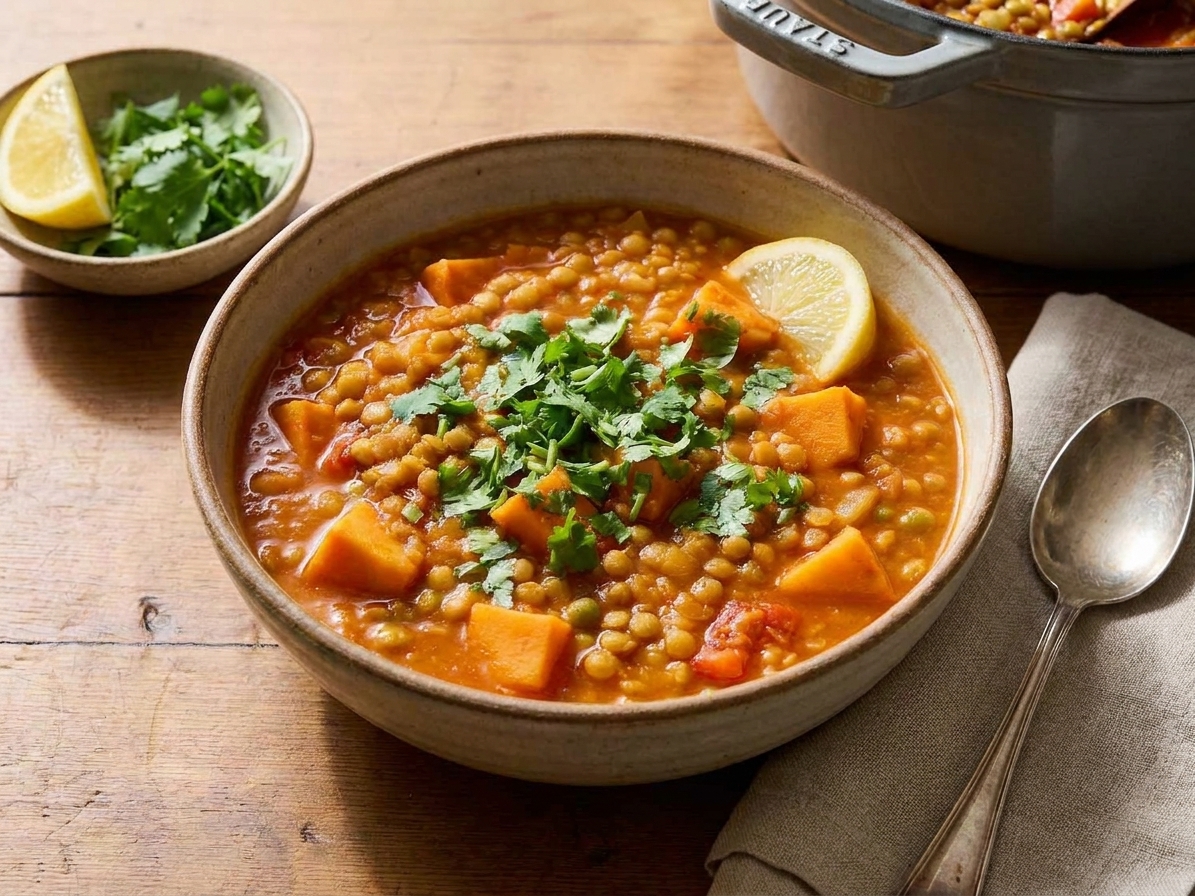
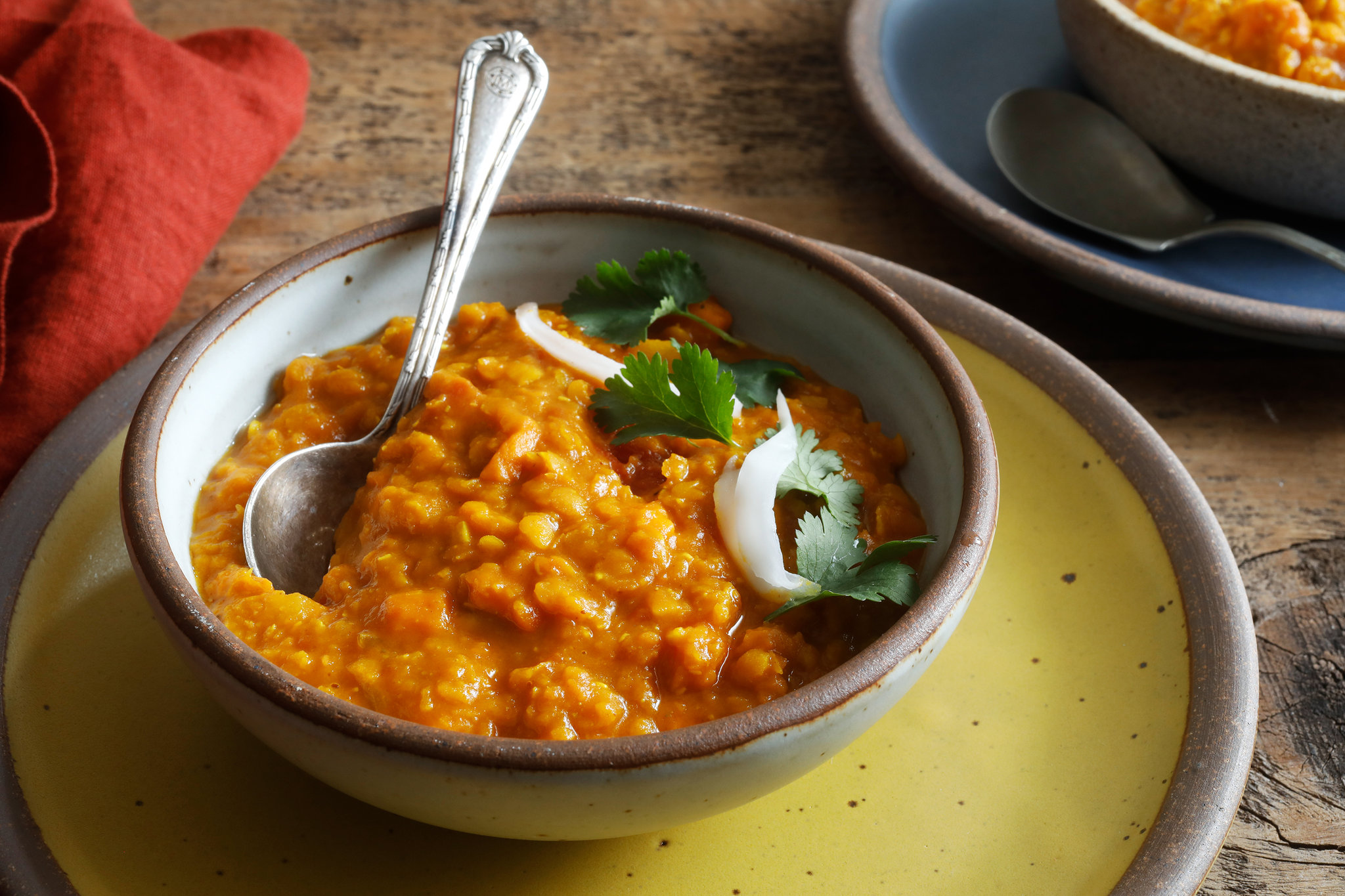
A bowl of lentil and sweet potato stew topped with fresh cilantro and a lemon wedge on a light wood table, with a spoon nearby

Dosha is one of those words you hear and think, Okay, cool, but what do I cook? In Ayurveda, doshas are three “types” or energies that show up in the body and daily life: Vata (air and space), Pitta (fire and water), and Kapha (earth and water). People sometimes use that framework to guide food choices based on what feels balancing.

Now here is my very Mom’s Best Recipes take: you do not need a pantry full of rare powders or a 45-minute monologue to make this practical. This recipe is a cozy, accessible stew that tastes great as-is, then you pick one of three simple finishing paths. Want it warmer and more grounding? Go Vata. Want it cooler and calmer? Go Pitta. Want it lighter and brighter? Go Kapha.

It is flexible, forgiving, and the leftovers are even better, which is honestly the most spiritual outcome I can offer on a Tuesday.

Friendly disclaimer: This is food inspiration, not medical advice. If you eat for specific health needs, use the finish that feels good for you and your body.
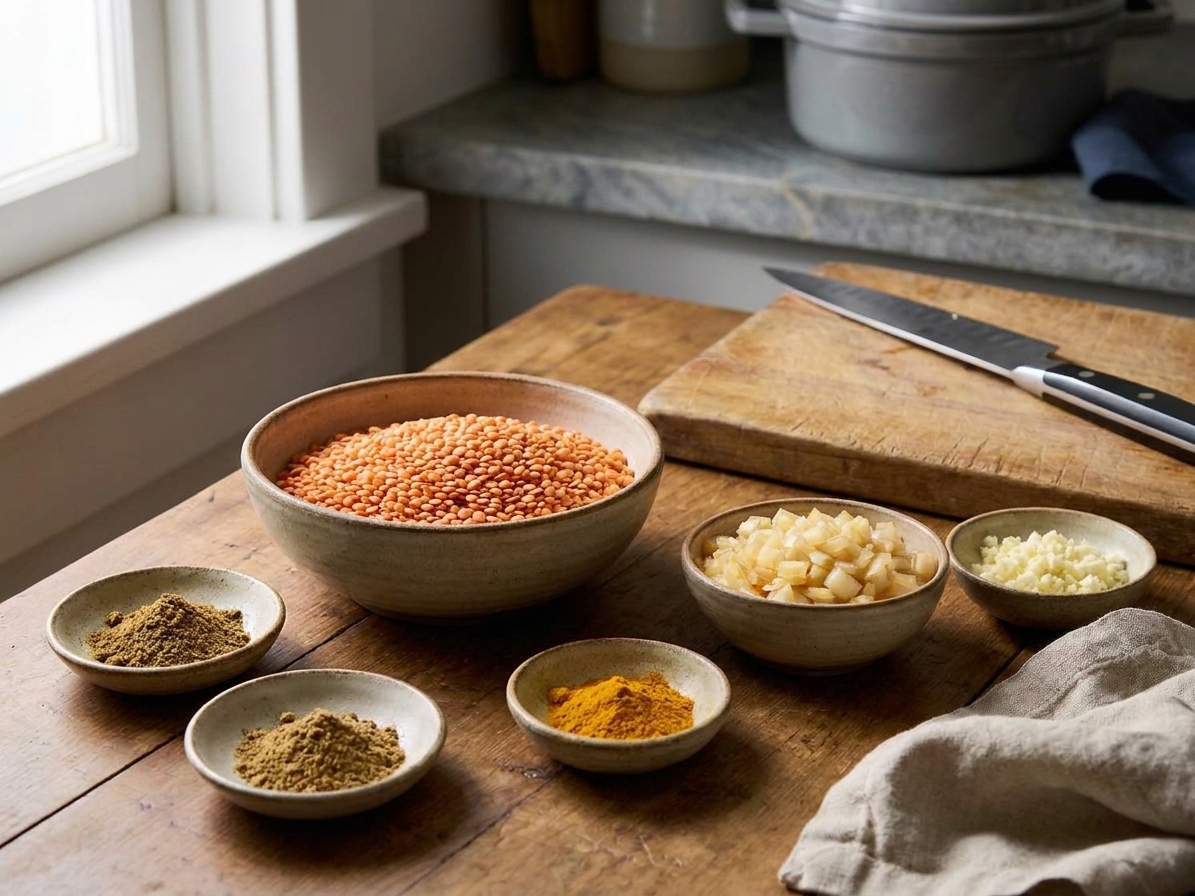
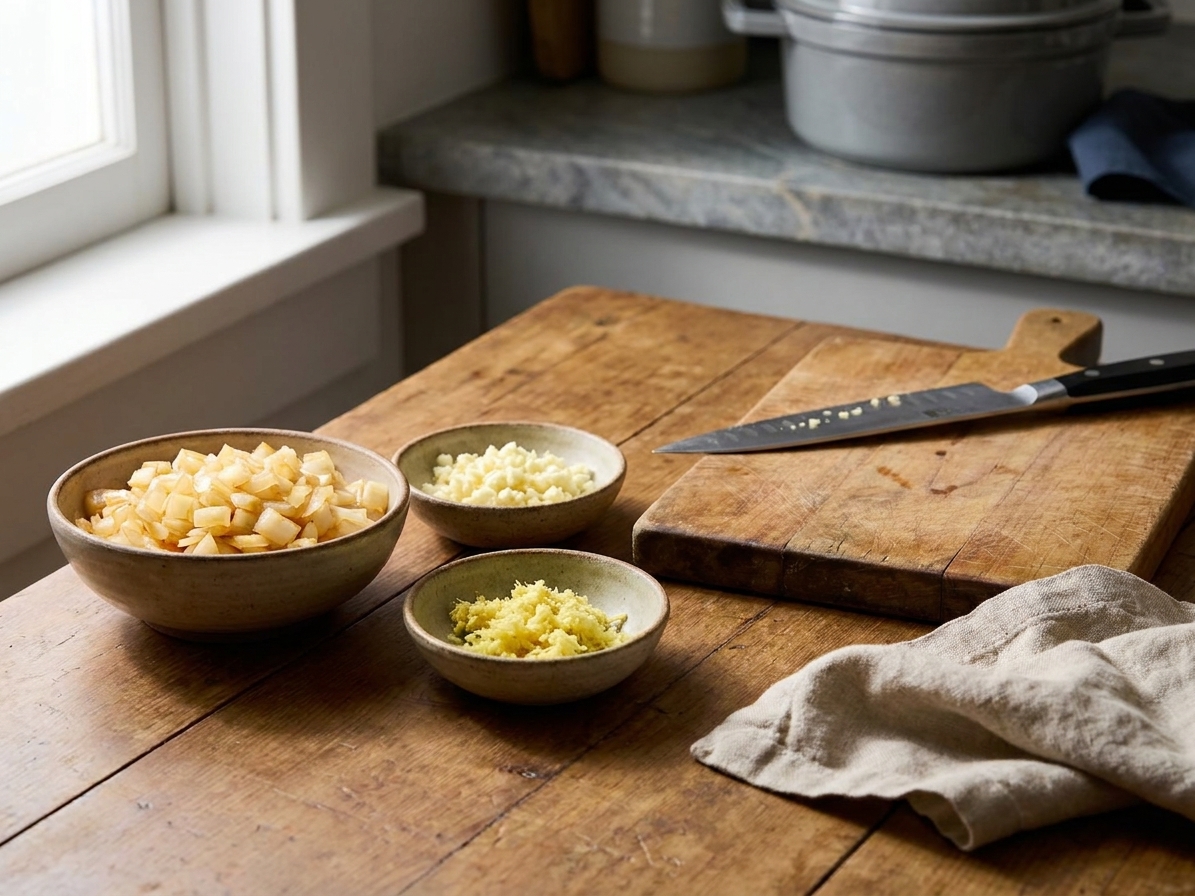
Dry red lentils, diced onion, minced garlic, and small bowls of spices arranged on a clean kitchen counter with warm natural light

Why It Works

  • One base, three directions: the stew is hearty on its own, then you can tweak heat, acidity, and herbs to match a Vata, Pitta, or Kapha vibe.
  • Fast flavor building: blooming spices in oil with tomato paste gives you depth without a long simmer.
  • Cozy texture: red lentils melt into a velvety broth while sweet potato adds body and a little natural sweetness.
  • Weeknight-friendly: one pot, pantry staples, and it tastes like you tried harder than you did.
  • Easy to fit your table: vegetarian as written with vegetable broth, vegan if you use oil instead of ghee and choose coconut yogurt, and gluten-free if you serve it with rice (or just as-is).

Pairs Well With

Storage Tips

Refrigerator: Cool completely, then store in an airtight container for up to 4 days. The stew thickens overnight. Add a splash of water or broth when reheating.

Freezer: Freeze in portioned containers for up to 3 months. Thaw in the fridge overnight or gently in a saucepan over low heat.

Reheating tip: Warm on the stove over medium-low, stirring often. If you are doing the dosha-style finishes, add fresh herbs, yogurt, lime, or crunchy toppings after reheating so they stay lively.

Common Questions

What is dosha in simple terms?

In Ayurveda, a dosha is a pattern of energy that describes tendencies in the body and mind. The three main doshas are Vata, Pitta, and Kapha, often described as Vata (air and space), Pitta (fire and water), and Kapha (earth and water). Many people use the concept as a gentle guide for thinking about meals, seasons, and routines.

Quick note: This recipe uses dosha language as culinary inspiration, not as medical advice or a promise of health results.

Do I need to know my dosha to make this?

Nope. This stew is delicious without any labels. The “dosha” part just gives you three easy flavor lanes so you can cook based on what you are craving: warmer, cooler, or lighter.

Is this an authentic Ayurvedic recipe?

It is inspired by Ayurvedic flavor ideas, not a strict classical preparation. I am keeping ingredients easy to find and instructions realistic for home cooks.

Can I make it without coconut milk?

Yes. Swap in heavy cream (stir in at the end), plain yogurt (off heat so it does not split), or just add extra broth and finish with a good olive oil drizzle.

My stew is too thick. How do I fix it?

Add broth or water a splash at a time while warming and stir well. Lentils keep drinking liquid as they sit.

My stew tastes flat. What now?

Try this in order: salt, then acid (lemon or lime), then a little fat (olive oil or yogurt). Those three are basically the home-cook cheat codes.

I did not end up taking the culinary degree route, but I did take the “cook a lot, mess up a lot, learn fast” route. This stew is exactly that energy. It started as a clean-out-the-pantry lentil pot, then I kept tweaking the finish: sometimes I wanted it warmer and richer, sometimes brighter and lighter. When I finally connected that to the dosha idea, it clicked. Same base, different endings. Kind of like how every dinner is the same question in my kitchen: What can I make that feels good and tastes like I meant it?