Mom's Best Recipes
Recipe

Earthy New England Clam Chowder

Creamy, savory, and built on a real clam base with bacon, potatoes, and thyme for that cozy coastal depth.

Author By Matt Campbell
4.8

New England clam chowder gets a reputation for being either too thick, too bland, or weirdly sweet. We are not doing that today. This version is creamy but not gluey, savory from bacon, and genuinely clam-forward because we use the clam juice from the cans as part of the broth. A lot of the briny ocean flavor lives right there.

The “earthy” part comes from a simple trick: letting the aromatics and herbs really hang out in the fat for a minute, then building the soup in calm layers. You get cozy potato softness, salty pops of clam, and a thyme and bay leaf backbone that tastes like a cold day by the water, in the best way.
Why It Works

  • Real clam flavor: We cook with reserved clam juice plus broth, so it tastes like chowder, not just cream soup with seafood vibes.
  • Creamy, not heavy: A modest roux thickens gently, then half-and-half finishes the job without turning the pot into paste.
  • Bright balance: A small splash of lemon at the end wakes everything up without making it taste like lemon chowder.
  • Potatoes that hold up: Yukon Golds give you creamy edges but still keep their shape.

Pairs Well With

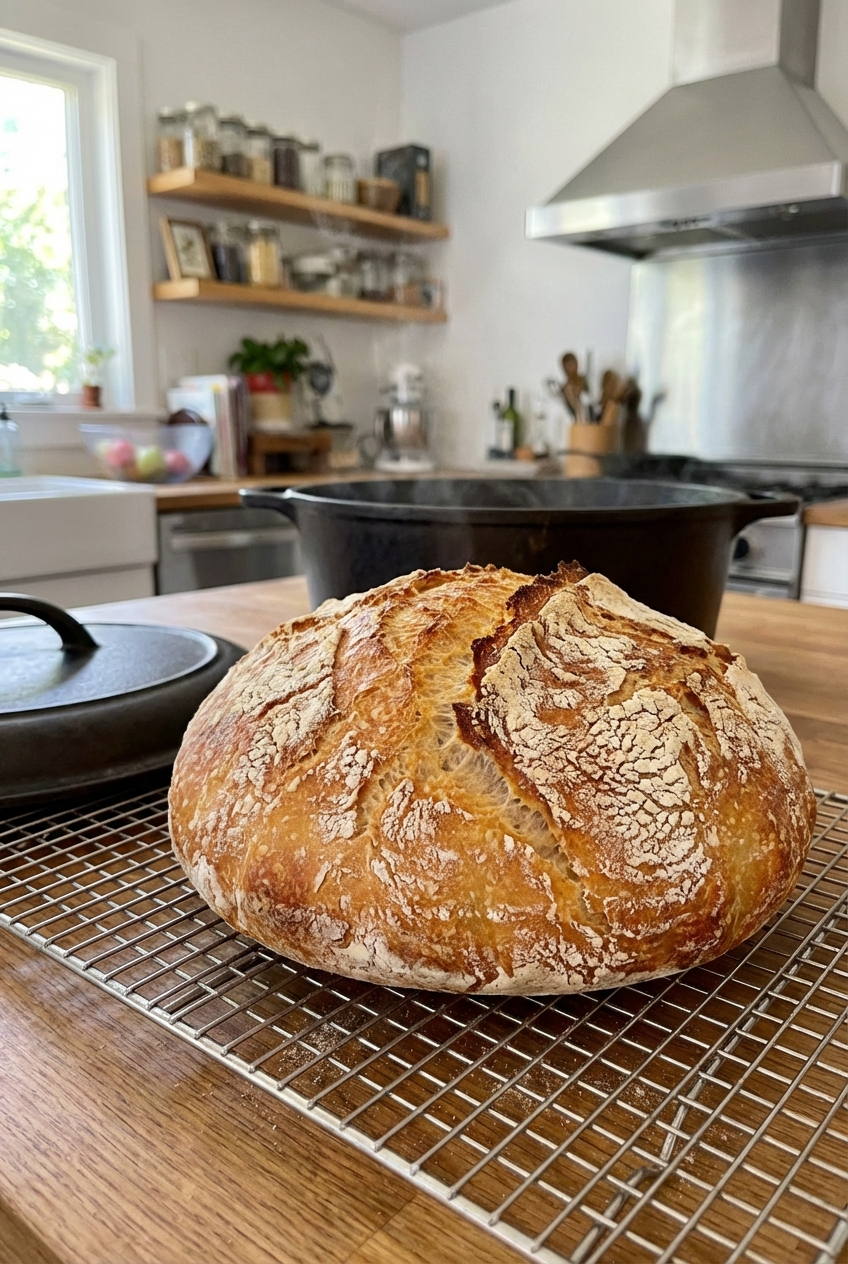
  • Crusty sourdough

  • Simple green salad

  • Oyster crackers

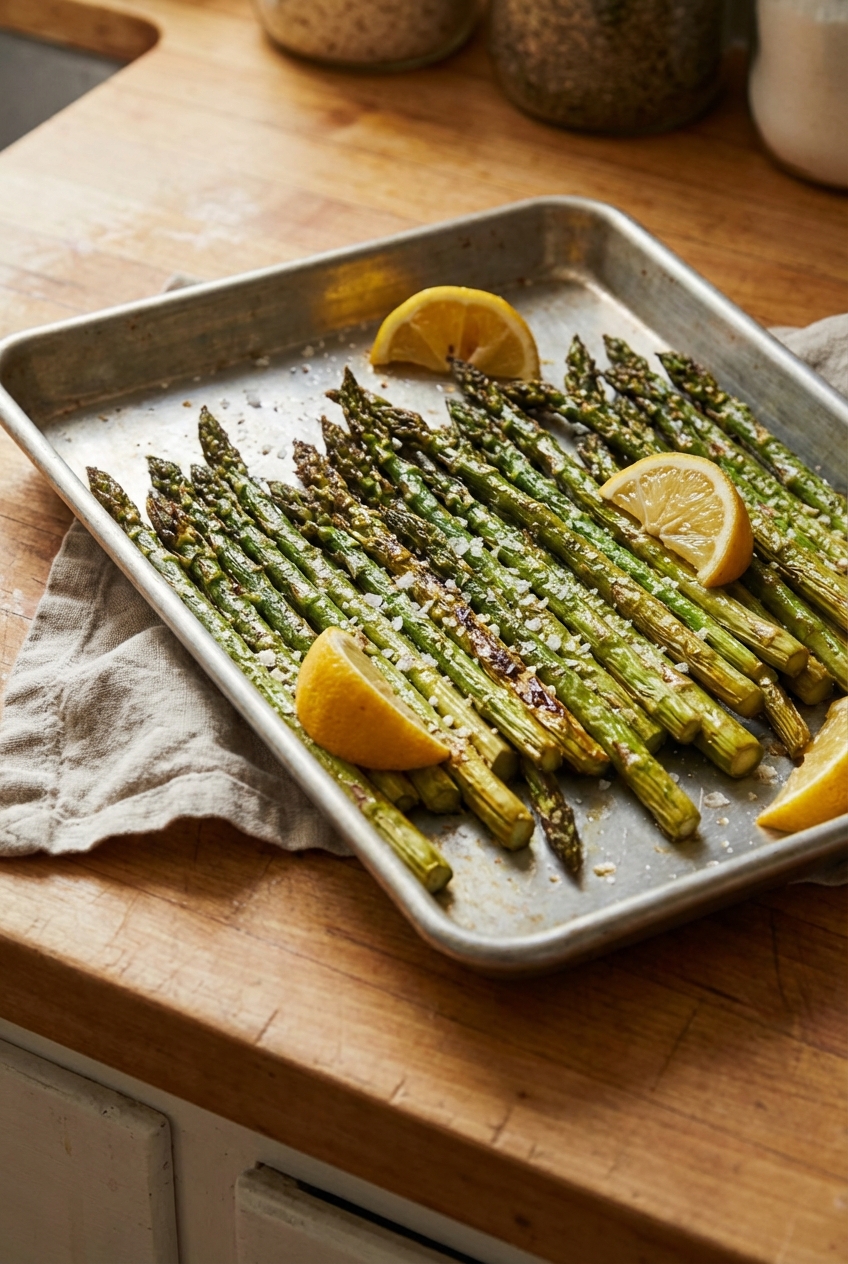
  • Roasted asparagus

Storage Tips

Keep It Creamy Later

  • Cool fast: Get the chowder into shallow containers so it cools quickly, then refrigerate.
  • Fridge: Store airtight for up to 3 days.
  • Reheat gently: Warm over low heat, stirring often. If it looks extra thick (it will), loosen with a splash of broth, water, or milk.
  • Freezing: Cream-based chowders can separate after freezing. If you must freeze, do it for up to 1 month and reheat slowly while whisking. Expect a slightly different texture.

Tip: If you know you want freezer-friendly chowder, stop before adding half-and-half, freeze the base, then add dairy when reheating.

Common Questions

Common Questions

Can I use fresh clams instead of canned?

Absolutely. Steam about 3 to 4 pounds of littlenecks with a splash of water until they open, then chop the meat. Clam yield varies a lot, so think of this as aiming for roughly 1 to 1 1/2 cups chopped clam meat (similar to two 6.5-ounce cans once drained). Strain and reserve the steaming liquid and use it like the clam juice in the recipe. Fresh is great, but canned is weeknight-friendly and still delicious.

How do I keep chowder from getting gummy?

Do not over-thicken early. Cook the flour for a minute, then add liquid gradually. Also, simmer gently. A rolling boil can break dairy and make potatoes shed starch fast.

Is this supposed to be thick or brothy?

Somewhere in the middle. It should coat a spoon but still pour. This recipe uses a light roux on purpose, then lets the potatoes help with the body. If you prefer it thicker, increase the flour to 3 tablespoons (or 4 for a more classic thick chowder) and simmer 5 to 10 minutes longer before adding the half-and-half. If you want it lighter, add a little extra broth.

What is the best potato for chowder?

Yukon Gold is my favorite for a creamy texture without turning grainy. Russets work too, but they break down more and thicken the soup faster.

Can I make it without bacon?

Yes. Use 2 tablespoons butter or olive oil to start, and bump the seasoning with a little smoked paprika for that cozy depth.

I learned pretty quickly that chowder is a “pay attention” soup. Not because it is complicated, but because it punishes you when you rush. I have thickened it too hard, boiled it too aggressively, and ended up with something that ate like mashed potatoes in a bowl.

This version is the one I make when I want that calm, savory, New England vibe without babysitting a finicky recipe. Bacon first, aromatics next, potatoes until tender, clams at the end. Then I taste, adjust, and pretend I am not about to go back for seconds before the bowl is even empty.