
Mom's Best Recipes
Recipe

Earthy Bread (Savory and Satisfying)

A cozy, herb-forward loaf with toasted seeds, olive oil, and a tender crumb. Weeknight-friendly, soup-approved, and built for ripping and dunking.

Author By Matt Campbell
4.8
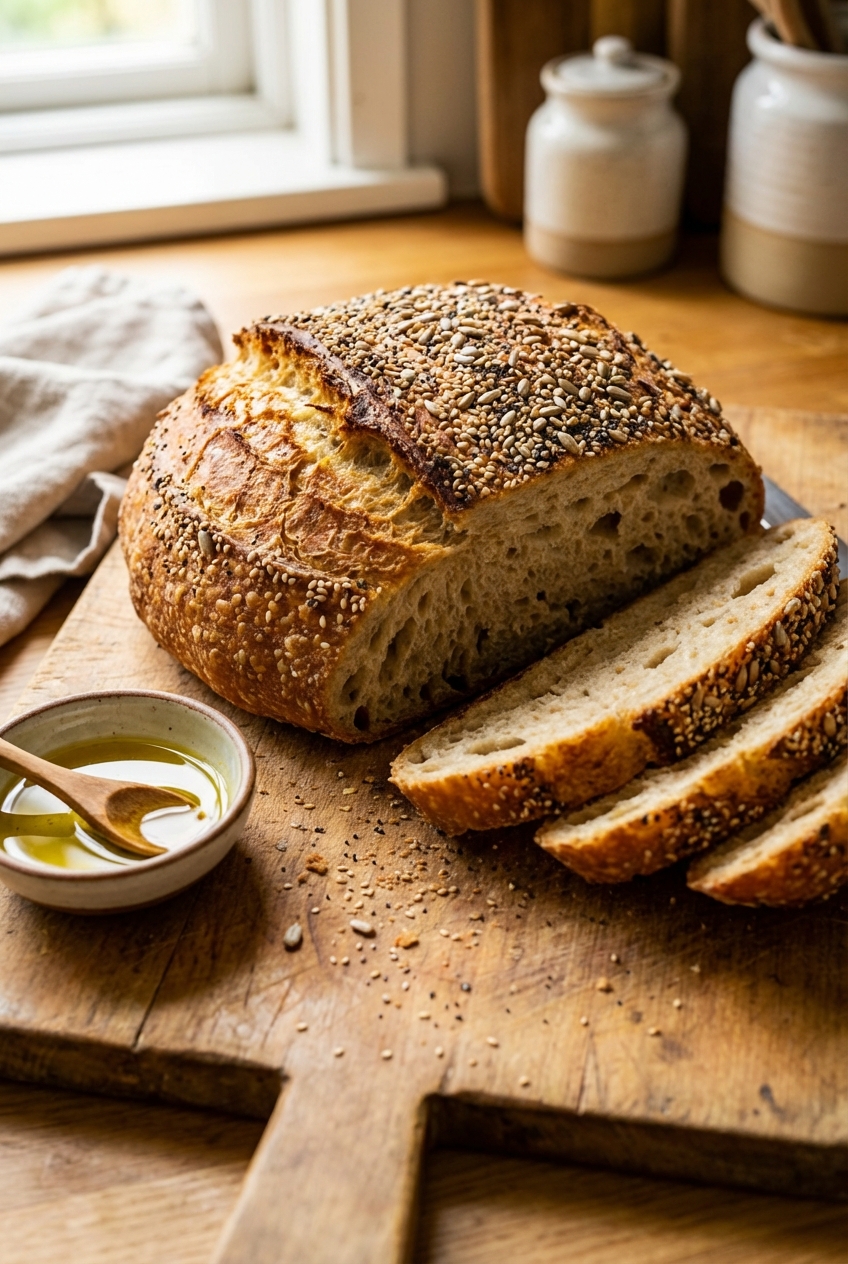
A real photograph of a rustic golden-brown loaf with a crackly crust and mixed seeds on top, sliced on a wooden cutting board with a small bowl of olive oil nearby

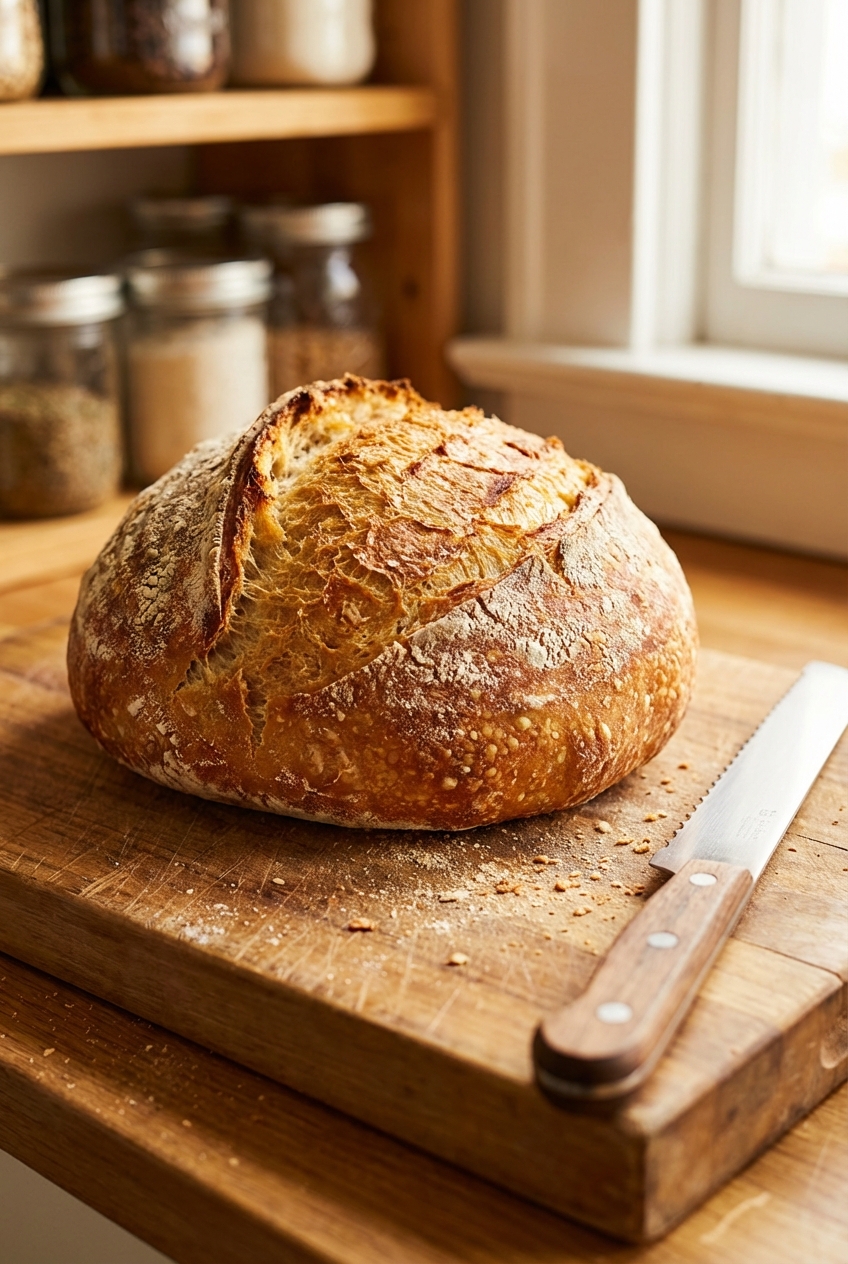
If your kitchen could wear a flannel shirt, this bread would be it. This is an earthy, savory loaf that tastes like you actually had a plan, even if you started it on a whim. Think: olive oil warmth, rosemary and thyme doing their woodsy thing, and a handful of seeds for that subtle crunch that makes you keep “testing” slices until half the loaf is gone.

It is approachable for newer bakers because it uses a simple knead and a reliable rise, but it still delivers the good stuff: a crisp, bronzed crust and a soft, satisfying interior that holds up to soup, stew, or a shameless swipe of salted butter.
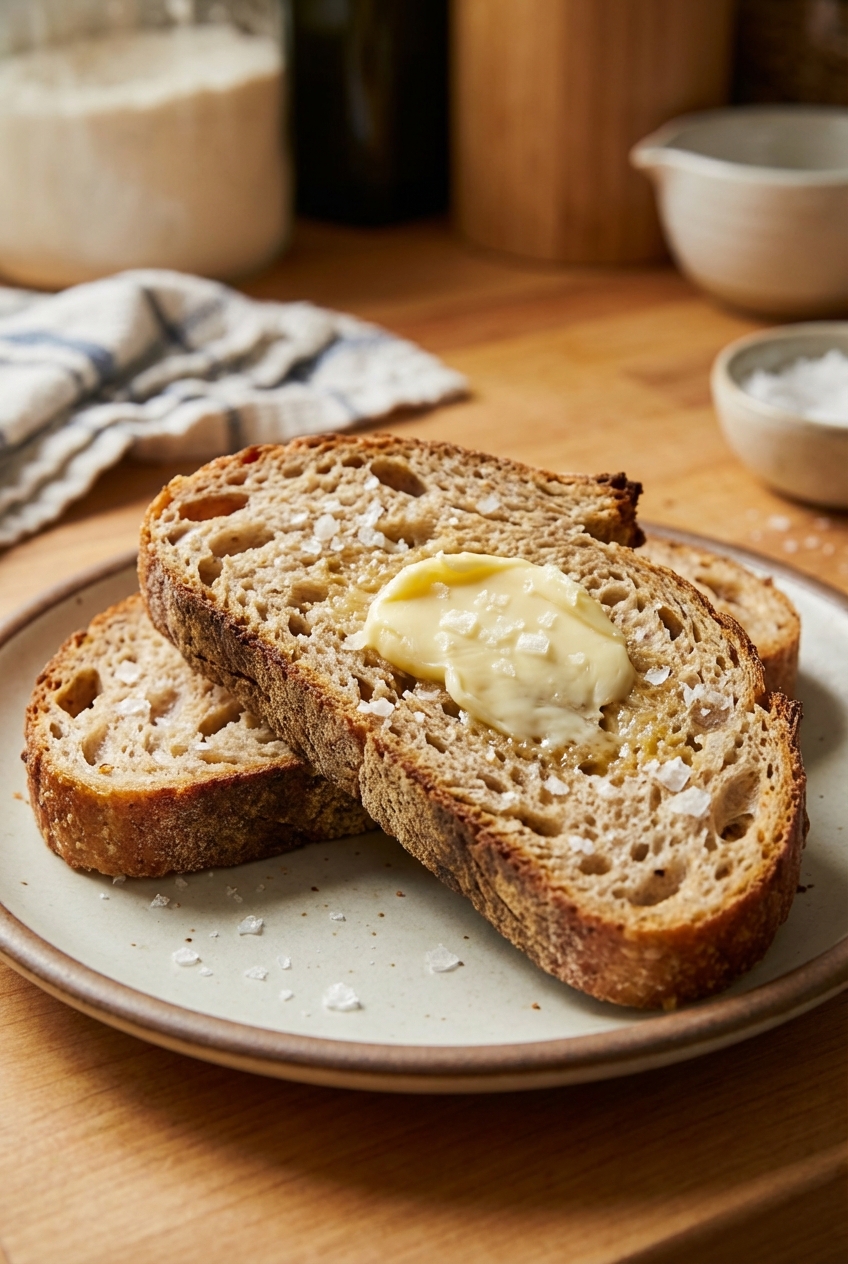
A real photograph of two slices of savory bread on a plate with softened butter and flaky salt

Why It Works

  • Big savory flavor without fancy ingredients: dried herbs, onion, garlic, and olive oil do the heavy lifting.
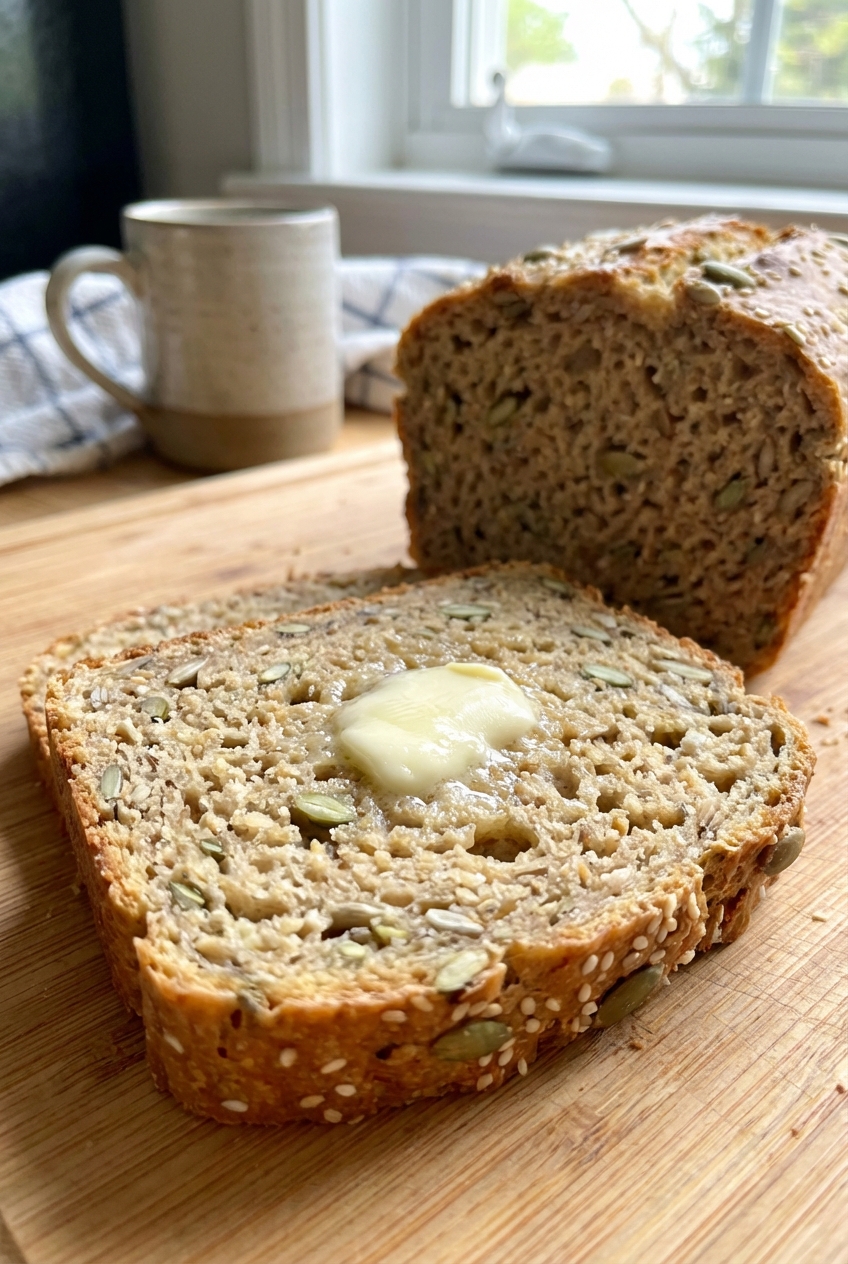
  • Great texture: seeds add crunch, and a touch of whole wheat gives it that earthy, nutty depth.
  • Flexible schedule: two simple rises, then bake. No sourdough starter required.
  • Built for pairing: sturdy enough for dipping, toast, and sandwiches that do not collapse mid-bite.

Pairs Well With

  • A real photograph of a bowl of creamy tomato soup with basil on top

    Cozy Tomato Soup

  • A real photograph of roasted garlic cloves being squeezed onto a small plate

    Roasted Garlic Butter

  • A real photograph of a simple green salad with vinaigrette in a large bowl

    Simple Green Salad

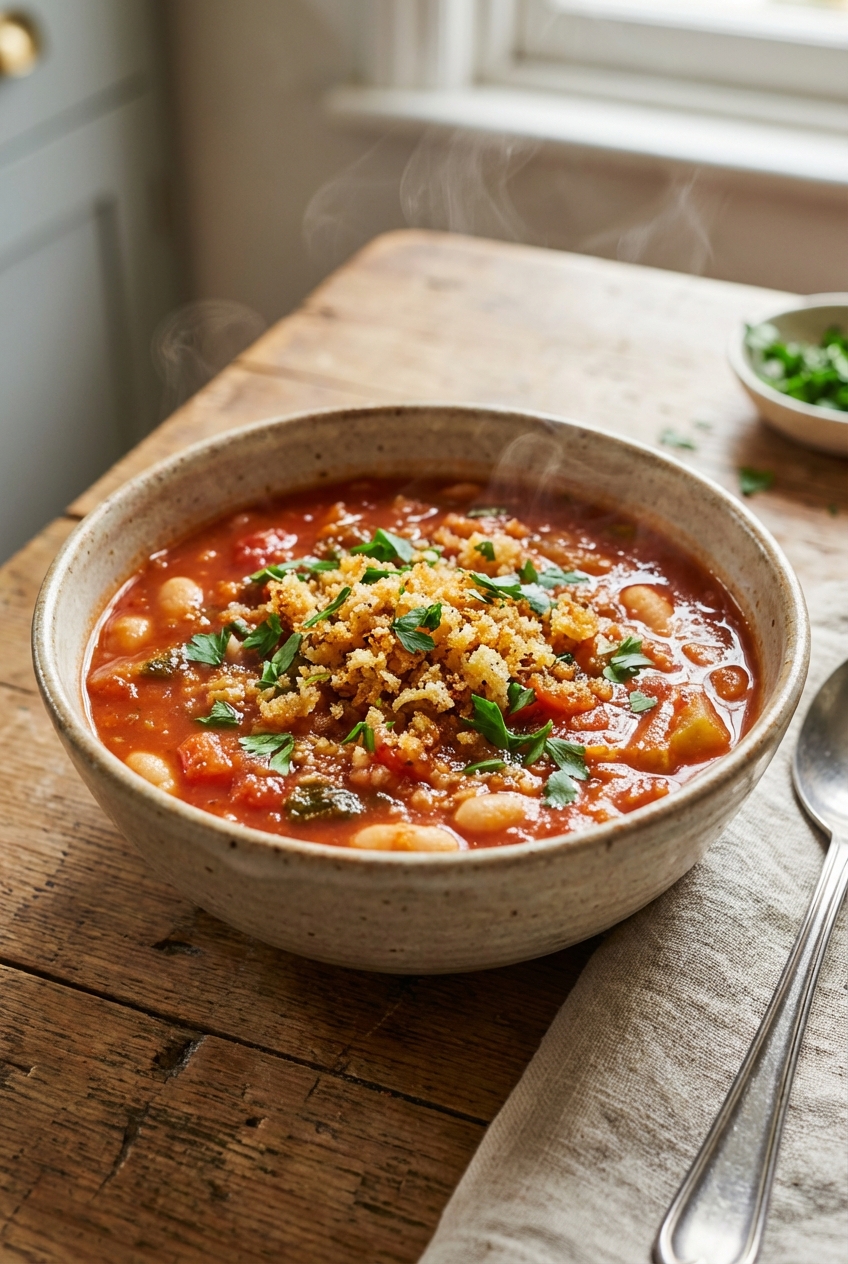
  • A real photograph of a pot of hearty white bean stew with herbs

    Herby White Bean Stew

Storage Tips

Room temp (best for crust): Let the loaf cool completely, then store cut-side down on a cutting board for up to 24 hours. If your kitchen is dry, loosely tent with a clean towel.

Counter storage (best for softness): Wrap in foil or place in a bread bag for 2 to 3 days. The crust softens a bit, but the crumb stays tender.

Freeze (best for actually finishing the loaf): Slice the bread, then freeze in a zip-top bag with parchment between slices for up to 2 months. Toast slices straight from frozen or thaw at room temp.

Re-crisping trick: If the loaf feels tired, spritz the crust lightly with water and warm it in a 350°F oven for 8 to 12 minutes.

Common Questions

Can I make this bread more “earthy”?

Yes. This dough already has 1 cup whole wheat, so here are two clear options:

Option A (a little more earthy): Swap 1/2 cup of the bread flour for whole wheat or rye.

Option B (very earthy): Swap up to 1 full cup of the bread flour for whole wheat or rye (so you will have about 2 cups whole grain total). If you do this, plan to add 1 to 3 tablespoons extra water as needed because whole grains drink more. The dough should feel soft and slightly tacky, not stiff.

Do I have to use bread flour?

No. All-purpose works. The loaf will be a little less chewy and a touch more tender, which is still very good for toast and sandwiches.

My dough feels sticky. Did I mess up?

Probably not. Sticky dough is normal early on. Knead for a few minutes first, then decide. If it is still unmanageable, add flour 1 tablespoon at a time. The goal is soft and slightly tacky, not dry.

Can I make it in a Dutch oven?

Absolutely. Preheat the Dutch oven at 450°F for 30 minutes. Shape the loaf, let it proof until puffy (about 30 to 45 minutes), then bake covered for 20 minutes and uncovered for 15 to 20 minutes until deeply golden. You can keep the oven at 450°F for a bolder crust, or reduce to 425°F after uncovering if the crust is browning too quickly.

How do I know it is done?

The crust should be deeply browned, and the loaf should sound hollow when tapped. If you use a thermometer, aim for 200 to 205°F in the center.

I started making this loaf when I wanted “something homemade” on the table without turning my whole night into a science project. The first time, I tossed in dried rosemary and a messy handful of seeds because it felt right. The smell did the rest. Now it is my go-to whenever soup is simmering or I have that very specific craving for a slice of bread that tastes like it belongs next to a candle and a big bowl of something cozy.